2026 Best Portable Phone Charger for Wholesale Buyers?

Time:2026-10-16 Author:Sophia
0%

For wholesale buyers, choosing the 2026 Best Portable Phone Charger requires more than comparing capacity and unit price. A reliable supplier must prove performance through practical testing, clear specifications, and consistent production records. Buyers should examine battery chemistry, rated capacity, charging protocols, cycle life, heat control, and protection against overcharging. A 20,000mAh label means little if usable output falls sharply under real conditions.

Look beyond the box.

Isidor Buchmann, founder of Cadex Electronics and Battery University, has written, “The less stress a battery is under, the longer it will last.” His observation matters when evaluating a Portable Phone Charger for travel, retail, or emergency-use channels. A well-designed model should remain stable while charging two devices, fit comfortably inside a work bag, and avoid excessive warmth near the USB-C port. Wholesale buyers also need dependable documentation, including test reports, warranty terms, factory audit details, and after-sales response times.

Price still matters. It cannot be the only measure.

A lower-cost charger may create higher return rates when ports loosen, capacity disappoints, or charging slows after repeated use. However, premium pricing does not automatically guarantee quality. That is where careful sampling becomes essential. Test several batches, not one attractive sample. Compare charging speed, weight, surface temperature, and actual output. Even experienced buyers can overlook small inconsistencies. The strongest 2026 purchasing decision will balance safety, verified performance, useful design, and realistic margins rather than chasing impressive numbers alone.
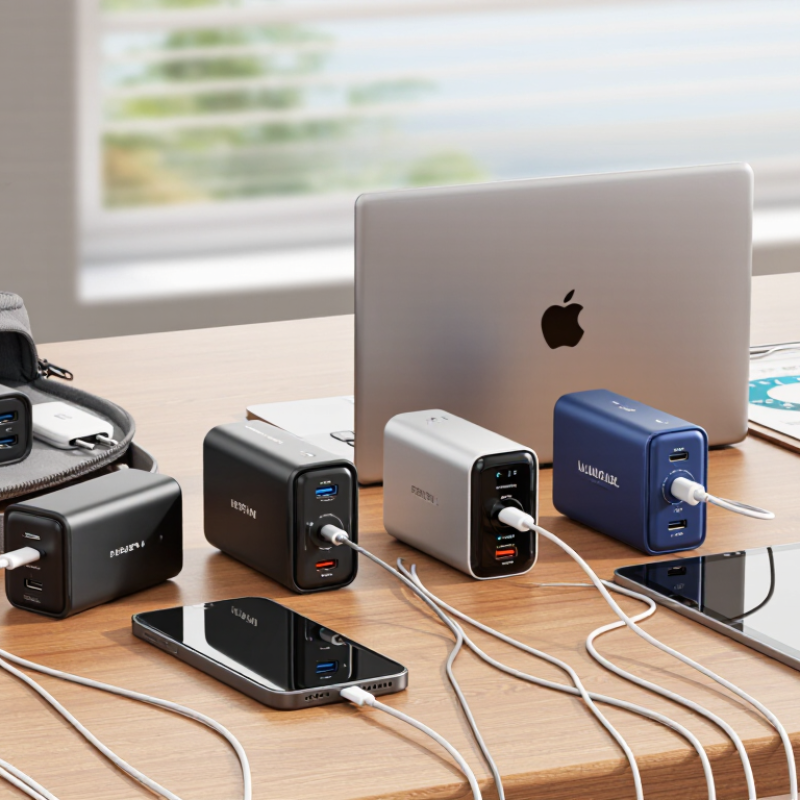
2026 Best Portable Phone Charger for Wholesale Buyers?

What Is a Portable Phone Charger and Why Does It Matter for Wholesale Buyers?

Portable phone chargers are compact battery devices that store power for later use. They usually include a rechargeable cell, control circuit, charging ports, and a protective casing. For phone users, they provide backup power during travel, field work, events, or long sales days. The value is simple. A dead phone can interrupt payments, calls, maps, and customer support.

For wholesale buyers, the product matters beyond its printed capacity. A 10,000 mAh unit will not deliver all 10,000 mAh to a phone. Energy is lost during voltage conversion and charging. Ask for tested output, recharge time, battery-cell information, connector options, and safety test documents. Check whether the casing feels secure and whether the cable fits firmly. I also compare sample performance at low and high loads, because a neat specification sheet can hide weak results.

Portability affects repeat sales. A heavy charger may sit unused, while a slim unit can travel in a pocket. Wholesale teams should match capacity, weight, color, packaging, and target price to the customer group. I would not trust one sample alone. Test multiple units from different production batches. That step costs time. However, it can reveal heat, capacity, or charging inconsistencies. My own judgment is not perfect, so I recheck measurements when a result looks unusually good. A small testing error can become a costly inventory problem.

2026 Best Portable Phone Charger for Wholesale Buyers: Capacity and Estimated Full Charges

A portable phone charger is a rechargeable battery pack that stores electrical energy and transfers it to mobile devices through a charging port. For wholesale buyers, capacity is an important purchasing dimension because it affects the number of phone recharges, product size, shipping weight, and target customer segment. Estimates below use a typical 4,500 mAh smartphone battery and an 85% usable energy efficiency assumption.

Which Portable Charger Features Should Wholesale Buyers Compare in 2026?

For wholesale buyers in 2026, comparing portable charger features requires more than checking battery capacity.

Start with the battery. A 10,000mAh label can look impressive, but usable capacity is usually lower after voltage conversion and heat loss. Ask suppliers for measured output data, not only printed specifications. Sample testing can reveal slow charging, loose ports, or uneven performance between units.

Output power should match the devices your customers use. USB-C Power Delivery supports faster charging for many phones, tablets, and small laptops. Programmable power features can improve efficiency, but only when the charger manages voltage safely. Compare total output, single-port output, charging protocols, and whether multiple ports share power. Wireless charging is also worth reviewing, especially alignment, heat control, and charging stability.

Small details matter.

Safety documentation deserves careful attention. Look for protection against overcharging, short circuits, overheating, and abnormal current. Ask for current testing reports and clear production traceability. Do not accept vague claims such as “premium battery” without evidence. Check cell consistency across samples and batches.

That number can mislead.

A practical wholesale evaluation should also examine cable strength, button durability, indicator accuracy, packaging, warranty terms, and replacement procedures. I have seen buyers focus heavily on price, then discover that inconsistent batches create costly returns. Transport paperwork, regional requirements, and user instructions should be reviewed before placing a large order.

How to Evaluate Capacity, Charging Speed, Compatibility, and Safety

2026 Best Portable Phone Charger for Wholesale Buyers?

For wholesale buyers, capacity is more than a printed number. A 20,000mAh unit may deliver less usable power after voltage conversion. Request laboratory test reports and compare output capacity, not only cell capacity. Then test samples with common phones, cables, and charging conditions. Ten samples can reveal variation between units. That small check matters.

Charging speed should match the buyer’s devices. Check input and output wattage, supported protocols, and the number of ports. A high wattage claim means little without protocol compatibility. Test one phone alone, then test multiple devices together. Some chargers slow sharply under shared load. I have seen this issue missed during showroom demonstrations.

Compatibility also includes cable quality, connector fit, and firmware behavior. Safety deserves stricter review. Look for overcharge, overcurrent, overheating, short-circuit, and temperature protection. Ask for current test documents from recognized laboratories. Inspect cell packing, casing strength, and charging-port alignment. A loose port is a costly return waiting to happen. Keep batch records, because performance can change between production runs. Do not rely on the first sample. Recheck random units before shipment, even when the supplier seems reliable. The process takes time, but a fast order can become an expensive lesson.

What Are the Best Portable Phone Charger Types for Different Markets?

2026 Best Portable Phone Charger for Wholesale Buyers?

What Are the Best Portable Phone Charger Types for Different Markets?

Portable phone chargers should match local habits, not only battery size. The International Data Corporation reported approximately 1.24 billion smartphone shipments worldwide in 2024. That volume creates broad demand, but buyers still need sharper segmentation. In my wholesale evaluations, commuters prefer slim 5,000–10,000 mAh units. They value pocket weight and quick top-ups. Travel retailers often need 10,000–20,000 mAh models with multiple outputs. Built-in cables can reduce forgotten accessories.

Outdoor and developing markets require different specifications. Higher-capacity units support longer outages and limited charging access. However, capacity adds weight, shipping cost, and slower handling. Solar-assisted products attract attention in outdoor channels, but their panels often charge slowly in weak sunlight. That detail is easy to overlook. Grand View Research identifies continued growth in the global power bank market, while practical demand still depends on climate, infrastructure, and retail price.

Premium electronics stores can test fast-charging models with USB-C input and output. Enterprise buyers may prefer clear battery indicators, rugged shells, and replaceable cables. Safety documentation, accurate capacity labeling, and recognized testing remain essential for wholesale approval. The IEC’s battery safety framework supports more disciplined product screening. Yet specifications do not guarantee customer satisfaction. Some buyers overestimate charging speed, while sellers sometimes publish laboratory results without explaining real usage. A smaller, reliable model may outperform a powerful one in everyday retail.

How Can Wholesale Buyers Select Reliable Suppliers and Control Costs?

For wholesale buyers, the best portable phone charger is not always the model with the highest capacity. A reliable supplier should provide clear test data, stable output, and consistent battery cells. Ask for samples before discussing a large order. Test charging speed, heat, cable fit, and performance after repeated use. A charger that feels warm after ten minutes deserves closer inspection.

Supplier evaluation should include factory experience, quality controls, and production capacity. Request recent inspection records, material specifications, and applicable safety documentation. Check whether the supplier tests every batch or only selected samples. That difference matters. A small trial order can reveal weak packaging, uneven printing, or slow communication. These details often become expensive problems later.

Cost control requires more than comparing unit prices. Calculate the full landed cost, including packaging, shipping, testing, taxes, replacement units, and possible defects. Negotiate based on forecasted volume, but avoid unrealistic minimum order quantities. A lower price may hide shorter warranty coverage or inconsistent capacity. I would also set written standards for defect rates, delivery dates, and replacement procedures. Forecasts can be wrong. Keep a modest buffer instead of overstocking thousands of units. Review supplier performance after each shipment, using actual defect data rather than promises.

FAQS

What is a portable phone charger?

It is a rechargeable battery device that stores power for later use. It usually contains a battery cell, control circuit, ports, and protective casing. A dead phone can disrupt calls, maps, payments, and customer support.

Does a 10,000 mAh charger deliver 10,000 mAh to a phone?

Not usually. Energy is lost during voltage conversion and charging. Ask for tested output, not capacity alone. Published figures can look better than real performance.

Which charger size suits commuters?

Slim 5,000–10,000 mAh models often suit commuters. They fit inside pockets and support quick top-ups. Weight matters. A heavy charger may remain unused.

Which models suit travel and outdoor markets?

Travel retailers may prefer 10,000–20,000 mAh models with multiple outputs. Built-in cables can reduce forgotten accessories. Outdoor buyers may need higher capacity during long outages. More capacity also means greater weight and shipping cost.

Are solar-assisted chargers always suitable for outdoor customers?

No. Their panels may charge slowly under weak sunlight. Test them in realistic weather conditions. Bright packaging cannot replace useful charging speed.

How should wholesale buyers test charger samples?

Test charging speed, heat, cable fit, and repeated-use performance. Compare low-load and high-load conditions. Check several units from different batches. One sample is not enough.

What supplier documents should buyers request?

Request recent inspection records, material details, battery-cell information, and safety test documents. Ask whether every batch receives testing. Selected samples may hide production problems.

How can buyers control the total purchasing cost?

Calculate product, packaging, shipping, taxes, testing, replacements, and defects. Do not compare unit prices alone. A cheaper order may include weaker support or inconsistent capacity. Keep a modest inventory buffer.

What details should a wholesale agreement include?

Set written standards for defect rates, delivery dates, replacement procedures, and product capacity. Review actual defect data after every shipment. Forecasts can be wrong. My judgment can be wrong too.

Conclusion

In 2026, a Portable Phone Charger remains a practical product for travel, retail, corporate gifting, and emergency power needs. For wholesale buyers, selecting the right model requires more than comparing price and capacity. Key factors include battery capacity, charging speed, output ports, device compatibility, size, weight, durability, and user-friendly design. Buyers should also evaluate safety protections such as overcharging, overheating, short-circuit, and excessive current protection to support reliable everyday use.

Different markets may prefer compact chargers for commuters, high-capacity models for travelers, or lightweight wireless and multi-port designs for modern consumers. Wholesale buyers should compare product specifications carefully, request samples, verify quality consistency, and assess packaging and after-sales support before placing large orders. Working with dependable suppliers, confirming production capacity, reviewing certifications required in target markets, and negotiating based on order volume can help control costs while maintaining product quality. A balanced approach to performance, safety, compatibility, and supply reliability can improve customer satisfaction and long-term business value.


Sophia

Sophia

Sophia is a dedicated marketing professional with an exceptional depth of knowledge about her company's products and services. With a keen understanding of market trends and customer needs, she crafts insightful blog posts that not only inform but also engage readers, enriching the company’s online......