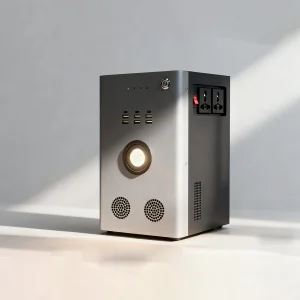
Discover our highly configurable, high-performance lithium-ion protection boards engineered with CAN/Bluetooth communication protocols, custom heating modules, and comprehensive safety parameters.
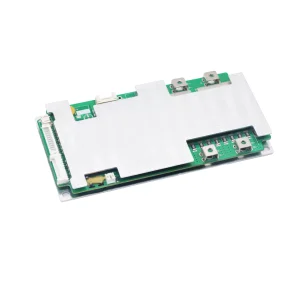
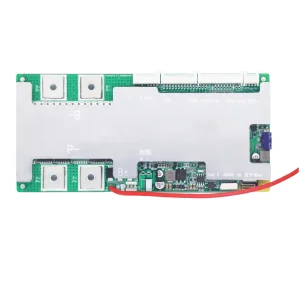
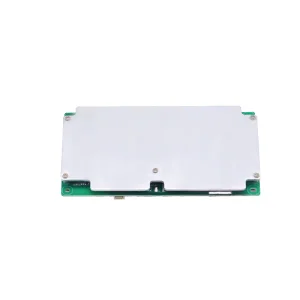
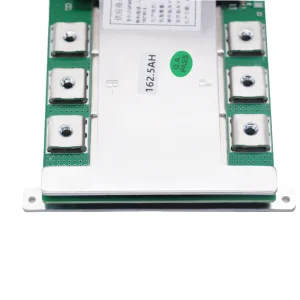
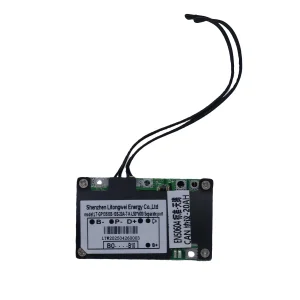
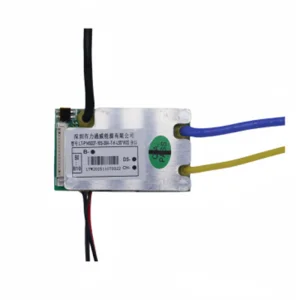
The global transition to electrification has moved past simple chemical cell packing. Modern industrial systems, electric vehicles, light electric mobility (LEVs), and energy storage applications now demand unparalleled efficiency, predictive safety, and long-term lifespan extensions. At the heart of this transformation is the Software Battery Management System (Software BMS). Unlike traditional analog hardware protection boards, which rely on rigid passive circuits to trigger physical shutoffs during overcharge or over-discharge events, Software BMS introduces digital computing capability directly into the battery pack.
Equipped with microcontrollers (MCUs) running specialized firmware, Software BMS solutions dynamically evaluate the battery pack's status in real-time. By utilizing complex algorithms, they monitor and manage parameters such as State of Charge (SoC), State of Health (SoH), State of Power (SoP), and State of Energy (SoE). This software-driven approach transforms a static battery pack into a smart node within a broader Internet of Things (IoT) ecosystem. Today, global supply chains depend heavily on suppliers capable of delivering customizable, reliable, and communication-capable Software BMS platforms that can interface smoothly with vehicle controllers, smart micro-inverters, cloud monitoring dashboards, and local user applications.
Whether optimizing energy extraction for heavy-load automated guided vehicles (AGVs) or providing smooth bluetooth configurations for urban electric bicycles, Software BMS represents a key driver of modern energy technology. By sourcing from a qualified supplier who understands both hardware robustness and software integration, global brands can ensure that their products conform to strict international safety regulations while achieving optimal efficiency under diverse and harsh environmental conditions.
Established in 2005, Shenzhen Litongwei Electronic Technology Co., Ltd. is a national high-tech enterprise at the forefront of the research, development, and manufacturing of advanced lithium-ion safety control systems. For two decades, we have continuously pushed the boundaries of power management technology, transforming from a specialized BMS pioneer into a global powerhouse supplying international brands like Huawei, Lenovo, Desay, Guoguang, Sunwoda, Eve Energy, and Guoxuan High-tech.
With production bases strategically split between Shenzhen (over 13,000 square meters of independent manufacturing space) and Dongguan Huangjiang (spanning 27,000 square meters), Litongwei has scale, technological depth, and manufacturing flexibility. We are equipped with 24 high-speed pick-and-place surface-mount technology (SMT) machines and 12 fully automated PCBA lines, enabling us to sustain a massive monthly output of over 15 million units. This high-capacity output ensures we meet the volume demands of global clients without compromising on accuracy, quality control, or lead times.
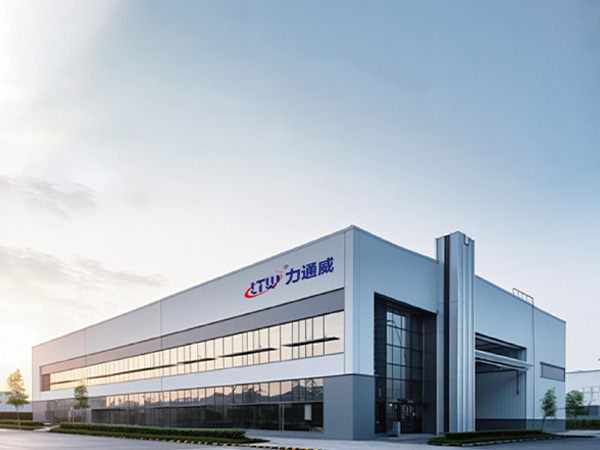
At LITONGWEI, we operate under a simple yet powerful philosophy: "Technology as King, Efficient Service". Our goal is to serve as the definitive global provider of intelligent green energy management solutions, enabling organizations worldwide to leverage clean energy systems with absolute safety, complete operational visibility, and optimized lifecycle economics.
From our founding as a digital BMS pioneer to a modern Smart Manufacturing+ enterprise, explore our trajectory of technological milestones.
Inside our high-speed, automated production lines where state-of-the-art SMT machinery delivers zero-defect lithium-ion safety boards.
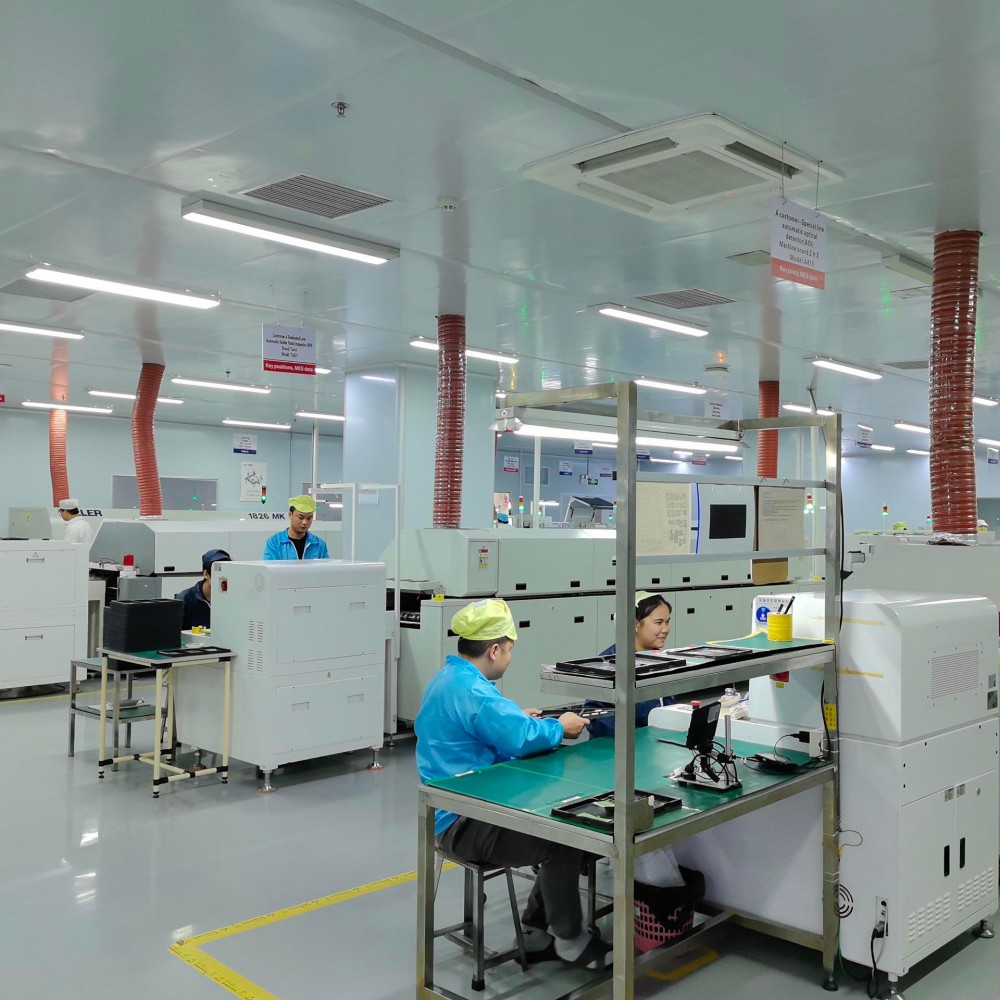
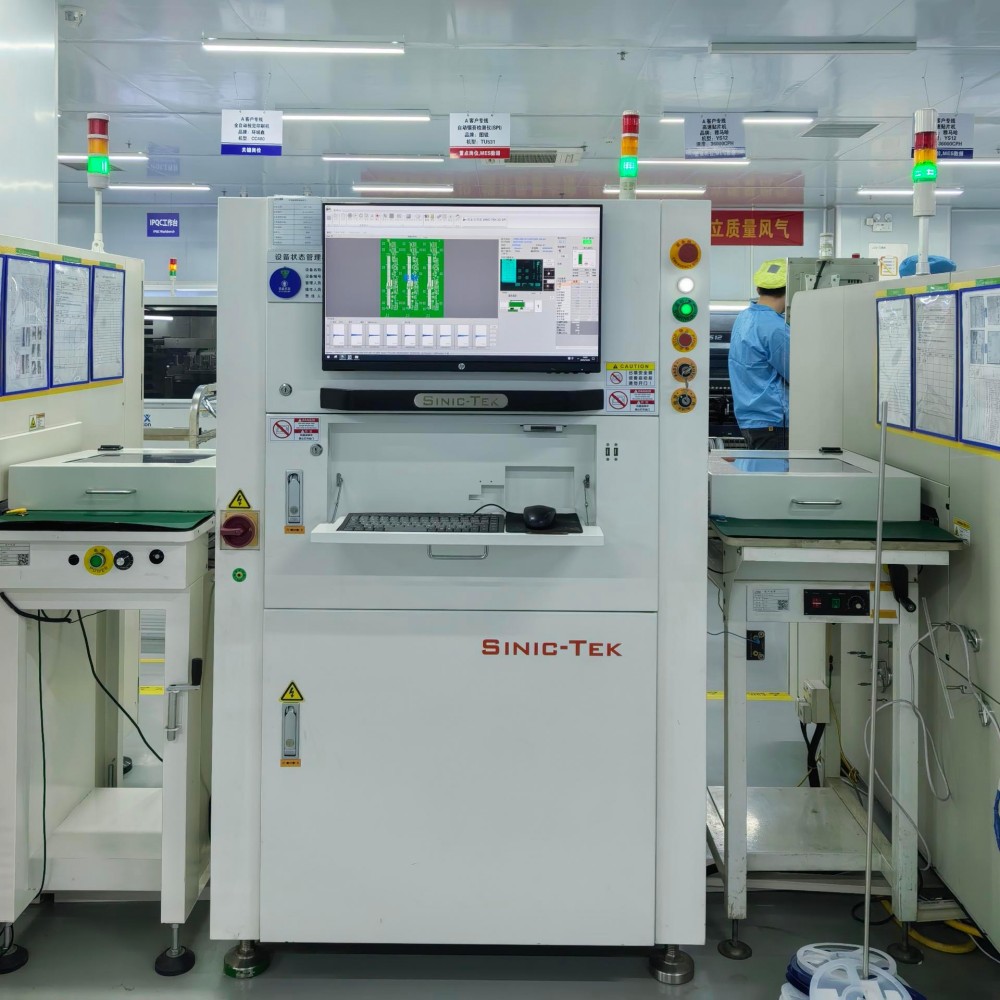

Sourcing your Software BMS from a high-capacity Chinese manufacturer like Litongwei offers clear benefits across three core areas: raw production efficiency, localized supply chain integration, and engineering agility. The Greater Bay Area (encompassing Shenzhen and Dongguan) acts as the global capital for battery electronics. This clustering ensures that every component—from microcontrollers (MCUs) and power MOSFETs to specialized multilayer FR4 PCBs—can be sourced, validated, and integrated at unparalleled speeds.
Consider the raw capacity metrics: with over 40,000 square meters of combined manufacturing space across our facilities, Litongwei features a monthly capability of 15 million completed boards. This scale allows us to drive down unit costs through volume raw material procurement, a benefit we pass directly to our clients. Furthermore, our 24 SMT lines and dedicated AOI (Automated Optical Inspection) systems mean that transitions from customized prototype runs to full-scale mass production can occur in days, rather than the weeks or months typical of Western manufacturing centers.
We engage in proactive patent collaborations and apply robust firmware-level locking mechanisms to safeguard our customers' proprietary system designs.
Our modular, shared-board architecture dramatically lowers upfront engineering tooling fees, driving cost reduction and efficiency improvements.
Leveraging our sophisticated MES database, every board has a traceable digital history, linking every component back to its original manufacturing batch.
Industrial lithium batteries operate in environments that vary widely from one location or use-case to another. Consequently, a high-quality Software BMS must be engineered for adaptability. Below, we examine the primary scenarios where Litongwei systems are deployed globally:
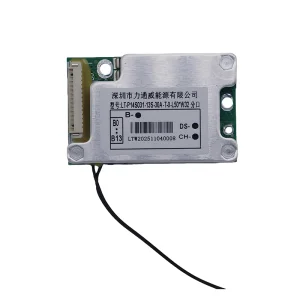
Urban micro-mobility applications present unique challenges, such as frequent vibration, rapid acceleration cycles, and exposure to rain and extreme weather. Our smart configurations, such as the LTW 20S 120A and LTW 23S 60A protection boards, feature integrated Bluetooth communication and intelligent heating. In regions with freezing winters, like Northern Europe or North America, charging a lithium battery below 0°C can cause dangerous lithium plating, leading to permanent cell damage. Our BMS detects these low temperatures using precise NTC sensors and routes power to built-in heating elements to safely warm the battery before starting the charge cycle.
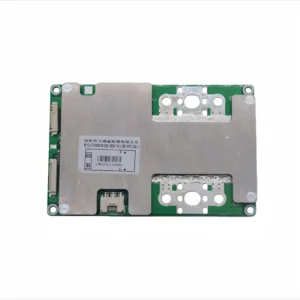
In modern automated warehouses, AGVs operate continuously. Any battery failure directly impacts facility productivity. Litongwei's industrial-grade Software BMS provides real-time telemetry over CAN bus and RS485 communication protocols. This allows warehouse dispatch systems to track the exact health and charge level of every vehicle. Additionally, our high-current configurations (such as the 200A protection boards) handle peak starting currents without false tripping, ensuring seamless, around-the-clock logistics operations.
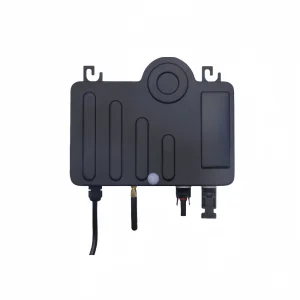
With residential green energy expanding rapidly worldwide, home balcony micro-inverters and compact energy storage systems require reliable interfaces. Our LTWSmart Micro Inverter features IP67 weatherproofing and achieves 96.5% efficiency. It works in tandem with our BMS to manage power transfer safely, protecting the system from reverse currents, over-voltages, and sudden thermal changes.
As international regulations around battery safety tighten, procurement managers must evaluate several technical criteria when choosing a Software BMS supplier. Finding the right partner requires looking beyond simple pricing to assess several key factors:
By prioritizing partners with recognized quality certifications (including ISO9001, ISO14001, and IATF16949 automotive grade) and verified manufacturing tracing systems, procurement teams can protect their brand reputation and avoid expensive product recalls.
Over the years, Litongwei has collaborated closely with leading technology brands to design and deliver high-performance battery safety systems.












Get answers to the most common questions regarding Software BMS design, configuration, thermal protection, and integration.
A Software BMS features a programmable microcontroller (MCU) running specialized firmware, allowing it to adapt to changing operating conditions dynamically. While a hardware BMS triggers shutoffs based on fixed voltage levels, a Software BMS calculates complex metrics like State of Charge (SoC) and State of Health (SoH), log telemetry, communicate over protocols like CAN/Bluetooth, and adjust protection thresholds dynamically. This digital approach improves battery safety, increases efficiency, and extends the overall life of the battery pack.
Charging lithium batteries below freezing temperatures (0°C/32°F) can cause lithium metal to plate onto the anode, which degrades cell capacity and can cause internal short circuits. An intelligent heating BMS uses NTC sensors to monitor temperature. If a charging current is detected while the battery is below freezing, the BMS diverts power to internal heating elements to safely warm the cells. Once the temperature reaches a safe threshold, the BMS starts the charge cycle, protecting the pack from damage.
Litongwei holds over 100 patents in circuit design, testing procedures, and automation. We collaborate closely with clients to review system architectures and ensure full patent compliance. By using custom-written firmware and encrypted MCUs, we lock down our code to prevent unauthorized copying. This helps our partners mitigate infringement risks and establish unique market positions.
IATF16949 is a rigorous global automotive quality standard. It requires strict process control, defect prevention, and continuous improvement throughout the supply chain. For industrial customers (such as AGVs, drones, and e-bikes), this automotive-grade certification ensures that every BMS board is built to high standards of reliability and durability, even in demanding environments.
Explore our specialized clean-energy products, matching the industry's highest standards of conversion efficiency, thermal resilience, and safety.

 Litongwei Electronic