When it comes to choosing the best Power Bank and Charger, insights from industry experts can be invaluable. Paul Anderson, a renowned tech analyst, once stated, "The right power bank can mean the difference between frustration and convenience." As smartphones and devices evolve, so do our charging needs.
Understanding the specifications of a Power Bank and Charger is not straightforward. Capacity, speed, and compatibility matter deeply. A user's requirements may vary based on device usage and lifestyle. For example, a frequent traveler will prioritize different features compared to someone who uses their devices at home.
Navigating this landscape requires careful consideration. How much battery life do you need? Do you often forget to charge your devices overnight? Reflecting on these questions can guide you toward a well-informed choice. Balancing your needs with available options is crucial. Remember, not all products are created equal. The perfect Power Bank and Charger should enhance your daily routine, rather than complicate it.
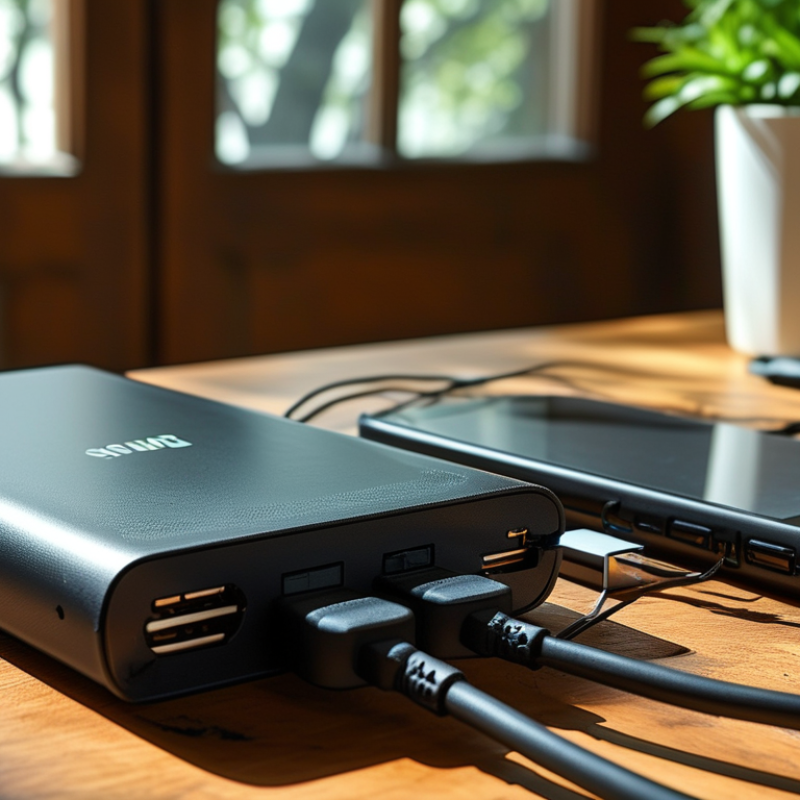
Understanding Your Power Needs: Capacity and Compatibility
When selecting a power bank and charger, capacity and compatibility are crucial. Understanding your devices' battery capacities helps you choose the right power bank. If you carry a smartphone with a 4000mAh battery, a power bank with 10000mAh offers multiple charges.
Consider how often you travel. A compact power bank with sufficient capacity is ideal for everyday use.
Compatibility is essential. Many devices require specific charging standards, such as USB-C or Lightning connectors. Make sure your power bank supports these standards. If you have multiple devices, look for versatility. Some power banks offer various ports. This allows you to charge different devices simultaneously.
Tips: Always check the charging speed. A power bank with a higher output can charge your devices faster. Monitor battery life. Regularly assess if your power bank meets your needs. It's easy to overlook how often you use your devices. Think about your routine. Your needs may change over time, so remain flexible in your choices.
Types of Power Banks: Choosing the Right Technology
Power banks come in various types, each designed to meet distinct needs. Lithium-ion and lithium-polymer are the most common battery technologies. According to industry research, lithium-ion power banks are known for their capacity and longer life cycles. They can typically charge devices faster than their lithium-polymer counterparts. A survey indicated that 70% of consumers prefer the lighter weight and compact size of lithium-polymer banks, despite their generally lower capacity.
Rugged power banks are another option for outdoor enthusiasts. These devices often feature shock resistance and weatherproof designs. An estimated 30% of users report that durability is a crucial factor in their purchasing decisions. Fast charging is another technology trend. 45% of users prioritize chargers that can deliver 18W or more. This is often essential for those who are frequently on the go and require quick power boosts. However, it's worth noting that not all devices support fast charging, which can lead to disappointment.
When choosing a power bank, reflect on your usage habits. Consider whether you frequently travel or simply need a backup at home. The market is vast, but making the right choice starts with understanding your specific needs. Balancing capacity, portability, and charging speed can be challenging. Skipping detailed research may lead to a mismatch between the product and your requirements.
How to Choose the Best Power Bank and Charger for Your Needs? - Types of Power Banks: Choosing the Right Technology
| Type |
Capacity (mAh) |
Output Ports |
Rapid Charge |
Weight (grams) |
Price ($) |
| Standard |
10000 |
1 |
No |
200 |
25 |
| Fast Charge |
20000 |
2 |
Yes |
350 |
45 |
| Solar Powered |
15000 |
1 |
No |
400 |
50 |
| Portable Charger |
5000 |
1 |
No |
120 |
15 |
| Multi-Device Charger |
30000 |
3 |
Yes |
600 |
60 |
Key Features to Consider in Chargers and Power Banks
When selecting the best power bank and charger, key features can significantly influence your experience. Battery capacity is crucial. Measured in milliamp hours (mAh), a higher number means more power. For example, a 10,000 mAh power bank can charge your smartphone multiple times. Consider your device's requirements. A feature-rich gadget may need more energy than simpler devices.
Charger speed is another important aspect. Look for chargers with fast charging capabilities. This feature can save you time. Many chargers provide various charging speeds. It’s essential to verify compatibility to avoid damage to your devices. Weight and portability are also factors. A compact power bank is easy to carry. However, smaller devices may offer less capacity, which brings trade-offs.
While price matters, durability should not be overlooked. A well-designed power bank can last for years, while cheaper options might fail quickly. It's also wise to read reviews. These provide real user insights. User experiences can highlight what specifications are essential. Ultimately, the right balance between capacity, speed, portability, and price leads to a satisfying choice.
Safety Features: Ensuring Secure Charging Options
When selecting a power bank or charger, safety should be a top priority. Many products in the market lack proper safety mechanisms. Look for features like surge protection, short circuit prevention, and temperature control. These can prevent overheating and damage to your devices during charging. A power bank should have multiple safety certifications, indicating it meets industry standards.
Another essential aspect is the quality of materials used. Some chargers may look appealing but use low-grade components. This can lead to malfunctions or safety hazards. Additionally, check for overcharge protection. A charger that stops delivering power once your device is full helps prolong battery life.
Reflect on your charging habits too. Do you often need quick charges on the go? Consider portable options with fast charge technology. However, don’t rush into a decision. Importance lies in striking a balance between convenience and safety. It’s wise to read reviews from reliable sources to understand product reliability before making a purchase.
Portability and Design: Finding the Best Fit for Your Lifestyle
When choosing a power bank or charger, portability and design significantly impact your daily life. Lightweight and compact options are ideal for travelers. Look for slim models that fit into your pocket or bag effortlessly. A sleek design can enhance your style as you carry your device.
Consider the materials used in the design. Durable yet lightweight materials ensure longevity without adding extra weight. Ergonomic designs can improve grip and ease of use. Some models even come with built-in cables, reducing clutter.
Reflect on your lifestyle needs. If you frequently hike or travel, rugged designs that withstand harsh conditions are crucial. Alternatively, if you work long hours in an office, a stylish model that blends with your workspace might be more suitable. Finding the right balance between practicality and aesthetics is essential. Assess your daily routines to make an informed choice.
FAQS
: Battery capacity is crucial. A higher mAh means more charges for your smartphone.
Look for fast charging capabilities. They save time but ensure compatibility with your devices.
Smaller power banks are easy to carry but may have lower capacity. It's a trade-off.
Look for surge protection and short circuit prevention features to protect your devices.
Low-grade components may lead to malfunctions or safety hazards over time.
It stops delivering power when your device is full, extending battery life.
Cheaper options may fail quickly. Consider long-term use rather than just the initial cost.
They provide real insights into product reliability and essential specifications.
Consider portable options with fast charge technology but balance convenience and safety.
Yes, understanding your habits can guide you to the best options for your needs.
Conclusion
When selecting the best power bank and charger for your needs, it’s crucial to first understand your power requirements, focusing on capacity and compatibility with your devices. Different types of power banks, such as those with fast charging capabilities or solar options, offer varying technologies that cater to specific needs. Additionally, key features like multiple USB ports, built-in cables, and LED indicators can enhance usability, while safety features such as overcharge protection ensure secure charging experiences.
Portability and design are also important factors; a lightweight and compact power bank might be ideal for travelers, while a rugged design may suit outdoor enthusiasts. By considering these aspects—capacity, types, features, safety, and portability—you can make an informed choice that aligns with your lifestyle and ensures reliable performance from your power bank and charger.

 Litongwei Electronic