Choosing an Ev Bms supplier for global sourcing requires more than comparing unit prices. The right partner must combine engineering depth, production discipline, and dependable communication. Battery chemistry matters. So does pack architecture.
Dr. Gregory L. Plett, a recognized battery-management researcher, offers a useful principle: “A BMS is only as good as the battery model behind it.” This warning deserves attention. A supplier should explain how its models estimate state of charge, state of health, and remaining power under heat, cold, aging, and fast charging. Ask for test evidence, not attractive claims. Review balancing performance, thermal protections, CAN communication, diagnostics, software updates, and fault responses. Then examine how these functions behave in real vehicles.
Global sourcing adds another layer. Confirm automotive quality systems, traceable components, cybersecurity processes, functional-safety capability, and documented transport compliance. Audit the factory if possible. Inspect calibration records, end-of-line testing, change-control procedures, and supplier continuity plans. A strong Ev Bms supplier can provide samples, data logs, failure analysis, and clear warranty terms without avoiding difficult questions.
Price still matters. It should not lead the decision. A low quotation may hide integration work, unstable firmware, or slow technical support. No supplier is perfect. That is worth admitting. Even experienced teams can overtrust laboratory results. A practical evaluation should include pilot packs, cold-weather testing, vibration testing, and controlled field trials. Choose the supplier that proves predictable performance, responds quickly, and accepts shared responsibility when the design needs improvement.
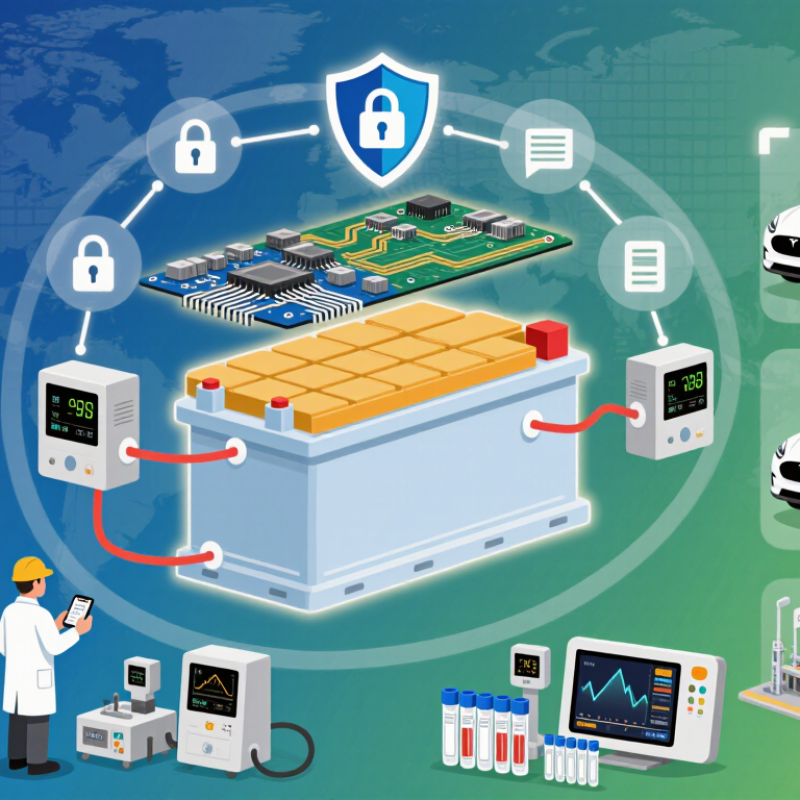
Global sourcing starts with measurable EV BMS requirements, not a supplier shortlist. Define battery chemistry, cell count, voltage range, continuous current, peak current, balancing method, and thermal limits. Add communication protocols, diagnostic depth, cybersecurity expectations, enclosure rating, and service life. Specify target vehicles and operating climates. Start with failure modes. An urban delivery van may need different balancing behavior than a high-performance passenger vehicle.
The IEA’s Global EV Outlook 2025 reports more than 17 million electric-car sales in 2024. That volume increases pressure on safety, availability, and regional support. BloombergNEF’s 2024 Battery Price Survey reported average battery-pack prices of 115 dollars per kilowatt-hour. Therefore, your sourcing goal should measure total system value, not only the BMS unit price. Compare validation costs, software updates, warranty exposure, logistics, localization, and replacement support.
Ask suppliers for fault-tree analysis, test records, traceability procedures, and evidence of ISO 26262 development practices. Check alignment with UN Regulation No. 100 and ISO/SAE 21434 expectations where applicable. Require sample data from cold starts, rapid charging, cell imbalance, vibration, and thermal events. A perfect requirement document is unrealistic. Leave controlled room for engineering changes, but record every assumption. Teams often overvalue low price and underestimate integration delays. That mistake remains expensive. Build a scorecard with weighted technical, quality, commercial, and regional-support criteria before requesting quotations.
How to Choose an EV BMS Supplier for Global Sourcing?
Evaluate Supplier Expertise, Certifications, and Product Reliability
A capable EV BMS supplier should understand cell chemistry, thermal behavior, charging profiles, and vehicle communication systems. Ask for engineering records, not only polished sales presentations. Review their experience with similar battery voltage ranges, operating temperatures, and communication protocols. Practical expertise often appears in failure analysis reports and design-change records.
Certifications provide useful evidence, but they are not proof of every product claim. Check current ISO 9001 and IATF 16949 certificates, where relevant, and verify their scope and issuing body. Ask whether production follows controlled inspection procedures. Reliable suppliers should support traceability from incoming cells to final BMS testing. Request data from overvoltage, short-circuit, temperature, vibration, and endurance tests. Independent laboratory results can strengthen confidence. Still, test conditions may not match your vehicle. That gap deserves careful review.
Tips: Visit the production site if possible. Observe calibration labels, test fixtures, and rejected units. Ask how many failures reached customers last year. Request a sample BMS and test it with your own battery pack. Check firmware update controls and technical response times. A supplier that answers difficult questions clearly is often safer than one offering perfect promises. I would not rely on certificates alone; I once underestimated documentation quality, and the hidden delay affected validation work. Build a supplier scorecard covering expertise, certification validity, reliability evidence, communication, and after-sales support. Recheck it before signing a long-term agreement.
Evaluate supplier expertise, certifications, and product reliability through the relevant international standards.
The chart maps internationally recognized standards to the evidence areas they directly address. A value of 1 means the standard is directly relevant to that area; 0 means it is not the primary scope of the standard. During supplier qualification, verify certificate validity, certification scope, audit records, product test reports, traceability, firmware change control, warranty terms, and field-failure data. Certifications support supplier evaluation but do not, by themselves, guarantee BMS reliability.
When sourcing an EV battery management system globally, technology claims need practical verification. I compare cell support, measurement accuracy, balancing strategy, and thermal protection. A supplier should explain whether its BMS supports lithium iron phosphate, nickel-rich cells, or both. It should also show test data across low temperatures, rapid charging, and vibration. Bench results matter more than polished brochures. Ask for logs from a real battery pack. Small details matter. Can the system detect a weak cell before it damages the pack? Does it record voltage drift clearly? These answers reveal engineering maturity.
Compatibility often decides whether a promising design survives production. I check communication protocols, connector layouts, current-sensor ranges, and charger interfaces. The BMS must exchange stable data with the vehicle controller, inverter, display, and charging equipment. Firmware updates should be controlled and traceable. A simple integration test can expose costly gaps. Connect a pack at 10% state of charge, simulate sensor noise, then interrupt communication. Observe the response. Some suppliers provide excellent hardware but weak documentation. That is an uncomfortable, recurring lesson.
Customization should improve the vehicle, not hide an immature platform. Ask whether engineers can adjust balancing thresholds, sleep modes, fault rules, and state-of-charge estimation for your pack. Request a change-control process, sample firmware, and clear validation reports. Global sourcing also requires responsive technical support across time zones. During pilot builds, a two-hour delay can stop a production line. Verify manufacturing consistency through inspection records, traceability, and repeatability data. I would not choose the lowest quotation without reviewing these records. Price is visible. Reliability is earned slowly. Even experienced teams can miss a mismatch between software assumptions and actual cell behavior.
Manufacturing capacity should match your launch plan, not just your forecast. Request monthly output data, equipment lists, and recent utilization rates. A capable supplier can explain its testing stations, staffing levels, and expansion timeline clearly. Visit the production floor when possible. Observe line balance, material flow, and how operators handle rejected boards. Empty space proves little. Actual process control matters more.
Quality control must cover every stage of BMS production. Ask for incoming inspection records, soldering standards, firmware controls, and end-of-line test results. Each unit should have traceable records, including component lots and calibration dates. Test samples should include temperature cycling, voltage accuracy, communication stability, and protection response. Review failure data, not only pass rates. A supplier hiding minor defects may create larger risks later.
Supply stability depends on more than production volume. Check component sourcing, approved alternatives, inventory policies, and average lead times. Ask how the supplier handles shortages, engineering changes, and sudden demand increases. Written change notifications are essential. A second source for critical components can reduce disruption, but it may also complicate validation. No supplier is perfect. A transparent partner will admit weak points and show practical corrective actions. Be cautious when every answer sounds flawless.
How to Choose an EV BMS Supplier for Global Sourcing?
Assess Total Cost, Support Services, and Long-Term Partnership Value
When comparing EV BMS suppliers, I look beyond the unit price. The real cost begins after the purchase order. Add firmware integration, sample testing, certification documents, shipping, customs, spare units, and field replacements. A cheaper board may demand expensive engineering hours. That difference matters. Ask for a costed quotation with assumptions clearly stated. Review warranty limits, communication protocols, update fees, and expected service life. Request test records for temperature, vibration, cell imbalance, and fault response. If evidence is vague, pause.
Support quality often decides whether a project stays on schedule. During pilot builds, suppliers should provide named technical contacts, response targets, and practical troubleshooting. Remote help is useful, but onsite support may matter during production ramp-up. Clarify time-zone coverage and escalation paths before signing. Ask how software changes are controlled and documented. Poor version control can create repeated validation work. Promises are not evidence. A short support trial can reveal more than a polished presentation.
Long-term value depends on openness, capacity, and shared planning. Assess factory audits, component traceability, change-notification practices, regional certification support, and financial resilience. Discuss forecast flexibility, minimum order quantities, tooling ownership, and end-of-life planning. Reliable partners explain bad news early. That habit protects both sides. I have seen teams overvalue technical features while ignoring communication delays. That was a costly mistake. Still, no evaluation is perfect. A scoring model may look precise, yet supplier behavior can change under pressure. Document risks, assign owners, and review them after real samples arrive.
| Supplier Profile | Typical Operating Model | Commercial Cost Indicators | Support and Risk Indicators | Long-Term Partnership Value | |||||||
|---|---|---|---|---|---|---|---|---|---|---|---|
| Indicative Unit Price (USD) |
One-Time NRE and Validation (USD) |
Estimated Logistics and Import Cost per Unit |
Five-Year Total Cost per Unit |
Engineering Response Time | Warranty Reserve Assumption |
Change-Control and Traceability | Cybersecurity and Functional-Safety Readiness | Partnership Score (100) |
Best-Fit Sourcing Situation | ||
| Profile A | High-volume export manufacturer with a standardized BMS platform and limited customization. | $92 | $75,000 | $16 | $113.47 | 48–72 hours | 3.5% | Basic revision control; customer approval required for major changes. | Documentation available; independent assessment usually required. | 67 | Cost-sensitive programs with stable specifications and strong in-house engineering. |
| Profile B | Established contract manufacturer offering moderate customization and multi-region export experience. | $108 | $35,000 | $12 | $123.83 | 24–48 hours | 2.2% | Formal engineering-change notices, lot traceability, and documented approval workflow. | Defined process evidence with selected safety and security controls. | 79 | Global sourcing projects requiring a balance of landed cost, customization, and support. |
| Profile C | Regional engineering-led supplier with strong application support and localized service coverage. | $124 | $20,000 | $8 | $134.86 | Under 24 hours | 1.5% | Full configuration history, automated test records, and controlled software releases. | Strong process maturity; formal gap assessment recommended for the target vehicle program. | 88 | Programs where engineering speed, launch support, and quality containment are priorities. |
| Profile D | Large diversified electronics manufacturer with regional factories and broad production capacity. | $115 | $50,000 | $10 | $129.20 | 24–48 hours | 2.0% | Advanced quality systems, supplier audits, production traceability, and structured escalation. | Good capability depth; certification scope must be verified for each facility. | 86 | High-volume global programs requiring capacity flexibility and supply-chain resilience. |
| Profile E | Specialized premium BMS developer focused on advanced diagnostics, software, and deep integration. | $138 | $15,000 | $6 | $146.13 | Under 24 hours | 1.0% | Detailed software configuration management, field-data feedback, and documented root-cause analysis. | Strong cybersecurity and safety engineering practices; audit evidence should be contractually defined. | 92 | Safety-critical or software-intensive EV platforms where lifetime performance outweighs lowest price. |
Specify battery chemistry, cell count, voltage range, continuous current, and peak current. Include balancing method and thermal limits. Add communication protocols, diagnostics, cybersecurity, enclosure rating, and service life. Define target vehicles and operating climates. Begin with likely failure modes.
An urban delivery van may face frequent stops and repeated charging. A performance vehicle may need faster response and higher peak current. Balancing behavior can differ greatly. One design rarely fits every vehicle.
Compare engineering integration, sample testing, certification documents, shipping, customs, and spare units. Include software updates, warranty exposure, field replacements, and regional support. A cheaper board may consume many engineering hours. That hidden cost hurts.
Request fault-tree analysis, test records, and traceability procedures. Ask for development-process evidence and applicable safety documentation. Review samples from cold starts, rapid charging, vibration, and cell imbalance. Vague evidence deserves caution.
Examine temperature, vibration, fault response, thermal events, and rapid-charging results. Check behavior during cell imbalance and cold starts. Use real sample data, not only presentation slides. Promises are not evidence.
Require named technical contacts, response targets, and clear troubleshooting procedures. Confirm time-zone coverage and escalation paths. Remote support helps, but onsite assistance may matter during production ramp-up. Support gaps become expensive quickly.
Review factory audits, component traceability, change notifications, and regional certification support. Discuss production capacity, financial resilience, forecast flexibility, and minimum order quantities. Clarify tooling ownership and end-of-life planning. Reliable partners report bad news early.
Build weighted technical, quality, commercial, and regional-support criteria. Document every assumption, risk, and responsible owner. Review scores after real samples arrive. No scorecard is perfect. Supplier behavior can change under pressure.
Choosing the right Ev Bms supplier for global sourcing begins with clearly defining your application requirements, target markets, battery specifications, performance expectations, and sourcing objectives. A reliable evaluation should cover the supplier’s technical expertise, industry certifications, testing procedures, and proven product reliability. It is also important to assess whether the BMS supports the required battery chemistry, communication protocols, safety functions, and system compatibility, while allowing sufficient customization for different vehicle platforms.
Beyond product features, buyers should review manufacturing capacity, production scalability, quality control systems, traceability, and supply continuity. A complete comparison should include total cost, logistics, warranty terms, technical support, software updates, and after-sales service rather than focusing only on the initial purchase price. Suppliers that communicate clearly, manage risks responsibly, and provide continuous engineering support can offer greater long-term value. Selecting a partner with stable operations and a collaborative approach helps create a dependable global supply chain and supports consistent EV performance, safety, and future development.

Litongwei Electronic