In today's fast-paced world, power bank chargers are essential gadgets. A recent industry report from MarketsandMarkets states that the global power bank market is expected to reach $27.4 billion by 2026, growing at a CAGR of 20.3%. This rapid growth highlights the increasing dependency on mobile devices. With heavier usage, battery life becomes crucial for consumers.
Various factors influence the choice of a power bank charger. Capacities, charging speed, and portability matter significantly. A common issue is that many users overlook the importance of output ratings. Selecting a device with inadequate output can lead to inefficiency. As reported by Statista, about 80% of users experience frustration over battery life and charging times. Their demands are shaping device innovation.
Users should also be mindful of compatibility. Some power bank chargers can damage devices if not properly matched. Hence, knowledge and research are vital. It’s essential to invest in reliable and high-performing options. Remember, a power bank charger is an investment in convenience and connectivity.
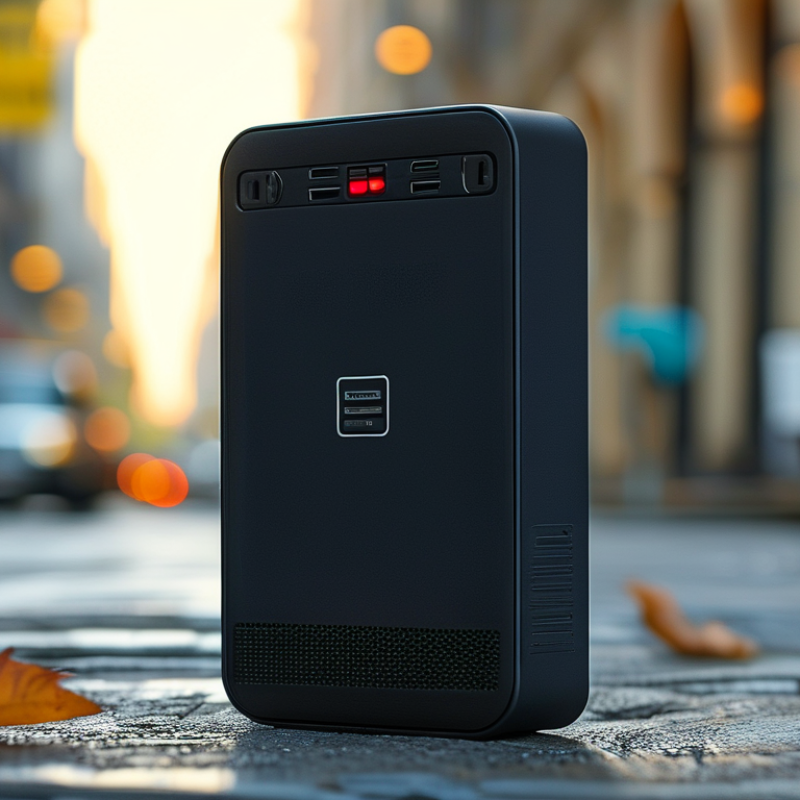
Top 10 Power Bank Chargers: Criteria for Selection Based on Capacity
When selecting a power bank charger, capacity is a key factor. A higher capacity means more charges for your devices. Generally, power banks range from 5,000 mAh to over 30,000 mAh. If you need to charge a smartphone multiple times, aim for at least 10,000 mAh. For tablets or other larger devices, consider a capacity over 20,000 mAh. These numbers can vary significantly based on your usage patterns.
It's essential to reflect on your needs. A powerful charger may seem appealing, but portability matters too. Larger capacity banks can become heavy and less convenient. Consider how often you’ll use it on the go. Some models are compact yet offer decent capacity. Also, think about charging speed. Fast output is beneficial if time is limited. Not all power banks provide this feature.
Assessing build quality is another crucial aspect. A reliable power bank should also have safety features like overcharging protection. Many inexpensive options may miss these important elements. Don't settle for just any charger; check user reviews and expert comparisons. Good choices balance capacity, speed, and safety. A careful evaluation can lead to a satisfying purchase.
Understanding the Importance of Battery Capacity: mAh Explained
When choosing a power bank, understanding battery capacity is crucial. The capacity of power banks is measured in milliamp hours (mAh). This metric defines how much charge a power bank can store. For instance, a power bank with 10,000 mAh can generally charge a smartphone two to three times, depending on the phone's battery size.
Research from industry experts indicates that 10,000 mAh is a popular choice for most users. It's compact enough for portability but powerful enough for daily use. However, many consumers overlook the efficiency factor. Not all mAh is usable due to energy loss during charging. Some studies suggest that actual capacity could be around 70-80% of the rated mAh, due to factors like heat and conversion inefficiencies.
You might find yourself facing an interesting dilemma. Sometimes, larger capacity power banks cost more and may be heavier to carry. A 20,000 mAh power bank appears appealing but can feel like a brick in your bag. The trade-off between capacity and portability deserves careful consideration. Furthermore, user reviews often highlight variability in charge speeds, which complicates your choices. Optimize your selection by considering not just capacity, but also the balance between features and your specific needs.
Top 10 Power Bank Chargers You Should Buy Now - Understanding the Importance of Battery Capacity: mAh Explained
| Power Bank Model |
Battery Capacity (mAh) |
Output Ports |
Fast Charging |
Weight (g) |
Price ($) |
| Model A |
20,000 |
2 |
Yes |
300 |
29.99 |
| Model B |
15,000 |
1 |
No |
250 |
19.99 |
| Model C |
10,000 |
2 |
Yes |
200 |
24.99 |
| Model D |
25,000 |
3 |
Yes |
350 |
39.99 |
| Model E |
8,000 |
2 |
No |
180 |
15.99 |
| Model F |
18,000 |
2 |
Yes |
320 |
34.99 |
| Model G |
12,000 |
1 |
No |
210 |
17.99 |
| Model H |
22,000 |
3 |
Yes |
400 |
44.99 |
| Model I |
5,000 |
1 |
No |
150 |
9.99 |
Fast Charging Technology: What to Look for in a Power Bank
When searching for a power bank, fast charging technology is vital. Look for features like Quick Charge or Power Delivery. These technologies allow your devices to charge significantly faster than standard chargers. A power bank with these capabilities can save you precious time on the go. Imagine needing a quick boost before a meeting or while traveling; fast charging can be a lifesaver.
Battery capacity is another key factor. A power bank with at least 10,000mAh can provide multiple charges for most smartphones. However, if you use power-hungry devices, consider options with higher capacities. This can be tricky. It’s easy to get lured by large numbers, but ensure the bank remains portable.
Also, take charging ports into account. Some chargers only feature one output. This limits flexibility. Choose a model with multiple ports for convenience. It might be tempting to overlook specifications like input/output rates, but don't. A well-rounded understanding enhances your choice greatly. A power bank’s efficiency can vary, so read user reviews for real-world experiences. Trusting your instincts is crucial.
Top 10 Power Bank Chargers - Charging Speed Comparison
Safety Features in Power Banks: An Industry Overview
When choosing a power bank, safety features are crucial. A quality power bank should incorporate mechanisms to prevent overheating, overcurrent, and overcharging. Many devices now come with built-in protection circuits. These circuits help to avoid short circuits, which can cause damage or even fire hazards.
Another critical aspect is the certification of these devices. Look for power banks that meet international safety standards. Certifications like UL, CE, or FCC can indicate a higher level of reliability. However, not all devices display these marks. This can reflect a need for better regulation in the industry.
It's essential to be aware of the potential risks. Some power banks lack adequate safety features, putting users at risk. Being informed helps consumers make safer choices. A well-informed decision can lead to a better experience and longer-lasting devices. When purchasing, consider not just capacity, but also safety certifications. Ignoring these elements can lead to regret later.
Market Trends: Popular Brands and Their Specifications in 2023
In recent years, the power bank market has seen explosive growth, driven by the increasing reliance on mobile devices. A report from Mordor Intelligence highlights that the global power bank market is projected to reach over $20 billion by 2026, growing at a CAGR of around 12%. Consumers now expect power banks to provide fast charging and high capacity.
Most modern power banks offer capacities between 10,000 mAh and 30,000 mAh. These ranges accommodate everyday needs, from quick top-ups to multiple device charges. Additionally, many models now include features such as LED indicators, USB-C ports, and wireless charging capabilities. The versatility is impressive, but some users still struggle to find the perfect match for their usage patterns.
Tips: Consider your daily device usage when selecting a power bank. If you often use multiple devices, opt for one with higher capacity and multiple outputs. Always verify the charging speed to ensure efficient performance. Look for user reviews to gauge reliability and effectiveness, as not every brand lives up to its claims. The market is expanding, yet many power banks still fall short in actual performance. Be critical in your evaluation.
FAQS
: Look for features that prevent overheating, overcurrent, and overcharging. Built-in protection circuits are essential.
Certifications like UL, CE, or FCC indicate compliance with safety standards, ensuring reliability and user safety.
Some may lack safety features, exposing users to overheating, short circuits, and potential fire hazards.
Consider your device usage. Capacities between 10,000 mAh and 30,000 mAh suit most needs.
Look for LED indicators, USB-C ports, and wireless charging capabilities for flexibility and convenience.
Reviews provide insights into reliability and actual performance, helping you avoid brands that overpromise.
Ensure the charging speed matches your needs. Some devices may underperform in real-life usage.
Yes, many power banks do fall short. Critical evaluation is necessary before purchasing.
Poor regulation may result in devices without necessary safety certifications, increasing user risks.
Research thoroughly. Cross-check safety features, certifications, and user feedback to make informed choices.
Conclusion
In the rapidly growing market of mobile accessories, choosing the right power bank charger is crucial for ensuring your devices stay charged while on the go. This article outlines the top 10 power bank chargers available, emphasizing the importance of various selection criteria. Key factors include battery capacity measured in mAh, which determines how much charge a power bank can deliver. Additionally, understanding fast charging technology is essential, as it can significantly reduce the time taken to recharge your devices.
Safety features also play a vital role, with many modern power banks incorporating safeguards against overheating, overcharging, and short circuits. As 2023 unfolds, market trends reveal a shift towards innovative options that meet consumer demands for efficiency and reliability. By considering these critical aspects, you can make an informed decision when purchasing a power bank charger, ensuring that your devices remain powered up wherever you are.

 Litongwei Electronic