Why Choose a Bms Lithium Battery for Global Sourcing?

Time:2026-10-01 Author:Charlotte
0%

Why Choose a Bms Lithium Battery for Global Sourcing?

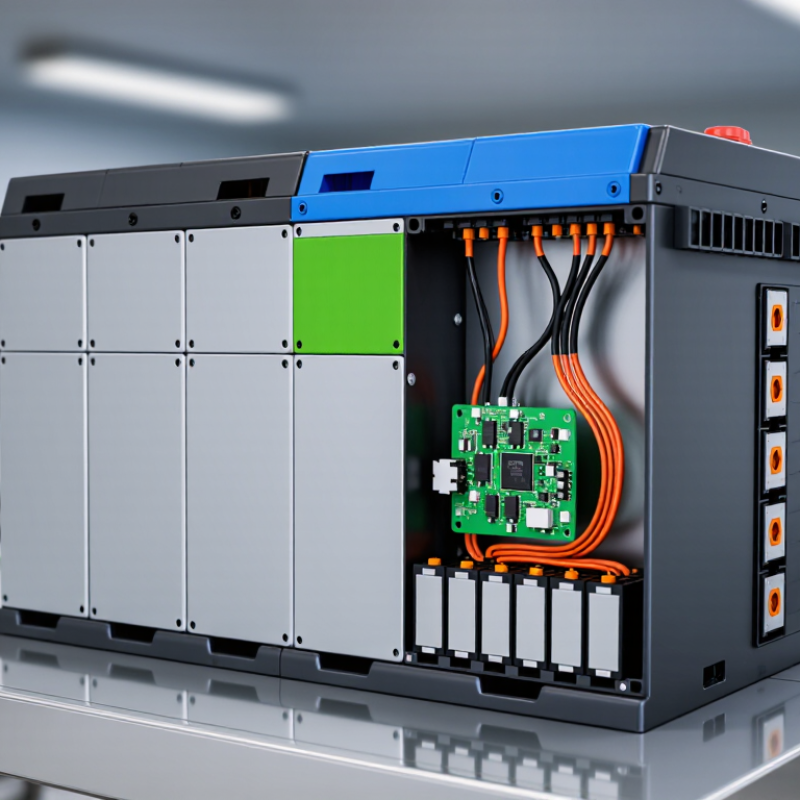
Global sourcing requires more than comparing battery prices. It requires confidence in safety, performance, documentation, and long-term supply. A Bms Lithium Battery combines lithium-cell energy density with a Battery Management System that monitors voltage, temperature, current, and charging conditions. That small circuit board can prevent overcharging, deep discharge, overheating, and uneven cell operation. It is not merely an accessory.

Professor John B. Goodenough, a pioneer of lithium-ion battery technology, said, “Lithium-ion batteries have revolutionized our lives.” His statement explains the technology’s broad influence, from warehouse equipment to solar storage and electric mobility. Yet, the cells alone do not guarantee dependable operation. The BMS remains critical. It acts like a quiet supervisor inside the pack.

For international buyers, this design offers practical advantages. Suppliers can provide traceable cell specifications, protection parameters, test reports, and production records. Buyers can also request cycle-life data under defined temperatures and load conditions. A reliable BMS should communicate clearly with chargers, inverters, or vehicle controllers. Compatibility matters.

Small details matter most.

A sourcing team should inspect connector quality, firmware logic, enclosure protection, and after-sales support. One weakness can affect the entire battery pack. Certification requirements also vary between markets, so professional verification remains necessary. No product is perfect. Even a well-designed Bms Lithium Battery may lose capacity in extreme heat, cold, or poor storage conditions. That limitation deserves honest discussion.

Choosing the right supplier means balancing cost with engineering evidence, safety controls, and consistent manufacturing. A cheaper battery may become expensive when failures, replacements, and delays appear. Reliable global sourcing begins with questions, not assumptions.
Why Choose a Bms Lithium Battery for Global Sourcing?

What Is a BMS Lithium Battery?

Why Choose a BMS Lithium Battery for Global Sourcing?

A BMS lithium battery is a lithium battery pack managed by a Battery Management System. The BMS is not the battery chemistry itself. It is the electronic control layer. It monitors cell voltage, pack current, and temperature during charging and use. If one cell rises too high, the system can stop charging. If the pack becomes too hot, it can limit or disconnect current. This protection helps reduce overcharging, deep discharge, overheating, and cell imbalance.

In practical sourcing, a reliable BMS should match the battery’s cell count, capacity, charging method, and operating environment. It may also provide balancing, short-circuit protection, and communication data. However, protection is not magic. A weak sensor, poor wiring, or incorrect settings can still create problems. A detailed datasheet may look convincing, yet real testing can reveal slower cutoff response or inaccurate temperature readings. Check sample packs under realistic loads, including cold starts and repeated charging. Confirm documentation, traceability, safety testing, and transport requirements for your target market.

Tips: Ask for the BMS cutoff values, balancing method, test records, and fault history. Test the complete pack, not only the cells. Small details matter.

Why Choose a BMS Lithium Battery for Global Sourcing?

What Is a BMS Lithium Battery?

A Battery Management System (BMS) monitors cell voltage, temperature and current, while helping prevent overcharge, over-discharge and excessive current. The chart compares commonly used typical single-cell voltage values for major lithium-ion chemistries. Exact limits may vary by cell design and supplier specifications, so the BMS should be configured for the selected chemistry.

How Does a BMS Lithium Battery Work?

Why Choose a BMS Lithium Battery for Global Sourcing?

How Does a BMS Lithium Battery Work?

A Battery Management System, or BMS, acts as the battery pack’s control center. It measures each cell’s voltage, current, and temperature through sensors and monitoring circuits. These readings help the system detect unsafe operating conditions during charging and discharging. The BMS can disconnect the pack when voltage rises too high or falls too low. It also limits current when a motor, charger, or load demands too much power.

Cell balancing is another important function. Lithium cells rarely age at exactly the same speed. One cell may reach its maximum voltage before the others. Passive balancing slowly releases a small amount of energy from that cell, usually through a resistor. This process improves usable capacity, although it can be slow. I have found that balancing cannot repair damaged cells. It only manages small differences.

The BMS also estimates state of charge by tracking current and voltage over time. That estimate becomes less accurate when temperature changes or cells age. A reliable design records faults, uses suitable temperature limits, and protects against short circuits. It should also match the cell chemistry, pack size, charger, and expected load. In practical sourcing work, specifications often look complete, but connector ratings and sensor placement need closer review. A BMS is not magic. Proper testing under real loads still matters.

What Advantages Does BMS Technology Provide?

Why Choose a BMS Lithium Battery for Global Sourcing?

A battery management system, or BMS, monitors each cell during charging and use. In battery integration work, this control layer often reveals problems before users notice them. It tracks voltage, current, temperature, and estimated charge levels. These readings support safer purchasing decisions across different supply chains.

Cell balancing is a key advantage. It helps keep individual cells closer in voltage, improving usable capacity and reducing stress. Protection functions can interrupt charging during overvoltage, overheating, or excessive current. A BMS may also limit deep discharge, which can extend battery service life. Small details matter.

Data supports better quality checks. Buyers can compare operating records, inspect fault histories, and identify unusual temperature changes. This is useful when products come from different factories or face changing transport conditions. Still, BMS readings are not magic. Poor calibration, weak wiring, or incorrect software settings can create false confidence. A reliable sourcing process should review BMS specifications, testing records, cell quality, and maintenance access. The protection system must match the battery chemistry, load profile, and intended environment. That step is sometimes rushed. It should not be.

Why Choose a BMS Lithium Battery for Global Sourcing? - What Advantages Does BMS Technology Provide?

Data Dimension BMS Function or Technical Data Practical Advantage for Global Sourcing Sourcing Verification Point
Cell voltage monitoring Measures individual cell or cell-group voltages and detects overvoltage or undervoltage conditions. Reduces the risk of cell damage caused by uneven charging or excessive discharge. Request the monitoring range, measurement accuracy, number of channels, and protection thresholds.
Overcharge protection Disconnects or limits charging when a cell or battery reaches its configured upper-voltage limit. Improves operational safety and helps prevent premature capacity loss. Confirm the protection set point, release condition, response time, and charger compatibility.
Over-discharge protection Stops discharge when cell voltage falls below the configured lower limit. Protects cells from irreversible damage and supports more consistent service life. Check the cutoff voltage, recovery voltage, load conditions, and low-temperature behavior.
Current measurement Uses a current-sensing circuit to monitor charge, discharge, short-circuit, and overcurrent events. Helps match battery protection to different equipment loads and regional operating conditions. Verify continuous current, peak current, peak duration, sensing accuracy, and protection delay.
Short-circuit protection Detects abnormal current rises and rapidly disconnects the battery circuit. Adds a critical layer of protection during installation, transport, and equipment faults. Ask for the short-circuit threshold, cut-off time, reset method, and test evidence.
Temperature monitoring Monitors cell, power-component, and ambient temperatures; charging can be restricted at low temperatures. Reduces thermal stress and supports safer use across different climates. Confirm sensor quantity, operating temperature range, charging lockout range, and thermal alarm limits.
Cell balancing Balances cell voltage differences, either through passive balancing or an active balancing design. Improves usable pack capacity and reduces imbalance-related early replacement. Request balancing type, start voltage, balancing current, and balancing conditions.
State of charge (SOC) Estimates remaining charge using current measurement, voltage data, temperature, and battery parameters. Provides clearer inventory planning, maintenance scheduling, and user-level energy visibility. Do not rely only on a headline accuracy value; review calibration method, load profile, and testing conditions.
State of health (SOH) Uses capacity, resistance, cycle, and operating data to estimate battery aging. Supports preventive maintenance and helps compare replacement timing across distributed markets. Confirm the SOH algorithm, data requirements, reset rules, and communication availability.
Communication interface Common interfaces include CAN, RS-485, UART, and, in some designs, wireless communication. Simplifies integration with chargers, inverters, vehicles, energy storage systems, and remote monitoring platforms. Confirm protocol, message map, baud rate, connector, cybersecurity controls, and firmware update method.
Data logging and traceability Can record alarms, cycles, maximum temperatures, voltage events, and operating history. Improves quality investigations, warranty analysis, and batch-level traceability. Check storage duration, downloadable fields, time-stamp accuracy, and data ownership.
Transport compliance A BMS supports battery protection, but it does not replace required transport testing and documentation. Reduces shipping delays and documentation risks when sourcing across borders. For applicable lithium batteries, verify current UN 38.3 test-summary availability and shipment classification.
Product safety standards The BMS is evaluated as part of the battery system’s safety design and protection architecture. Makes technical qualification more consistent across target countries and applications. Identify the applicable market and product category; standards may include IEC 62133-2, IEC 62619, or UL 1973 where relevant.
Customization capability Protection limits, communication settings, connectors, enclosure design, and firmware parameters can be tailored to the system. Supports regional voltage, capacity, climate, installation, and regulatory requirements without changing the complete system architecture. Require a controlled specification, revision history, sample approval process, and change-notification procedure.
Lifecycle and service support Firmware diagnostics, alarm codes, and service data can assist troubleshooting and maintenance. Reduces technical support costs for international deployments and helps standardize field service. Evaluate spare-part availability, firmware version control, repair procedures, technical documentation, and long-term support commitments.

Note: BMS functions, protection limits, communication features, certifications, and performance values vary by cell chemistry, pack design, application, and target market. Final qualification should be based on application-specific testing and applicable regulations.

What Should Global Buyers Consider When Sourcing?

Why Choose a BMS Lithium Battery for Global Sourcing?

Global buyers should assess more than cell capacity and purchase price. A battery management system monitors voltage, temperature, current, and state of charge. It can reduce risks from overcharging, overheating, and uneven cell performance. The International Energy Agency reported that electric vehicle battery demand exceeded 750 GWh in 2023, rising by about 40%. This growth increases pressure on supply consistency and technical verification. A BMS lithium battery offers better data visibility across warehouses, vehicles, and field applications.

What should buyers check?

Confirm the cell chemistry, usable capacity, cycle-life test method, and operating temperature range. Ask for traceability records, production samples, and independent safety test reports. IEC 62133-2 and UN 38.3 are useful reference points, but compliance depends on the complete battery system. The BMS firmware also matters. Poor calibration can create false warnings or hide real thermal problems. A low quotation may exclude testing, software updates, after-sales support, or replacement procedures. That is where budgets become unclear.

Tips: Request a sample batch before signing a large contract. Compare measured capacity with the supplier’s specification. Review BMS fault logs under cold and hot conditions. Check warranty terms by cycle count and calendar time. Do not rely on certificates alone. Ask who controls firmware changes and who owns the test data. IEA data supports demand growth, but forecasts can change. Buyers should leave room for that uncertainty.

Which Industries Use BMS Lithium Batteries?

Why Choose a BMS Lithium Battery for Global Sourcing?

BMS lithium batteries serve transport, renewable energy, telecommunications, medical equipment, and warehouse operations. Electric vehicles remain their most visible market. The International Energy Agency reported nearly 14 million electric car sales in 2023, representing about 18% of global car sales. Each vehicle needs accurate monitoring for cell voltage, temperature, current, and state of charge. A reliable BMS can reduce overheating risks and support longer battery service.

Energy storage is another fast-growing application. The IEA’s Batteries and Secure Energy Transitions report states that global battery storage additions reached about 42 GW in 2023. Solar farms, commercial buildings, and remote microgrids use BMS lithium batteries to balance variable power. Telecom systems also depend on them during outages. Forklifts and automated warehouse vehicles benefit from quick charging and stable output. Medical mobility devices need lighter packs, but safety and traceability matter more than headline capacity. Marine equipment uses lithium systems too, although saltwater exposure creates extra design demands.

Real-world sourcing is less tidy. A cheaper pack may fail in cold warehouses or under uneven charging. Tips: request thermal test records, cycle-life data, cell traceability, and protection settings. Match the BMS to the charger and operating temperature. Do not judge quality from capacity alone. Field experience suggests installation errors still cause avoidable failures. The supplier should explain alarms in plain language and provide service procedures. Some specifications remain uncertain until testing begins, so pilot samples deserve serious attention.

FAQS

What does a BMS do in a lithium battery pack?

A BMS monitors cell voltage, current, and temperature. It acts like the pack’s control center. It can disconnect charging or discharging during unsafe conditions. Small sensors matter.

How does a BMS protect against overcharging and overheating?

The system compares live readings with configured safety limits. It can stop charging when voltage becomes too high. It can also reduce current or disconnect the pack during overheating. Settings must match the battery chemistry.

What is cell balancing?

Cell balancing reduces voltage differences between individual cells. One cell may fill earlier than its neighbors. Passive balancing releases a small amount of energy through a resistor. It is slow. It cannot repair damaged cells.

Can a BMS improve battery service life?

It may reduce stress from deep discharge, excessive current, and high temperature. That protection can support longer service life. Results still depend on cell quality, charging habits, and operating conditions. The BMS is not magic.

How accurate is the battery charge estimate?

A BMS estimates charge by tracking current and voltage over time. Temperature changes and cell aging can reduce accuracy. A displayed percentage may look precise while remaining imperfect. Testing helps reveal the difference.

What should global buyers check before sourcing a BMS battery?

Check cell chemistry, usable capacity, cycle-life methods, and operating temperatures. Review production samples and traceability records. Ask for independent safety test reports and fault histories. A low price may exclude important support.

Why should buyers test sample batches?

Sample testing compares measured capacity with the supplied specification. Buyers can inspect fault logs under cold and hot conditions. They can also review connectors, wiring, and sensor placement. Paperwork alone is not enough.

Which BMS details deserve extra attention?

Review firmware control, calibration, current ratings, and temperature limits. Confirm who approves firmware changes. Check warranty terms by cycle count and calendar time. Some specifications look complete. They may not be.

Conclusion

A Bms Lithium Battery combines lithium-ion cells with a Battery Management System that monitors voltage, temperature, current, and overall battery condition. This integrated system helps balance individual cells, prevent overcharging and excessive discharge, control operating temperatures, and improve safety and reliability. By managing battery performance in real time, BMS technology can extend service life, support stable power delivery, and reduce maintenance risks for both manufacturers and end users.

For global buyers, sourcing decisions should consider capacity, cycle life, charging requirements, protection functions, certifications, quality consistency, and compatibility with the intended equipment. Suppliers should also provide clear technical documentation, testing data, packaging information, and dependable after-sales support. Bms Lithium Battery solutions are widely used in electric mobility, renewable energy storage, backup power systems, industrial equipment, telecommunications, and portable electronics. Selecting the right configuration enables businesses to achieve safer operation, stronger performance, and greater long-term value across international markets.


Charlotte

Charlotte

Charlotte is a seasoned marketing professional with a deep understanding of the company's portfolio and a passion for elevating its presence in the market. With a keen eye for detail and a commitment to excellence, she ensures that our professional blog is regularly updated with insightful articles......