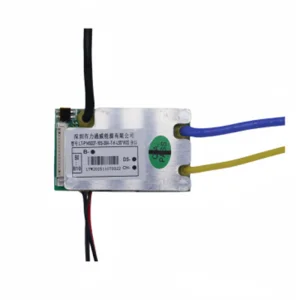
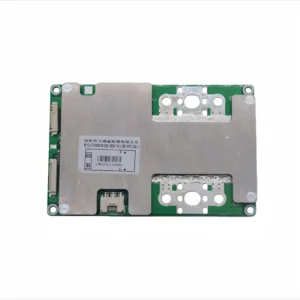
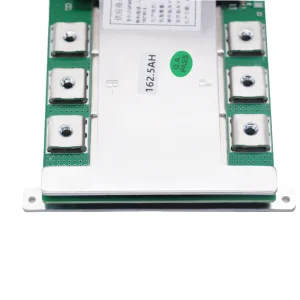
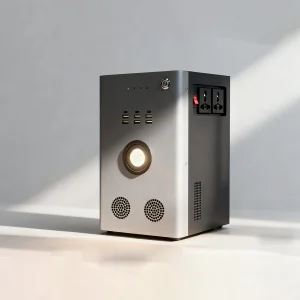
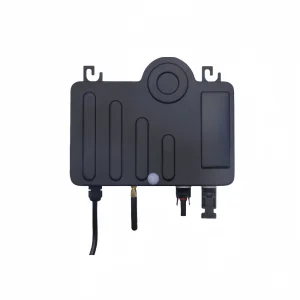
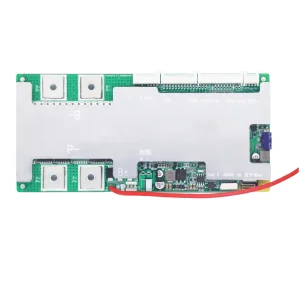
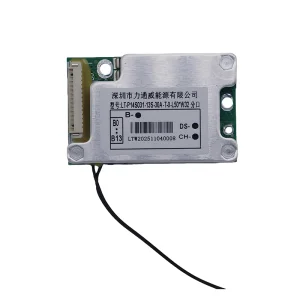
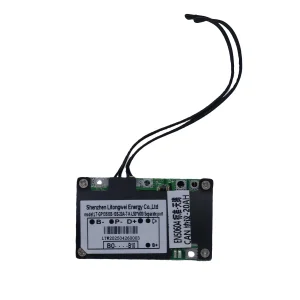
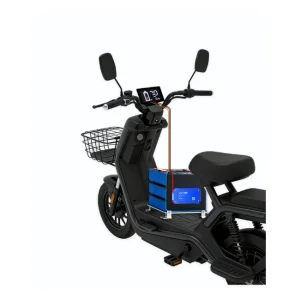
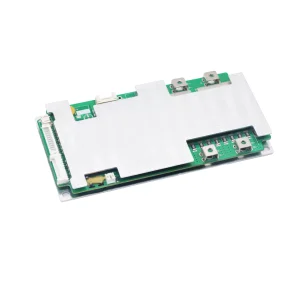
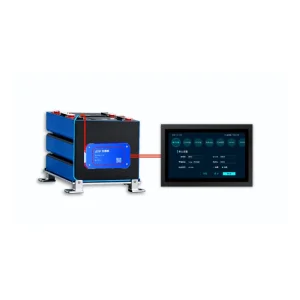
Explore our leading selection of custom battery management boards, intelligent protection systems, and high-efficiency bidirectional storage units.
Analyzing the integration of low-voltage safety standards and high-reliability lithium iron phosphate chemistry across global industrial sectors.
Modern LTE and 5G communication towers require reliable backup systems. Integrating a 48V BMS with active temperature regulation and remote telemetry ensures uninterruptible service, shielding components against grid fluctuations.
Decentralized solar battery walls benefit from 48V/51.2V systems. Our customizable BMS supports seamless interface integration with top micro-inverters, maximizing home balcony and building energy yields.
Forklifts, autonomous mobile robots (AMRs), and golf carts demand high transient discharges. A customized BMS dynamically manages these surge currents while maintaining real-time CAN/RS485 diagnostics.
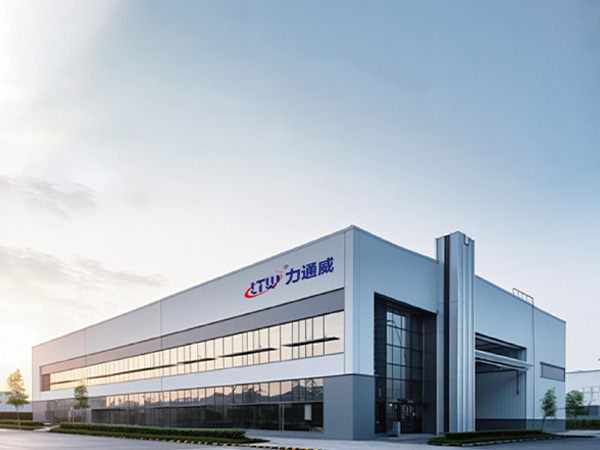
Established in 2005, Shenzhen Litongwei Electronic Technology Co., Ltd. is recognized as a leading national high-tech enterprise dedicated entirely to the research, development, and manufacturing of state-of-the-art lithium-ion safety control systems. Over nearly two decades of technological iteration, we have delivered tailored BMS engineering to clients spanning the 3C digital, light-electric transit (e-scooters, electric bicycles, tricycles, golf carts), AGV, drone, and professional power tools industries.
Our operational ethos hinges on resolving critical client pain points by providing comprehensive intellectual property protection through patent collaborations, implementing cost-effective shared industry-standard boards, establishing full-process MES product traceability, and deploying smart cloud monitoring platforms for remote diagnostics.
A continuous path of engineering excellence and digital manufacturing transformation.
Inception of R&D for digital Battery Management Systems (BMS) in 2005. Expanded into power battery management system development in 2006. Attained ISO9001 certification in 2007, followed by ISO14001 certification in 2009, reinforcing a strong commitment to quality management systems.
Secured 8 core utility model and design patents in 2011. Established the dedicated Litongwei Technology Research Institute in 2012. Honored with the Del New Energy Quality Excellence Award in 2014, and acknowledged as Gaogong Lithium Battery's Gold Partner in 2015.
Systematic digital upgrade in 2016. Successfully achieved compliance with the automotive-grade IATF16949 certification in 2018. Integrated the MES (Manufacturing Execution System) for automated warehousing. Received the Guangdong Battery Industry Association Innovation Award in 2019.
Executing the "Smart Manufacturing+" strategy. Litongwei leverages industrial Internet of Things (IoT), big-data analytics, and Industry 4.0 techniques to construct resilient 48V smart BMS units featuring cloud connectivity, Bluetooth parameters monitoring, and active thermal management.
A comprehensive breakdown of structural hardware, algorithms, and communications required for industrial operations.
| Functional Parameter | Standard Specification Range | Litongwei Customizable Advanced Options | |
|---|---|---|---|
| Series Configuration | 13S, 15S, 16S, 20S, 23S | Custom cascaded multi-series configurations up to 24S / 48S | Active cell balancing circuits up to 2.0A, smart dynamic algorithms |
| Balancing Current | Passive (30mA - 100mA) | Advanced active energy transfer balancing (1A - 3A) | Reduces cell-to-cell capacity variance, extends cycle life by 15-20% |
| Overcharge Protection | 3.65V ± 0.025V | Custom threshold configuration via BLE/RS485 software | High precision voltage ADC sensing preventing localized dendritic formation |
| Over-Discharge Protection | 2.50V ± 0.05V | Programmable low-power sleep mode (<100μA) | Preserves cells from deep degradation during prolonged system downtime |
| Thermal Integration | 2 to 4 NTC channels | Up to 8 independent multi-point NTC channels with heater control | Dynamically activates battery heating films for low-temperature operation |
| Communication Protocol | UART / I2C / SMBus | Dual CAN 2.0B, RS485, Modbus, Bluetooth 5.0, IoT LTE-M | Integrates with industrial motor drivers and telecom power shelves |
Standard passive balance configurations dissipate excess charge as heat, which risks thermal buildup in sealed cases. Litongwei's proprietary active balance circuits shift charge from higher-voltage cells to lower ones dynamically, boosting usable capacity and system safety.
LiFePO4 chemistry performs poorly below freezing, running risk of lithium plating during sub-zero charges. Our advanced heating-enabled board range (e.g. LTW 20S 120A, LTW 23S 60A with heat) uses heating elements to warm cells to safe ranges prior to charging.
We integrate high-current transient MOS setups, analog secondary hardware protective fuses, and firmware control layers. This keeps your system safe during severe external shorts, limiting risks of damage or fire.
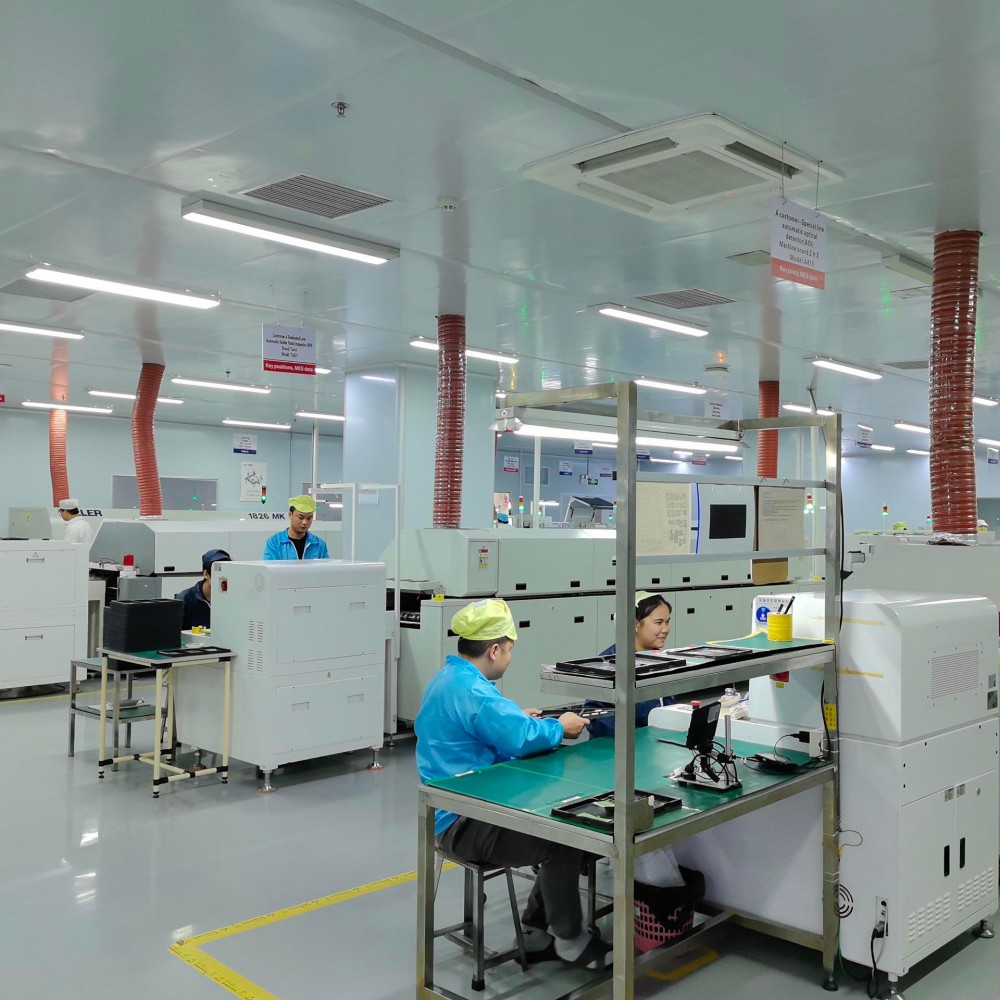
Manufacturing high-reliability BMS products requires absolute control over variables. Litongwei operates dual modern production facilities. Our core facility in Shenzhen covers 13,000 square meters of space, backed by an expansive 27,000 square meter manufacturing campus in Huangjiang, Dongguan.
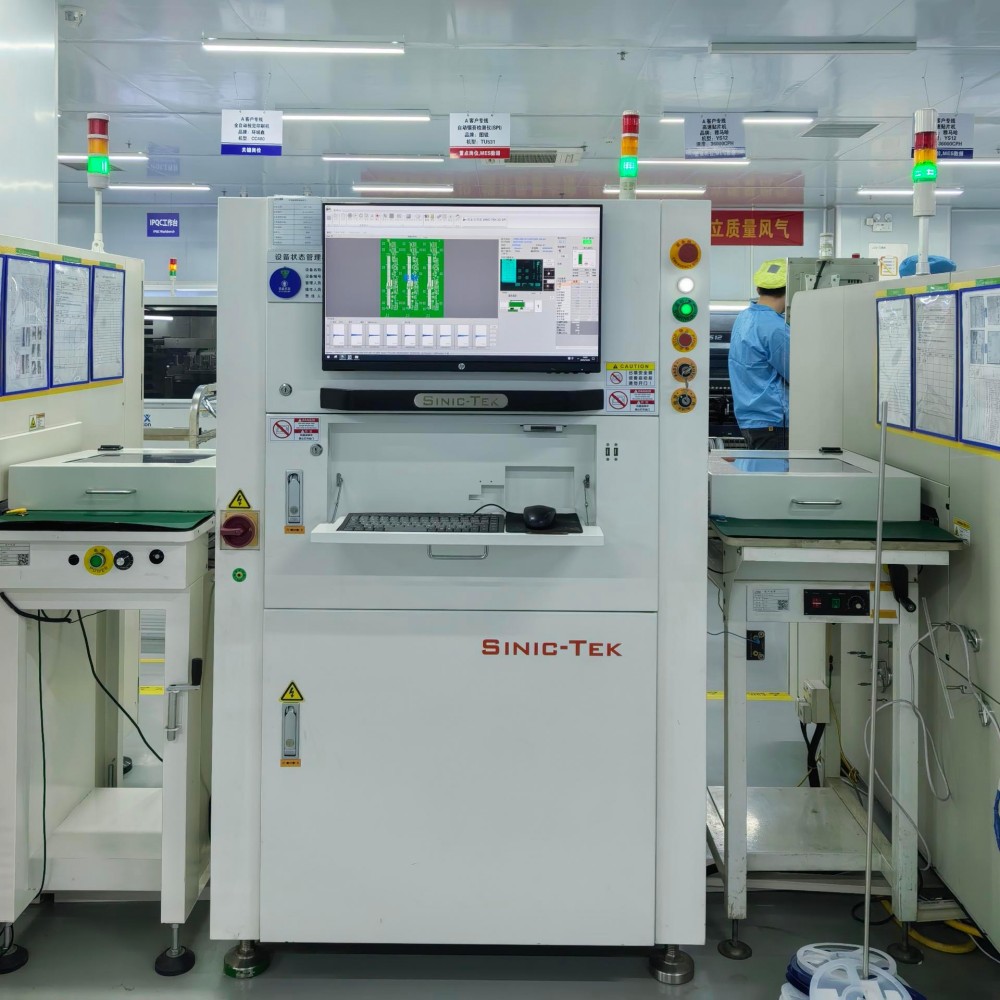
Equipped with 24 high-speed pick-and-place (SMT) machines, automated optical inspection (AOI) lines, and 12 high-capacity PCBA assembly lines, we achieve a stable monthly output exceeding 15 million units.
Through the deployment of our automated Warehouse Management System (WMS) and Manufacturing Execution System (MES), every single component used on a board is recorded, logged, and linked to its test log. This complete traceability lets us identify and resolve component issues quickly, ensuring our clients receive robust products.
Ensuring certifications, intellectual property, and expert support are in place to clear barriers for global market access.
Global expansion requires strict patent compliance. We work closely with our partners on collaborative patent filings, protecting proprietary designs and minimizing legal risk in international markets.
Litongwei BMS designs conform to the industry's strict certifications, including IATF16949 (Automotive), ISO9001 (Quality), ISO14001 (Environment), CE, FCC, RoHS, and safety compliance benchmarks.
We provide remote cloud diagnostics and on-demand technical support. Our engineers assist your team with system integration, inverter communication protocols, and parameter optimization.
Litongwei's performance and service quality have fostered long-standing relationships with leading industrial brands and global technology providers.
Adapting to the future of energy storage with IoT, Machine Learning, and Solid-State architectures.
Traditional Coulomb counting methods suffer from drift over time. Our future roadmap integrates Kalman Filter algorithms and machine learning edge models on MCU chips to estimate SOC and SOH with errors below ±1%, even under harsh load shifts.
Leveraging integrated IoT modems, our next-generation BMS platforms stream telemetry directly to a centralized cloud. This allows operators to track remote fleets, analyze degradation patterns, and perform firmware updates over-the-air (OTA).
As mobile and industrial platforms demand higher safety ratings, we are expanding our custom architecture designs to meet ISO 26262 ASIL-B and ASIL-C standards. This ensures high reliability and protection against random hardware failures.
Expert answers to common engineering questions regarding the selection, integration, and deployment of custom BMS solutions.
Select from our certified range of electric vehicle controllers, smart display units, and active BMS protection boards.
 Litongwei Electronic