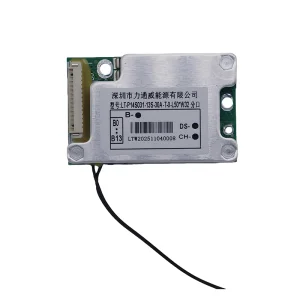
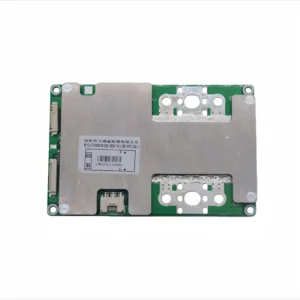
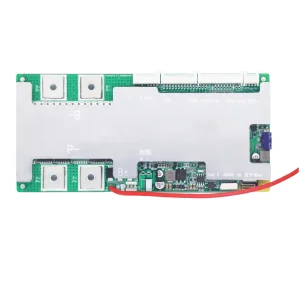
Engineered with smart protection protocols, high-precision thermal monitoring, and industry-proven safety controllers.
The critical subsystem determining the functional safety, optimal performance, and operational lifespan of electric vehicle powertrains.
Modern international EV programs require strict adherence to international functional safety standards, notably ISO 26262 (up to ASIL-D levels) and IEC 61508. These regulations govern systematic hardware architecture validation, software diagnostic coverage, and automated fail-safe overrides. Additionally, UNECE R136 and UL 2580 standards govern compliance for light electric two-wheelers and automotive traction battery packs. Custom BMS manufacturers must offer verified verification pathways—such as Hardware-in-the-Loop (HIL) testing and advanced environment chambers—to assure global OEMs of field reliability.
Why leading global EV brands choose Chinese BMS engineering and manufacturing facilities to drive hardware cost down and speed-to-market up.
A National High-Tech Enterprise Pioneer in Intelligent Lithium-Ion Safety Control Systems Since 2005.
We offer comprehensive intellectual property protection and actively engage in collaborative patent strategies to safeguard our clients' custom designs against domestic and international infringement risks.
To optimize project budgets, we supply pre-engineered, modular shared boards that reduce initial tooling costs, shorten engineering lead times, and accelerate product commercialization.
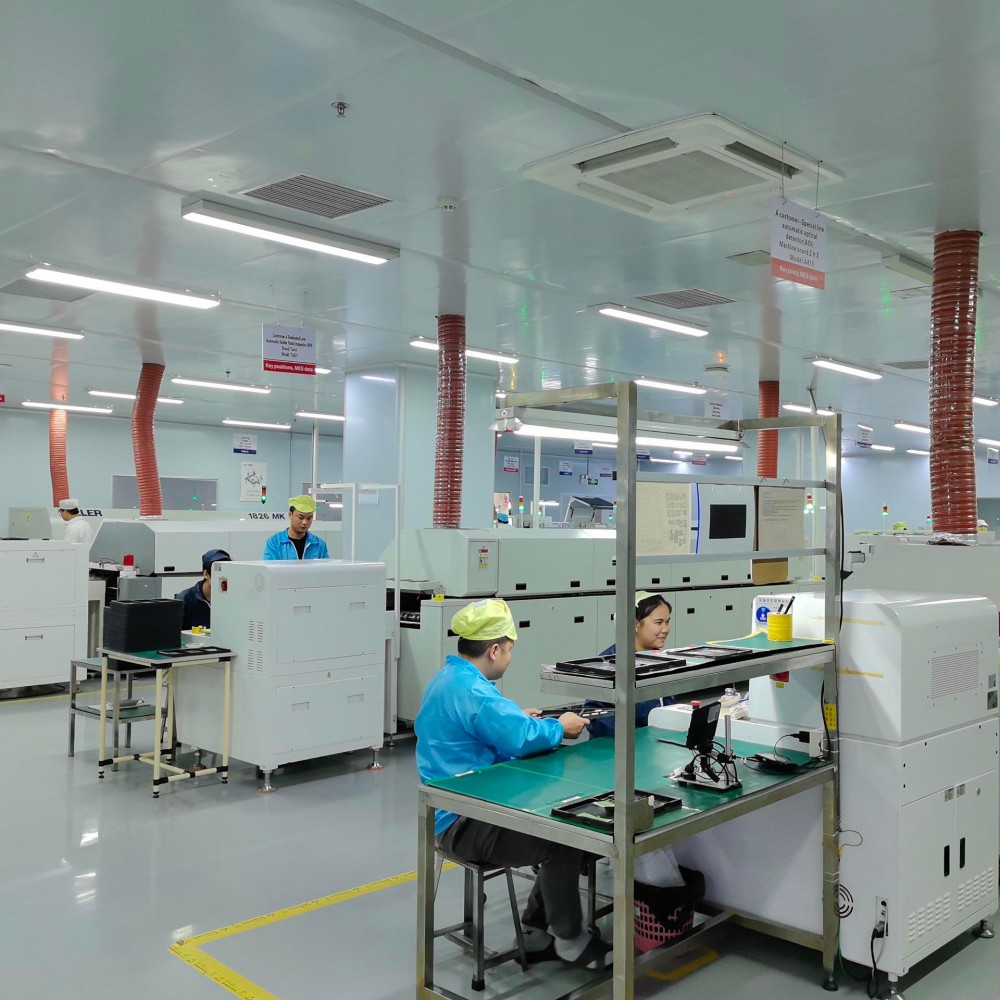
Through our deployed Manufacturing Execution System (MES), every PCBA unit is logged with a unique identifier. This enables full-lifecycle traceability of components, processing parameters, and quality metrics.
We integrate remote maintenance and OTA firmware upgrades via proprietary cloud connectivity, enabling operators to diagnose battery health, track location, and update safety thresholds remotely.
A chronicle of technological milestones, quality certificates, and global scaling.
Foundations in BMS Innovation: Shenzhen Litongwei commenced dedicated R&D in digital Battery Management Systems (BMS) in 2005. Expanding rapidly, the engineering team pivoted into power battery management systems in 2006. Production scaling was accompanied by ISO9001 certification in 2007, and ISO14001 environmental management system certification in 2009.
IP Building & Research Focus: In 2011, the company expanded by securing 8 utility model and design patents while building dedicated mobile power bank manufacturing lines. The Litongwei Technology Research Institute was founded in 2012 to research advanced safety algorithms. The company won the Del New Energy Quality Excellence Award in 2014 and was named Gold Partner by Gaogong Lithium Battery in 2015.
Automotive Grade Quality (IATF 16949): To support automotive partners, Litongwei upgraded its ISO certifications in 2016 and secured the IATF 16949 automotive certification in 2018. During this phase, it launched a proprietary MES system for factory-wide automation. Recognition followed with the Guangdong Battery Industry Association Innovation Award in 2019, followed by leadership validation in 2020 as a dominant brand in lithium battery protection board technology.
Smart Manufacturing & Industry 4.0: Litongwei entered the IoT-driven BMS era. Embracing Industry 4.0, the company integrated cloud-computing, real-time wireless diagnostics, and predictive algorithms into high-voltage traction packs, driving smart transformation for electric vehicles and energy storage worldwide.
From urban micro-mobility to industrial material handling and drone telemetry.
Urban commuter networks require micro-mobility solutions to withstand extreme environments, such as rainy seasons and winter sub-zero temperatures. Litongwei's custom 13S to 20S smart BMS variants are designed with NTC-based thermal monitoring, waterproof conformal coatings, and anti-reverse charging circuits to withstand heavy daily use.
Warehouse logistics platforms demand continuous duty cycles with brief rapid-charging windows. Our custom high-current (up to 200A) protection boards integrate active cell balancing and CAN communication, allowing AGV controllers to manage load profiles dynamically and extend battery pack lifespans.
Aerial systems depend on high discharge rates and low system weights. Litongwei's ultra-lightweight custom protection boards feature high-precision Coulomb counters to calculate Remaining Flying Time and prevent power failure during flight.
Off-grid environments place high physical stress on battery hardware. Our custom BMS solutions incorporate high shock resistance, integrated Bluetooth modules for real-time mobile app tracking, and active heaters to ensure efficient low-temperature charging.
Commercial and industrial energy storage systems require robust multi-tier BMS architectures. We supply custom master-slave configurations that coordinate several battery stacks in parallel, protecting the grid connection via Modbus or RS485 communication protocols.
Technical checkpoints and quality assurance steps that global EV procurement managers prioritize.
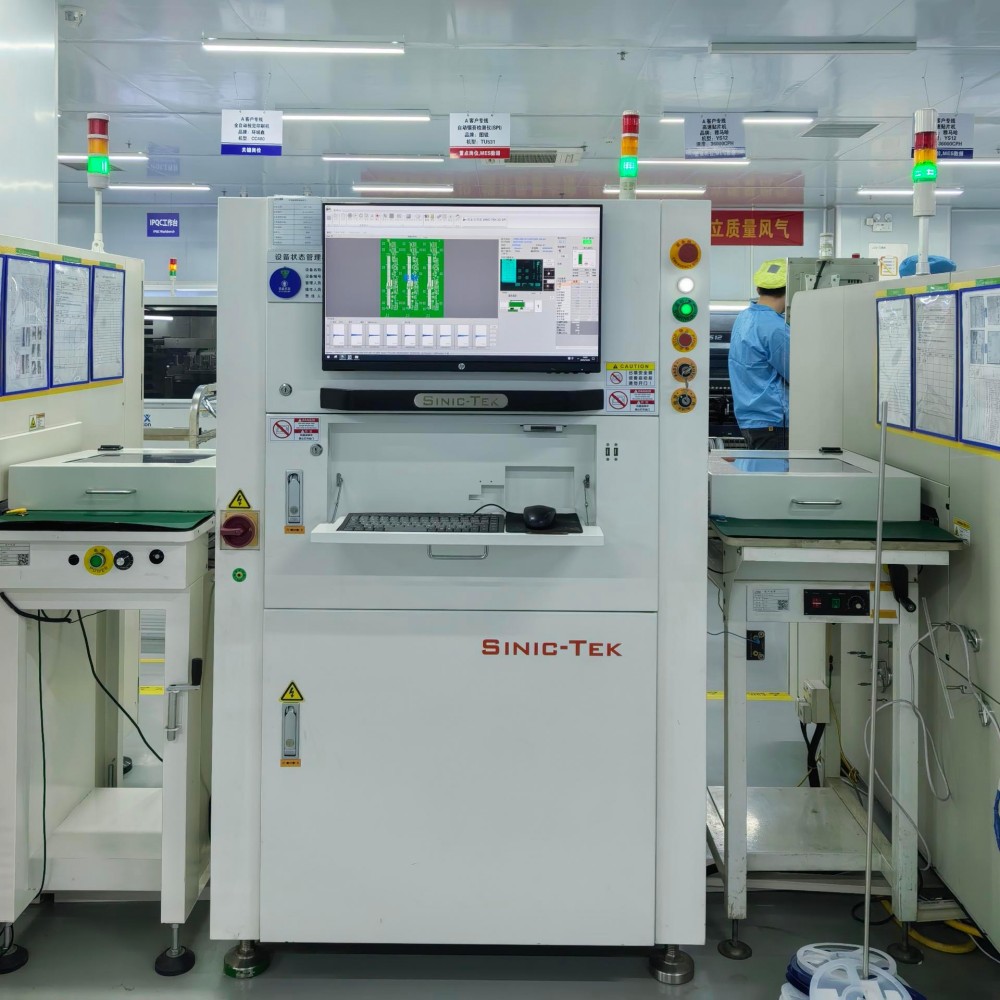
A strong partner must offer: (1) 100% automated optical inspection (AOI) and end-of-line functional verification; (2) environmental stress screening (ESS), including temperature cycling and vibration tests; (3) clear intellectual property and layout ownership terms; and (4) secure cloud APIs and OTA firmware support for remote field diagnostics.
Next-generation trends that are defining the future of high-voltage battery intelligence.
By streaming battery parameters—such as cell voltages, temperatures, and current loads—to secure cloud databases, machine learning algorithms can predict degradation patterns and thermal anomalies before they occur. This predictive capability shifts safety strategies from reactive hardware shut-offs to proactive cloud alerts.
Eliminating physical wiring harnesses inside the high-voltage battery pack reduces weight, creates space for additional active material, and simplifies assembly. Wireless networks using secure automotive-grade protocols improve overall system reliability by removing physical connectors prone to failure under vibration.
Unlike passive balancing, which dissipates excess energy from high cells as heat, active balancing transfers charge between cells throughout the charge and discharge cycles. This reduces energy waste, controls temperatures, and maximizes the pack’s usable capacity over time.
Expert technical insights to address common design, sourcing, and implementation questions.
Standard protection boards are built with generic threshold tolerances that cannot be adjusted to meet specific system requirements. A custom BMS allows you to optimize over-current limits, charge-discharge curves, and cell chemistry parameters (such as LFP vs. NMC). Custom designs also support specific mechanical layouts, communication networks (like CAN/Bluetooth/RS485), and advanced functional safety features tailored to your application.
IATF 16949 is the global quality standard for the automotive industry. It requires strict process control, structured risk assessment (DFMEA/PFMEA), regular calibration of test equipment, and full traceability. For buyers, sourcing from an IATF 16949 certified factory like Litongwei ensures consistent product quality and minimizes the risk of production variations.
Anti-reverse charging is controlled by dedicated MOSFET switches and analog sensing loops. When the system detects a negative terminal voltage or reverse current, it turns off the charge control path within microseconds. This fast isolation prevents electrical damage, protects internal components, and keeps the battery pack safe.
Our smart BMS models support CAN bus (such as CAN 2.0B and CAN FD), RS485, UART, Modbus, and Bluetooth. The communication protocol can be customized to match your vehicle's ECU or display module, allowing for real-time monitoring of voltage, current, temperature, and diagnostics.
We use a centralized Manufacturing Execution System (MES) to track production from SMT placement to final assembly. Each PCBA is marked with a unique laser-etched QR code that links to component batches, solder paste inspection (SPI) data, reflow oven temperature profiles, and final functional test results.
Explore our technical portfolio of intelligent protection boards and energy management assemblies.
Collaborating with global technology leaders to deliver robust electronic safety architectures.













A look inside our high-speed, automated production lines and testing facilities.
 Litongwei Electronic