Explore our premium selection of custom intelligent battery protection boards, bidirectional micro-inverters, and power bank solutions engineered for extreme efficiency and reliability.
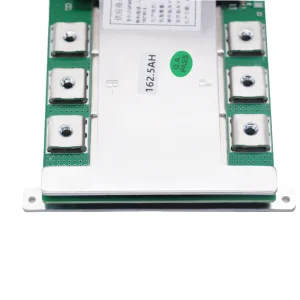

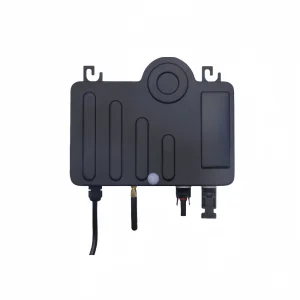
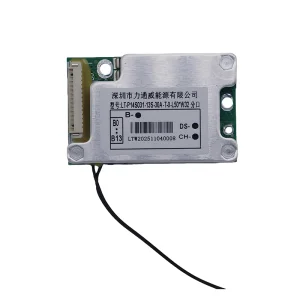
As global carbon neutrality targets accelerate, the transition toward electrified transport, utility-scale energy storage, and industrial robotics has redefined the requirements of lithium-ion battery architectures. At the heart of this revolution is the Battery Management System (BMS). While traditional passive BMS technologies manage cells by burning off excess energy as heat, modern grid infrastructure and heavy e-mobility applications require advanced, dynamic, and loss-minimized energy distribution. This is where Active Balancing BMS architectures step forward as the ultimate technological differentiator.
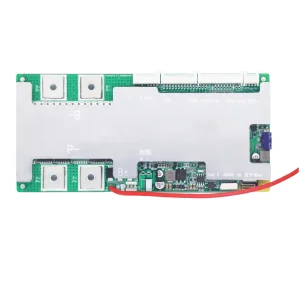
An active balancing system transfers energy from higher-voltage cells to lower-voltage cells within a pack, eliminating thermal waste and significantly lengthening both system runtime and cell lifecycle. For global enterprises looking for a Custom BMS Active Supplier & Company, the decision is no longer just about procuring protective electronics; it is about establishing a technological partnership that encompasses algorithmic safety, hardware reliability, intelligent Cloud-IoT tracking, and full compliance with strict localized standards.
Dynamically redistributes charge between cells instead of dissipating it as heat. Boosts overall system capacity efficiency by up to 98% and extends the operational lifespan of high-density battery packs.
Integrates localized multi-point NTC temperature sensors and algorithmic shut-off mechanics to detect localized micro-shorts and prevent critical thermal runaway events before they occur.
Real-time parameter uploading (SOC, SOH, cell voltages, temperature profiles) via integrated Bluetooth, CAN, 4G, and GPS telemetry for predictive maintenance and remote OTA system tuning.
High-performance energy systems require tailored safety and balancing algorithms. Litongwei designs specialized BMS solutions that address the unique environmental, load, and dynamic cycling demands across key macro industries globally.
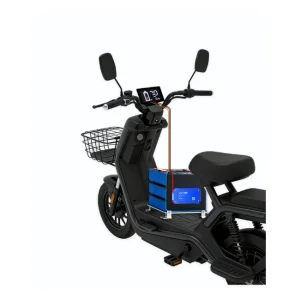
From e-bikes and electric motorcycles to golf carts and multi-terrain tricycles, our BMS architectures guarantee stable output even under high vibration. Utilizing NTC thermistors and custom anti-reverse charging paths, we maximize rider safety while maintaining high peak discharge rates.
Automated Guided Vehicles (AGVs) in automated warehouses run on continuous shift cycles. Litongwei's custom BMS allows fast-charging profiles and incorporates high-accuracy State of Charge (SOC) tracking, helping facility managers avoid unscheduled operational downtime.
For communication base stations and off-grid home energy storage systems (BESS), reliability is paramount. Our BMS units feature integrated RS485, CAN bus, and Bluetooth protocols, enabling operators to remotely monitor backup battery arrays in real-time, reducing field maintenance costs.
The global market for advanced Battery Management Systems is witnessing an unprecedented CAGR shift. As gigafactories expand globally, OEM/ODM services are evolving. Standard off-the-shelf boards no longer suffice for system integrators who must fit battery packs into compact, highly irregular chassis designs while keeping thermal dissipation at absolute minimums.
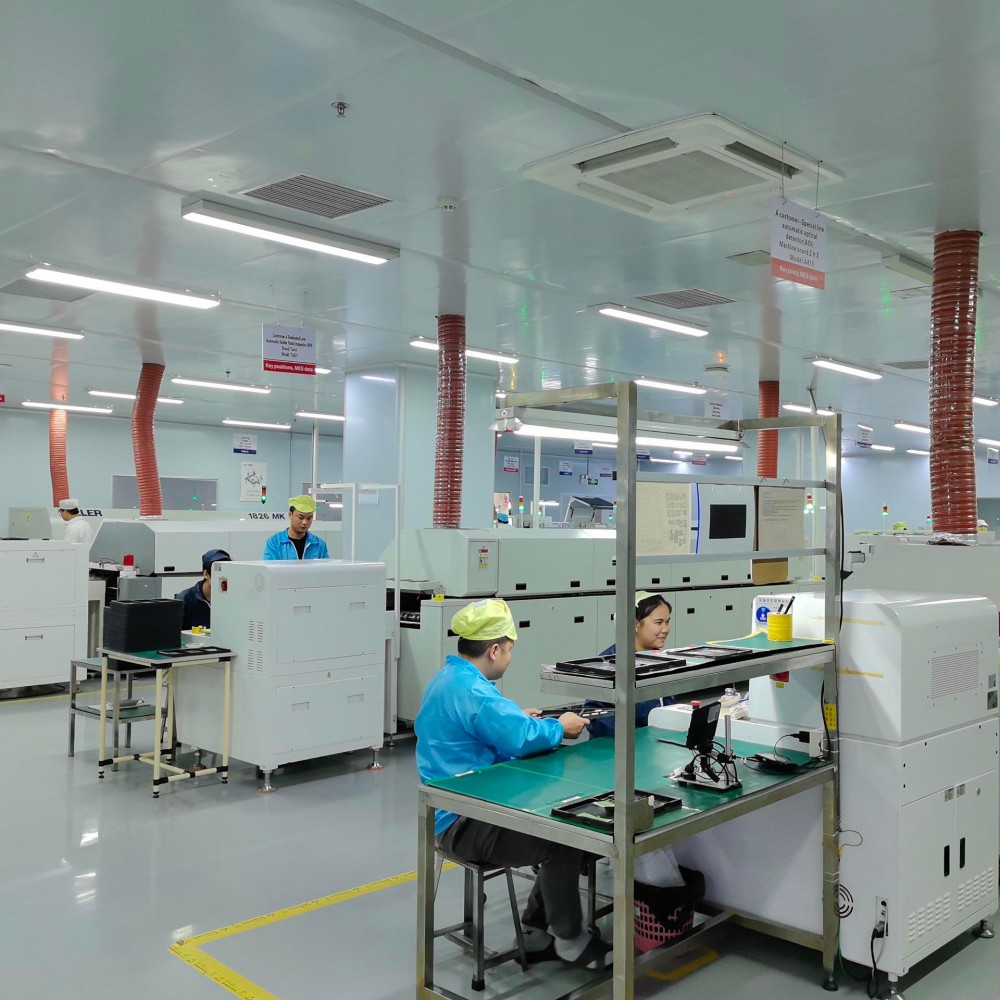
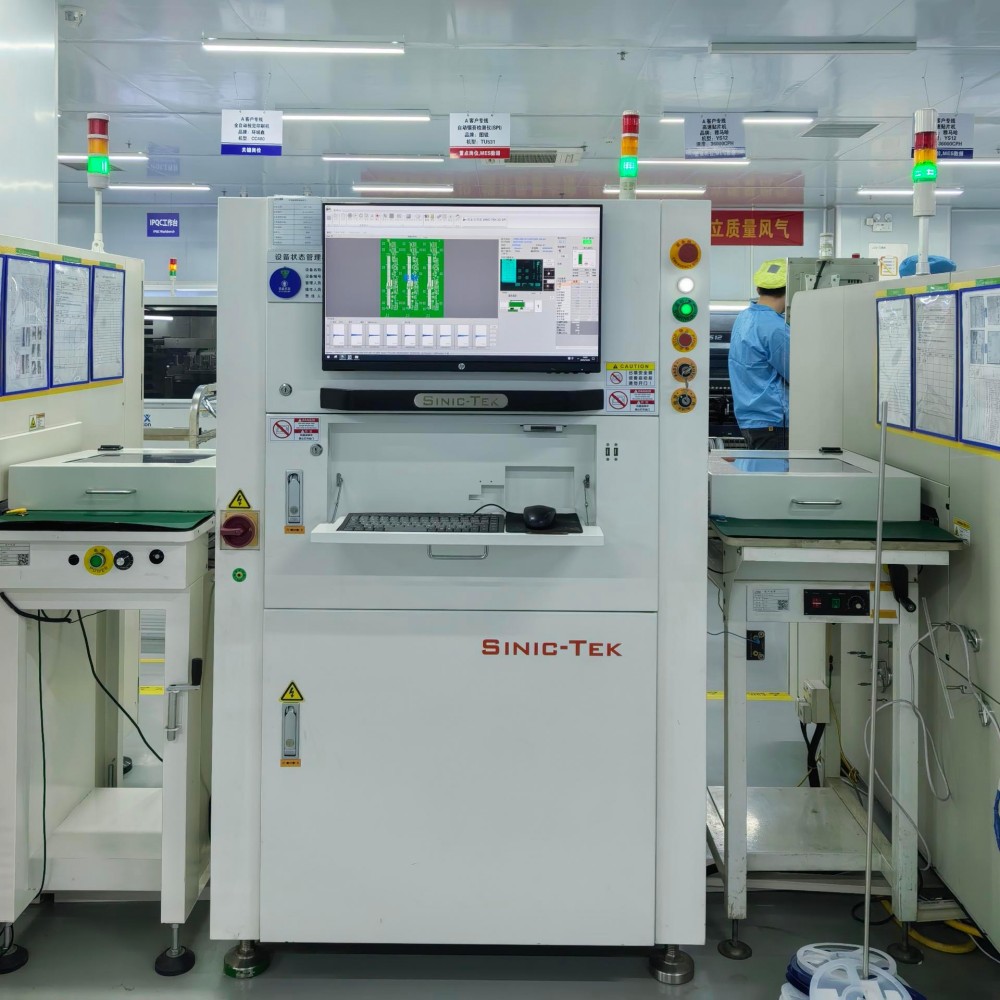
Currently, international buyers face severe supply chain bottlenecks, safety-compliance disparities, and IP protection anxieties. Developing a reliable BMS demands intense capital, dedicated chip allocation, and rapid prototyping capabilities. The industry is separating basic suppliers from strategic long-term manufacturers who possess in-house SMT capacity and automated MES tracking system controls. In this competitive landscape, the focus is transitioning from low-cost boards to optimized lifecycles, ensuring a much lower Total Cost of Ownership (TCO).
Established in 2005, Shenzhen Litongwei Electronic Technology Co., Ltd. is a national high-tech enterprise specializing in the R&D and manufacturing of lithium-ion safety control systems. Over the past two decades, we have dedicated ourselves to solving critical challenges for our clients, offering intellectual property protection (patent collaboration to prevent infringement), industry-standard shared boards (cost reduction and efficiency improvement), full-process traceability (quality control), and remote cloud maintenance. By integrating smart IoT platforms, we help our partners address hardware reliability, software algorithm design, and global supply chain logistics.
Technology-driven growth. In 2005, the company commenced R&D and manufacturing of digital Battery Management Systems (BMS). By 2006, it expanded into power battery management system development. ISO9001 certification was obtained in 2007, followed by ISO14001 certification in 2009.
Technological advancement. Secured 8 utility model and design patents in 2011, while expanding mobile power bank manufacturing. The Litongwei Technology Research Institute was established in 2012. We received the Del New Energy Quality Excellence Award in 2014 and earned the Gold Partner title from Gaogong Lithium Battery in 2015.
Digital transformation. Upgraded ISO 9001 and ISO14001 certifications in 2016, achieved IATF16949 certification in 2018, and implemented an MES system for warehouse automation. Litongwei was awarded the Guangdong Battery Industry Association Innovation Award in 2019 and recognized as a leading brand in lithium battery protection board technology for two-wheeled vehicles in 2020.
Smart Manufacturing+. Litongwei Electronics continues to innovate, deepening its technological expertise while embracing IoT and Industry 4.0. Through its Smart Manufacturing+ strategy, the company drives industrial transformation and upgrading.
Corporate Vision: Start with LITONGWEI! To become a provider of intelligent green energy management solutions, embracing environmental sustainability.
Litongwei's partners include Huawei, Lenovo, Desay, Guoguang, Sunwoda, Eve Energy, Guoxuan High-tech, and other industry brand clients who have collaborated for many years.













Operating in international markets means satisfying stringent local regulatory frameworks. Litongwei's operations are deeply integrated with global quality management standards, holding certifications including ISO9001, ISO14001, and the automotive sector's prestigious IATF16949 certification. This makes our design and manufacturing processes fully compliant with the high-reliability safety cycles required by European, American, and Asian power grid operators and vehicle manufacturers.
For EU customers, our products comply with CE, RoHS, and WEEE directives, ensuring eco-friendly materials and design safety. In the North American market, our custom BMS boards are designed to assist clients in passing UL1973, UL2271, and UL2580 evaluations effortlessly. By addressing electromagnetic compatibility (EMC) testing requirements early during the custom PCBA design stage, we minimize certification times for our clients' products, giving them a distinct time-to-market advantage.
Strict automotive-grade quality control processes ensure long-term durability and safety for commercial electric vehicles.
Pre-engineered circuit structures designed to easily pass North American UL and European CE safety standards.
Active patent sharing and custom layout isolation protect your proprietary software and hardware IP from infringement.
A full Manufacturing Execution System tracks every component from initial SMT placement through final testing.
As AI chips shrink and battery chemistry advances toward Solid-State architectures, the future BMS must transcend basic protection. At Litongwei, our technology roadmap focuses on three main developments:
1. Artificial Intelligence on the Edge (Edge AI): Integrating lightweight machine learning models directly into our BMS microcontrollers. This allows real-time calculation of State-of-Health (SOH) and prediction of cell degradation based on dynamic usage patterns rather than static tables.
2. Wireless BMS (wBMS): Eliminating bulky wiring harnesses inside heavy battery arrays. This not only reduces vehicle weight by up to 15% but also simplifies packing density, making installation and secondary battery recycling significantly cleaner.
3. Cloud-Connected Battery Twin: In coordination with our remote maintenance platform, we are establishing dynamic digital twins in the cloud. By cross-analyzing fleet performance data, we can push Over-The-Air (OTA) parameter updates to adjust charge/discharge thresholds, maximizing active performance throughout changing seasons.
Explore further custom battery management units, IoT locators, heating protection systems, and high-performance inverters below.
 Litongwei Electronic