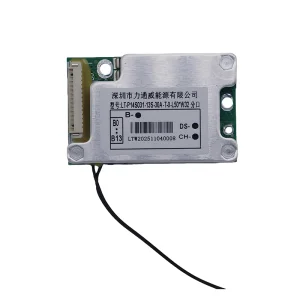
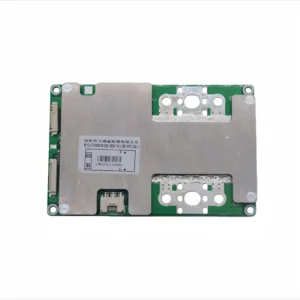
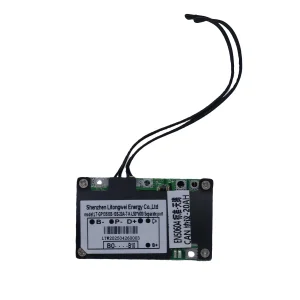
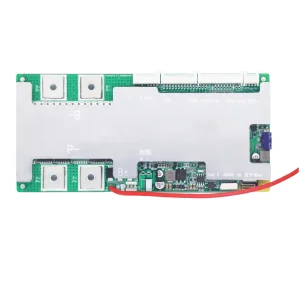
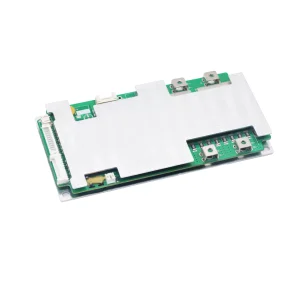
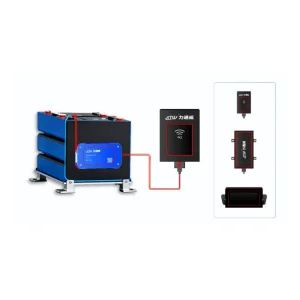
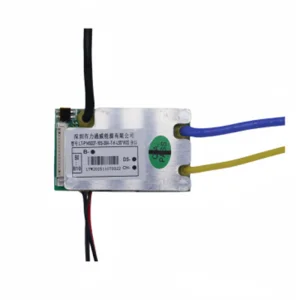
High-precision safety controllers engineered with advanced communication and automated failure protection.
An industry whitepaper on engineering redundancies, compliance standards, and supply chain scalability in high-performance lithium protection systems.
In the rapidly transforming light electric vehicle (LEV) sector, the battery management system (BMS) has progressed from a simple hardware-level overcurrent safety switch to the central digital intelligence of the powertrain. As cities prioritize micromobility and green transit systems, global requirements for high-density, multi-cell battery packs have escalated significantly. Today's global manufacturers and fleet managers cannot rely on generic off-the-shelf protection circuits. Standardized platforms fall short when subjected to high thermal cycling, dynamic regenerative loads, and strict compliance tests such as EN 15194 and UL 2271.
A true custom BMS must optimize safety, longevity, and structural efficiency simultaneously. By matching customized firmware parameters to specific cell chemistries (NMC, LFP, or Sodium-ion) and motor controller limits, designers can extract maximum performance while preventing premature capacity degradation. Advanced features like CAN-bus/Bluetooth protocols, real-time State-of-Charge (SoC) tracking, and passive cell balancing are essential to meeting these goals.
"Modern battery safety is not just about shutting down during a fault; it is about predictive parameter monitoring, active system health tracking, and robust environmental resilience. Our engineering standards guarantee structural isolation and thermal protection under real-world usage scenarios."
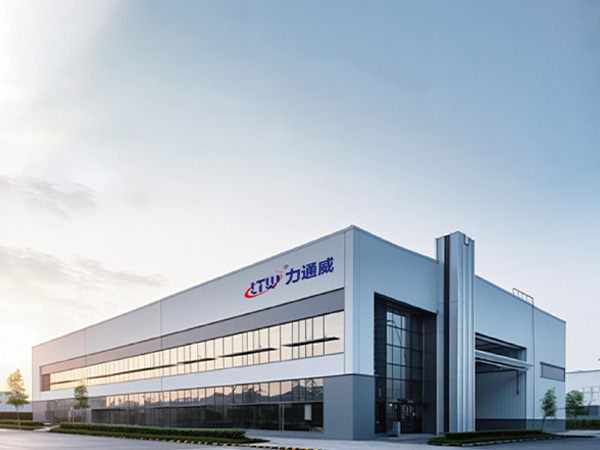
As a leading national high-tech enterprise, Shenzhen Litongwei Electronic Technology Co., Ltd. (established in 2005) has pioneered R&D for specialized lithium safety platforms. Through intensive development and integration of hardware and software, we provide a complete suite of battery safety solutions. These systems safeguard operations across diverse LEVs, digital consumer products, AGVs, micro-inverters, and smart backup systems worldwide.
Shenzhen Litongwei Electronic Technology Co., Ltd., established in 2005, is a recognized national high-tech enterprise specializing in the R&D and manufacturing of lithium-ion safety control systems. Over nearly two decades of focus, our products have become widely integrated into 3C digital devices, electric scooters, bicycles, motorcycles, tricycles, golf carts, AGVs, drones, and power tools.
We solve technical, cost, and operational challenges for international buyers by offering:
By prioritizing long-term partnerships, high-quality components, and rigid internal standards, we work alongside leading global clients to build a safer, more sustainable green energy ecosystem.

Every custom BMS we build is backed by redundant hardware protection, precise measurement chips, and advanced communications protocols.
Multi-channel NTC thermistors monitor cells, charge paths, and MOSFET arrays. Dynamic overcurrent, short-circuit, and cell imbalance triggers keep systems safe.
Seamless communication interface options including CAN 2.0B, RS485, SMBus, I2C, and Bluetooth BLE. Full telemetry reporting of voltage, current, SoC, and SoH.
Advanced balancing algorithms ensure all cell series stay aligned during charging, maximizing pack cycle life and preventing capacity loss.
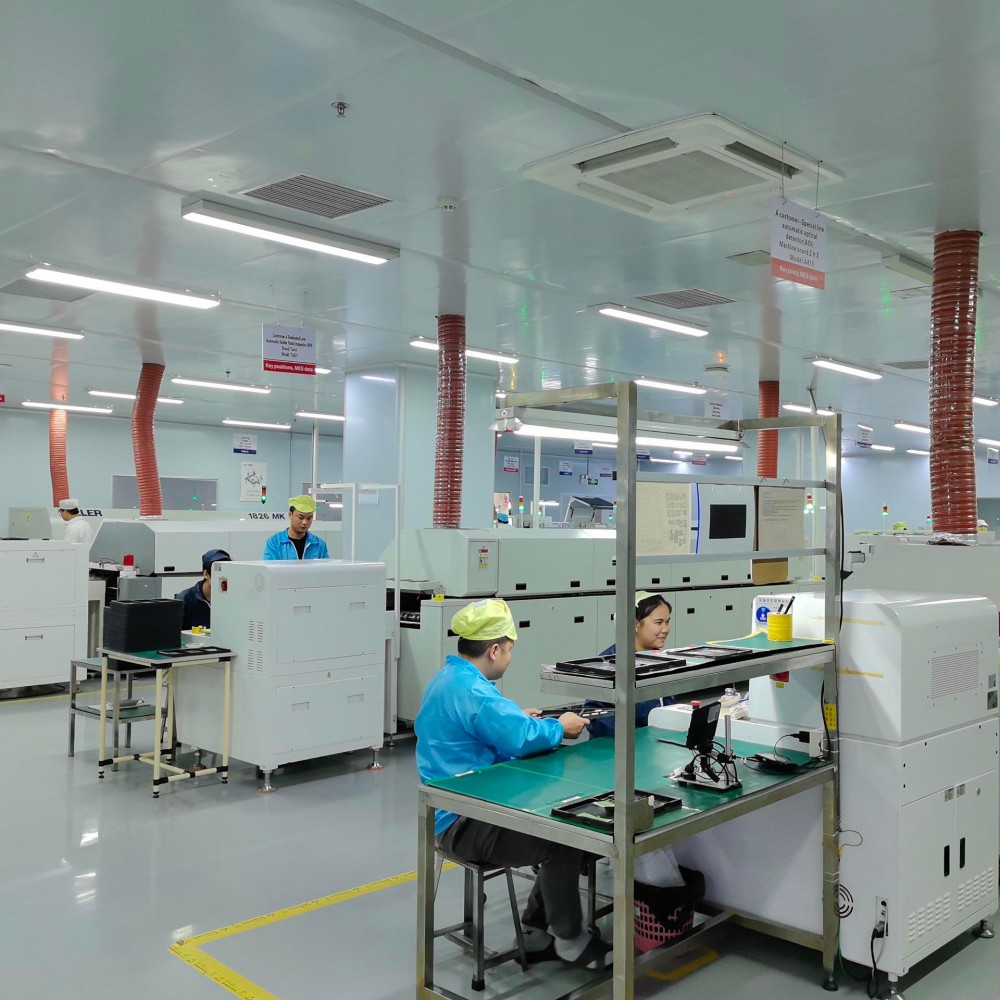
The manufacturing of reliable battery management systems requires deep supply integration, high automation, and extensive testing capabilities. Shenzhen and Dongguan form the world's most advanced cluster for electronics and lithium-ion batteries. This ecosystem enables rapid component sourcing, immediate prototype cycles, and highly efficient manufacturing processes.
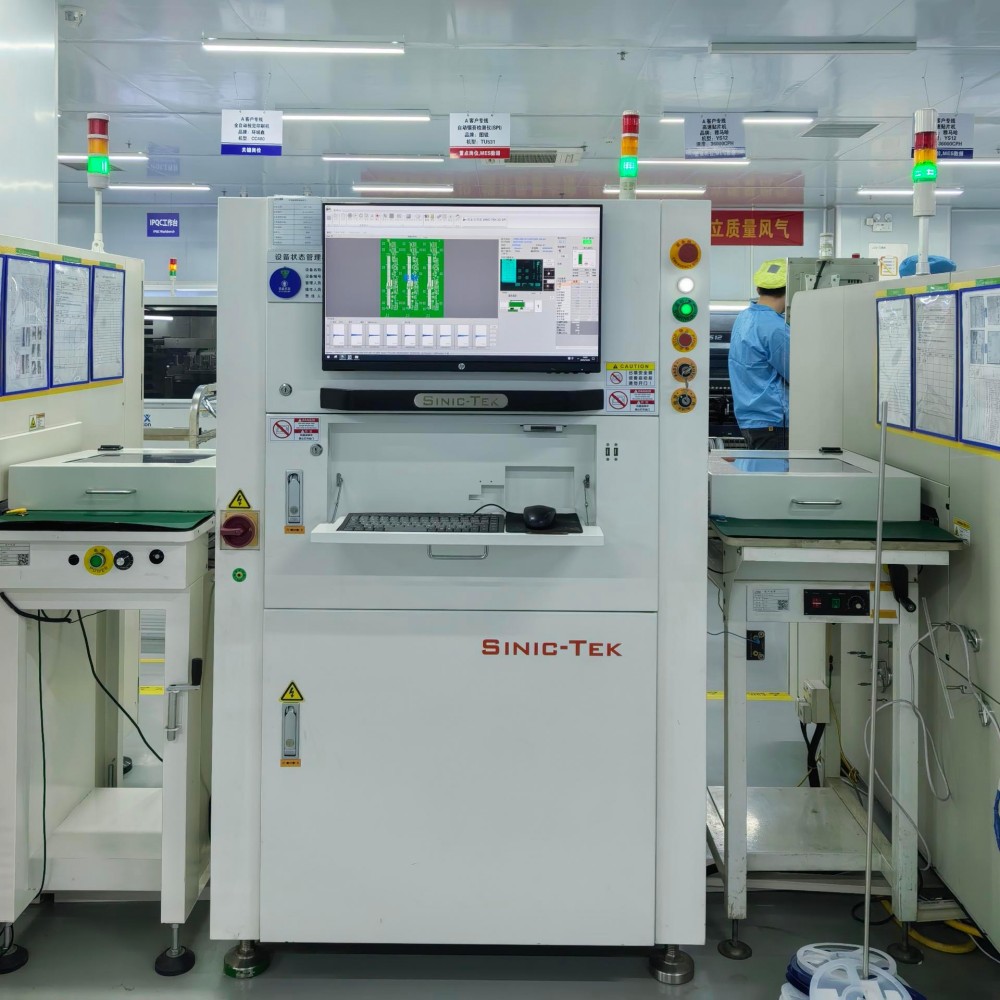
At Litongwei, we leverage this geographic advantage to deliver scalable, high-quality production. Our facilities feature advanced SMT lines, SPI visual solder inspection, multi-zone reflow ovens, AOI testing, and conformal coating lines to protect circuits against moisture, dust, and vibration.
Through close integration with domestic component suppliers and specialized testing labs, we deliver world-class products at lower manufacturing costs, supporting your business's path to scale.
"Technology as King, Efficient Service. We aim to become a leading provider of intelligent green energy management solutions, prioritizing quality and environmental sustainability."
Navigating certifications, liability, and functional safety standards across North American, European, and Asia-Pacific markets.
For international buyers, importing battery components requires meeting strict regulatory standards. Electric bicycles (E-bikes) and electric kick scooters are subject to rigorous safety rules designed to prevent thermal runaway and fire hazards in urban centers.
In the United States and Canada, certifications like UL 2849 (for electrical systems in e-bikes) and UL 2271 (for batteries used in light electric vehicles) are standard requirements. Our BMS designs integrate secondary overvoltage protection, physical fuses, and isolated control loops to meet these certification guidelines, helping you pass third-party testing with confidence.
Under the European standard EN 15194, e-bikes are classified as EPACs (Electrically Power Assisted Cycles). This standard demands robust electromagnetic compatibility (EMC), functional safety limits on speed sensor feedback, and cell-level voltage monitoring. Our custom CAN-bus solutions communicate directly with standard European motor systems to satisfy EN 15194 compliance requirements.
Beyond hardware regulatory compliance, enterprise buyers require comprehensive product lifecycle tracking. Through our cloud maintenance options, technical support teams can analyze battery health, evaluate real-world usage patterns, and push OTA firmware updates. This proactive approach helps resolve potential issues remotely and minimizes product returns.
Our systems are engineered to power diverse industries with reliable and specialized safety controls.
Equipped with 4G GPS tracking, anti-reverse charging circuits, and heavy vibration resistance. Designed to handle high-current fast charging and withstand outdoor weather conditions.
Supports multi-BMS parallel connection, active cell balancing, and CANopen/Modbus communication. Enables automated warehouse robots and AGVs to operate continuously with minimal downtime.
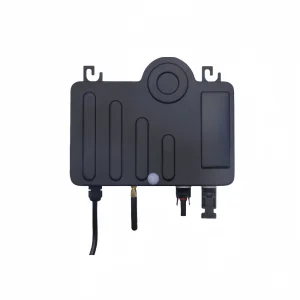
Designed for integration with high-efficiency micro-inverters. Features an IP67 rating for outdoor durability, precise dual charging control, and thermal heating options for sub-zero environments.
A journey of innovation, reliability, and growth in the lithium-ion safety management industry.
Technology-Driven Growth: The company commenced R&D and manufacturing of digital Battery Management Systems (BMS) in 2005. By 2006, it expanded into power battery management system development. ISO9001 certification was obtained in 2007, followed by ISO14001 certification in 2009.
Technological Advancement: Securing 8 utility model and design patents in 2011, the company also expanded mobile power bank manufacturing operations. The Litongwei Technology Research Institute was established in 2012. It received the Del New Energy Quality Excellence Award in 2014 and earned the Gold Partner title from Gaogong Lithium Battery in 2015.
Digital Transformation: The company upgraded its ISO9001 and ISO14001 certifications in 2016, achieved IATF16949 certification in 2018, and implemented an MES system for warehouse automation. It was awarded the Guangdong Battery Industry Association Innovation Award in 2019 and recognized as a leading brand in lithium battery protection board technology for two-wheeled vehicles in 2020.
Smart Manufacturing+: Litongwei Electronics continues to innovate, deepening its technological expertise while embracing IoT and Industry 4.0. Through its Smart Manufacturing+ strategy, the company drives industrial transformation and upgrading.
Collaborating with global brands and technology leaders to advance energy management solutions.
Litongwei's partners include Huawei, Lenovo, Desay, Guoguang, Sunwoda, Eve Energy, Guoxuan High-tech, and other industry brand clients who have collaborated for many years.












Technical answers regarding custom battery management systems, factory customization, and compliance certifications.
Advanced heating protection, custom Bluetooth interfaces, GPS integration, and low-power consumption boards.
 Litongwei Electronic