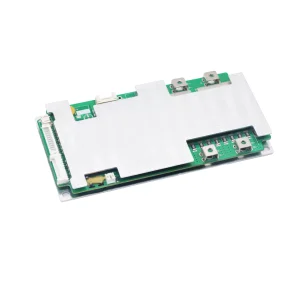
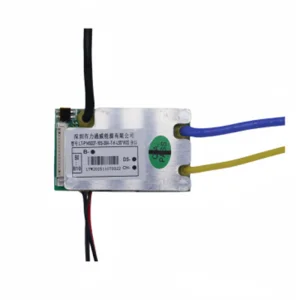
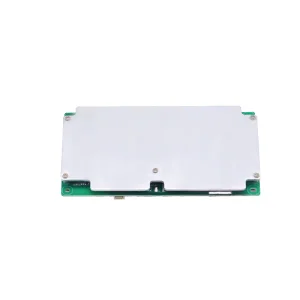
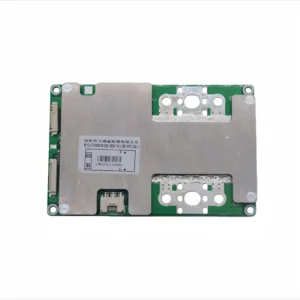
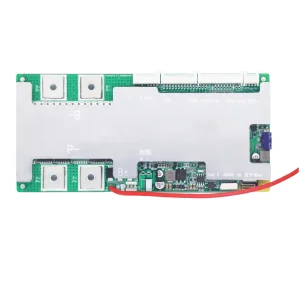
Explore our top-tier battery protection and energy storage boards, precision-engineered to secure battery longevity and efficiency.
A deep dive into structural safety, active balance engineering, and high-performance energy architecture design for global system integrators.
Lithium Iron Phosphate (LiFePO4) has emerged as the premier chemistry for stationary and motive energy storage due to its exceptional thermal stability and long cycle life. In a nominal 48V system, a 16S (16 cells in series) topology is globally recognized as the optimal configuration. Compared to 15S setups, a 16S configuration yields a nominal voltage of 51.2V and a peak charging voltage of 58.4V. This aligns perfectly with international low-voltage safety directives (SELV < 60V DC) while offering compatibility with existing standard 48V solar inverters and telecommunication power systems.
Long-term battery performance is constrained by individual cell capacities. Without balancing, the weakest cell limits the entire pack. Litongwei designs both passive and high-current active balancing algorithms. Passive balancing bleeds off excess charge through bypass resistors (typically 30mA to 100mA) during the CV phase. Our advanced active balancing topology redistributes energy dynamically from stronger to weaker cells during both charge and discharge cycles, saving up to 95% of wasted thermal dissipation and maximizing pack capacity utilization.
Determining the State of Charge (SOC) and State of Health (SOH) of LiFePO4 cells is challenging due to their flat voltage curve. Litongwei integrates extended Kalman filtering (EKF) and open-circuit voltage tracking algorithms directly into our microcontrollers. By continuously analyzing charge/discharge curves, internal resistance variation, and ambient temperature deviations, our BMS yields an SOC estimation accuracy with under 3% margin of error over thousands of cycles.
| Parameter Profile | Standard Hardware Specifications | Smart Customization Options |
|---|---|---|
| Nominal Battery Voltage | 48V / 51.2V DC (16 Cells in Series) | Customizable for 15S (48.0V) configurations |
| Continuous Discharge Current | 60A / 100A / 120A / 150A | Scaling up to 250A with enhanced cooling plates |
| Over-Charge protection threshold | 3.65V ± 0.025V per cell | Adjustable via Bluetooth/CAN-Bus software |
| Over-Discharge protection threshold | 2.50V ± 0.05V per cell | Programmable from 2.0V to 2.8V |
| Communication Protocols | UART, RS485 | CAN-bus, Bluetooth, Wi-Fi, Modbus, SNMP |
| Thermal Sensors (NTC) | 2 Built-in Sensors for Cell monitoring | Up to 6 external NTCs + low-temperature heating support |
From remote off-grid environments to high-precision automation hubs, our 48V 16S BMS provides mission-critical reliability.
Modern 5G base stations demand high-power outputs with small physical footprints. Operating globally in regions with unstable utility grids, these backup power reserves must withstand daily deep-cycle usage. Our BMS features SNMP protocol communication, allowing operators to monitor cell status remotely, reducing dispatch costs and guaranteeing zero downtime.
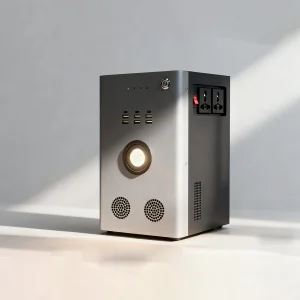
Peak shaving and demand-charge management are vital for modern factories. Our custom 16S BMS handles high parallel pack operations, enabling multiple 48V modules to operate safely in parallel configuration up to 15 units. This allows seamless scale-up from 5kWh residential setups to 150kWh industrial installations.
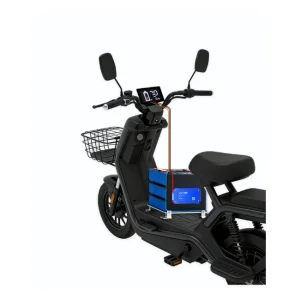
Mobile platforms face constant vibration, mechanical shock, and unpredictable high-current surges. Litongwei's robust hardware structural design employs automotive-grade MOS switches, copper bus bars, and custom shock absorption mounting brackets. We protect the pack against short-circuit spikes and regenerative braking currents.
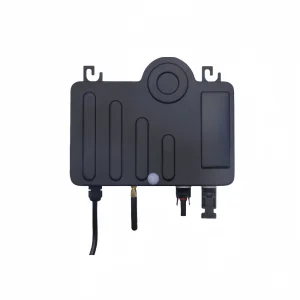
Integration with micro-inverters requires seamless communication protocols. Our BMS connects with major global inverter brands via CAN/RS485. Low-temperature heating features prevent lithium-ion plating when charging in sub-zero winter temperatures, a critical requirement for northern European and North American installations.
Founded in 2005, Litongwei has established itself as a pioneer in the lithium-ion safety management industry.
We are a national high-tech enterprise specializing in the R&D and manufacturing of lithium-ion safety control systems. Our products are widely used in 3C digital devices, electric scooters, bicycles, motorcycles, tricycles, golf carts, AGVs, drones, and power tools. By choosing Litongwei, you leverage our four core benefits:

How we balance vertical industrial integration with global regulatory compliance to de-risk your battery product pipeline.
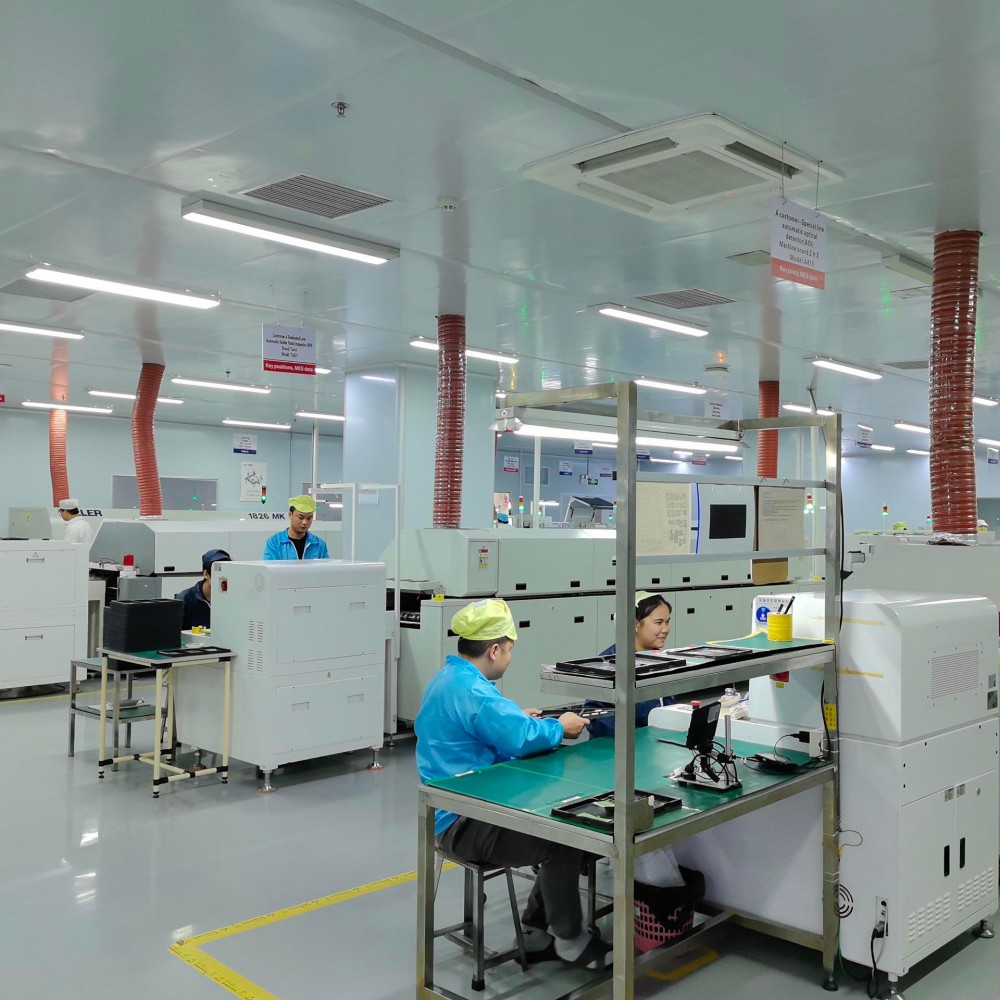
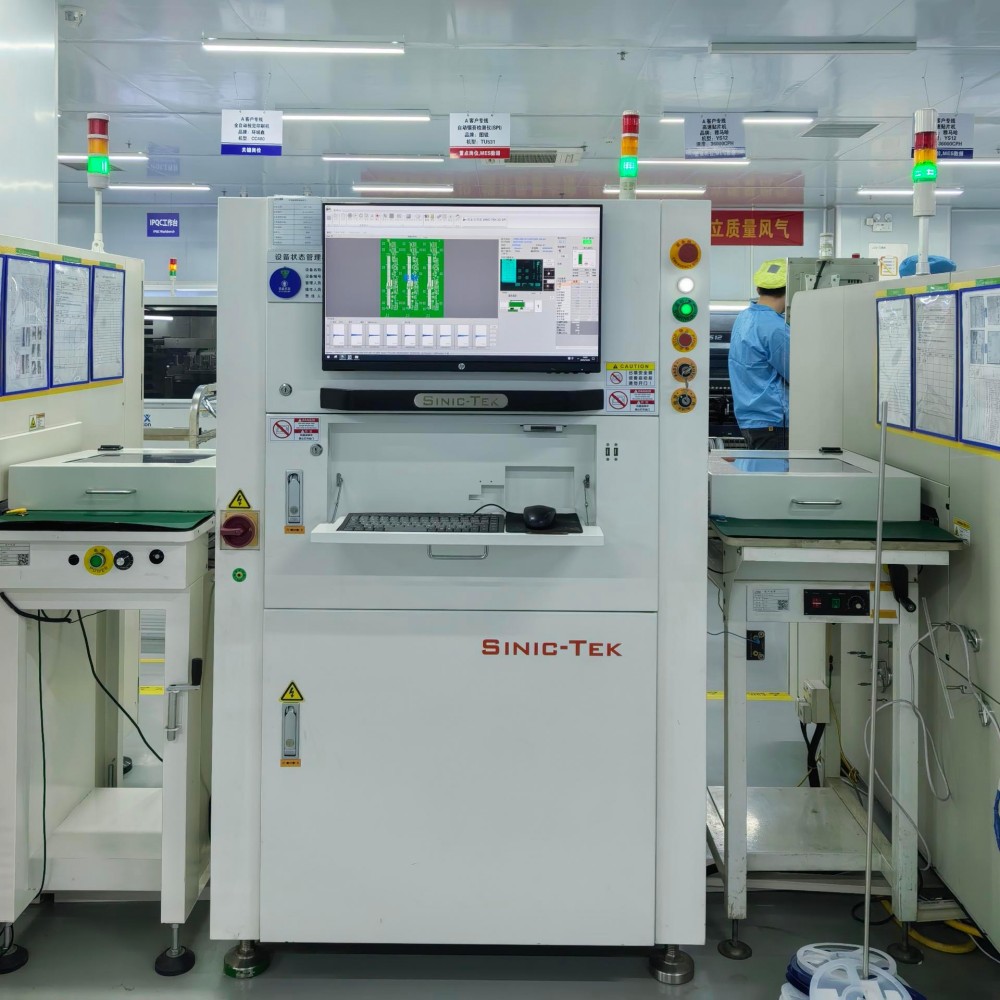
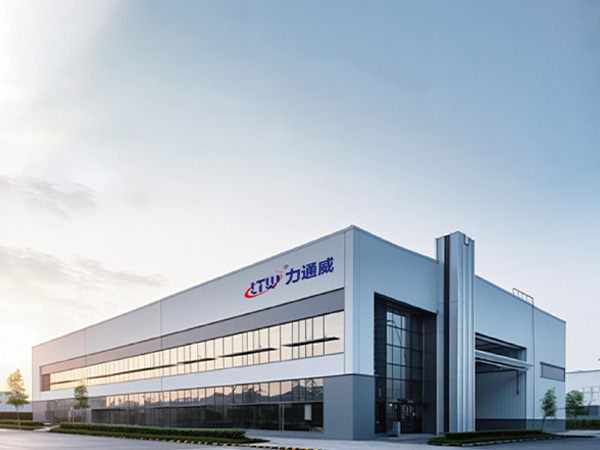
Our infrastructure spans two core hubs in the Greater Bay Area: a 13,000 square meter independent facility in Shenzhen and a massive 27,000 square meter facility in Dongguan Huangjiang. Housing 24 high-speed pick-and-place lines, 12 automated PCBA production lines, and an integrated MES tracking structure, we guarantee consistent quality controls and supply continuity even under tight deadlines.
Selling battery packs internationally requires deep compliance alignment. Our manufacturing facilities operate under automotive-grade quality standards, certified to IATF 16949:2018 and environment safety ISO 9001 / ISO 14001. Our designs align with CE, FCC, RoHS, UN38.3, UL 1973, and IEC 62619 standards, making our protection boards ready for smooth customs clearance and utility-level safety certifications.
From digital BMS pioneers to Industry 4.0 intelligent green energy system leaders.
In 2005, the company commenced R&D and manufacturing of digital Battery Management Systems (BMS). By 2006, it expanded into power battery management system development. ISO9001 certification was obtained in 2007, followed by ISO14001 certification in 2009.
The company secured 8 utility model and design patents in 2011, while expanding its mobile power bank manufacturing operations. The Litongwei Technology Research Institute was established in 2012. It received the Del New Energy Quality Excellence Award in 2014 and earned the Gold Partner title from Gaogong Lithium Battery in 2015.
The company upgraded its ISO 9001 and ISO14001 certifications in 2016, achieved IATF16949 certification in 2018, and implemented an MES system for warehouse automation. It was awarded the Guangdong Battery Industry Association Innovation Award in 2019 and recognized as a leading brand in lithium battery protection board technology for two-wheeled vehicles in 2020.
Litongwei Electronics continues to innovate, deepening its technological expertise while embracing IoT and Industry 4.0. Through its Smart Manufacturing+ strategy, the company drives industrial transformation and upgrading. Our goal remains: Technology as King, Efficient Service.
We collaborate with global tier-one electronics and battery manufacturers to maintain international quality standards.













Answers to essential technical and integration questions for engineering teams.
From smart displays and micro-inverters to robust battery protection boards, choose Litongwei for advanced battery management.
 Litongwei Electronic