High-performance bidirectional inverters, smart battery management system (BMS) architectures, and portable power solutions direct from our Shenzhen factory.
An in-depth analysis of off-grid engineering, safety protection systems, global market requirements, and Chinese manufacturing advantages.
As the global transition towards clean energy accelerates, decentralized power infrastructures are evolving rapidly. Grid-off inverters—also known as off-grid or autonomous inverters—form the core of standalone energy networks. These systems convert raw direct current (DC) harvested from solar arrays or stored in electrochemical batteries into stable, sinusoidal alternating current (AC). Unlike grid-tied units, grid-off inverters must dynamically balance load fluctuations and manage phase synchronization autonomously, maintaining power quality without relying on utility grid references.
In industrialized nations, businesses utilize off-grid power systems to protect critical assets from grid instability, voltage sags, and high peak electricity tariffs. In emerging markets across Sub-Saharan Africa, Latin America, and Southeast Asia, grid-off inverters are the foundation of rural electrification. Modern installations require custom off-grid inverters that support high surge capacities for inductive startup currents, broad DC input tolerances, and advanced multi-unit parallel scaling for load matching.
An off-grid power system is only as reliable as its battery storage and safety controls. Grid-off inverters draw intense currents under high-load conditions, putting significant thermal and electrical stress on lithium battery cells. Because of this, integrating a robust Battery Management System (BMS) is essential. Without a sophisticated safety controller, battery packs are vulnerable to over-charge, over-discharge, short-circuits, and thermal runaway.
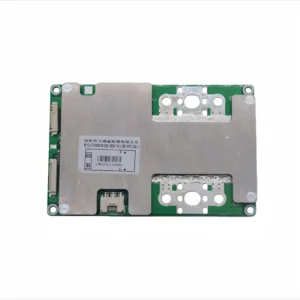
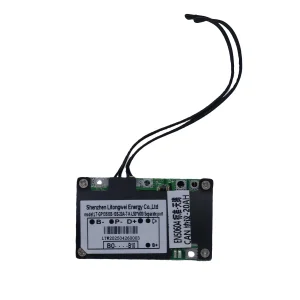
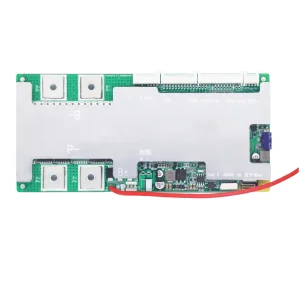
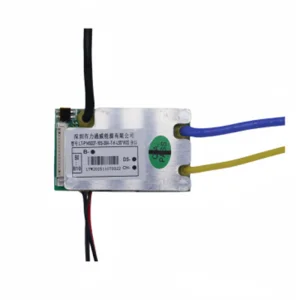
At Shenzhen Litongwei Electronic Technology Co., Ltd. (LITONGWEI), we develop advanced lithium-ion safety control systems designed to interface with grid-off and bidirectional inverter systems. By combining high-accuracy NTC thermistors, CAN/Bluetooth communication protocols, and intelligent balance-charging topologies, LITONGWEI BMS modules stabilize the battery pack's State of Charge (SoC) and State of Health (SoH). This tight integration ensures the inverter receives a reliable DC input, maximizing energy conversion efficiency and safety.
Custom grid-off inverters and smart battery storage systems operate in diverse and challenging environments globally:
The off-grid power sector is moving toward higher integration, smarter communications, and improved thermal design. Key trends shaping the future of this industry include:
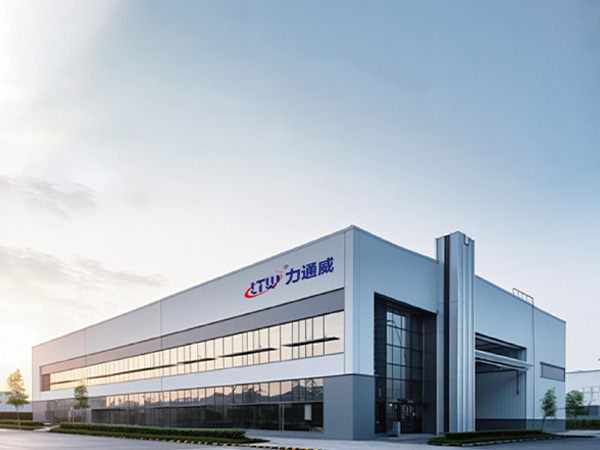
Established in 2005, LITONGWEI is a national high-tech enterprise specializing in the R&D, manufacturing, and design of lithium-ion safety control systems and power conversion equipment.
Our solutions are widely utilized in 3C digital products, light electric vehicles, golf carts, AGVs, unmanned aerial vehicles, power tools, and portable energy storage systems. By focusing on safety, efficiency, and engineering precision, we help global clients overcome technical barriers and control production costs.
China is the global center of the battery and power electronics supply chain. By utilizing this infrastructure, LITONGWEI offers significant advantages in component sourcing, manufacturing speed, and production economics.
LITONGWEI operates on the principle of "Technology as King, Efficient Service." We aim to be a premier global provider of intelligent green energy management solutions, supporting environmental sustainability worldwide. Partner with us to build a cleaner future.
Two decades of technological advancement, quality certifications, and smart manufacturing growth.
In 2005, LITONGWEI commenced R&D and manufacturing of digital Battery Management Systems (BMS). By 2006, the company expanded into power battery management system development. We obtained ISO9001 certification in 2007, followed by ISO14001 certification in 2009.
The company secured 8 utility model and design patents in 2011, while expanding its mobile power bank manufacturing operations. The Litongwei Technology Research Institute was established in 2012. We received the Del New Energy Quality Excellence Award in 2014 and earned the Gold Partner title from Gaogong Lithium Battery in 2015.
LITONGWEI upgraded its ISO9001 and ISO14001 certifications in 2016, achieved IATF16949 certification in 2018, and implemented an MES system for warehouse automation. We were awarded the Guangdong Battery Industry Association Innovation Award in 2019 and recognized as a leading brand in lithium battery protection board technology for two-wheeled vehicles in 2020.
Litongwei Electronics continues to innovate, deepening its technological expertise while embracing IoT and Industry 4.0. Through its Smart Manufacturing+ strategy, the company drives industrial transformation and upgrading.
LITONGWEI has established long-term collaborations with prominent technology and energy companies globally.














A technical framework for engineering procurement managers to evaluate quality, safety, and performance standards.
When choosing a custom grid-off inverter factory or sourcing BMS protection boards, engineering teams should evaluate these core performance metrics:
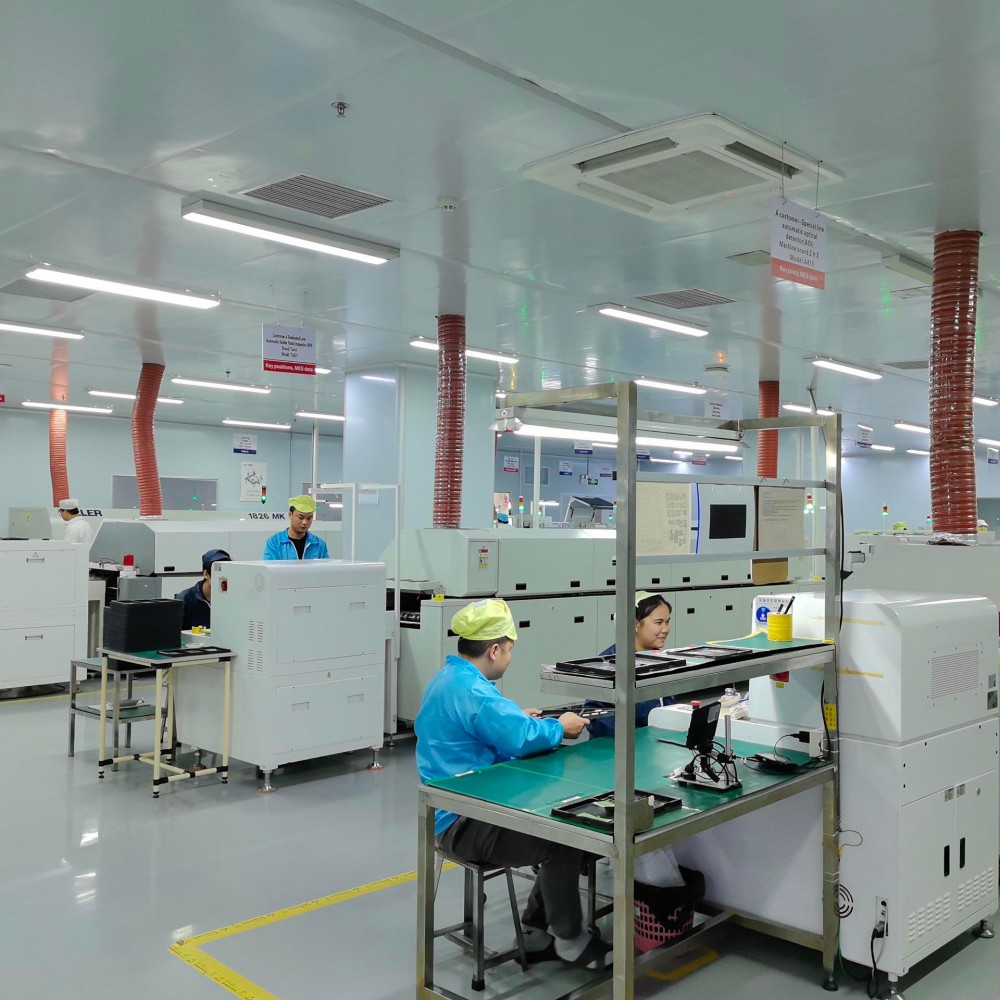
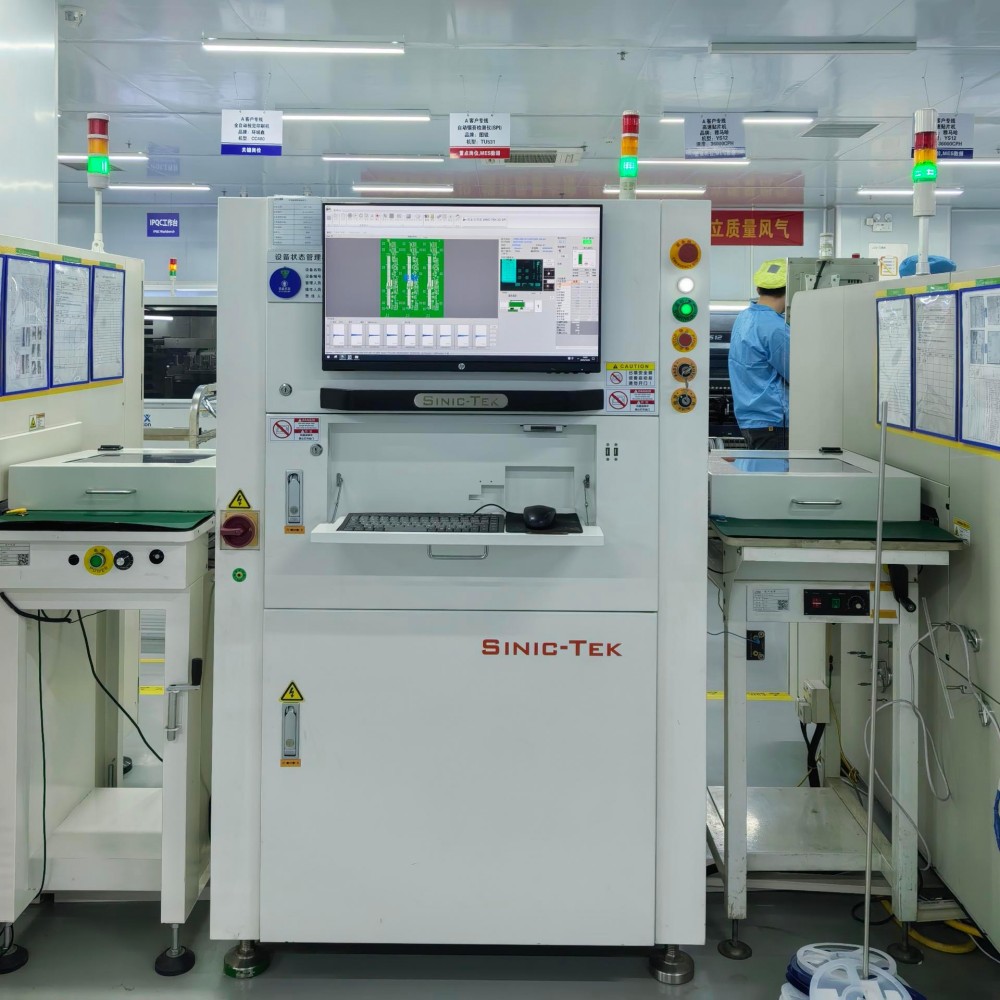
High-quality off-grid systems require structured trace-and-track control from component sourcing through assembly. LITONGWEI integrates a digital MES system that captures electrical inspection logs, automatic SMT placement profiles, and temperature-cycling burn-in metrics. This ensures every product meets international standards, reducing performance variances and field failure rates.
When sourcing for large projects, verify that your manufacturing partner holds ISO9001 and ISO14001 certifications. Product lines should also carry relevant safety and environmental marks, such as CE, UL, RoHS, and FCC.
Answers to technical queries regarding custom grid-off systems, smart BMS integration, and manufacturing logistics.
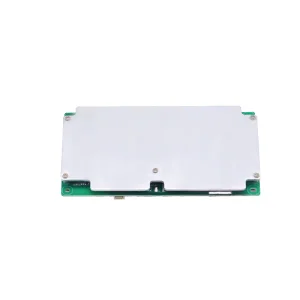
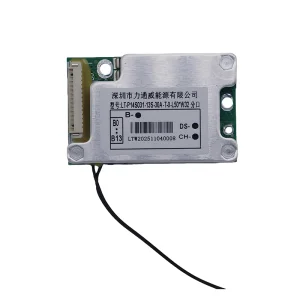
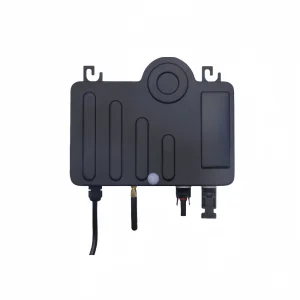
Browse our selection of smart protection boards, micro-inverters, and accessories built for off-grid applications.

 Litongwei Electronic