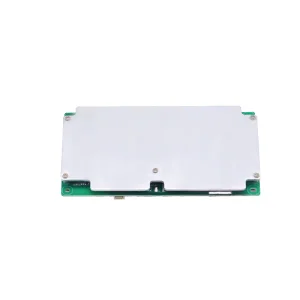
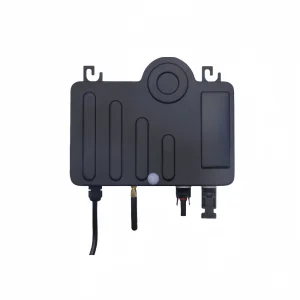
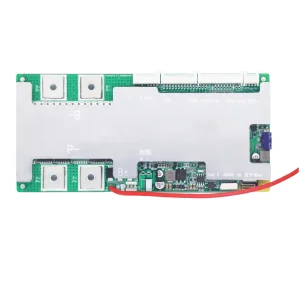
The global transition toward decentralized, green power distribution has shifted the role of home energy architectures. Installing an inverter at home is no longer merely about maintaining operational continuity during localized blackouts. Today, modern residential properties operate as micro-grid nodes. For procurement managers, wholesale buyers, and grid system designers, selecting the proper partners in custom installing inverter at home manufacturing is crucial to securing electrical safety, high thermal efficiency, and dynamic grid compatibility.
This comprehensive whitepaper outlines the underlying technologies defining modern domestic inverters and battery management system (BMS) controls. From the integration of wide-bandgap semiconductors to custom BMS thermal safety protections, we will explore the core technical paradigms that allow distributors and developers to deploy resilient home energy solutions worldwide.
At the center of residential solar and battery storage deployment is the power conversion system (PCS). As domestic energy configurations scale from simple back-up circuits to grid-interactive configurations, several key technical innovations define the path forward:
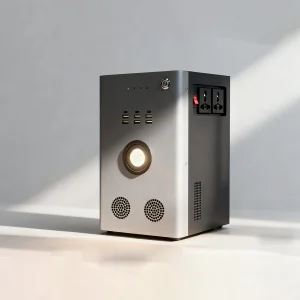
Bidirectional energy transformation structures enable seamless transition between AC-to-DC charging and DC-to-AC discharging. This bidirectional design maximizes efficiency in hybrid setups combined with smart portable power options.
Module-Level Power Electronics (MLPE), including IP67-rated smart microinverters, provide independent Maximum Power Point Tracking (MPPT). This design prevents system-wide capacity drops caused by localized shading.
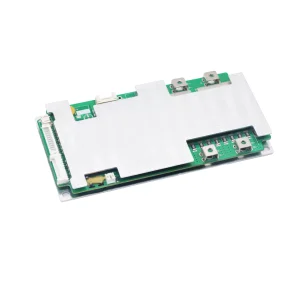
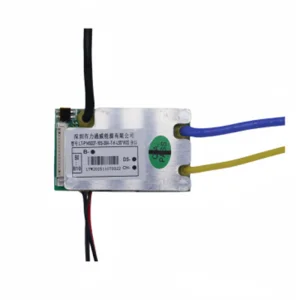
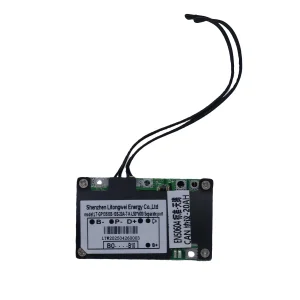
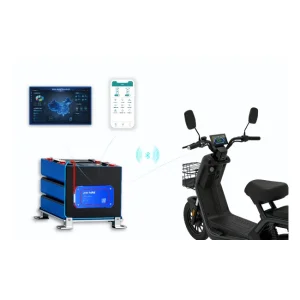
Integrating CAN bus, RS485, and Bluetooth serial interfaces within the BMS layer allows inverters to dynamically monitor battery pack states of charge (SoC) and health states (SoH).
Future architectures will transition away from traditional silicon transistors toward Silicon Carbide (SiC) and Gallium Nitride (GaN) switching components. These wide-bandgap materials minimize switching losses, allowing manufacturers to reduce the physical volume of home inverters by up to 35% while keeping overall conversion efficiency above 98.5%.
Integrating energy systems into modern homes requires a broad perspective on utility interaction, battery degradation, and safety regulations. Home inverter manufacturers now offer comprehensive software suites and control hardware that support macro-level optimizations:
Safety and compliance are key challenges when designing and installing inverters at home. Standard consumer electronics do not carry the regulatory compliance required to connect directly to public utility grids.
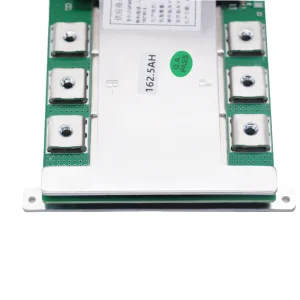
Our product range complies with international certification standards including UL 1741, IEEE 1547, CE, and RoHS. Additionally, our battery protection boards are manufactured under strict IATF 16949 automotive-grade standards to ensure system longevity and prevent thermal runaway risks.
Different regions have varying requirements for active islanding protection and fault ride-through performance. Our hardware features configurable firmware parameters that allow operators to adjust grid-disconnection thresholds to match local utility requirements.
Operational scale and manufacturing precision directly impact market availability and cost optimization. Shenzhen Litongwei Electronic Technology Co., Ltd. addresses these requirements by operating state-of-the-art facilities designed for Industry 4.0 production standards.
Manufacturing Footprint
13,000 m² independent space in Shenzhen and 27,000 m² in Dongguan Huangjiang.
High-Speed Placement
Equipped with high-precision pick-and-place systems and 12 dedicated PCBA processing lines.
Monthly Unit Output
Scale production capabilities that help optimize unit economics and ensure lead-time stability.
By utilizing automated MES (Manufacturing Execution Systems), our facilities track raw components from initial warehousing through component placement, reflow soldering, and automated optical inspection (AOI). This full-process traceability ensures that each intelligent BMS and inverter assembly is fully logged and verified before global distribution.
Global B2B procurement partners require flexible technical support and customization services. Every localized residential grid has unique requirements. Shenzhen Litongwei supports these requirements through comprehensive OEM and ODM service packages:
Established in 2005, Shenzhen Litongwei Electronic Technology Co., Ltd. is a national high-tech enterprise specializing in the R&D and manufacturing of lithium-ion safety control systems. Our products are widely used in 3C digital devices, electric scooters, bicycles, motorcycles, tricycles, golf carts, AGVs, drones, and power tools.
We provide intellectual property protection, industry-standard shared boards to help reduce costs, full-process quality traceability, and remote maintenance support via our cloud platform. Litongwei is committed to collaborating with global partners to build efficient, sustainable green energy systems.
In 2005, the company commenced R&D and manufacturing of digital Battery Management Systems (BMS). By 2006, operations expanded into power battery management system development. ISO9001 certification was obtained in 2007, followed by ISO14001 certification in 2009.
The company secured 8 utility model and design patents in 2011 while expanding mobile power bank manufacturing. The Litongwei Technology Research Institute was established in 2012. It received the Del New Energy Quality Excellence Award in 2014 and earned the Gold Partner title from Gaogong Lithium Battery in 2015.
Upgraded ISO 9001 and ISO14001 certifications in 2016. Achieved IATF16949 certification in 2018 and implemented automated MES logistics. Awarded the Guangdong Battery Industry Association Innovation Award in 2019 and recognized as a leading brand in lithium battery protection board technology for two-wheeled vehicles in 2020.
Smart Manufacturing+. Litongwei Electronics continues to innovate, deepening its technological expertise while embracing IoT and Industry 4.0. Through its Smart Manufacturing+ strategy, the company drives industrial transformation and upgrading.
Litongwei's partners include Huawei, Lenovo, Desay, Guoguang, Sunwoda, Eve Energy, Guoxuan High-tech, and other industry brand clients who have collaborated for many years.








 Litongwei Electronic