Featured Lithium-Ion Systems, Custom Protection Circuit Boards, and Smart Device Interfaces

Analyzing the Paradigm Shift from Legacy Power Supplies to Smart, Cloud-Connected Energy Hubs
The global household energy infrastructure is undergoing a rapid, technology-driven evolution. The standard home uninterruptible power supply (UPS) has transitioned from a basic passive backup battery system to an active, bidirectional grid participant. Modern consumer applications demand pure sine wave inversion, milliseconds-level switching times, and integration with local renewable sources such as solar photovoltaic (PV) arrays.
For enterprise purchasers, sourcing a custom inverter home UPS involves strict regulatory compliance, thermal engineering oversight, and the integration of highly reliable Battery Management Systems (BMS). As the brain of any modern lithium-ion backup configuration, the BMS manages protective state parameters (over-voltage, under-voltage, over-current, and thermal runaway prevention) to ensure long-term equipment stability.
This whitepaper outlines the structural parameters necessary to optimize energy conversion efficiency, achieve global compliance, and select a tier-1 manufacturing partner capable of delivering high-volume custom systems.
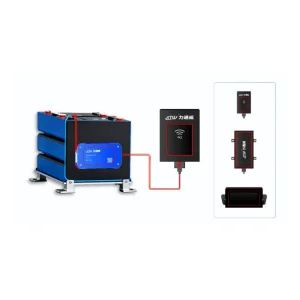
Integrating 4G, GPS, and low-latency Bluetooth into power systems enables real-time status monitoring, remote firmware updates, and predictive maintenance via custom telemetry platforms.
Active heating technologies and advanced NTC multi-point sensor arrays protect lithium iron phosphate (LiFePO4) chemistries against degradation in sub-zero and extreme-heat environments.
Modern silicon carbide (SiC) and gallium nitride (GaN) switching transistors boost power conversion efficiency above 96%, reducing thermal output and footprint limitations.
Evaluating Regional Demands, Battery Topologies, and Standardized Technical Protocols
International procurement teams in North America, the European Union, and emerging markets face distinct regulatory hurdles when importing power electronics. In the US, compliance with UL 1778 (for UPS systems) and UL 1973 (for battery packs) is standard, whereas European importers prioritize CE marking, RoHS conformity, and EN 62040 certifications. Sourcing customized systems allows enterprises to embed tailored protection protocols, optimize housing dimensions, and standardize communication buses.
Equipped with integrated Maximum Power Point Tracking (MPPT) solar charge controllers, residential UPS configurations serve as local power management centers, optimizing self-consumption rates and shifting peak-load costs.
For decentralized data centers and telecom towers, custom rack-mounted units featuring low-power BMS (such as 10S to 24S systems with high-speed CAN/RS485 communication) offer remote monitoring and clean backup power.
Compact, fanless systems with low standby energy consumption and smart display interfaces ensure operational continuity for office equipment without noise pollution or excessive maintenance overheads.
How Advanced Automation and Integrated Quality Management Mitigate Operational Risk
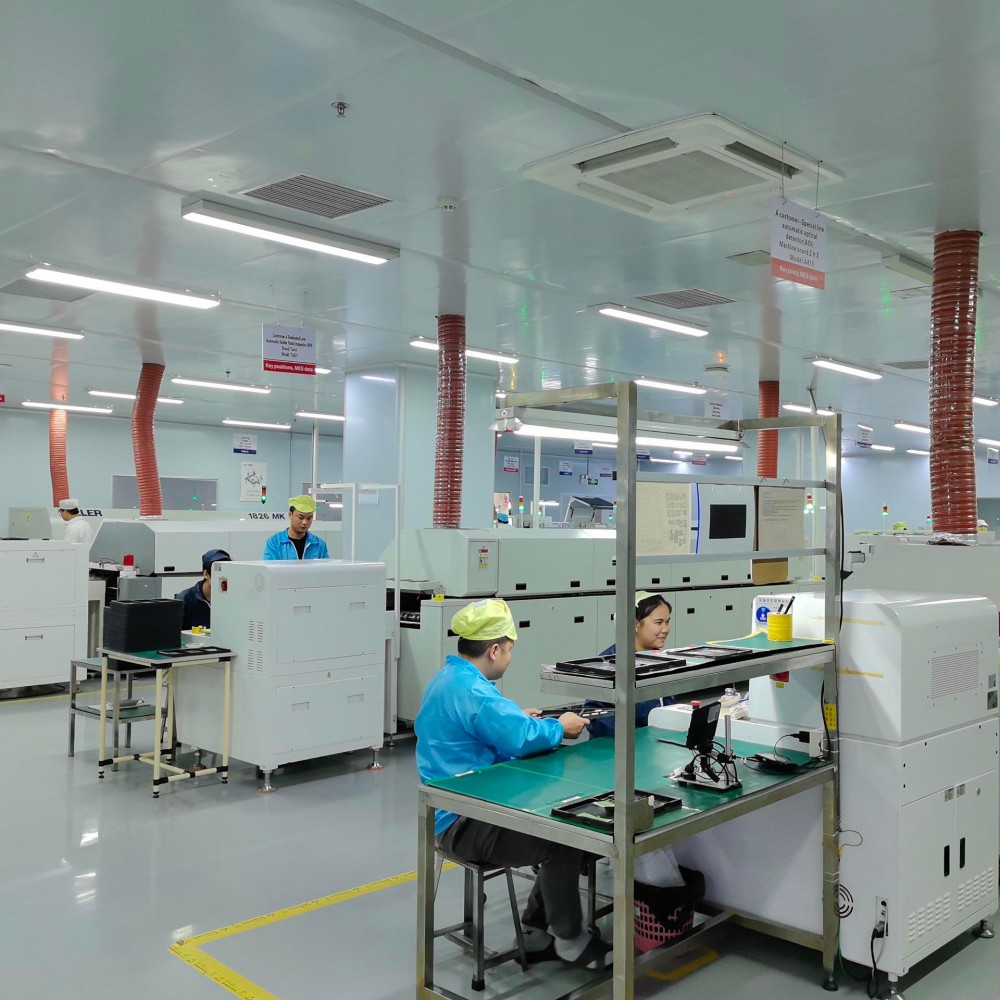
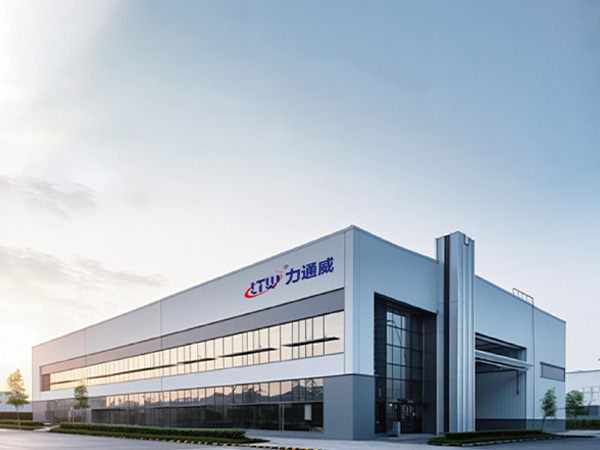
Shenzhen Litongwei Electronic Technology Co., Ltd. operates a highly automated production floor across two main manufacturing sites. Our Shenzhen facility spans 13,000 square meters, complemented by a 27,000 square meter site in Dongguan Huangjiang. This distributed footprint is equipped with 24 high-speed pick-and-place assembly machines and 12 dedicated PCBA production lines.
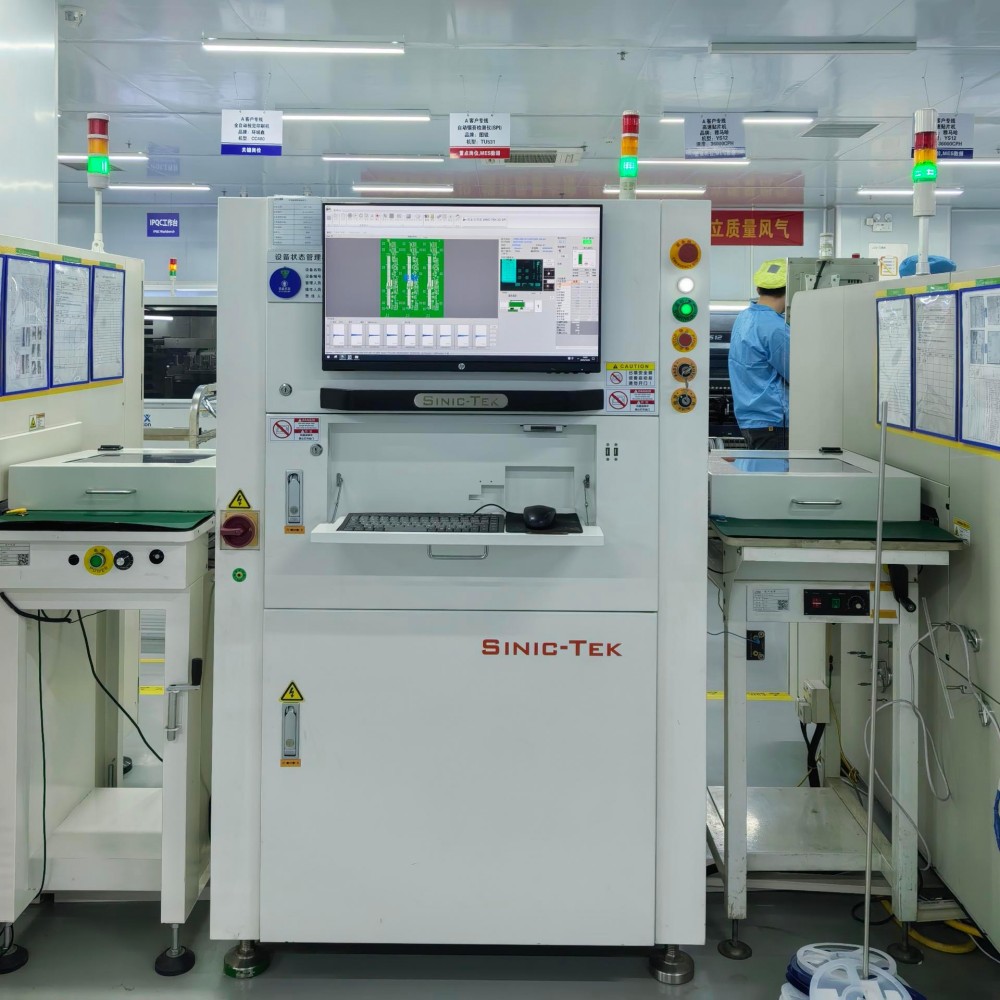
This layout yields a monthly capacity exceeding 15 million units. Our manufacturing processes utilize automated optical inspection (AOI), in-circuit testing (ICT), and full-functional verification to ensure that every circuit assembly, smart BMS, and display unit aligns with international standard tolerances.
In modern power electronics manufacturing, process visibility is a crucial component of risk management. Our facilities utilize a fully integrated Manufacturing Execution System (MES) to monitor production steps from component registration to final functional testing. This data record ensures compliance with the IATF 16949 automotive standard, providing accountability and high performance across long operational lifetimes.
Each unit features a unique identifier tracking component lot numbers, reflow profiles, and safety test metrics. This full traceability streamlines troubleshooting, helps isolate batch-specific issues, and supports predictive field servicing.

Our commitment to technical development is supported by sustained financial investment: R&D funding has consistently exceeded 10% of total annual sales over the last five consecutive years. This continuous funding has yielded a portfolio of over 100 patents covering battery management algorithms, high-efficiency switching designs, and protection schemes.
For custom engineering clients, this IP portfolio helps mitigate infringement risks. We offer joint patent collaboration, shared-board standardization to control cost structures, and specialized software customization to align with specific hardware setups.
A Twenty-Year History of Engineering Innovation and Strategic Industrial Growth
A Trusted Development Partner to Major Brands in Computing, Industrial Logistics, and Clean Energy Storage
Litongwei maintains long-term engineering collaborations with prominent international enterprises. Our team supports demanding integration programs for major brands, including Huawei, Lenovo, Desay, Guoguang, Sunwoda, Eve Energy, and Guoxuan High-tech, working together to deliver clean energy systems worldwide.







Addressing Technical Questions on Lithium Chemistries, Battery Management Systems, and Custom Manufacturing
Lithium Iron Phosphate (LiFePO4) is the preferred chemistry for residential and commercial UPS systems due to its thermal stability, safety profile, and service life. LiFePO4 cells support 3,000 to 6,000 charge cycles before capacity degrades to 80%, compared to 500 to 1,000 cycles for ternary (NMC) options. Structurally, LiFePO4 features a higher thermal runaway threshold (around 270°C compared to NMC's 210°C), reducing safety risks in indoor installations.
A Battery Management System (BMS) monitors cell-level parameters, including voltage, current, and temperature, to keep cells within safe operating limits. It balances cell state-of-charge to prevent premature pack degradation. Standard communication interfaces include CANbus, RS485, and Modbus, which allow the BMS to coordinate charge profiles with the inverter in real time. Integrated Bluetooth and 4G options also support remote diagnostics and status monitoring.
For standard consumer electronics and home networking equipment, an automatic transfer time of 10 milliseconds or less prevents rebooting or data loss. High-precision IT hardware and medical systems often require online double-conversion UPS configurations, which deliver zero transfer time (0ms) by routing power through the battery circuit continuously.
Extreme temperatures can affect lithium battery performance. Cold environments increase internal resistance and limit charge rates, while excessive heat accelerates capacity degradation. Litongwei addresses these challenges with integrated NTC temperature sensor arrays and active heating elements, allowing batteries to operate safely across a broad temperature range (-20°C to 60°C).
International markets enforce strict compliance frameworks. In North America, imports require UL 1778, UL 1973, and FCC certifications. European markets mandate CE markings, RoHS environmental compliance, and compliance with EN 62040 standards. Sourcing from an IATF 16949 and ISO9001 certified facility helps ensure manufacturing processes meet these quality standards.
Yes. Our engineering team designs custom PCBA form factors, trace weights, and connector alignments to fit specific enclosure designs. By utilizing standard platform designs, we help reduce prototyping lead times and control tooling costs.
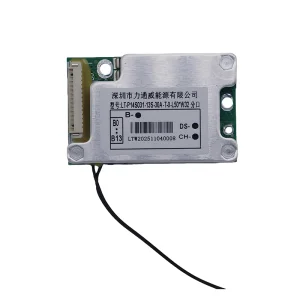
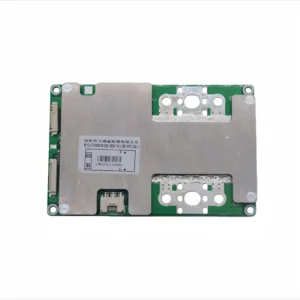
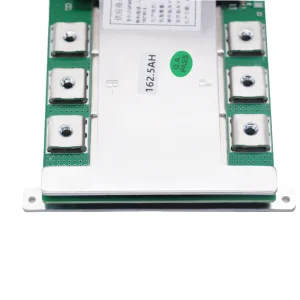
Explore our industrial-grade protection boards, integrated communication systems, and smart user interfaces
 Litongwei Electronic