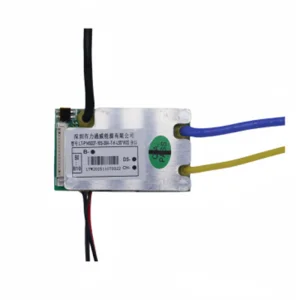
Direct from our state-of-the-art SMT factories. Engineered with intelligence, industrial IP67 protection, and precision balancing.
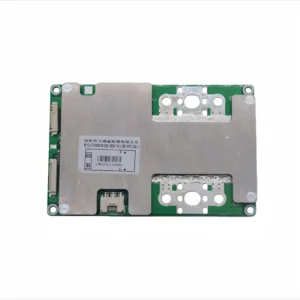
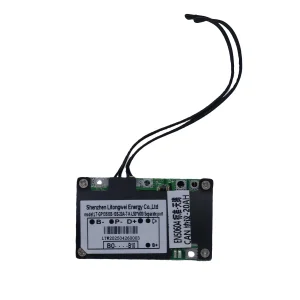
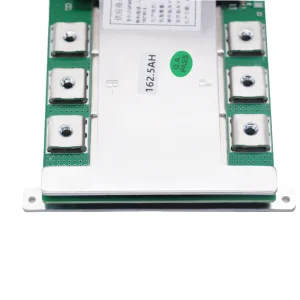
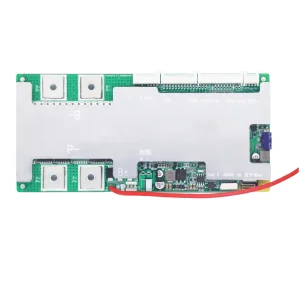
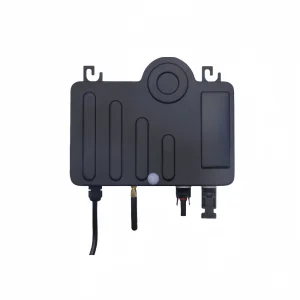
Combining world-class SMT automation with state-of-the-art power electronics testing to fuel green energy ecosystems worldwide.
In the wake of the global energy transition, the paradigm of power generation has fundamentally shifted from centralized, massive utilities toward localized, intelligent micro-generation. At the heart of this grid edge revolution sits the Micro Inverter—a technological marvel that performs localized maximum power point tracking (MPPT) and bidirectional DC/AC conversion directly at the solar panel or battery unit interface. By decoupling generation modules, these components mitigate shading losses, eliminate high-voltage DC fire hazards, and introduce unprecedented modularity. Yet, to unlock the true potential of micro-inverters, integration with Intelligent Battery Management Systems (BMS) is non-negotiable.
This comprehensive industry analysis explores the deep architectural dynamics, supply chain considerations, and safety parameters required for selecting Tier-1 custom inverter micro suppliers and factories. Driven by Shenzhen Litongwei Electronic Technology Co., Ltd.’s twenty years of engineering legacy, we dissect what defines next-generation decentralized energy infrastructure.
Unlike string inverters, MLPE microinverters track MPPT for every single photovoltaic input, maximizing real-world harvest efficiency up to 96.5% even under complex, partial-shading conditions.
Integrating wide-bandgap (WBG) semiconductors like GaN and SiC switches dramatically reduces switching losses, allowing ultra-compact fanless thermal layouts inside IP67 enclosures.
Direct communication via CAN-bus or RS485 interfaces between Litongwei's proprietary smart BMS and the inverter ensures real-time cell state diagnostics and automatic low-latency isolation.
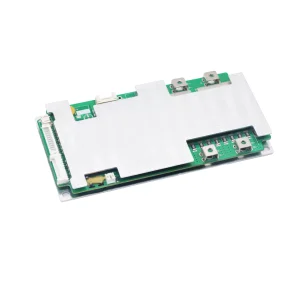
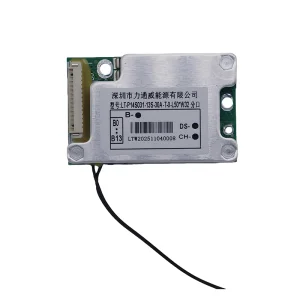
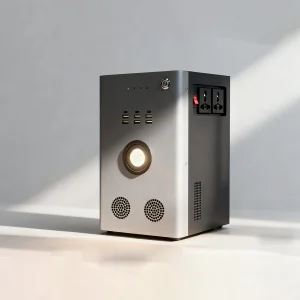
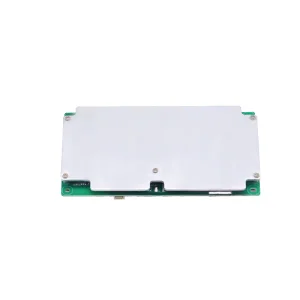
Historically, micro inverters and battery packs were designed as isolated blocks. Modern systems demand seamless bidirectional control. Consider a plug-and-play balcony solar setup or a portable power bank (such as the 500W PV Bidirectional system). The inverter must dynamically scale its draw based on the battery pack’s State of Charge (SoC), temperature profiles, and internal cell chemistry limitations. Litongwei’s custom smart BMS solutions (ranging from 10S to 23S configurations with CAN/Bluetooth connectivity) continuously monitor every individual cell's health, ensuring the micro-inverter receives stable DC voltage while protecting the pack from over-discharge, over-current, and thermal runaway.
By leveraging active balancing algorithms, our BMS solutions redirect energy from higher-voltage cells to lower-voltage ones during active cycles, extending overall battery lifetime by up to 30%. When paired with a microinverter's high conversion efficiency, the round-trip efficiency (RTE) of the storage cycle is maximized, translating directly into shorter return-on-investment (ROI) cycles for end consumers.
Navigating the global regulatory landscape is the single greatest challenge for micro inverter deployment. Grid operators enforce strict electrical standards to ensure safety and stability:
As a seasoned partner, Litongwei collaborates with global safety houses to ensure our hardware configurations comply with European CE, Germany’s TÜV, and North America’s UL standards. Furthermore, we provide local technical support and firmware customization to adapt to changing grid requirements remotely via IoT cloud platforms.
Why do leading global enterprises partner with Chinese SMT and assembly factories? The answer lies in industrial cluster density, rapid prototyping, and vertical integration. Based in the global electronics capital of Shenzhen and the manufacturing hub of Dongguan, Litongwei operates over 40,000 square meters of high-capacity production space. Our facilities feature:
This localized supply chain cluster allows us to source raw components (semiconductors, raw copper inductors, thermal potting compounds) at unmatched velocities and costs, passing these efficiencies down to our global OEM/ODM partners.
For procurement directors, EPC contractors, and global brands, choosing a micro-inverter and BMS supplier requires evaluating factors beyond price. The following matrix outlines the strategic criteria for mitigating operational risks:
Established in 2005, Litongwei is a national high-tech enterprise specializing in the R&D and manufacturing of lithium-ion safety control systems and intelligent BMS. Our solutions serve 3C digital devices, electric scooters, bicycles, motorcycles, golf carts, AGVs, drones, and power tools worldwide.
We solve technical, cost, and operational challenges for our clients by providing patent collaboration to prevent infringement, industry-standard shared boards for cost reduction, full-process MES quality traceability, and cloud-based remote maintenance support. Choosing Litongwei means choosing tier-1 reliability.
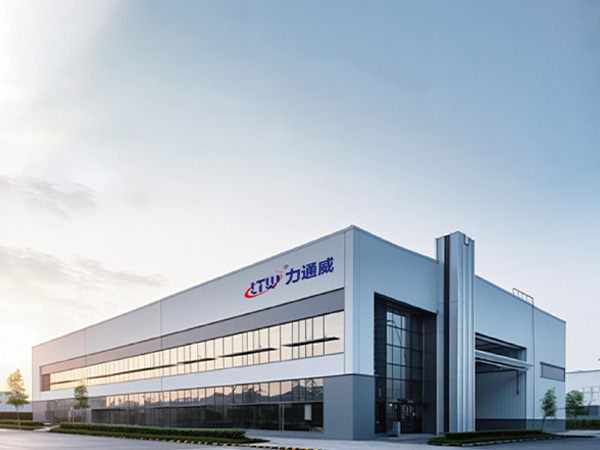
At Litongwei, we believe that technology is king and efficient service is the bedrock of success. Our long-term mission is to become the premier global provider of intelligent green energy management solutions, driving environmental sustainability through advanced micro-power generation and high-reliability storage.
We work hand-in-hand with engineering divisions globally to integrate clean energy generation safely into urban environments, starting at the balcony solar level and scaling to utility microgrids.
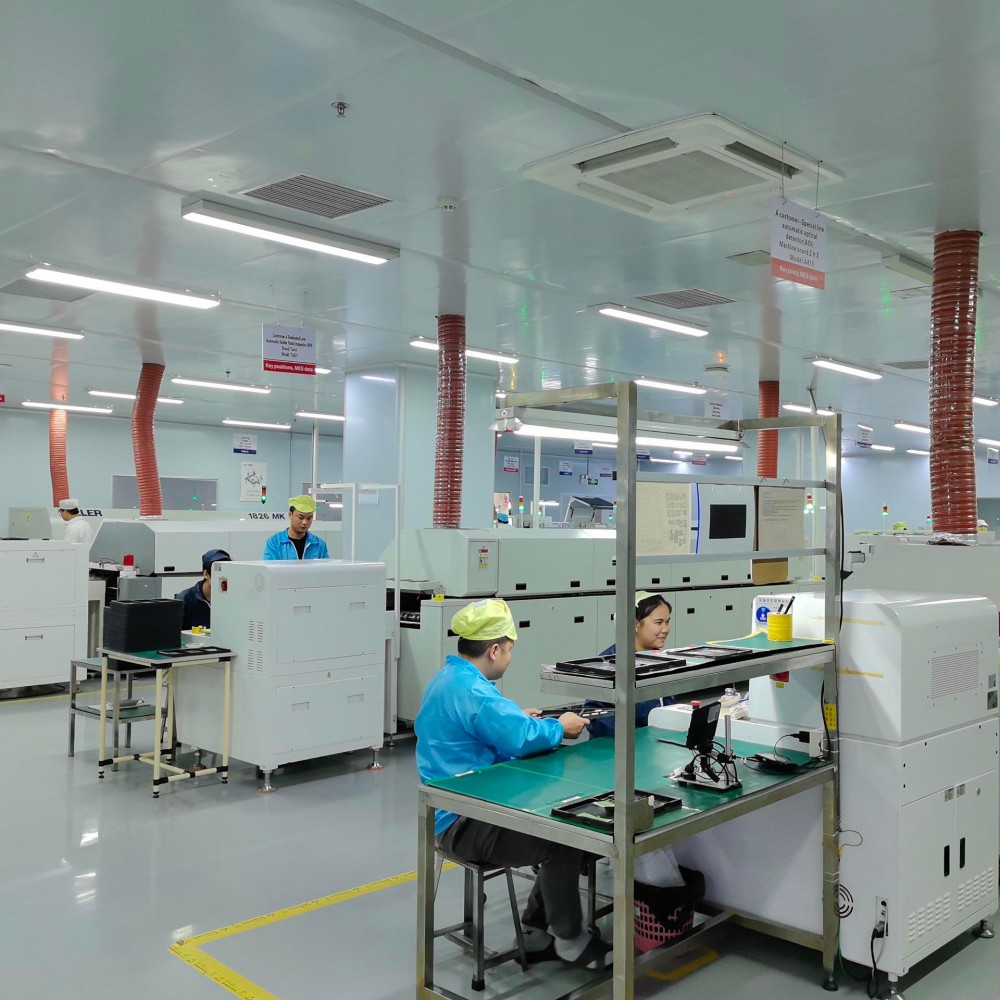
A history of engineering excellence, rising from a specialized BMS manufacturer to a global provider of smart energy electronics.
Litongwei commenced focused R&D and manufacturing of digital Battery Management Systems (BMS). By 2006, operations expanded into high-power battery management systems.
Secured 8 utility model and design patents by 2011, and established the dedicated Litongwei Technology Research Institute in 2012 to advance high-current battery safety boards.
Upgraded to IATF16949 automotive-grade quality standards, implemented advanced MES systems for automated production tracking, and was named a leader in two-wheeler protection boards.
Deepening integrations with Industry 4.0, IoT clouds, and micro-inverter power systems, Litongwei delivers green energy management solutions on a global scale.
Collaborating with global brands and tier-1 innovators for sustainable growth.








Understanding Custom Inverters, Smart BMS integration, and international regulatory standards.
Ensuring safety, balancing, and low-latency communication across residential and industrial applications.
 Litongwei Electronic