High-performance lithium protection systems, bidirectional micro-inverters, and portable power stations built for global industrial OEMs.

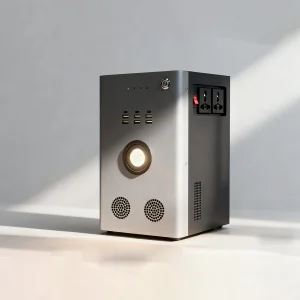
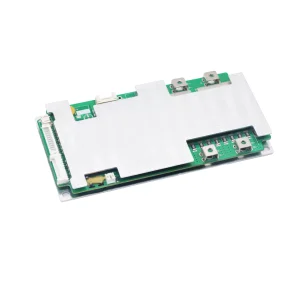
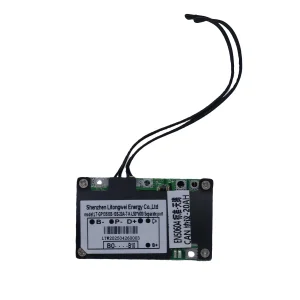
The global transition toward decentralized power infrastructure has catalyzed a massive demand for integrated energy solutions. In particular, the convergence of micro-inverter technology and small-scale lithium battery storage (under 5kWh) has emerged as a cornerstone for both industrial and consumer sectors. Traditionally, inverters and battery storage operated as discrete systems, resulting in heavy installation footprints, energy losses via dual-conversion, and complex troubleshooting workflows.
Today, the integration of high-density battery chemistry with intelligent bidirectional micro-inverters enables plug-and-play local power storage. These compact setups, often operating on 3.2V, 12V, 24V, or 48V topologies, are redefining balcony solar storage, off-grid mobile computing, specialized industrial instrumentation, and remote medical devices. Key performance parameters, such as round-trip efficiency (RTE), thermal control under sustained load, and automated charge-discharge algorithms, have become critical points of differentiation for hardware developers.
A reliable integrated energy storage system relies fundamentally on the synergy between the Battery Management System (BMS) and the inverter switching topology. At Litongwei, our R&D focus is centered on resolving the classical engineering trade-off: maximizing power output while maintaining an absolute safety envelope.
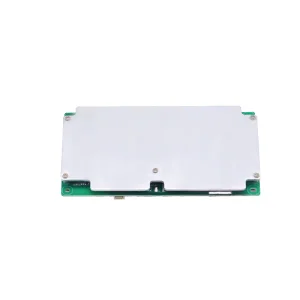
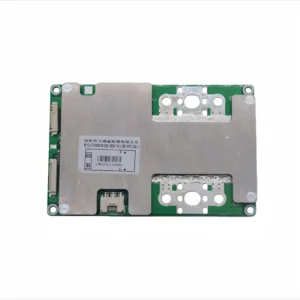
Whether deploying a 20S 60A BMS with Bluetooth or an advanced LTW 10S 20A board with CAN Communication, the BMS acts as the brain. It monitors individual cell voltages, controls passive or active balancing networks, and provides thermal protection. In sub-zero operations, our heating-enabled BMS dynamically activates internal warming circuits before allowing the cells to charge, protecting the lithium anode from metallic plating and catastrophic degradation.
Specially engineered for high-latitude climates. Initiates internal thermal elements to maintain cell temperature above 0°C, ensuring consistent charge acceptance down to -30°C.
Multi-protocol communication layers allow close integration with host controllers. Supports real-time telemetry extraction, over-the-air (OTA) firmware updates, and local app diagnostics.
NTC Multi-Point Temperature Probe Array: Multiple precision thermistors are strategically embedded into battery modules. This setup prevents localized hot spots during high-current discharges, protecting components from thermal runaway.
| BMS Topology Model | Continuous Current | Communication Protocols | Thermal Management Features | Primary Industrial Applications |
|---|---|---|---|---|
| LTW 20S 60A / 120A Series | Up to 120A continuous | Bluetooth BLE, UART | Integrated heating, dual-NTC sense | Electric scooters, golf carts, AGVs |
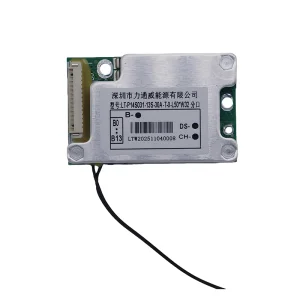
| LTW 10S 20A Series | 20A continuous | CAN-bus, RS485 | Precision passive cooling design | Smart e-bikes, micro-mobility, robotic platforms |
| LTW 13S 30A Switchable | 30A continuous | NTC, Hardware Switch control | NTC sensor protection | Portable power tool battery packs, 3C digital arrays |
Why do leading global enterprises partner with Chinese manufacturers like Shenzhen Litongwei? The answer lies in advanced manufacturing clusters and deep vertical integration. The Shenzhen-Dongguan corridor represents the world’s most advanced supply chain ecosystem for lithium batteries and electronics. At Litongwei, we turn this regional advantage into distinct benefits for our customers:
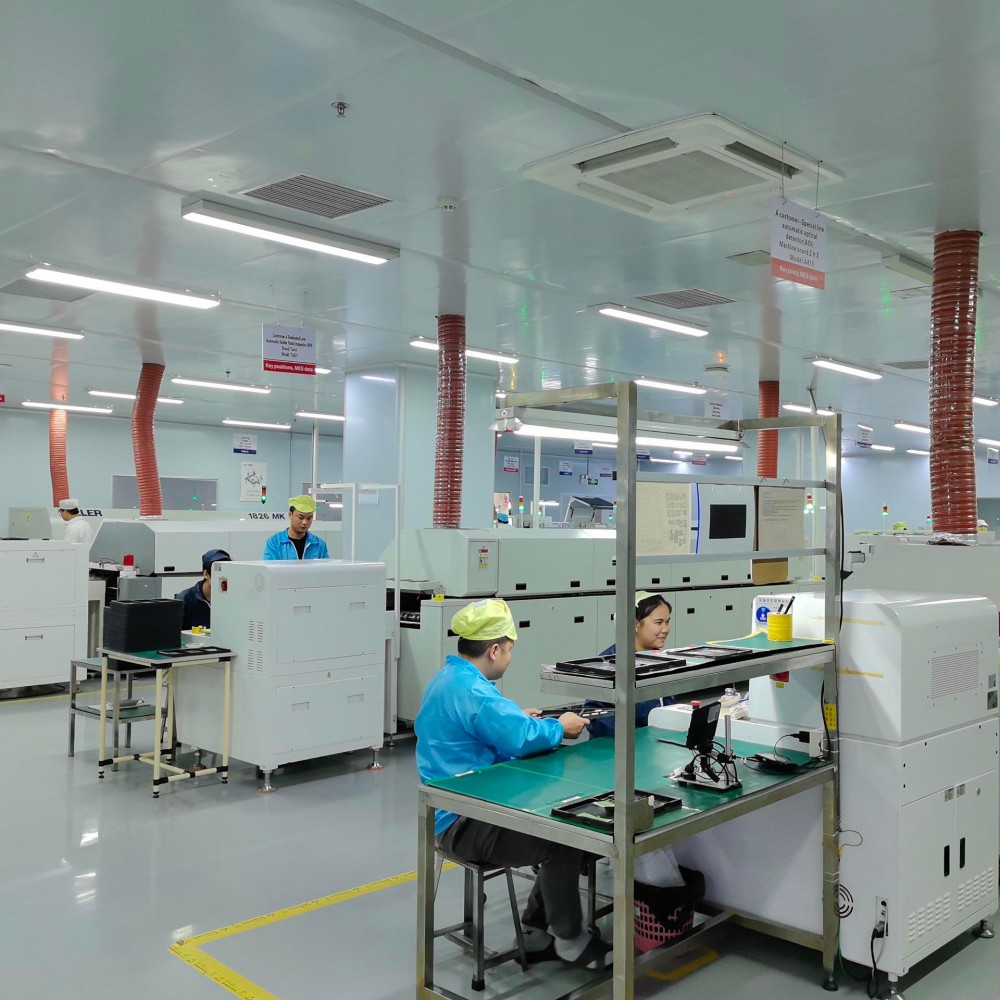
1. Scale and Integrated Infrastructure: Spanning a total footprint of over 40,000 square meters (Shenzhen factory: 13,000 sqm; Dongguan Huangjiang factory: 27,000 sqm), our facilities house 24 high-speed pick-and-place SMT machines and 12 dedicated PCBA lines. This enables us to maintain a reliable monthly output of over 15 million units.
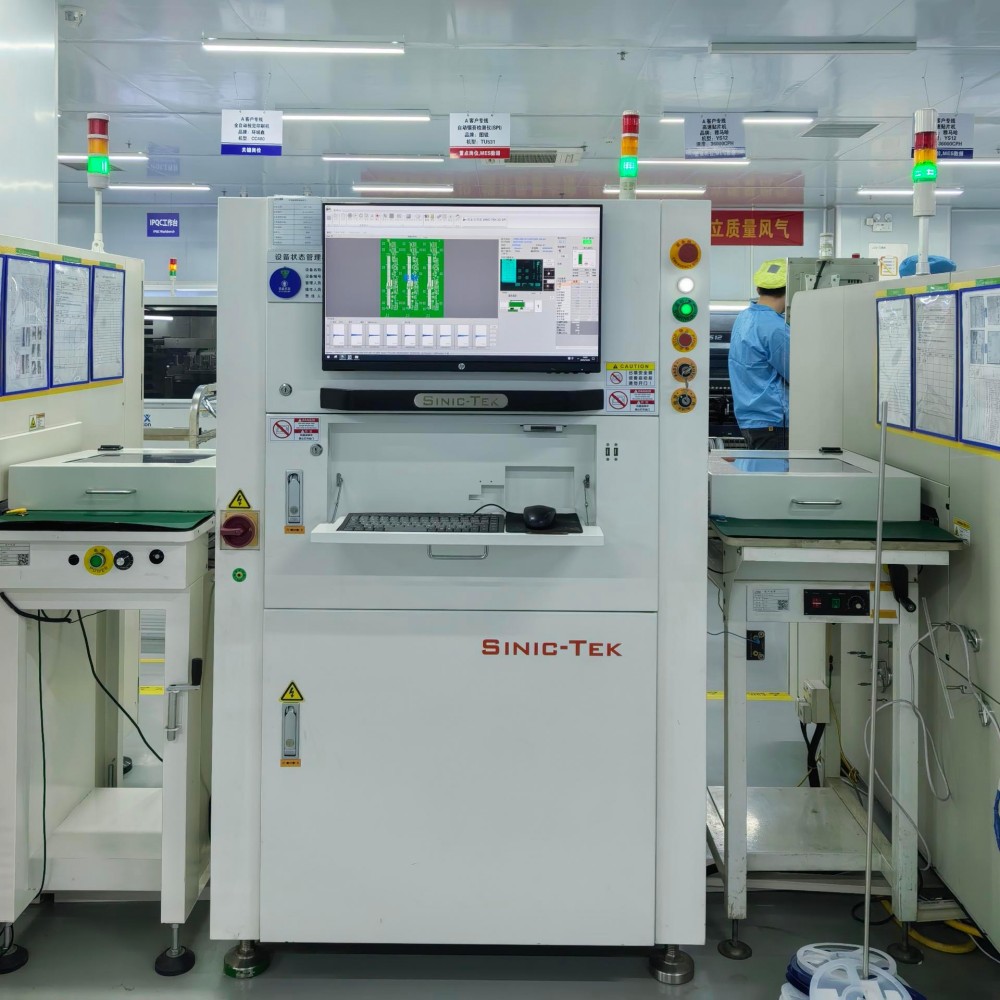
2. End-to-End Quality Traceability: Our factories operate on an advanced MES (Manufacturing Execution System). Every critical process step—from solder paste inspection (SPI), automated optical inspection (AOI), battery cell capacity matching, to final product load testing—is digitally logged and linked to a unique serial number, providing full lifetime traceability.
Custom micro-inverter and small battery setups must be engineered to fit their specific operational environments. Below are the primary scenarios where our products deliver high performance:
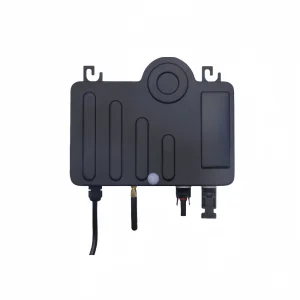
In high-density European cities, balcony micro-inverters (96.5% efficiency, IP67 weatherproof) allow tenants to capture solar energy and feed it directly into domestic outlets, offsetting daytime base-loads without complex grid-tie permits.
Autonomous guided vehicles demand ultra-reliable BMS systems that can handle rapid charging rates and sustained high-current draws. CAN-bus telemetry ensures central monitoring of fleet health.
Whether powering integrated Bluetooth audio gear for long-distance cycling or supplying auxiliary power banks for off-grid maintenance teams, our small-footprint battery packs deliver reliable performance.
Founded in 2005, Shenzhen Litongwei Electronic Technology Co., Ltd. has grown from a specialized R&D shop into a globally recognized leader in intelligent green energy management.
Technology-driven growth. In 2005, the company commenced R&D and manufacturing of digital Battery Management Systems (BMS). By 2006, it expanded into power battery management system development. ISO9001 certification was obtained in 2007, followed by ISO14001 certification in 2009.
Technological advancement. The company secured 8 utility model and design patents in 2011, while expanding its mobile power bank manufacturing operations. The Litongwei Technology Research Institute was established in 2012. It received the Del New Energy Quality Excellence Award in 2014 and earned the Gold Partner title from Gaogong Lithium Battery in 2015.
Digital transformation. The company upgraded its ISO 9001 and ISO14001 certifications in 2016, achieved IATF16949 certification in 2018, and implemented an MES system for warehouse automation. It was awarded the Guangdong Battery Industry Association Innovation Award in 2019 and recognized as a leading brand in lithium battery protection board technology for two-wheeled vehicles in 2020.
Smart Manufacturing+. Litongwei Electronics continues to innovate, deepening its technological expertise while embracing IoT and Industry 4.0. Through its Smart Manufacturing+ strategy, the company drives industrial transformation and upgrading.
A track record of technological innovation, rapid manufacturing scaling, and strong intellectual property protection.
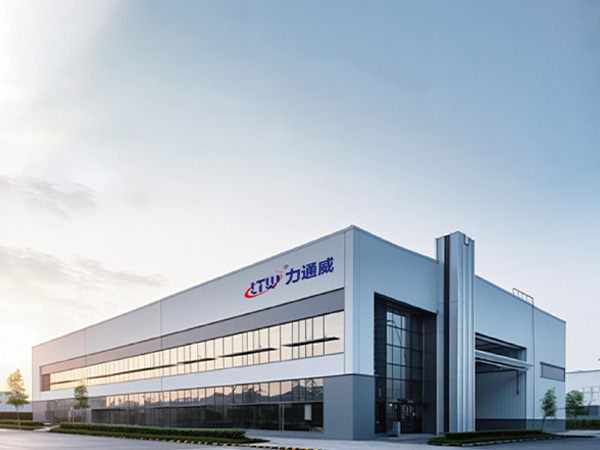
Modern manufacturing facilities in Shenzhen (13,000 sqm) and Dongguan Huangjiang (27,000 sqm).
Powered by 24 high-speed pick-and-place machines and 12 PCBA production lines.
More than 10% of total annual sales revenue reinvested directly back into R&D for five consecutive years.
Patents in BMS architectures, smart circuits, automatic testing protocols, and design software.
Procuring micro-inverters and custom lithium batteries involves navigating complex regulatory, technical, and commercial challenges. For global procurement directors, de-risking the supply chain is just as important as reducing unit costs. Below are the key frameworks Litongwei implements to protect and optimize your supply chain:
1. Intellectual Property Protection & Collaborative Patent Strategies: In the fast-moving battery space, patent infringement claims can halt supply lines overnight. Litongwei provides clear patent-sharing agreements, collaborative filing support, and freedom-to-operate validation. This ensures the products we custom-build for you do not infringe on third-party IP.
2. Standardized Shared Boards (Cost Reduction): Customizing a BMS from scratch can be slow and expensive. By utilizing our industry-standard shared board architectures, we help clients reduce development timelines by up to 60% and lower engineering design fees, while still allowing tailored firmware configurations.
3. Remote Cloud-Platform Diagnostics: Our smart BMS platforms support remote cloud-connected diagnostics. This allows field technicians to monitor operating parameters, adjust battery limits, and run diagnostic cycles remotely, significantly reducing warranty and field service costs.
Litongwei's partners include leading electronics and battery brands who have collaborated with us for many years.












As the smart energy landscape evolves, the market is moving away from basic, uncommunicative battery blocks. We anticipate three key trends that will shape the industry over the next five years:
1. GaN (Gallium Nitride) Power Stages in Micro-Inverters: By replacing silicon MOSFETs with gallium nitride devices in micro-inverters, manufacturers can reduce unit size by up to 45% while achieving efficiencies above 97.5%. This allows for lighter, more portable integrated power stations.
2. Edge-AI BMS Management: Rather than relying solely on simple voltage rules, future BMS systems will run lightweight battery-life models directly on microcontrollers. These algorithms analyze historical use patterns to predict failures before they happen, optimize balancing dynamically, and extend overall service life by up to 20%.
3. Vehicle-to-Load (V2L) Integration: Small micro-inverter batteries are increasingly expected to support bidirectional vehicle charging pathways, serving as backup nodes within larger microgrid networks.
Detailed answers to key technical, supply chain, and compliance questions faced by industrial procurement teams.
Bidirectional micro-inverters combine the battery charger and the inverter into a single power stage. This design eliminates redundant circuitry, reduces weight, and improves system efficiency (RTE). In solar-storage applications, this single-stage conversion minimizes losses, routing PV power directly to the load or battery as needed.
Integrated communications (CAN, RS485, Bluetooth BLE) allow for real-time tracking of cell voltages, temperatures, and state-of-charge. Field technicians and end-users can monitor pack health via a mobile app or central control screen. This makes troubleshooting easy and reduces maintenance costs by highlighting issues before they cause system downtime.
Charging lithium-ion batteries at temperatures below 0°C (32°F) causes lithium plating on the anode, which permanently reduces battery capacity and increases the risk of internal short circuits. A heating-enabled BMS detects low ambient temperatures and diverts current to warming pads. Once the core cells reach a safe temperature, charging begins, protecting battery lifespan.
Litongwei holds over 100 patents in BMS technology, automated testing systems, and circuit design. We offer patent-sharing agreements, collaborative filing support, and clean-room firmware development. This ensures that the custom solutions we supply to our clients are fully compliant and protected against IP infringement claims.
Our manufacturing sites are ISO9001 and ISO14001 certified. For automotive and high-reliability industrial applications, we hold IATF16949 certification. Our products comply with international standards including CE, RoHS, and UN38.3 for safe transport, ensuring smooth import and compliance processes globally.
Our shared board options use pre-tested, mass-produced hardware bases that can be custom-configured via firmware. This reduces engineering design fees (NRE), minimizes production setup times, and lowers unit costs, while still allowing customized settings for protection thresholds, temperature parameters, and communication protocols.
Explore our high-efficiency balcony micro-inverters and intelligent lithium protection systems.
 Litongwei Electronic