Explore our industrial-grade, custom-engineered Lithium Battery Protection Boards with integrated intelligent balancing circuits. Click to learn more about technical parameters.
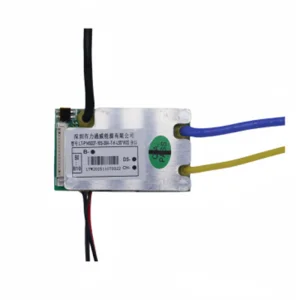
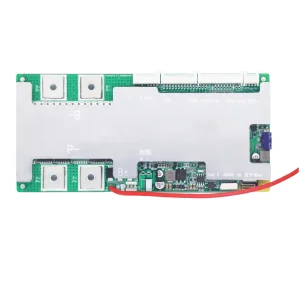
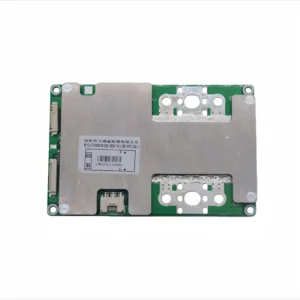
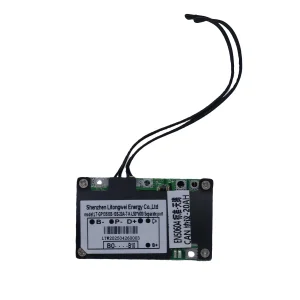
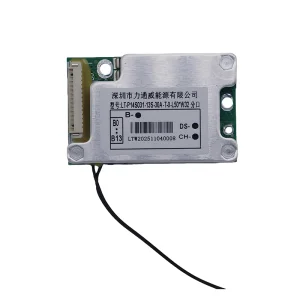
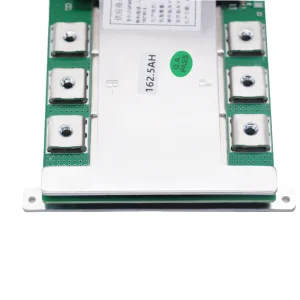
Lithium Iron Phosphate (LiFePO4) battery systems have become the gold standard for high-safety, long-lifecycle energy applications. However, their unique flat discharge curve makes monitoring and cell balancing highly complex. Without proper balancing, variations in capacity, internal resistance, and operating temperature trigger cell-voltage mismatch. Over consecutive charge cycles, these micro-discrepancies compound. One under-charged cell limits the entire pack's discharge capacity, while an over-charged cell risks triggering early overvoltage shutdown or, in severe scenarios, degradation of the electrolyte.
As a leading Custom LiFePO4 Balancer Factory & Company, Litongwei solves this fundamental challenge. We engineer both passive balancing networks (dissipating surplus energy through thermal resistors during the top-off phase) and advanced active balancing systems (transferring charge from higher-energy cells to weaker cells continuously). By maintaining voltage equilibrium within tight margins (under 10mV), our balancing algorithms maximize overall pack capacity, prevent thermal hotspots, and extend cell life by up to 30%.
Our custom balancer systems combine smart telemetry, low-impedance MOSFETs, and high-frequency energy transfer protocols to provide active correction. Whether you are running a 13S micro-mobility pack or a massive multi-series grid energy storage installation, our balancing technologies ensure that every single cell operates in its optimal state of charge (SoC) envelope.
Established in 2005, Shenzhen Litongwei Electronic Technology Co., Ltd. is a national high-tech enterprise dedicated to the R&D and manufacturing of high-performance lithium-ion safety control systems and intelligent BMS balancers. We have pioneered the design of modular balance circuits to serve complex global requirements in the energy sector.
Our product ecosystems are integrated into 3C digital devices, electric scooters, e-bikes, electric motorcycles, utility golf carts, Automated Guided Vehicles (AGVs), unmanned aerial vehicles (drones), heavy industrial power tools, and household micro-inverters. We deliver comprehensive OEM/ODM value by providing intellectual property protection, industry-standard shared board topologies to optimize system costs, full-process MES traceability for strict quality control, and cloud-linked remote monitoring tools for real-time asset management.

The shift toward electrification is driving exponential global demand for intelligent balancing architectures across diverse industrial scales.
Grid-scale systems utilize thousands of individual cells linked in high-voltage series. Our active balancing technologies prevent cell divergence, boosting system efficiency, reducing thermal stresses, and maximizing long-term ROI for power utility projects.
In modern logistics centers, warehouse AGVs and heavy electric forklifts run continuous charge-discharge cycles. Intelligent balancing cuts charging downtime and provides real-time thermal monitoring to ensure warehouse operations run smoothly.
Remote telecom base stations require reliable, long-life backup power. Our custom smart balancers feature integrated RS485/CAN/Bluetooth telemetry, enabling maintenance teams to track cell health over the cloud, avoiding physical site visits.
As lithium battery setups increase in density and capacity, balancing solutions are shifting from basic dissipation boards to connected, active energy-routing platforms.
Transition from Passive to Active Balancing: Standard passive balancing boards bleed excess cell energy off as heat. While cost-effective for smaller consumer electronics, they generate excessive heat inside larger, sealed enclosures. Modern industrial applications are shifting toward active balancing systems. By transferring energy dynamically from strong cells to weak cells, active systems reduce thermal loads and recover energy that would otherwise be wasted.
IoT Integration & Cloud Diagnostics: Today's advanced BMS layouts do more than just measure voltages. They feature integrated Bluetooth, CAN, RS485, and Wi-Fi modules to stream live cell telemetry straight to cloud networks. Using specialized machine learning models, operators can project cell degradation profiles, identify potential anomalies, and execute preventative servicing steps before a pack failure occurs.
Low-Electromagnetic Interference (EMI) Topologies: High-frequency active balancers rely on fast-switching circuits that can generate electromagnetic noise. Modern R&D focus is directed toward soft-switching technologies and shielded board layouts that minimize EMI. This ensures safe operation alongside sensitive communication arrays, medical devices, and aviation instruments.
Regulatory & Environmental Adaptation: Global compliance rules, including EU battery sustainability initiatives, emphasize clean lifecycle tracking and safety. Intelligent balancers play a key role here, helping extend pack longevity to defer recycling demands and logging operations to support secondary-life applications (like repurposing used EV battery modules for solar storage).
LITONGWEI operates on a core philosophy: "Technology as King, Efficient Service" across every stage of our design, assembly, and testing lines. Our vision is to deliver advanced, green energy management solutions that support environmental sustainability worldwide. We build the safety systems and intelligent control layers that make clean energy storage reliable, scalable, and safe for industries everywhere.
Litongwei holds more than 100 patents in the lithium-ion battery protection board industry, with multiple innovations in specialized circuit design, active balancing algorithms, and automated testing programs. This strong IP portfolio helps us safeguard our clients' projects, offering customized circuit designs that mitigate patent infringement risks in sensitive export markets across North America, Europe, and the APAC region.
Twenty years of technology R&D and manufacturing growth in safety protection boards and battery balancing control systems.
Litongwei commenced focused research and production of digital battery management systems in 2005. The company expanded into power battery management system development in 2006 to meet the needs of early electric vehicles. We secured ISO9001 certification in 2007, followed by ISO14001 certification in 2009, establishing a structured quality management system.
During this period, Litongwei grew its IP portfolio, securing 8 key utility model and design patents in 2011 while expanding mobile power board manufacturing. In 2012, we founded the Litongwei Technology Research Institute to focus on active balancing algorithms and high-reliability circuits. In 2014, the company received the Del New Energy Quality Excellence Award, followed by the Gold Partner designation from Gaogong Lithium Battery in 2015.
The company upgraded its ISO9001 and ISO14001 certifications in 2016 and implemented a customized MES factory system for production traceability. We achieved IATF16949 certification in 2018, bringing automotive-grade quality control to our balancer assembly processes. In 2019, Litongwei won the Guangdong Battery Industry Association Innovation Award and was recognized in 2020 as a leading technology brand in lithium battery protection boards for micro-mobility fleets.
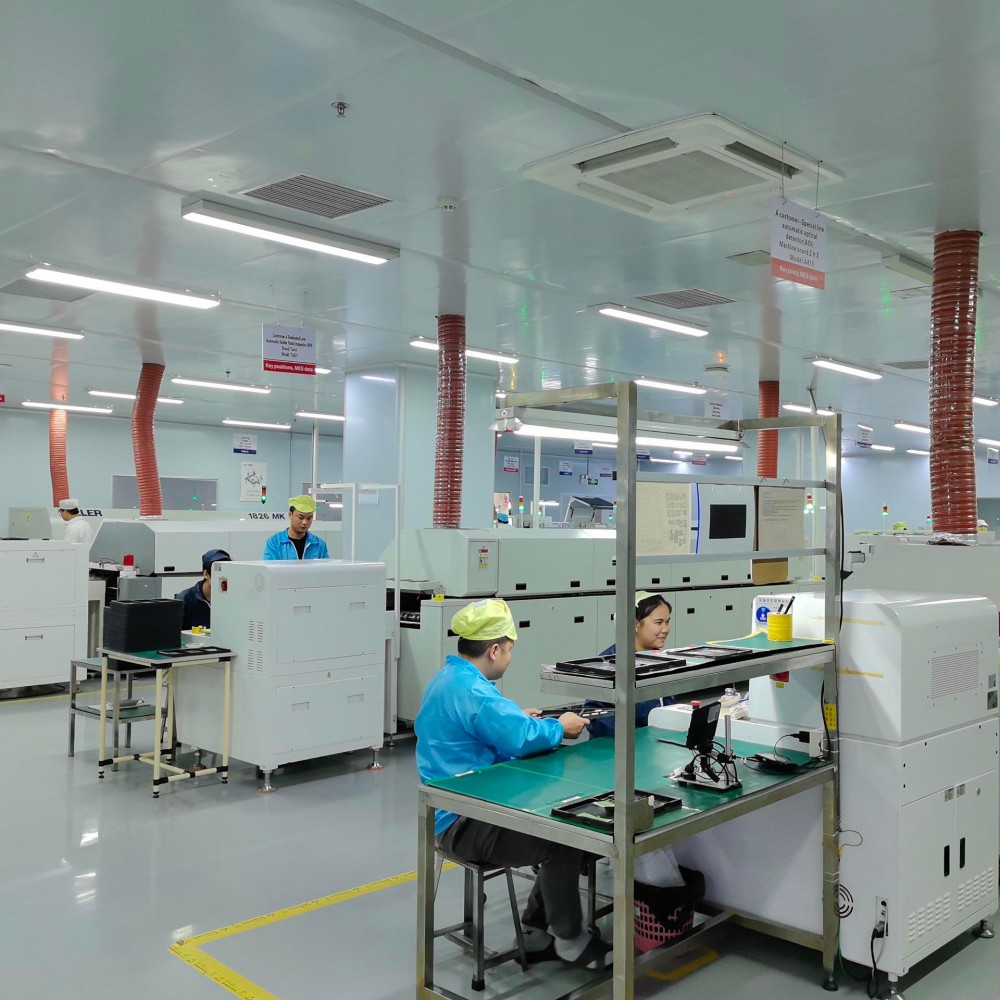
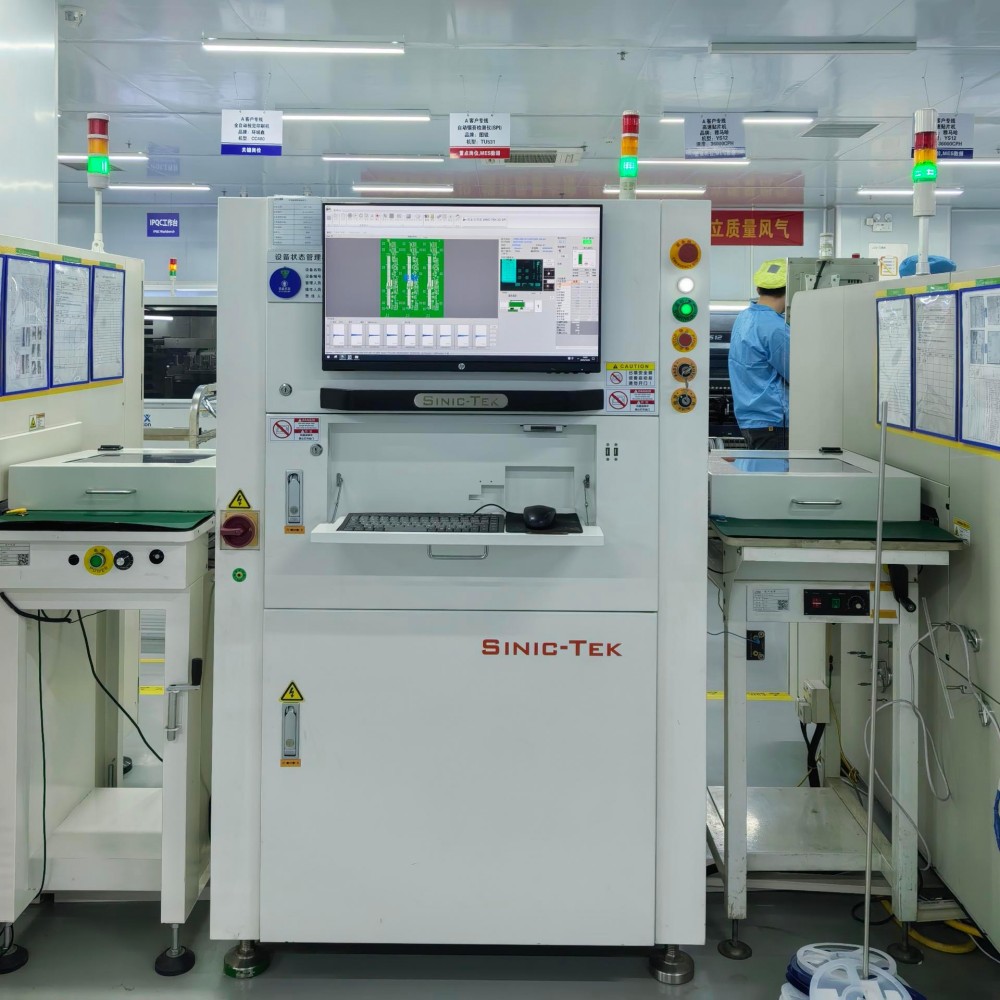
Litongwei has embraced Industry 4.0 by integrating advanced IoT telemetry and automated manufacturing systems. We have expanded our factories in both Shenzhen and Dongguan, utilizing automated optical inspection (AOI) and fast pick-and-place lines to support high-volume, custom smart balancer orders for global energy storage, commercial mobility, and green energy applications.
Combining large-scale manufacturing capacity with extensive R&D focus and strict quality standards to serve demanding markets.
Our facility in Shenzhen spans over 13,000 square meters of independent manufacturing space, and our Dongguan Huangjiang factory adds 27,000 square meters. Equipped with 24 high-speed pick-and-place systems and 12 automated PCBA lines, Litongwei reaches a monthly output of over 15 million units.
We commit over 10% of our annual sales revenue to R&D. Our team of engineers focuses on active balancing logic, thermal safety designs, high-voltage battery management systems, and specialized communications interfaces to meet customer requirements.
We utilize a tailored MES system that tracks every step of production. From raw materials selection and component placement to automated electrical testing, each manufactured board has a traceable digital record to support quality control.
Our long-term collaboration with major electronics and battery brands highlights our focus on reliability, custom engineering support, and supply chain stability.













We support custom engineering requirements, tailoring parameters to fit our clients' project criteria.
Each battery project brings distinct electrical and mechanical criteria. Litongwei offers a structured co-development workflow. Our engineering team reviews the specific application parameters—including continuous charge/discharge limits, operating temperature ranges, communication protocols, physical dimensions, and balancing current targets (ranging from 50mA passive layouts up to 5A active configurations).
We build fully customized prototypes, conduct extensive environmental chamber runs and electrical testing, and coordinate regulatory compliance tests (including UN38.3, IEC62133, UL, CE, and FCC). By utilizing shared hardware bases where appropriate, we help clients control prototyping costs and shorten development schedules, moving projects efficiently from initial design to automated mass production.
Custom multi-layer PCBs, optimized thermal layouts, low-resistance MOSFETs, and integrated communication transceivers.
Dynamic SoC tracking, programmable balance-start thresholds, over-current protection logic, and diagnostic firmware.
CAN bus, RS485, SMBus, I2C, and Bluetooth options for clear telemetry access.
Automated SMT, AOI, high-current load testing, and temperature calibration checks.
Answers to common technical, engineering, and sourcing questions about LiFePO4 balancers and battery protection systems.
Browse our complete range of high-efficiency inverters, custom protection boards, and smart balancing systems.
 Litongwei Electronic