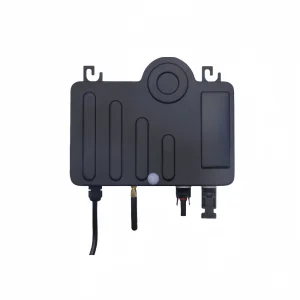
Explore our high-performance power management systems, micro-inverters, and smart communication accessories designed for industrial reliability.
As the world pivots toward sustainable energy architectures, the 48V DC nominal standard has solidified its position across telecom infrastructure, residential solar storage (ESS), industrial AGVs, and micro-grid solutions. A 16S LiFePO4 Battery Management System (BMS) acts as the central brain for these 51.2V energy clusters. It regulates cell voltages, controls thermal limits, communicates complex state vectors to inverters, and safeguards heavy investments in battery assets.
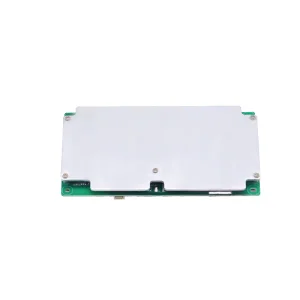
Without a highly customized and robust 16S BMS, lithium iron phosphate cells risk localized overcharging, accelerated degradation, thermal stress, and imbalance. As premium custom manufacturers, we provide bespoke topologies designed specifically for high-capacity applications, integrating cutting-edge active balancing, sub-millivolt metering accuracy, and redundant safety paths. Our systems are engineered to transform passive chemistry into intelligent energy infrastructure.
Unlike traditional 15S (48V) battery packs which exhibit a lower average working voltage (typically dropping to 48V quickly under load), a 16S configuration delivers a sustained 51.2V nominal voltage. This perfectly aligns with modern telecom equipment and hybrid solar inverters, maximizing performance, reducing current requirements, and lowering overall transmission heat losses.
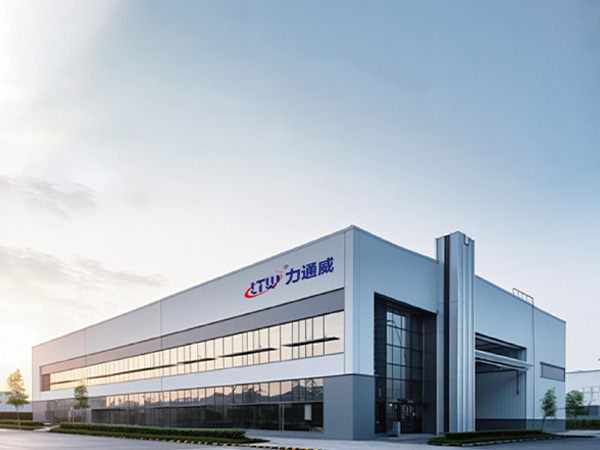
Established in 2005, Shenzhen Litongwei Electronic Technology Co., Ltd. is a national high-tech enterprise specializing in the R&D and manufacturing of lithium-ion safety control systems (BMS). Our products are widely used in 3C digital devices, electric scooters, bicycles, motorcycles, tricycles, golf carts, AGVs, drones, and power tools. We provide intellectual property protection (patent collaboration to prevent infringement), industry-standard shared boards (cost reduction and efficiency improvement), full-process traceability (quality control), and remote maintenance (cloud platform support) to help clients address technical, cost, and operational challenges. By choosing us, you'll receive top-tier products and services. Litongwei is committed to collaborating with you to build a brighter future.
LITONGWEI has always adhered to the philosophy of "Technology as King, Efficient Service" in all aspects of production and operations. Our vision is to become a leading provider of intelligent green energy management solutions, embracing environmental sustainability.
Through rigorous investments in multi-layer PCBA designs, complex simulation laboratories, and robust testing mechanisms, we ensure every custom BMS board operates flawlessly in diverse environmental conditions.
Technology-driven growth. In 2005, the company commenced R&D and manufacturing of digital Battery Management Systems (BMS). By 2006, it expanded into power battery management system development. ISO9001 certification was obtained in 2007, followed by ISO14001 certification in 2009.
Technological advancement. The company secured 8 utility model and design patents in 2011, while expanding its mobile power bank manufacturing operations. The Litongwei Technology Research Institute was established in 2012. It received the Del New Energy Quality Excellence Award in 2014 and earned the Gold Partner title from Gaogong Lithium Battery in 2015.
Digital transformation. The company upgraded its ISO 9001 and ISO14001 certifications in 2016, achieved IATF16949 certification in 2018, and implemented an MES system for warehouse automation. It was awarded the Guangdong Battery Industry Association Innovation Award in 2019 and recognized as a leading brand in lithium battery protection board technology for two-wheeled vehicles in 2020.
Smart Manufacturing+. Litongwei Electronics continues to innovate, deepening its technological expertise while embracing IoT and Industry 4.0. Through its Smart Manufacturing+ strategy, the company drives industrial transformation and upgrading.
Litongwei's partners include Huawei, Lenovo, Desay, Guoguang, Sunwoda, Eve Energy, Guoxuan High-tech, and other industry brand clients who have collaborated for many years.









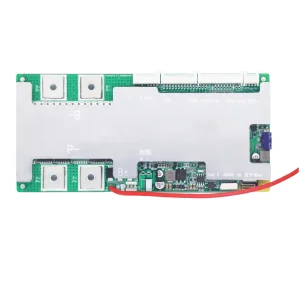
A custom 16S BMS does more than monitor simple parameters; it utilizes highly sophisticated micro-controller topologies and analog front-ends (AFE) to evaluate cell states under extreme dynamic loads. Key technical vectors include:
While passive balancing dissipates excess energy as heat (often limited to 30mA - 100mA), our active balancing systems utilize capacitive or inductive charge transfer mechanisms (ranging from 1A to 5A). This effectively redistributes energy from higher-voltage cells to lower-voltage cells, boosting overall pack capacity by up to 15% and extending system service life.
Equipped with 32-bit ARM Cortex processors, our custom BMS executes real-time Extended Kalman Filter (EKF) algorithms. This ensures State of Charge (SOC) and State of Health (SOH) calculations remain accurate within a ±2% margin, mitigating risks related to cell variance and temperature drift.
Seamless communications are realized through fully isolated CAN bus, RS485, Modbus, and Bluetooth interfaces. Supported out-of-the-box are protocols for major solar inverter brands, guaranteeing reliable handshakes and dynamic charging adjustments.
For commercial applications requiring high continuous currents (100A, 150A, or 200A), thermal design is critical. Litongwei incorporates high-power low-RDS(on) MOSFETs alongside engineered copper busbars and dedicated aluminum heat sinks. An NTC temperature matrix guarantees real-time localized temperature sensing. In ultra-low temperature environments, the BMS activates integrated heating pads, safely preheating the battery before initiation of charge cycles.
High-reliability BMS manufacturing demands rigorous quality gates and massive scale. Our production ecosystems are designed to satisfy international tier-one buyers with high capacity, precise manufacturing tolerances, and end-to-end traceability.
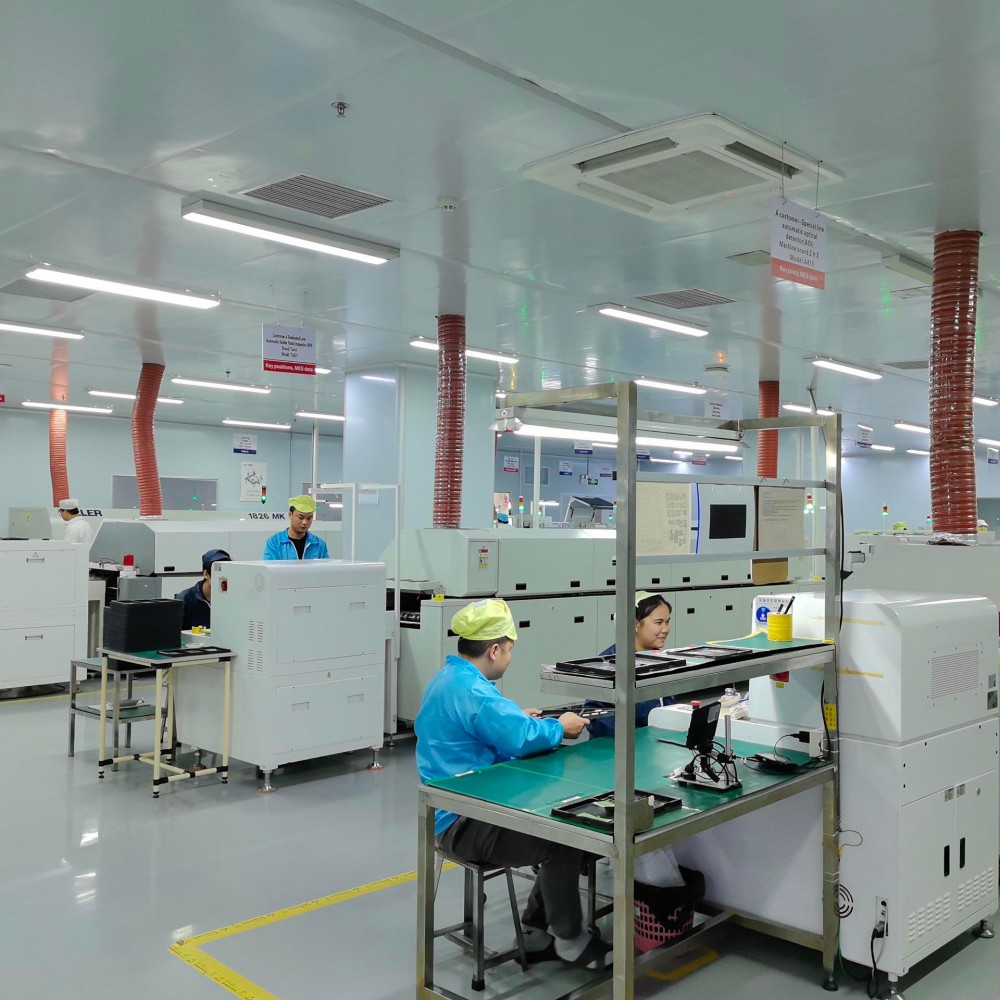
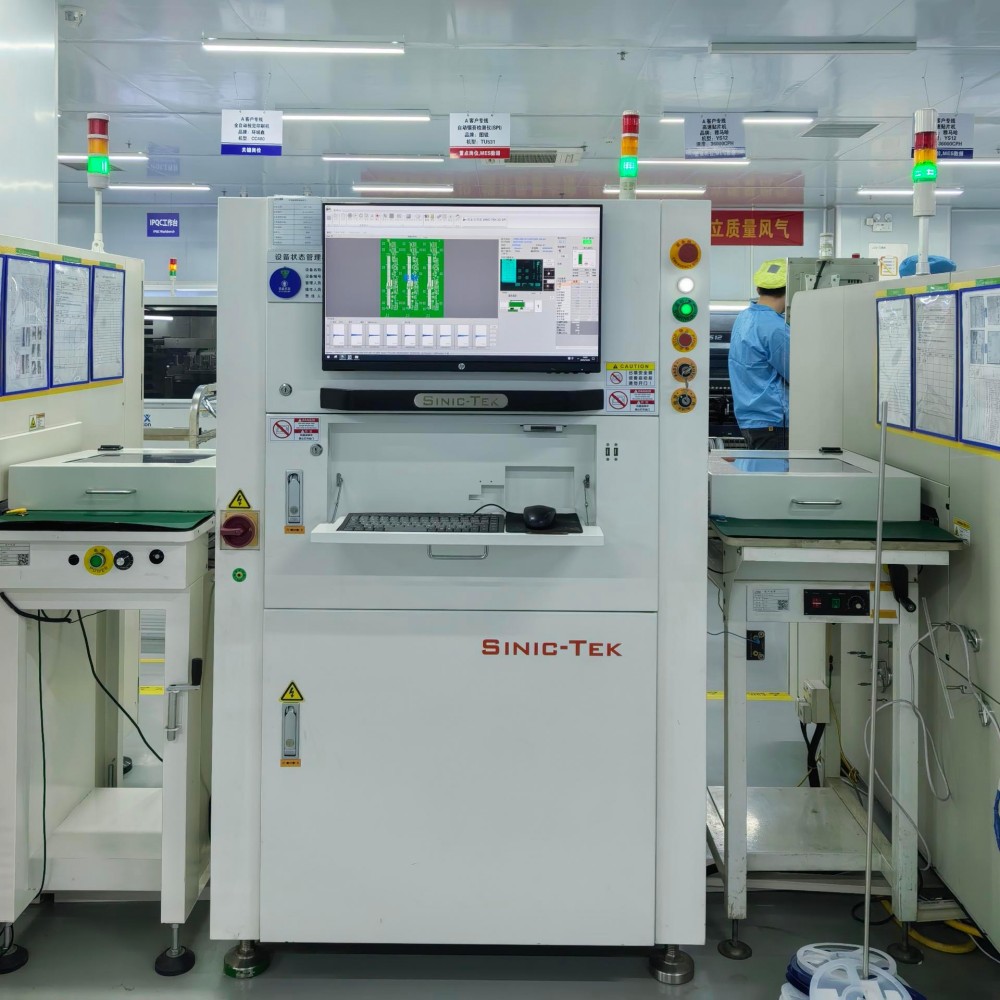
Shenzhen houses over 13,000 square meters of independent factory space, while Dongguan Huangjiang hosts an additional 27,000 square meters. The facilities are equipped with 24 high-speed SMT pick-and-place lines and 12 PCBA production lines, allowing our monthly output to exceed 15 million units.
To maintain technical superiority, Litongwei has consistently allocated over 10% of its annual sales revenue to R&D for five consecutive years. This fund supports advanced algorithm refinement, functional safety engineering, and high-frequency testing environments.
Holding more than 100 patents in the lithium-ion protection board industry, Litongwei specializes in customized circuits, high-accuracy automatic test equipment (ATE) programming, and complex embedded software. We offer complete intellectual property safety, working hand-in-hand with clients to mitigate infringement liabilities.
Standard off-the-shelf protection boards fail to meet the dynamic thermal and physical demands of heavy industrial systems. Customizing the BMS hardware profile and firmware parameters is mandatory for the following core markets:
Telecommunications networks require 99.999% uptime. Under standard layouts, base stations run at 48V, making 16S LiFePO4 battery modules the ideal match. Custom CAN and RS485 interfaces allow central base station controllers to monitor SOC/SOH, while active thermal protections guarantee safe operation in non-climate-controlled environments.
Residential and commercial energy storage demands high cyclic stability. Our 16S intelligent BMS includes dual-protocol profiles allowing direct pairing with popular hybrid inverters. Standardized Bluetooth and WiFi links enable installers and homeowners to read live battery metrics on dedicated applications.
Industrial warehouse vehicles encounter continuous shocks, vibrations, and high surge currents during acceleration. Our BMS design boasts reinforced mounting points, heavy copper traces, and solid-state high-side switching elements. Built-in pre-charge circuits protect the system from massive capacitive inrush currents.
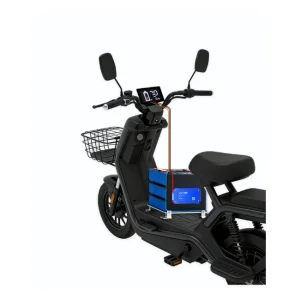
From golf carts to electric utility vehicles, reliable operations require fine-grained state estimations. Our intelligent SOC algorithm prevents sudden shutdowns when climbing inclines, and on-board heating ensures rapid charging during winter months, eliminating typical cold-weather range degradation.
Safety is the absolute priority when managing high-capacity lithium-ion setups. At Litongwei, our R&D is geared toward functional safety structures, following strict international regulations.
We align our designs with UL 1973, UL 9540A, and IEC 62619 guidelines. Our manufacturing centers are certified under ISO 9001, ISO 14001, and the stringent automotive quality standard IATF 16949, ensuring consistent performance and minimum defect rates.
Through our factory MES system, every BMS receives a unique laser-etched matrix code. This enables 100% full-process traceability from individual chip batch codes and soldering furnace parameters to the final automated functional test reports.
Incorporating IoT gateways allows real-time telemetry streaming to cloud dashboards. Operators can run predictive analytics, trace localized cell voltage drift, and deploy secure over-the-air (OTA) firmware patches safely.
Our future roadmap includes building machine-learning model libraries directly into the BMS firmware. By checking dynamic impedance and micro-voltage fluctuation patterns, the BMS can predict internal short circuits or localized dendrite growth up to 48 hours before an actual safety event, taking preventative measures automatically.
Get answers to critical technical questions regarding the selection, customization, and implementation of 16S LiFePO4 BMS architectures.
Select the ideal electronics component package to construct your next battery system.
 Litongwei Electronic