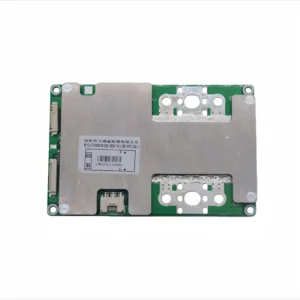
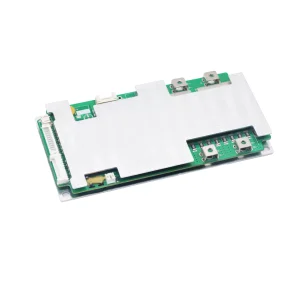
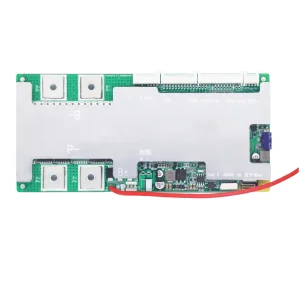
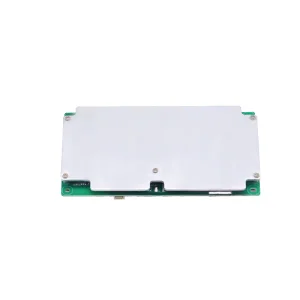
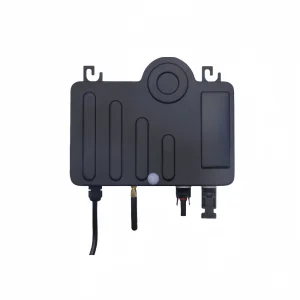
The global transition toward electrification across automotive, grid energy storage systems (ESS), and micro-mobility has placed energy efficiency and cell safety at the forefront of engineering challenges. Lithium-ion battery packs consist of multiple cells in series and parallel. Due to inherent manufacturing tolerances, internal resistance variances, and non-uniform thermal distribution, individual cells degrade at different rates. Without precise cell balancing, the entire battery pack suffers from premature capacity loss, accelerated aging, and potential safety risks like thermal runaway.
Custom lithium battery balancers—designed as hardware circuits integrated within or complementing Battery Management Systems (BMS)—act as the vital equalizer within the system. They operate through either passive dissipation (shunting excess energy via bypass resistors) or active redistribution (transferring energy from higher-voltage cells to lower-voltage cells using capacitive, inductive, or transformer-based topologies).
Industries worldwide are realizing that standard, off-the-shelf balancers cannot meet the rigorous performance constraints of customized industrial hardware. From high-voltage utility storage arrays to compact power tools, customized parameters—such as balancing current thresholds, dynamic thermal dissipation, and communication protocols—have become essential. Leading manufacturers must offer scalable technologies capable of adapting to diverse chemical structures, including Lithium Iron Phosphate (LiFePO4), Lithium Nickel Manganese Cobalt Oxide (NMC), and emerging solid-state chemistries.
Traditional passive balancing is limited to 50mA to 200mA due to thermal constraints. Industrial applications now require dynamic active balancing systems capable of delivering 1A to 10A of charge transfer. This dramatically minimizes state-of-charge (SoC) dispersion in massive multi-cell configurations.
By leveraging IoT interfaces (Wi-Fi, Bluetooth, and cellular), balancing data is transmitted to cloud networks. Neural network models predict cell degradation patterns, optimize balancing strategies in real-time, and calculate State of Health (SoH) and remaining useful life (RUL) with high precision.
Compliance with ISO 26262 (ASIL-D) in automotive and IEC 62619 / UL 1973 in stationary storage applications is mandatory. Modern customizable balancers integrate redundant voltage measurement channels, broken-wire detection, and galvanic isolation to guarantee safe operations during abnormal events.
We are Shenzhen Litongwei Electronic Technology Co., Ltd., established in 2005, a national high-tech enterprise specializing in the R&D and manufacturing of lithium-ion safety control systems. Our products are widely used in 3C digital devices, electric scooters, bicycles, motorcycles, tricycles, golf carts, AGVs, drones, and power tools.
We provide intellectual property protection (patent collaboration to prevent infringement), industry-standard shared boards (cost reduction and efficiency improvement), full-process traceability (quality control), and remote maintenance (cloud platform support) to help you address technical, cost, and operational challenges. By choosing us, you'll receive top-tier products and services. Litongwei is committed to collaborating with you to build a brighter future together.
LITONGWEI has always adhered to the philosophy of "Technology as King, Efficient Service" in all aspects of production and operations. Our vision is to become a provider of intelligent green energy management solutions, embracing environmental sustainability. Start with LITONGWEI!

In 2005, the company commenced R&D and manufacturing of digital Battery Management Systems (BMS). By 2006, it expanded into power battery management system development. ISO9001 certification was obtained in 2007, followed by ISO14001 certification in 2009.
The company secured 8 utility model and design patents in 2011, while expanding its mobile power bank manufacturing operations. The Litongwei Technology Research Institute was established in 2012. It received the Del New Energy Quality Excellence Award in 2014 and earned the Gold Partner title from Gaogong Lithium Battery in 2015.
The company upgraded its ISO 9001 and ISO14001 certifications in 2016, achieved IATF16949 certification in 2018, and implemented an MES system for warehouse automation. It was awarded the Guangdong Battery Industry Association Innovation Award in 2019 and recognized as a leading brand in lithium battery protection board technology for two-wheeled vehicles in 2020.
Litongwei Electronics continues to innovate, deepening its technological expertise while embracing IoT and Industry 4.0. Through its Smart Manufacturing+ strategy, the company drives industrial transformation and upgrading.
Optimal cell balancing configurations vary across industries and geographies based on operational environments, thermal variations, and usage cycles. Our engineers design localized balancing architectures to address these requirements:
Remote telecom backup power plants operate in extreme conditions. Custom balancers integrated with heater pathways ensure that during freezing cycles, cell balancing functions efficiently alongside internal heating protocols to prevent lithium plating.
Automated Guided Vehicles (AGVs) rely on rapid-charging lithium chemistries (LTO or fast-charge LFP). Custom active balancers perform high-current transfers during opportunity charging intervals, preventing cell voltage divergence under high-current rates.
Electric micromobility packs experience variable charging schedules and heavy vibrations. Lightweight, custom protective boards with Bluetooth-enabled cell balancing allow field operators to monitor cell status via mobile applications.
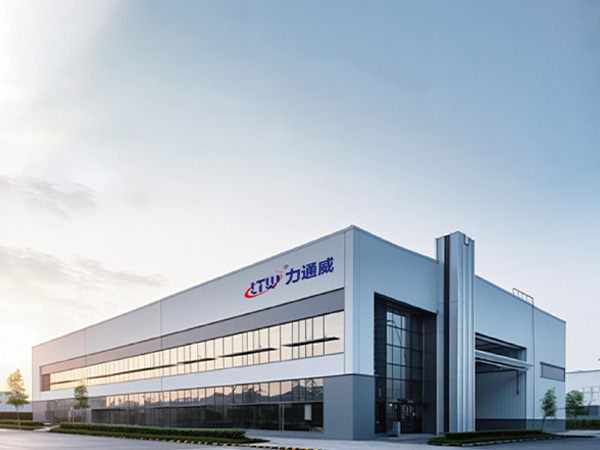
The battery management industry is transitioning from classic passive shunt balancing to highly dynamic, software-defined architectures. Currently, passive balancing remains highly effective for lower-capacity configurations, such as consumer electronics and smaller electric tools. However, for utility-scale energy storage and light electric vehicle propulsion, active balancing has emerged as the definitive path forward.
Our research focuses on chip-level integration, combining the high-voltage multiplexers, ADC sampling channels, and gate-driver networks of active balancers into a single integrated circuit (IC). Additionally, wireless BMS (wBMS) is rapidly gaining ground, eliminating heavy physical communication harnesses in large battery packs. This configuration requires wireless-enabled balancers to perform localized calculations, communicating status updates through low-power radio protocols.
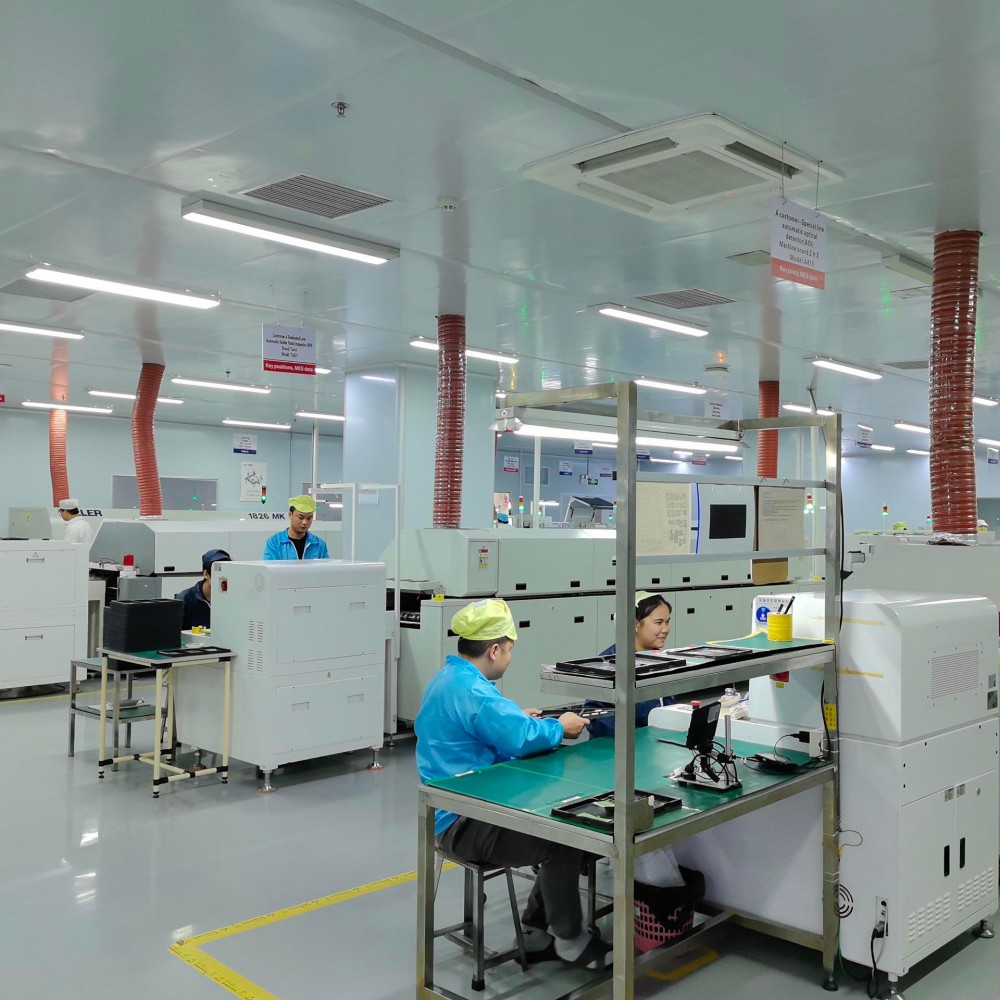
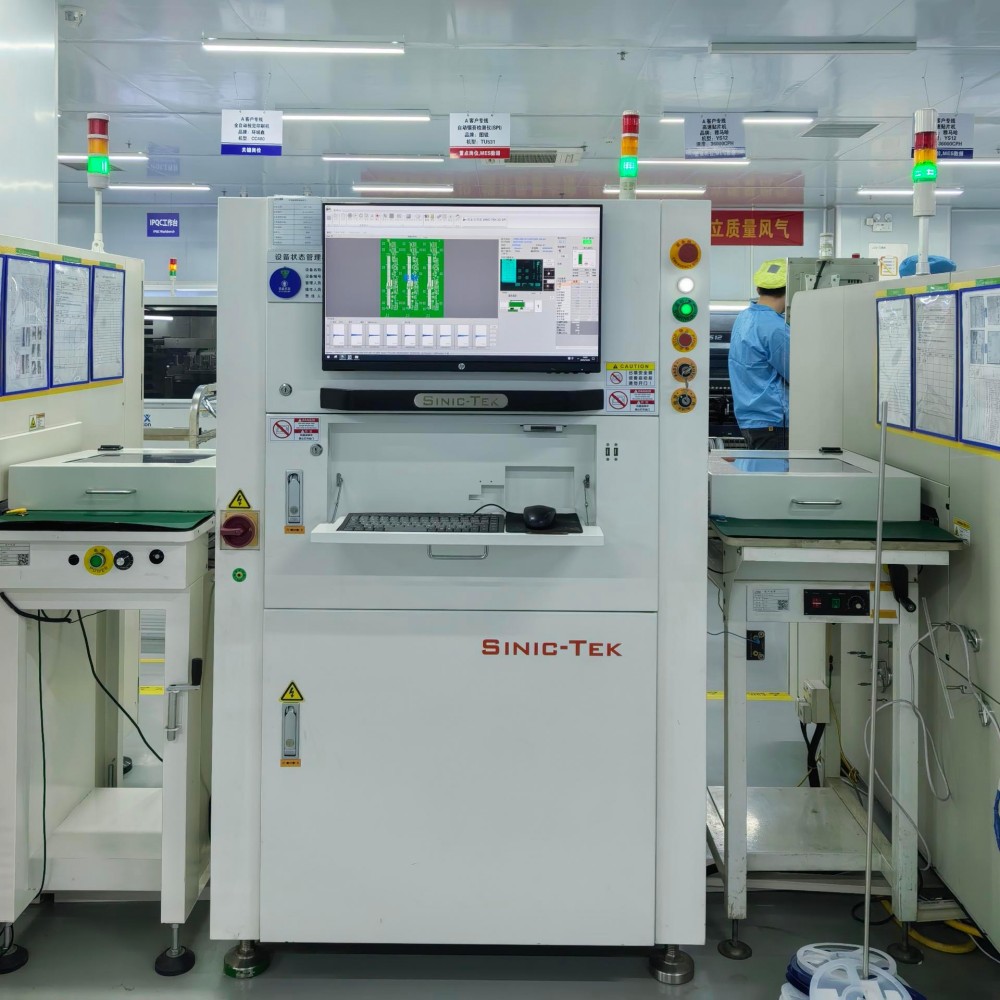
Shenzhen has over 13,000 square meters of independent factory space, and Dongguan Huangjiang has 27,000 square meters. The company is equipped with 24 pick-and-place machines for high-speed assembly and 12 PCBA production lines, with Litongwei's monthly output reaching over 15 million units.
Litongwei's R&D investment has consistently accounted for more than 10% of the company's sales for five consecutive years. This funding directly drives our advances in active balancing chips and safety control systems.
The company holds over 100 patents in the lithium-ion battery protection board industry, along with multiple patents in circuit/testing programs and automation. We provide enhanced intellectual property protection for clients and collaborate with them to mitigate infringement risks.
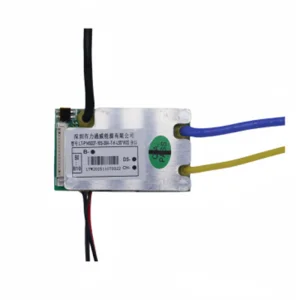
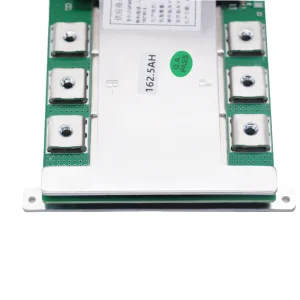
Litongwei's partners include Huawei, Lenovo, Desay, Guoguang, Sunwoda, Eve Energy, Guoxuan High-tech, and other industry brand clients who have collaborated for many years.













 Litongwei Electronic