Explore our high-performance standard and customization battery management systems engineered for industrial reliability and smart integration.
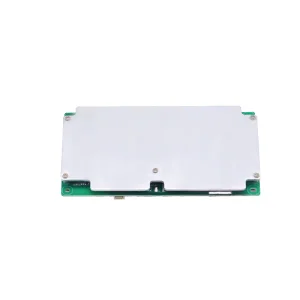
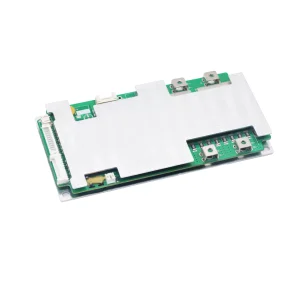
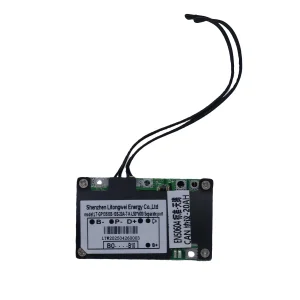
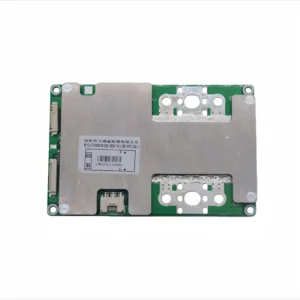
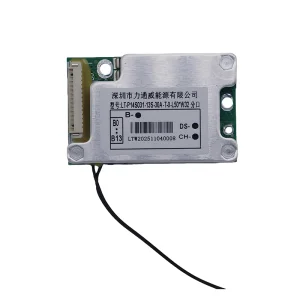
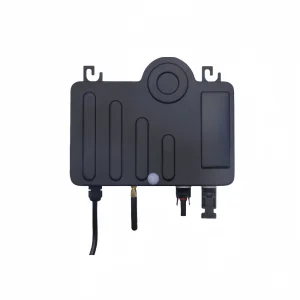
An in-depth professional overview of global market demands, technology directions, and macro energy architectures.
As the global community accelerates toward carbon neutrality, the integration of high-density lithium-ion batteries across automotive, industrial energy storage systems (BESS), and consumer sectors has grown exponentially. The Battery Management System (BMS) serves as the essential logic-controller and safety safeguard of this revolution. No longer just a safety fuse, modern BMS units act as edge computers. Globally, demanding regulations like UN 38.3, UL 1973, and IEC 62619 require extreme levels of validation, forcing global enterprises to seek direct collaboration with specialized custom BMS factories to meet localized compliance, thermal management requirements, and mechanical parameters.
Industry demands are migrating rapidly from analog protection circuits to digital, communication-enabled smart BMS solutions. Key trends include the integration of IoT wireless telemetry (via Bluetooth, Wi-Fi, or Cellular bands), the widespread application of active balancing topologies to extend battery lifespans by up to 25%, and the inclusion of intelligent self-heating modules to allow safe sub-zero operations. The development of dual-processor architectures is also on the rise, meeting Functional Safety standards (ISO 26262 ASIL-D / IEC 61508) in high-risk mobile applications such as electric vehicles and autonomous robotics.
Operating conditions vary drastically by geography. In North America and Europe, large-scale residential storage (micro-inverters and balcony PV storage) requires strict UL certification, IP67 all-weather protection, and seamless inverter communications. In the APAC and LATAM regions, electric micro-mobility (scooters, tricycles, AGVs, golf carts) is the primary driver, demanding high peak-current protection, robust anti-vibration structural designs, and cost-efficient architectures. Localized parameters must be programmed directly on-site or configured remotely through specialized cloud platforms.
How edge AI, cloud telemetry, and high-performance safety standards are shaping next-generation battery protection systems.
Modern energy systems operate in environments that demand continuous data exchange. The integration of Bluetooth modules facilitates local calibration and real-time parameters monitoring through custom mobile apps. Simultaneously, industrial interfaces like CAN-bus, RS485, and Modbus allow the BMS to synchronize data dynamically with central control hubs, electric vehicle ECUs, or photovoltaic micro-inverters.
Under cold-weather conditions, charging lithium-ion batteries causes lithium plating, leading to permanent capacity degradation and potential short circuits. By integrating smart sensor configurations and silicon heating blankets directly controlled by the BMS microprocessor, our boards safely pre-heat cells using external power sources before starting the charging cycle, extending the battery's lifespan.
Traditional coulomb counting methods suffer from accumulated drift, resulting in inaccurate battery status reports. The integration of edge computing algorithms like the Extended Kalman Filter (EKF) and neural network approximations within our customized microcontrollers enables state-of-charge (SoC) and state-of-health (SoH) diagnostics to maintain an accuracy deviation of less than 2% throughout the life of the pack.
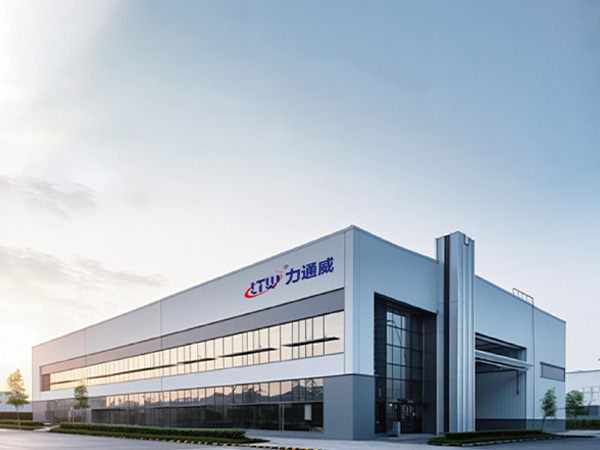
Established in 2005, Litongwei is a national high-tech enterprise specializing in the research, development, and manufacturing of state-of-the-art lithium-ion safety control systems and intelligent BMS solutions. Based in the heart of China’s electronics capital, we focus on providing clients with reliable battery protection strategies that drive product life, safety, and efficiency.
Our diverse portfolio includes products widely used in 3C digital devices, electric scooters, bicycles, motorcycles, tricycles, golf carts, AGVs, drones, and power tools. Beyond core BMS hardware, our solutions incorporate intellectual property protection (preventing system replication and infringement), industry-standard shared boards (designed to reduce development costs and improve efficiency), full-process quality traceability, and remote cloud platform maintenance for diagnostics and field updates.
Our core operating philosophy is "Technology as King, Efficient Service." We strive to lead the green energy transition through innovative BMS architectures, helping our global clients achieve reliable, sustainable, and high-performance energy storage solutions. Start your journey to optimized energy safety with LITONGWEI!
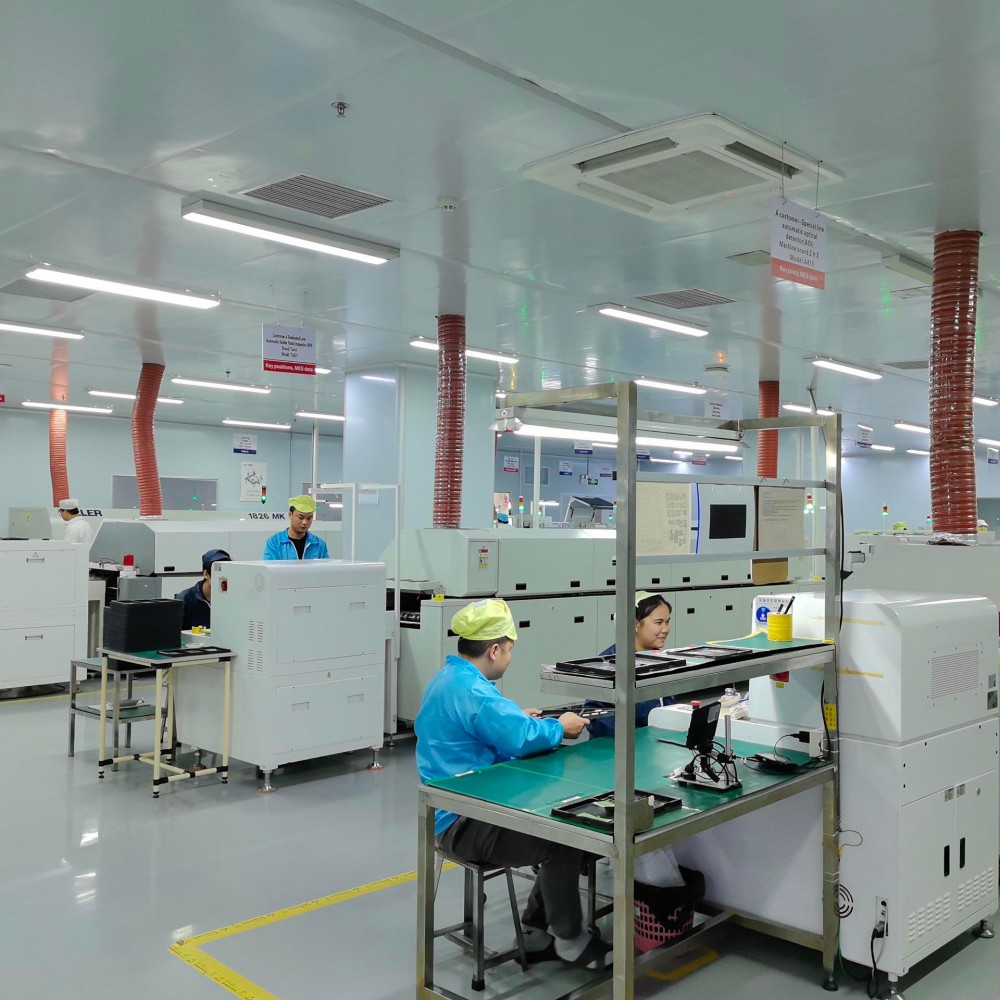
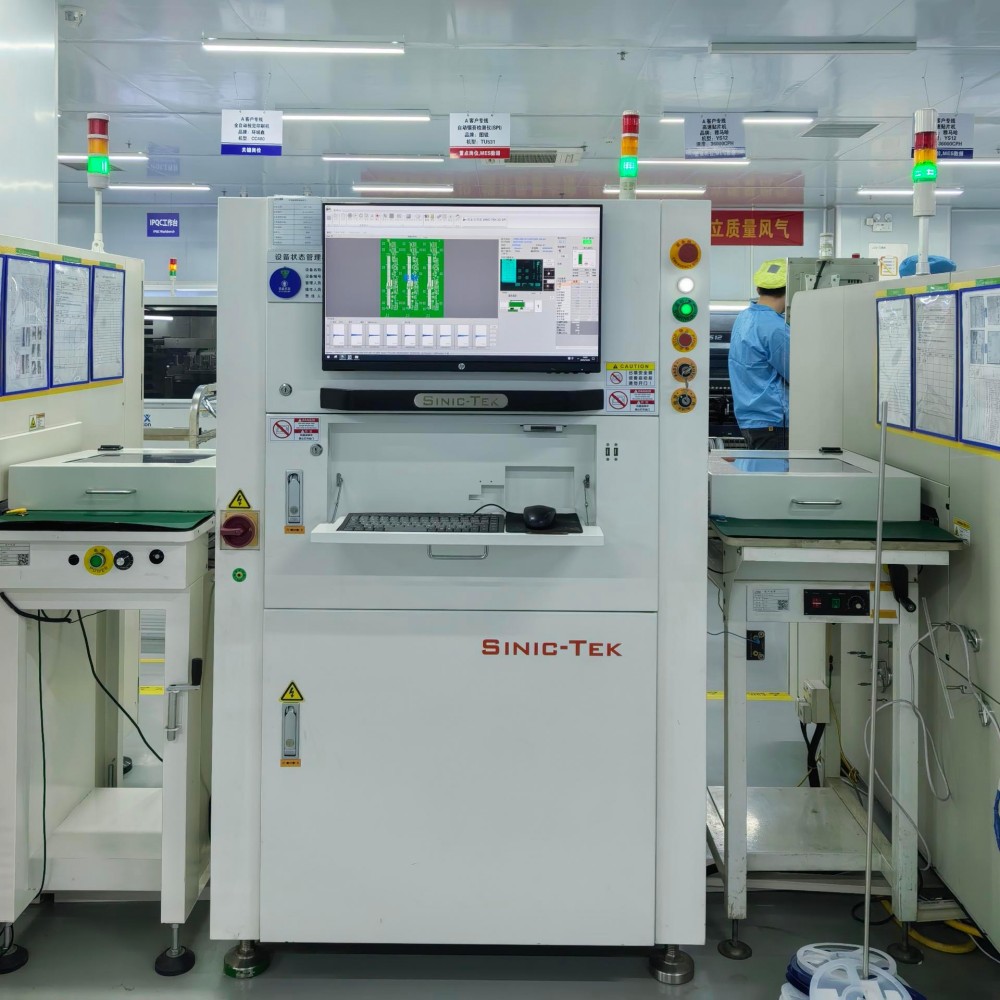

A history of technological development, manufacturing growth, and innovation milestones over two decades.
In 2005, the company commenced R&D and manufacturing of digital Battery Management Systems (BMS). By 2006, it expanded into power battery management system development. ISO9001 certification was obtained in 2007, followed by ISO14001 certification in 2009.
The company secured 8 utility model and design patents in 2011, while expanding its mobile power bank manufacturing operations. The Litongwei Technology Research Institute was established in 2012. It received the Del New Energy Quality Excellence Award in 2014 and earned the Gold Partner title from Gaogong Lithium Battery in 2015.
The company upgraded its ISO 9001 and ISO14001 certifications in 2016, achieved IATF16949 certification in 2018, and implemented an MES system for warehouse automation. It was awarded the Guangdong Battery Industry Association Innovation Award in 2019 and recognized as a leading brand in lithium battery protection board technology for two-wheeled vehicles in 2020.
Litongwei Electronics continues to innovate, deepening its technological expertise while embracing IoT and Industry 4.0. Through its Smart Manufacturing+ strategy, the company drives industrial transformation and upgrading.
Collaborating with global leading consumer electronics and energy providers to build a safer, cleaner, and smarter world.














Addressing the technical, regulatory, and production issues in custom lithium-ion battery management development.
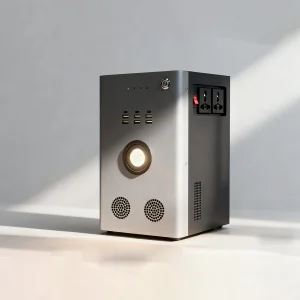
Complete your energy storage ecosystem with our high-reliability micro-inverters, outdoor storage accessories, and smart BMS integrations.

 Litongwei Electronic