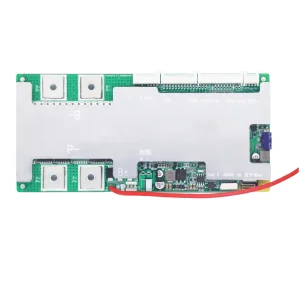
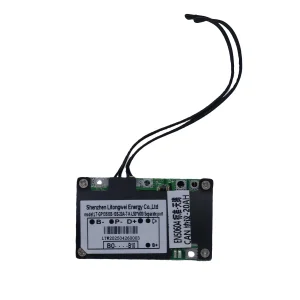
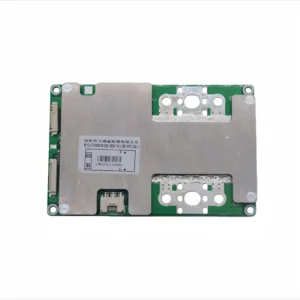
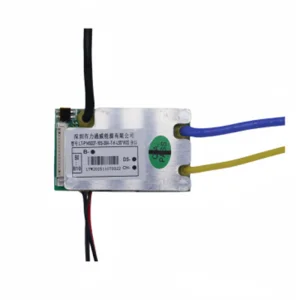
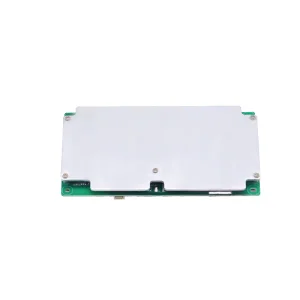
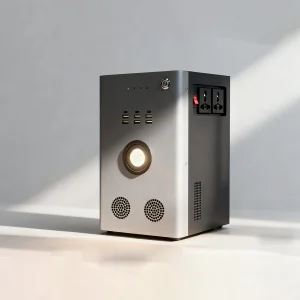
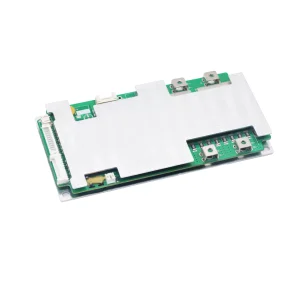
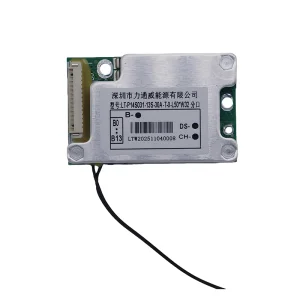
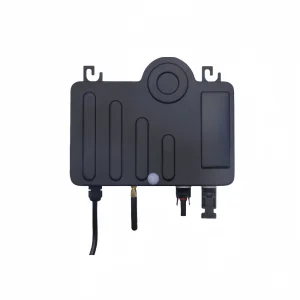
As the world transitions to decentralized renewable grids, urban micro-mobility, and intelligent automated warehouse networks, the performance and reliability of lithium battery packs rely fundamentally on the sophistication of their Battery Management Systems (BMS). Today, a standard protection board is no longer sufficient. Industrial buyers demand customized BMS topologies that mitigate risk, optimize State of Charge (SoC), manage State of Health (SoH) diagnostics, and communicate seamlessly via digital networks.
Established in 2005, Shenzhen Litongwei Electronic Technology Co., Ltd. has positioned itself at the cutting edge of battery safety system design and intelligent factory manufacturing. By bridging the gap between bespoke circuit topology development and large-scale, automated production facilities, we deliver high-reliability hardware solutions tailored to specific commercial demands.
Off-the-shelf protection boards fail to deliver the granular control needed for high-demand deployments. Our engineers collaborate directly with procurement offices and electrical engineers worldwide to address critical barriers:
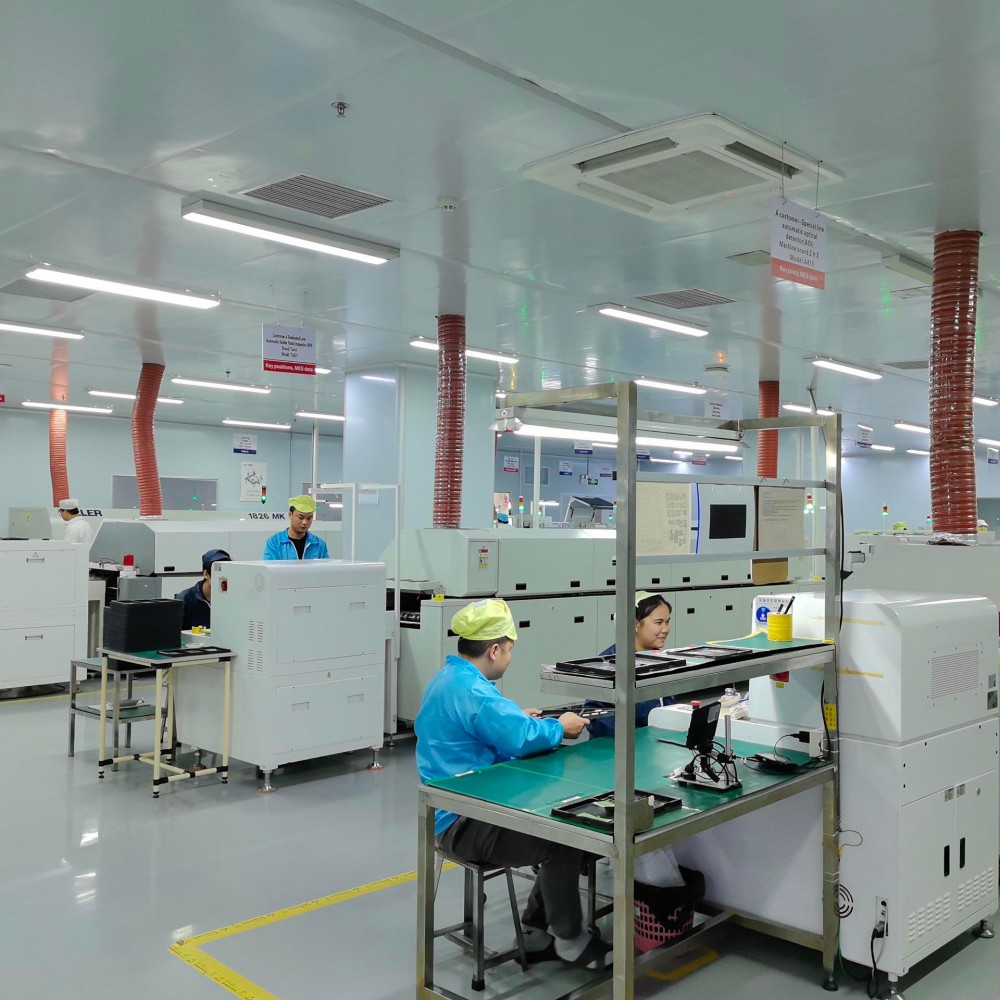
Litongwei operates an advanced footprint consisting of two dedicated manufacturing plants. Our headquarters and high-speed R&D center in Shenzhen spans over 13,000 square meters of specialized lab and pilot production lines. Additionally, our automated mass-production facility in Dongguan Huangjiang covers 27,000 square meters, creating a combined production footprint of 40,000 square meters configured for efficient material routing and lean assembly cycles.
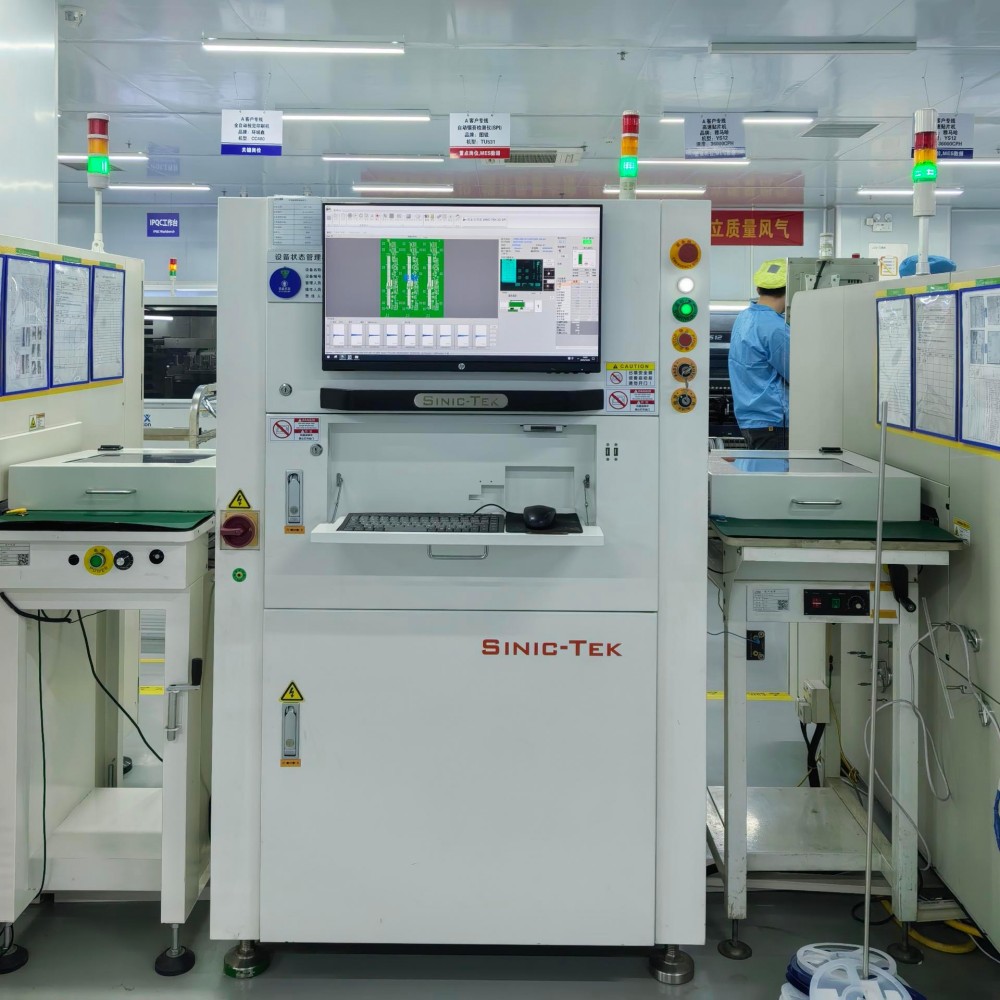
Equipped with 24 ultra-high-speed SMT pick-and-place lines and 12 dedicated PCBA processing tracks, our automated lines mount precision components with exceptional repeatability. With an overall output capability of 15 million units per month, our manufacturing resources dynamically scale up to meet spikes in seasonal demand while preserving tight tolerances for component placement, soldering thickness, and joint integrity.
Quality control is managed through our integrated Manufacturing Execution System (MES), which coordinates with our smart warehouse automation. From the moment component reels arrive, they are assigned a unique digital tracking code. Each SMT pass, AOI (Automated Optical Inspection), functional circuit test, and final aging test is logged under a centralized serial profile. This provides OEM/ODM clients with a traceable record of product reliability.
In international logistics, safety regulations dictate where and how energy storage systems are deployed. The implementation of standards like UN38.3, UL2580, IEC62619, and the rigorous automotive standard IATF 16949 has elevated the required engineering baseline for lithium battery protection. In Europe and the Americas, compliance is not just about avoiding failure; it is about proving functional safety.
Shenzhen Litongwei Electronic Technology addresses this landscape with an engineering approach centered on smart hardware configurations. By integrating high-resolution analog front ends (AFEs), secondary hardware overvoltage protection pathways, and smart microcontrollers (MCUs) that execute redundant safety loops, our designs protect systems even in the event of an primary processor fault.
"By dedicating over 10% of our gross annual revenue directly back into our in-house Research Institute for five consecutive years, we have accumulated over 100 industry-shaping patents across cell monitoring, thermal protection, and low-power standby operations."
Our product variants are engineered to excel in localized micro-environments. From multi-stage safety boards operating in high-humidity micro-mobility setups to low-draw backup systems designed for high-stress telecom base stations, our designs adapt to diverse operating conditions.
For operations in cold climates, our custom 20S 120A Bluetooth models feature integrated intelligent heating controls. These systems use external heater pads to preheat cells to safe charging zones before allowing energy input, avoiding lithium plating and micro-dendrite growth.
Extending beyond battery management, we develop IP67-rated micro-inverters with 96.5% peak efficiency (such as the MINV500S series). These designs enable direct grid integration for balcony PV setups and mobile power banks, reflecting a comprehensive approach to energy management.
Since 2005, Litongwei has evolved from a specialized safety board assembly room into an advanced smart manufacturing facility.
The company commenced R&D and manufacturing of digital Battery Management Systems (BMS) in 2005. Expanding into power battery management system development in 2006, the facility secured ISO9001 quality management system certification in 2007, followed by ISO14001 environmental management system compliance in 2009.
Secured 8 utility model and design patents in 2011, expanding mobile power bank manufacturing operations. Established the Litongwei Technology Research Institute in 2012. Earned the Del New Energy Quality Excellence Award in 2014 and the Gold Partner title from Gaogong Lithium Battery in 2015.
Upgraded ISO 9001 and ISO14001 certifications in 2016. Achieved IATF16949 certification in 2018, introducing an MES system for warehouse automation. Received the Guangdong Battery Industry Association Innovation Award in 2019 and recognized as a leading brand in lithium battery protection board technology for two-wheeled vehicles in 2020.
Litongwei Electronics continues to innovate, deepening its technological expertise while embracing IoT and Industry 4.0. Through its Smart Manufacturing+ strategy, the company drives industrial transformation and upgrading, providing cloud-based telemetry solutions for global micro-mobility fleets.
LITONGWEI has always adhered to the philosophy of "Technology as King, Efficient Service" in all aspects of production and operations. Our vision is to become a leading provider of intelligent green energy management solutions, embracing environmental sustainability.
By designing protection systems that extend battery lifecycle and maximize safety, we support cleaner global electrification. Start with LITONGWEI to build a safer, more reliable future.
Litongwei's partners include Huawei, Lenovo, Desay, Guoguang, Sunwoda, Eve Energy, Guoxuan High-tech, and other industry brand clients who have collaborated for many years.












Visualizing our high-precision production environment and laboratory facilities.

Key technical answers for procurement officers and battery design engineers.
 Litongwei Electronic