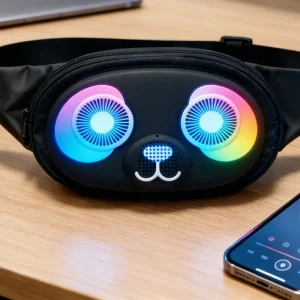
Explore our integrated lithium-ion protection systems and custom outdoor accessories, built to survive the most rigorous industrial operational demands.
Why modern enterprises require customized photovoltaic hardware coupled with robust energy management safety.
Modern enterprises no longer view mobile solar chargers as simple retail gadgets. Instead, they serve as critical, off-grid energy points for field telemetry, emergency logistics, outdoor research, and remote security teams operating in harsh environments where power access is non-existent.
Procurement departments place safety first. Charging Li-ion packs directly under the sun raises severe thermal concerns. Enterprise-grade chargers require custom BMS boards featuring high-precision NTC thermistor controls, over-voltage protection, and multi-stage battery balancing to mitigate risk.
Patent litigation, regulatory delays, and low-efficiency modules present substantial commercial risk. Partnering with a supplier providing full traceability systems (such as MES-driven tracking) and patent indemnification allows buyers to capture high margins without legal vulnerabilities.
How modern hardware engineering integrates PV generation, storage, and intelligent microinverters for home and enterprise applications.
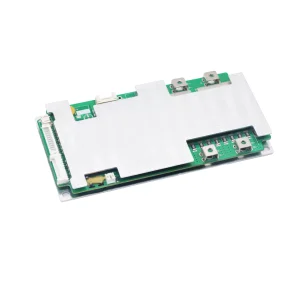
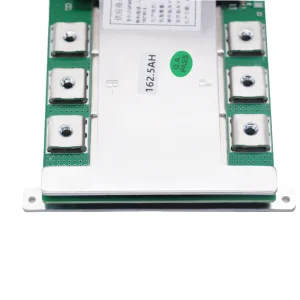
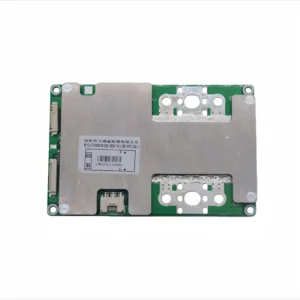
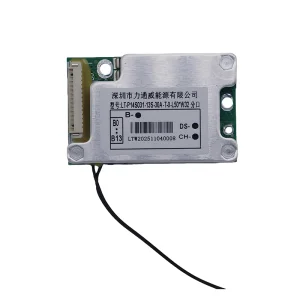
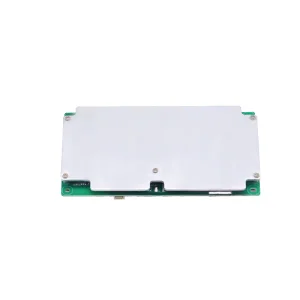
Within the green energy transition framework, the boundaries between micro-generation, battery management systems (BMS), and outdoor lifestyle hardware are blurring. High-efficiency photovoltaic modules must interface natively with sophisticated charge controllers. For example, a custom solar charging array relies on precise balance-of-system electronics. By utilizing advanced Lithium Battery Protection Boards (BMS) with integrated Bluetooth monitoring (such as our 20S 120A/200A variants), operators can monitor battery thermal states, output currents, and cell-by-cell voltages in real-time via mobile apps.
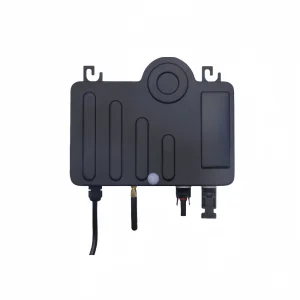
Simultaneously, home micro-generation systems are growing. Deploying highly efficient IP67-rated microinverters (reaching up to 96.5% electrical efficiency) directly on residential balconies enables immediate energy utilization. This bridges the gap between off-grid mobile solar power and centralized home grids, transforming every consumer into a prosumer. Our microinverter designs are optimized to withstand extreme all-weather scenarios, matching the structural ruggedness required by outdoor-grade mobile equipment.
A national high-tech enterprise specializing in the R&D and manufacturing of lithium-ion safety control systems.
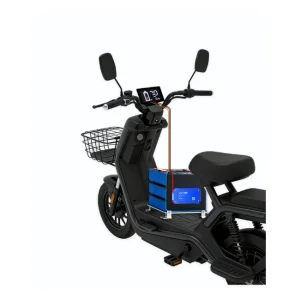
Established in 2005, Shenzhen Litongwei Electronic Technology Co., Ltd. is a recognized leader in safety electronics. Our products are widely used in 3C digital devices, electric scooters, bicycles, motorcycles, tricycles, golf carts, AGVs, drones, and power tools. We provide intellectual property protection (patent collaboration to prevent infringement), industry-standard shared boards (cost reduction and efficiency improvement), full-process traceability (quality control), and remote maintenance (cloud platform support) to help you address technical, cost, and operational challenges. By choosing us, you'll receive top-tier products and services. Litongwei is committed to collaborating with you to build a brighter future together.
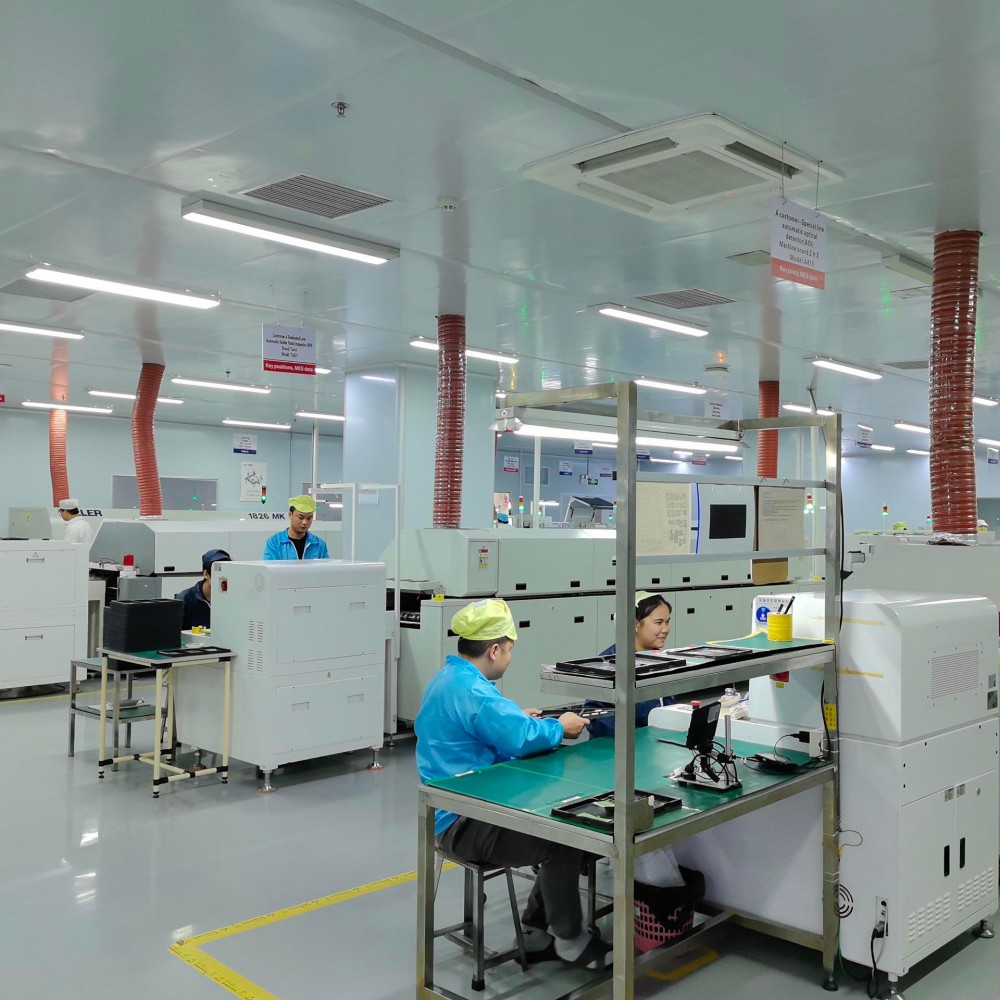
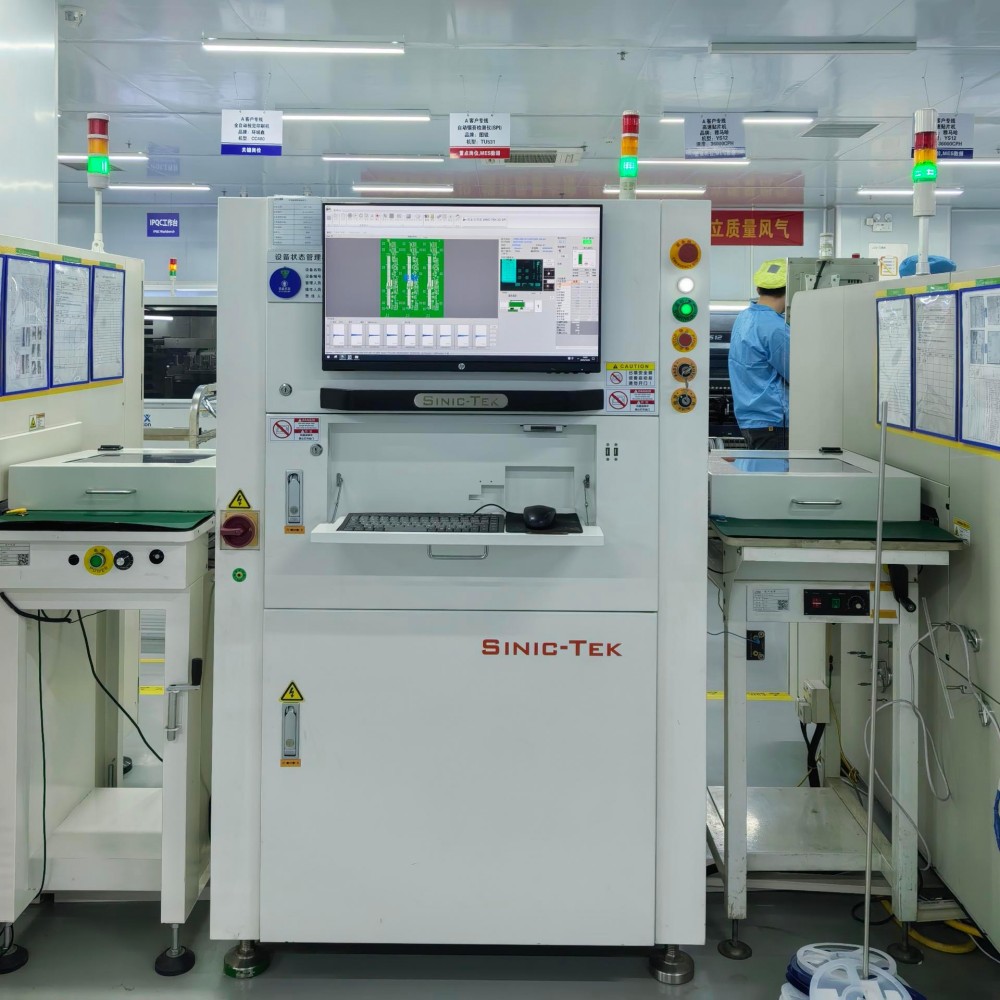

Shenzhen has over 13,000 square meters of independent factory space, and Dongguan Huangjiang has 27,000 square meters. The company is equipped with 24 pick-and-place machines for high-speed assembly and 12 PCBA production lines, with Litongwei's monthly output reaching over 15 million units.
Litongwei's R&D investment has consistently accounted for more than 10% of the company's sales for five consecutive years. This long-term capital commitment allows us to stay ahead in safety algorithms and smart hardware interfaces.
The company holds over 100 patents in the lithium-ion battery protection board industry, along with multiple patents in circuit/testing programs and automation. It provides enhanced intellectual property protection for clients and collaborates with them to mitigate infringement risks.
Our journey of technological innovation and market expansion from 2005 to 2025.
In 2005, the company commenced R&D and manufacturing of digital Battery Management Systems (BMS). By 2006, it expanded into power battery management system development. ISO9001 certification was obtained in 2007, followed by ISO14001 certification in 2009.
The company secured 8 utility model and design patents in 2011, while expanding its mobile power bank manufacturing operations. The Litongwei Technology Research Institute was established in 2012. It received the Del New Energy Quality Excellence Award in 2014 and earned the Gold Partner title from Gaogong Lithium Battery in 2015.
The company upgraded its ISO 9001 and ISO14001 certifications in 2016, achieved IATF16949 certification in 2018, and implemented an MES system for warehouse automation. It was awarded the Guangdong Battery Industry Association Innovation Award in 2019 and recognized as a leading brand in lithium battery protection board technology for two-wheeled vehicles in 2020.
Litongwei Electronics continues to innovate, deepening its technological expertise while embracing IoT and Industry 4.0. Through its Smart Manufacturing+ strategy, the company drives industrial transformation and upgrading.
A blueprint for next-generation solar charging performance, material optimizations, and BMS communication protocols.
To design an efficient, modern custom mobile solar charger, engineers must address the thermodynamics of outdoor operations. Traditional monocrystalline panels lose efficiency at high temperatures. To resolve this, next-generation mobile solar hardware must adopt high-performance material layers and intelligent circuitry. Below is the technical roadmap directing our ongoing development:
While standard silicon wafers remain popular, our premium custom mobile solar lines are transitioning to Gallium Arsenide (GaAs) and Perovskite-on-Silicon tandem layers. These materials offer higher conversion rates in low-light environments and a lower temperature coefficient, ensuring stable power delivery even during peak midday heat when standard cells drop efficiency.
Mobile solar chargers face dynamic shading from trees, buildings, and movement. Traditional linear regulators lose up to 50% of potential energy under partial shadow. By integrating smart microcontrollers running real-time, ultra-fast MPPT tracking directly onto the BMS board, we optimize power extraction, converting up to 98% of available solar radiation into steady DC current.
We are integrating Bluetooth Low Energy (BLE) and Cellular IoT modules directly into our BMS designs. Industrial users can monitor battery health, thermal behavior, total lifetime cycles, and power outputs from a central web dashboard. This makes preventative maintenance possible for large fleets of remote assets.
Aligning international electronics supply chains with strict compliance framework requirements.
Operating a global supply chain requires adherence to environmental and technical standards. Litongwei's factories in Shenzhen and Dongguan maintain ISO 9001 and ISO 14001 certifications to ensure consistent output quality. For automotive and high-reliability industrial customers, our adherence to the IATF 16949 management framework ensures strict safety protocols across all manufacturing stages.
Environmental policies like the EU's Carbon Border Adjustment Mechanism (CBAM) and strict RoHS/REACH compliance in the Americas demand clean manufacturing processes. Our factories utilize low-energy automated SMT lines and lead-free wave soldering. Additionally, all lithium energy products undergo rigorous safety testing, including UN38.3 vibration, drop, and thermal shock evaluations, ensuring they are safe for air and sea transport.
To support overseas partners, we offer comprehensive localized engineering and regulatory assistance, assisting with certifications (UL, CE, FCC, PSE, KC) to reduce product launch times.
Litongwei's partners include Huawei, Lenovo, Desay, Guoguang, Sunwoda, Eve Energy, Guoxuan High-tech, and other leading brands with whom we have collaborated for years.










Answering crucial technical questions related to BMS integration, thermal regulation, and custom OEM manufacturing.
We design custom charging units with safety-certified Lithium Battery Protection Boards (BMS) featuring integrated NTC thermistors. These sensors monitor battery temperatures in real time. If the temperature exceeds 55°C (131°F), the BMS reduces the incoming charging current; if it exceeds 60°C (140°F), it cuts off charging entirely, protecting cells from thermal stress.
Bluetooth-enabled BMS units (like our 20S 120A or 20S 60A models) allow field operators and managers to monitor parameters like state of charge (SoC), cell balancing, current draws, and error flags through a mobile app. This eliminates the need for expensive hand-held testing equipment in remote locations.
Yes, we manufacture intelligent BMS protection boards with built-in heating controls (such as the 20S 120A Bluetooth BMS with Heating). When sub-zero charging conditions are detected, the board directs incoming solar energy to integrated heating film elements, warming the batteries to a safe temperature before starting the charging cycle. This prevents lithium plating and degradation.
Our microinverter models (such as the LTWsmart MINV500S) achieve up to 96.5% efficiency. Designed with IP67-rated all-weather protection, they are ideal for residential balconies and outdoor environments where maximum heat dissipation and waterproofing are required.
Yes. We offer patent-collaboration services to evaluate design pathways, helping clients establish unique intellectual property rights and avoid infringement risks in international markets.
Our automated manufacturing plants utilize a modern MES (Manufacturing Execution System). Every printed circuit board and assembled solar charging pack is serialized. Barcode tracking records the component batches, SMT placement metrics, oven reflow parameters, and individual functional tests for quality verification.
For custom configurations involving new structural molds or modified BMS layouts, design takes approximately 10 to 15 days. Prototyping and initial electrical validation are completed within another 15 to 20 days. Once approved, mass production begins at our Shenzhen and Dongguan factories, delivering up to 15 million units monthly.
Explore our complete catalog of BMS boards, custom active lifestyle accessories, and microinverter hardware.
 Litongwei Electronic