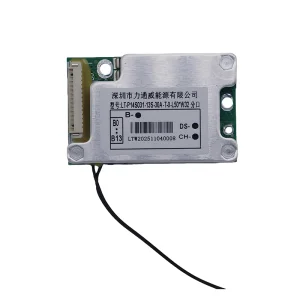
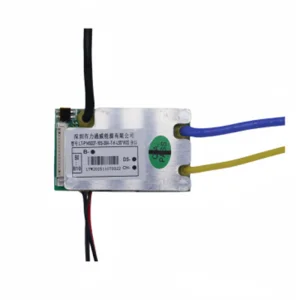
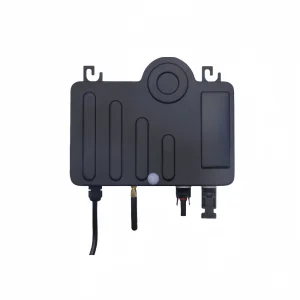
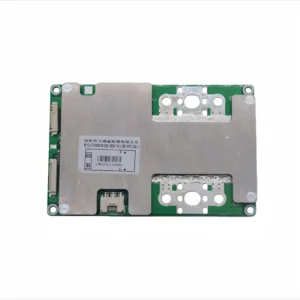
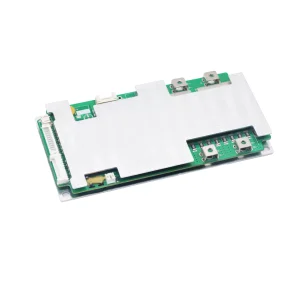
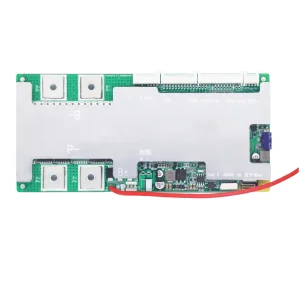
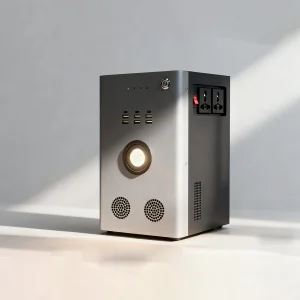
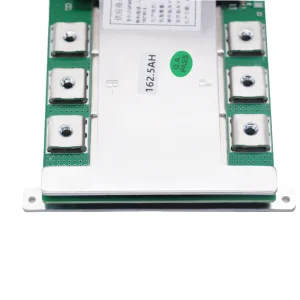
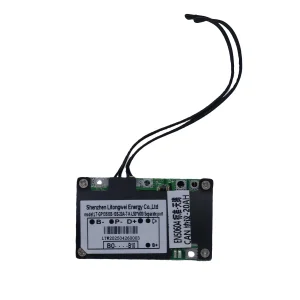
Explore our top-tier custom BMS architectures and microinverter technologies built for global deployment.
Decentralized power systems are rapidly evolving from contingency backup systems to main energy sources.
Increasing extreme weather events and aging utility infrastructures across North America, Europe, and Australia are driving microgrid investments. Industrial facilities require robust, pure sine wave off-grid solar inverters to isolate critical infrastructure from grid instability and voltage sags.
By leveraging smart off-grid PV architectures, remote agricultural stations, data centers, and manufacturing units can minimize fossil fuel dependence. Our custom bidirectional systems optimize solar yield to achieve unprecedented LCOE reductions in high-tariff regions.
The global rollout of 5G telecom towers in isolated regions requires highly efficient power systems. Off-grid inverters integrated with smart Lithium Battery Management Systems (BMS) guarantee 99.999% uptime with remote diagnostic interfaces, eliminating the need for regular onsite maintenance.
A critical challenge in modern off-grid solar deployments is the communication gap between the photovoltaic inverter and the energy storage system (ESS). Typical systems suffer from thermal runaway risk, early battery capacity degradation, and high reactive load failure because of mismatched components.
At Shenzhen Litongwei Electronic Technology Co., Ltd., we resolve this structural limitation. Established in 2005, our 19+ years of design expertise in lithium-ion safety control systems allow us to engineer integrated solutions where the inverter and the BMS function as a single unit.
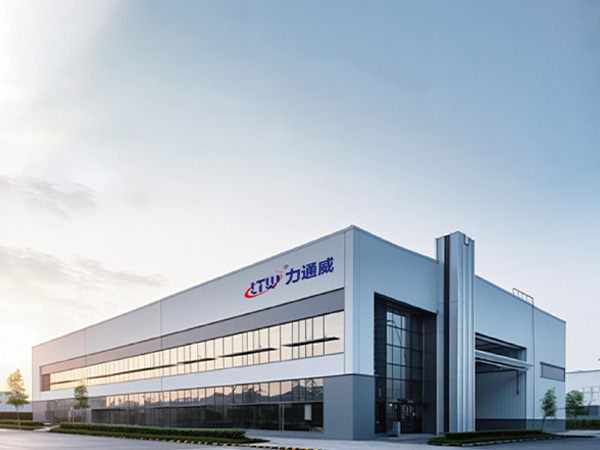
Why sourcing from specialized Chinese factories ensures technical superiority and unmatched cost efficiencies.
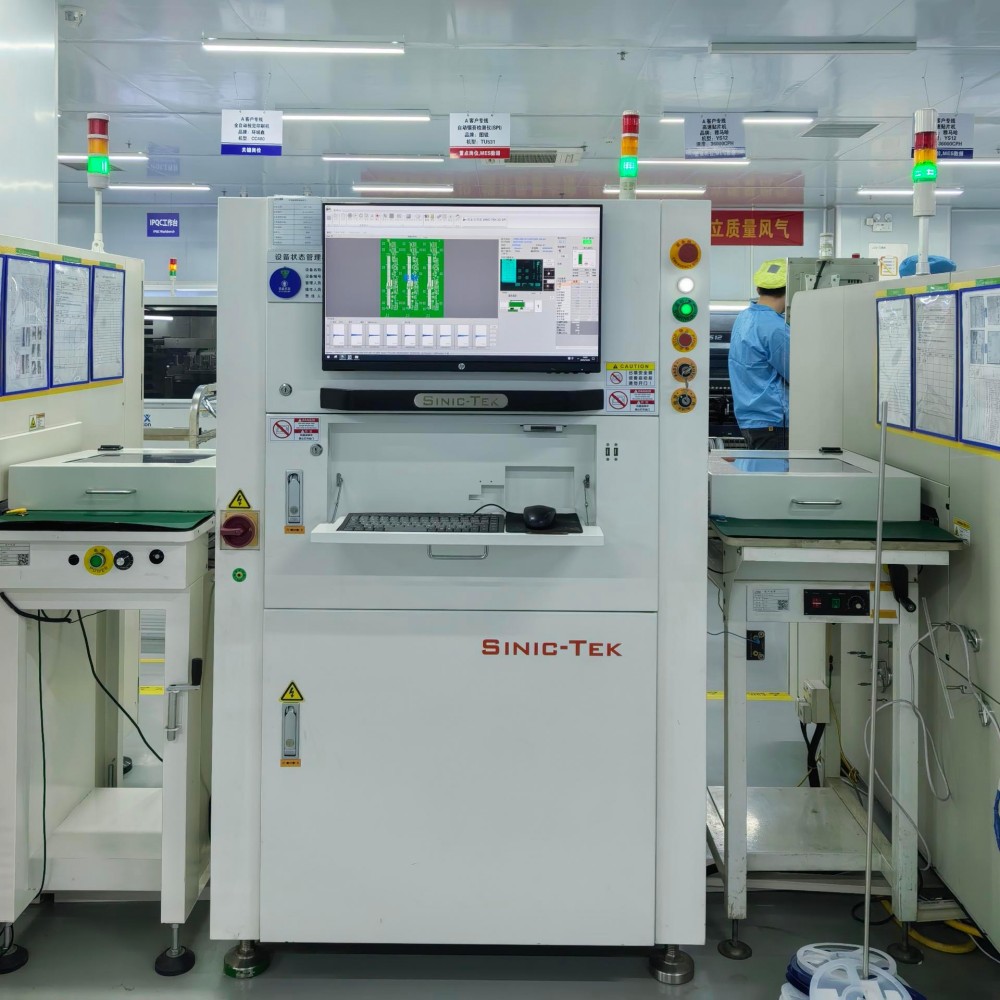
With over 13,000 square meters of production space in Shenzhen and a 27,000 square meter facility in Dongguan, our factories are engineered for scale. Utilizing 24 high-speed pick-and-place assembly machines and 12 automated PCBA production lines, we produce over 15 million control and safety units monthly.
Our advanced MES (Manufacturing Execution System) warehouse automation tracks every single component from raw silicon to final enclosure. Implementing this high standard of quality control minimizes RMA rates and guarantees that all custom designs conform to ISO9001 and IATF16949 requirements.
Our clients enjoy comprehensive patent collaboration models to mitigate IP infringement risks. Holding over 100 patents in circuit design, test programs, and power safety, we design custom systems that provide high performance while remaining legally secure in Western markets.
Adapting clean, off-grid power structures for real-world environmental and structural requirements.
For European high-density urban residential buildings, space limitations dictate the use of plug-and-play microinverters. Our IP67-rated all-weather systems with 96.5% peak conversion efficiency allow homeowners to safely convert solar energy from balcony arrays directly into domestic lines, bypassing traditional construction bottlenecks.
Modern irrigation requires consistent voltage to operate deep-well inductive pumps. High-performance off-grid pure sine wave solar inverters handle high starting currents without relying on grid extensions or high-maintenance diesel generator sets, ensuring reliable operations in remote regions.
With remote infrastructure operating across various climates, our thermal management systems enable operations from -20°C to 60°C. Supported by cloud-based telemetry, network operators can remotely configure charge parameters and receive push alerts for preemptive battery replacement.
Integrated portable power banks (up to 1 kWh configurations with bidirectional functionality) provide rapid-deployment relief. These units allow disaster response teams to deploy emergency microgrids within minutes of arriving at field sites, ensuring uninterrupted power for medical and communications gear.
Procuring commercial-grade solar electronics requires a rigorous approach to technical compatibility. When evaluating off-grid inverter manufacturers, B2B procurement managers should prioritize these technical parameters:
The convergence of silicon carbide components, smart IoT, and active safety systems is shaping the next decade of power conversion.
Wide-bandgap semiconductors like Gallium Nitride (GaN) and Silicon Carbide (SiC) are transforming inverter topologies. These materials allow higher switching frequencies and smaller passive components, reducing overall inverter weight by 40% while maintaining efficiency ratings above 98.5%.
Next-generation inverters will embed machine learning models within local microcontrollers. By tracking voltage drop curves and temperature signatures, the inverter can predict cell failures up to 100 operating cycles before they happen, scheduling targeted maintenance visits and reducing unexpected downtime.
Modern microgrids increasingly rely on dynamic AC coupling, blending solar, battery, wind, and generator power. Future off-grid inverters will automatically balance multiple AC inputs, steering surplus generation to battery banks or load centers based on cost profiles and environmental factors.
Over a decade of continuous technological innovation and commitment to safety in battery systems.
In 2005, Litongwei commenced R&D and manufacturing of digital Battery Management Systems (BMS). By 2006, operations expanded into power battery management system development. ISO9001 certification was obtained in 2007, followed by ISO14001 certification in 2009, establishing our commitment to standard-compliant operations.
The company secured 8 utility model and design patents in 2011 while expanding mobile power bank manufacturing. In 2012, we founded the Litongwei Technology Research Institute. We received the Del New Energy Quality Excellence Award in 2014 and earned the Gold Partner title from Gaogong Lithium Battery in 2015.
We upgraded our ISO9001 and ISO14001 certifications in 2016 and achieved IATF16949 certification in 2018. The implementation of our MES system brought automated traceability to our production floors. In 2019, we won the Guangdong Battery Industry Association Innovation Award and were recognized as a leading brand in lithium battery protection board technology for two-wheeled vehicles in 2020.
Today, Litongwei Electronics deepens its technological expertise by embracing IoT and Industry 4.0. Through our Smart Manufacturing+ strategy, we drive industrial upgrades, producing premium off-grid power solutions and integrated BMS networks for global B2B clients.
We are trusted by industry leaders for long-term collaboration on critical power system architectures.














Litongwei's partners include Huawei, Lenovo, Desay, Guoguang, Sunwoda, Eve Energy, Guoxuan High-tech, and other industry brand clients who have collaborated for many years.
Practical answers to key queries on off-grid inverters, battery management systems, and safety features.
High-frequency inverters utilize modern transistors to step up voltage at a high frequency, resulting in a lighter and more compact unit suitable for light commercial and home applications. Low-frequency inverters use larger toroidal transformers, offering superior surge capacity and tolerance for heavy inductive loads like motors, pumps, and air compressors.
Thermal runaway occurs when cell temperatures exceed safe limits during charging or high-current discharging. Litongwei's intelligent BMS uses multiple NTC temperature sensors to continuously monitor the battery pack. If anomalous temperature climbs are detected, it signals the inverter to throttle output or disconnect, preventing catastrophic thermal runaway.
Yes. Custom off-grid inverters can be configured via firmware to support LiFePO4 (LFP), LiNiMnCoO2 (NMC), and traditional Lead-Acid chemistries. However, LFP is highly recommended for modern off-grid installations due to its long life, safety profile, and tolerance to temperature swings.
CAN (Controller Area Network) and RS485 are the industry standards for real-time data exchange. Through these protocols, the BMS sends cell status (voltage, temperature, SOC) to the inverter, enabling dynamic charge control. Our boards feature advanced CANbus, Bluetooth, and Modbus options to support these integration needs.
An IP67 rating indicates complete protection against dust ingress and temporary submersion in water. For outdoor and balcony applications, this prevents environmental moisture, humidity, and salt spray from corroding internal circuits, extending the lifetime of the electronic assembly.
An MES (Manufacturing Execution System) tracks and controls the entire production cycle in real-time. It records structural testing data, SMT placement parameters, and inspection results for every device manufactured. This full traceability guarantees reliability and simplifies quality audits for global B2B procurement teams.
Explore our technical range of high-amp battery protection units and precision micro-inverters.
 Litongwei Electronic