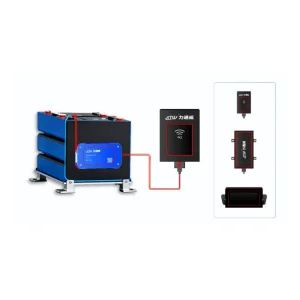
Premium OEM and wholesale products engineered for rugged battery intelligence, safe micro-inversion, and integrated portable power station building blocks.
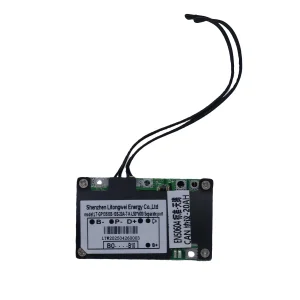
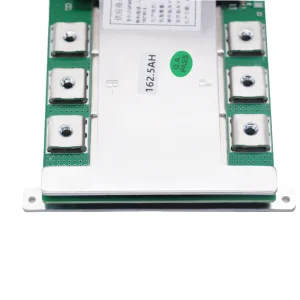
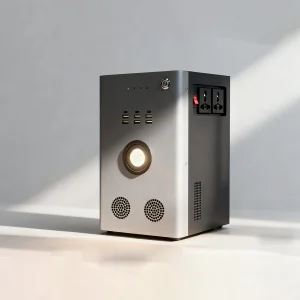
In the contemporary landscape of global energy transition, the reliance on high-capacity, rugged, and intelligent off-grid power has transcended standard consumer backup demands. Today, multinational corporations, governmental emergency responders, commercial medical institutions, and high-tech utility teams require customized, robust portable charging stations that provide uninterrupted power security. By understanding the intersection of advanced battery chemistry, integrated Battery Management Systems (BMS), and ultra-high-efficiency bidirectional inverters, commercial procurement agents can mitigate operation disruption risk and optimize lifecycle capital expenditure.
As a pioneering high-tech enterprise, Shenzhen Litongwei Electronic Technology Co., Ltd. (established in 2005) stands at the absolute vanguard of this industrial shift. Specializing in high-safety lithium-ion control systems, we develop standard-setting micro-inverters, intelligent communication BMS units, and all-weather energy storage assemblies. This whitepaper systematically evaluates the technological foundations, strict global quality standards, and strategic OEM/ODM procurement methods that engineering teams must leverage to satisfy modern utility demands.
How different vertical markets utilize high-capacity portable power to establish operational resilience and technological superiority.
Continuous off-grid operations for remote 5G cells, telecommunication transceivers, and IoT gateways demand portable stations running smart BMS with CAN/RS485 and 4G/GPS location metrics for remote status telemetry.
Powering life-critical ventilators, clinical mobile monitoring gear, and cooling systems in disaster zones require medical-grade sinus-wave micro-inverters with zero electromagnetic interference and ultra-rapid dynamic output regulation.
Industrial logistics operations demand rugged multi-port balancing protection boards that allow rapid field swaps or transient high-current charging cycles without triggering thermal runaways or battery cell wear.
Each vertical industry possesses highly specific requirements. For instance, cold-chain medical transit requires lithium batteries containing integrated Negative Temperature Coefficient (NTC) thermistor protections, operating flawlessly at sub-zero environments down to -20°C. In contrast, heavy construction operations depend heavily on protection casings with IP67 ingress protection standards alongside high-current 20S 100A or 20S 200A BMS architectures to handle peak inductive motor starts.
Established in 2005, Litongwei has evolved into a premier national high-tech enterprise dedicated entirely to the research, development, and high-precision manufacturing of lithium-ion safety control systems. With strategic core competencies spanning hardware engineering, software architecture, and automatic structural testing, we act as a foundational manufacturing partner to the world's most recognizable consumer and industrial brands.
Our advanced battery management systems (BMS) and intelligent energy storage units are deployed extensively in 3C digital devices, electric scooters, commuter bicycles, electric motorcycles, utility tricycles, golf carts, Autonomous Guided Vehicles (AGVs), aerial drones, and professional-grade power tools.
Collaborative patent sharing and joint design initiatives designed to prevent infringement risks, ensuring smooth cross-border customs entries and regulatory clarity.
Proprietary pre-engineered architectures that optimize resource allocation, lowering development overheads while accelerating overall time-to-market.
Automated MES tracking linking raw wafer selection through component placement and environmental burn-in, guaranteeing operational reliability.
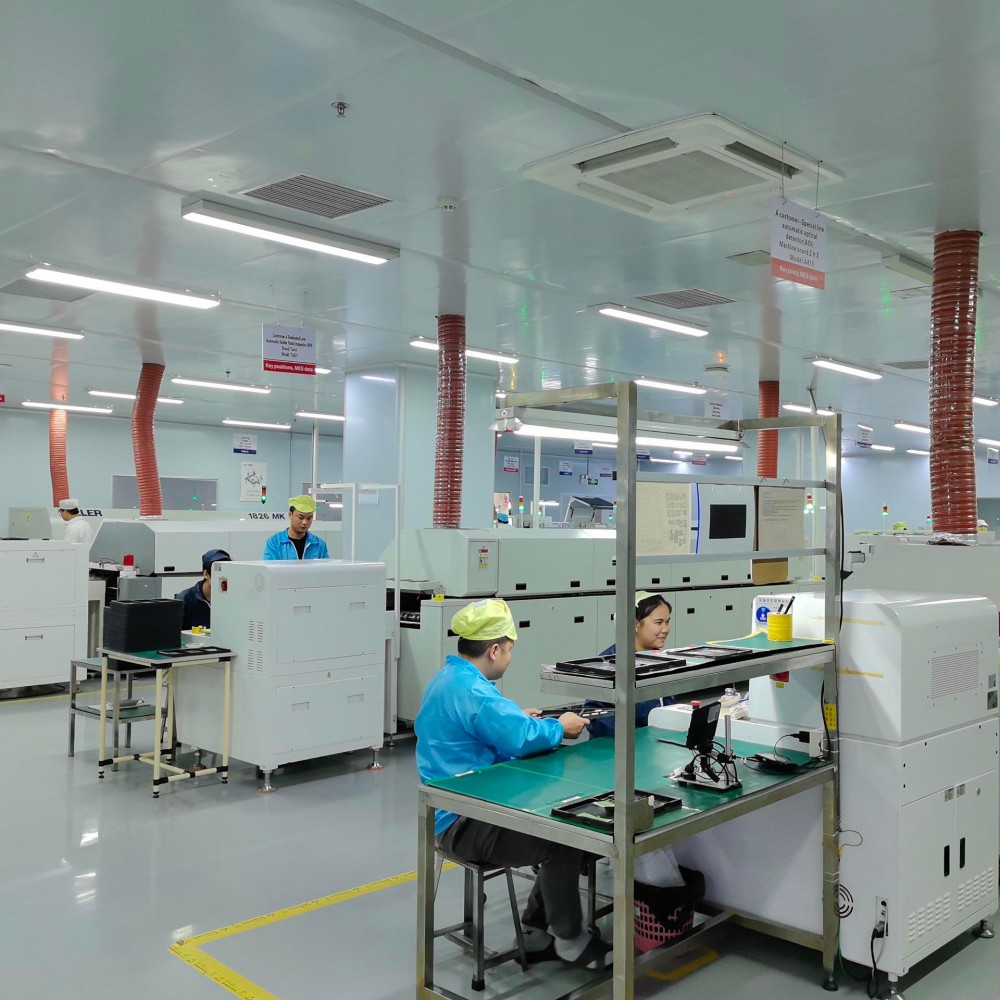
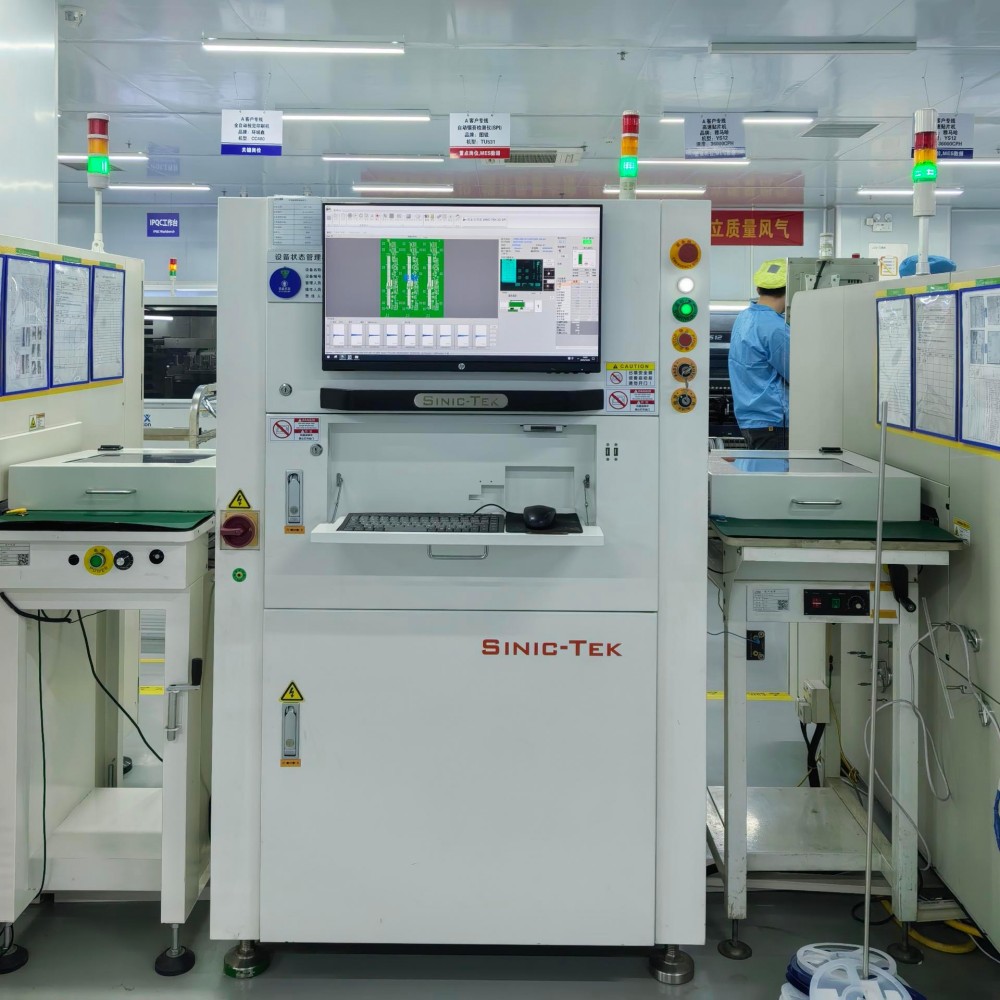

13K ㎡ in Shenzhen High-Tech Park & 27K ㎡ modern base in Dongguan Huangjiang.
Scaling massive quantities with consistent quality control protocols.
For 5 consecutive years, sustaining cutting-edge power topologies.
Covering protection circuits, automated software, and structural casings.
The system topology defining the safety, thermal margins, and communications of premium portable charging stations.
At the epicenter of any custom portable power station is the synchronization between the high-capacity battery bank, the protective Battery Management System (BMS), and the power conversion unit (Inverter). A structural overview of this topology reveals why Litongwei electronics are chosen by tier-1 global partners:
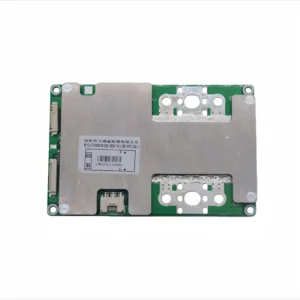
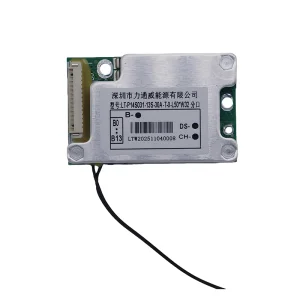
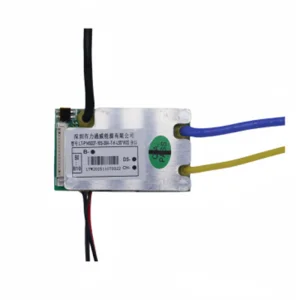
Whether deploying an LFP (Lithium Iron Phosphate) or NMC chemistry array, cell degradation occurs unevenly due to minor structural differences and non-uniform thermal distribution. Our OEM China LTW 20S 100A and 13S 30A protection boards resolve this with smart same-port active and passive balancing algorithms. By ensuring a low delta voltage across cells during charging phases, we extend the active runtime and cycle life by up to 35%.
Modern commercial applications demand real-time State-of-Charge (SoC) and State-of-Health (SoH) diagnostics. Our smart BMS modules incorporate dedicated CAN, RS485, and Bluetooth transceivers. Through a mounted 4.3-inch display or integrated mobile application, users inspect temperature thresholds, individual cell voltages, and cumulative discharge cycle logs instantly. Furthermore, our 4G & GPS positioning modules provide cloud-connected geolocation, allowing fleet coordinators to monitor portable charging units worldwide.
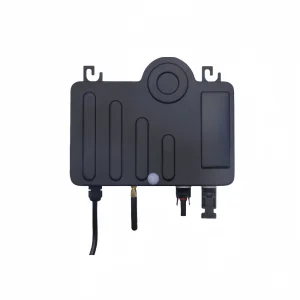
Older charging stations used large, inefficient external bricks to convert AC power to DC. The latest generation leverages bidirectional inverter architectures (such as our Wholesale 500W Portable Power Bank with 1kWh Capacity and Smart Micro Inverter IP67). With an efficiency profile topping 96.5%, these systems charge directly from AC grids using a single power cable, eliminating standard bulk transformer components and dramatically accelerating replenishment cycles.
A twenty-year track record demonstrating specialized engineering growth, digital transformation, and sustainable innovation.
Commenced critical R&D of digital Battery Management Systems (BMS) in 2005. Scaled power battery management systems development in 2006. Secured landmark ISO9001 and ISO14001 certifications in 2007 and 2009 respectively.
Secured 8 core utility model and design patents in 2011, establishing our technology leadership. Formally inaugurated the Litongwei Technology Research Institute in 2012 to drive power management innovation.
Upgraded to the rigorous IATF16949 automotive standard in 2018. Implemented a fully paperless MES system for automated warehouse logistics, tracing components from raw state to finished modules.
Integration of IoT telemetry, cloud status checks, and localized supply chains. Deploying next-gen high-power bidirectional portable systems for global industrial utility projects.
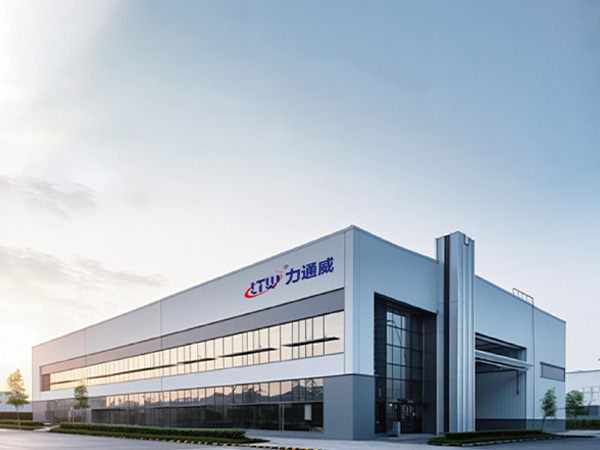
At Litongwei, we believe that clean, distributed power management forms the cornerstone of future global development. Adhering to our core operational motto, "Technology as King, Efficient Service", we seek to establish a green, sustainable energy paradigm.
Our sustained reliability has enabled us to forge close partnerships with the world's most dominant technological and energy enterprises. These brands trust Litongwei to deliver millions of safe batteries, protection boards, and smart energy controllers annually.














The standardizations required to import and legally distribute high-capacity energy storage products into European, North American, and Asian regions.
B2B import compliance for lithium-ion battery assemblies is highly regulated due to hazards associated with chemical transport and system electrical safety. Procurement departments must audit suppliers to ensure all units bear verified test documentation from international accreditation panels.
Validates that cells and packs can withstand severe pressure changes, extreme thermal variations, and drop/impact forces during international transport via sea or air freight.
Applies specifically to portable power packs containing integrated DC/AC power converters, ensuring total electrical isolation and safety from high voltage shocks or short circuits.
Mandatory for entering the European Economic Area. Tests evaluate continuous charging performance, internal battery shorts, and cell casing integrity under extreme strain.
At Litongwei, our dual factories operate in complete compliance with ISO 9001:2015, ISO 14001:2015, and IATF 16949 automotive-grade systems. This guarantees consistent line checks, zero-defect assembly practices, and complete transparency.
Key technical insights addressing top queries from global supply chain directors, procurement teams, and hardware engineers.
Passive balancing uses internal resistors to bleed off excess energy from high-voltage cells in the form of heat during the final stages of a charge cycle. Active balancing, which is integrated into our high-end smart BMS modules, transfers energy dynamically from high-voltage cells to lower-voltage cells. This limits energy waste, prevents localized hotspots, and ensures maximum overall pack capacity.
Yes. Litongwei provides complete ODM and OEM customization, including custom aluminum or ABS/PC blend housings, personalized ports (Anderson connectors, aviation plugs, multi-country AC outlets), and communication systems (CAN, RS485, UART, Bluetooth, and cellular 4G modules).
Conventional portable stations rely on a separate AC-to-DC external power brick, which is slow and generates significant heat. Our integrated bidirectional inverter design utilizes the same internal circuitry for both charging and discharging. This supports high-efficiency fast-charging protocols that can charge a 1kWh unit from 0% to 80% in under 1.5 hours.
Our BMS units incorporate multiple high-precision NTC thermistors to monitor cells and power electronics in real time. If temperatures exceed predefined safety thresholds during fast charging or heavy discharge, the BMS automatically limits the current or cuts off the circuit completely, isolating the fault and preventing thermal runaway.
Litongwei holds over 100 patents in the BMS industry. We collaborate closely with our clients to verify that their circuit and software program configurations do not infringe on existing patents. We also provide full documentation to ensure smooth regulatory clearance in North American and European markets.
Integrate our ready-made power banks, micro-inverters, and premium Bluetooth systems directly into your consumer or industrial energy product line.

 Litongwei Electronic