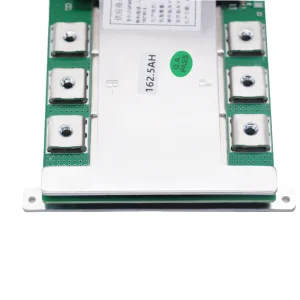
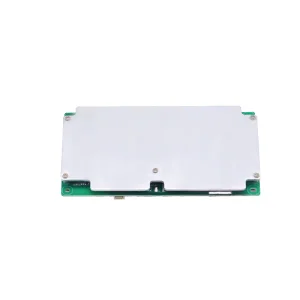
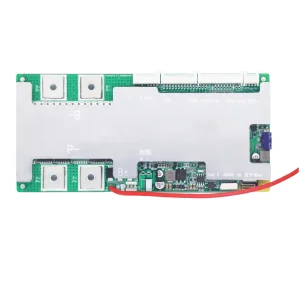
Explore our primary array of high-efficiency bidirectional inverters, smart battery protection boards (BMS), and custom display electronics engineered for commercial and industrial resilience.
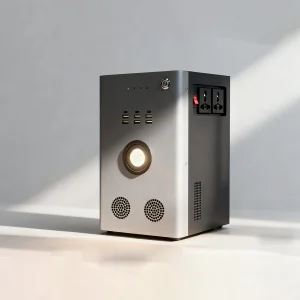
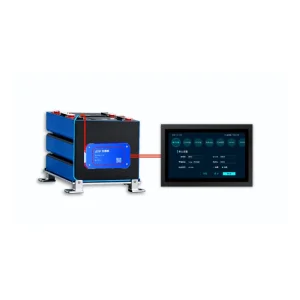
The global demand for off-grid electrification, combined with rising occurrences of grid instability, has accelerated the evolution of portable power generation. Originally conceived as light-duty recreation gear, portable inverters have transitioned into mission-critical power systems capable of sustaining high-drain appliances, emergency response apparatus, and micro-grid systems. Modern innovations are primarily centered around three main technical axes: conversion efficiency, bidirectional topologies, and intelligent thermal/battery protection mechanisms.
Traditional low-frequency inverters rely on heavy iron-core transformers, limiting their portability. Next-generation systems leverage Gallium Nitride (GaN) and Silicon Carbide (SiC) semiconductors, enabling switching frequencies in the hundreds of kilohertz. This dramatically minimizes inductor and transformer volume, reducing system weight by up to 40% while achieving up to 96.5% peak conversion efficiency.
The consolidation of inverter and charger circuits into a unified bidirectional system has revolutionized portable energy storage units. Instead of utilizing external, bulky AC-to-DC bricks, bidirectional topologies allow direct wall socket connection. The inverter circuit runs in reverse to charge the internal cells at speeds up to ten times faster than legacy configurations, cutting charge times down to under two hours.
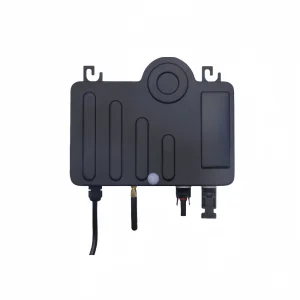
With urbanization intensifying, standard rooftop PV installations are often impractical. High-efficiency micro-inverters (featuring IP67 all-weather protection) offer modular balcony power interfaces. This allows individual apartments to generate solar energy and feed it safely into localized domestic circuits, decreasing utility dependence and reducing consumer carbon footprints.
Enterprise procurement departments sourcing high-power electronics face challenges beyond basic price negotiations. To successfully deploy micro-inverters and high-capacity portable power stations in international markets, companies must evaluate supplier competencies through a multi-dimensional risk framework:
Litongwei's power components and control solutions serve key industrial applications worldwide.
Micro-inverters with up to 96.5% conversion efficiency allow residential tenants to turn window ledges and balconies into localized power plants. Features like IP67 all-weather protection and automatic utility sync ensure reliable, code-compliant operation without complex setup.
By pairing 1kWh battery systems with integrated 500W bidirectional inverters, emergency workers, off-grid professionals, and military units access clean, pure sine-wave AC power. The internal BMS controls cell-level charging voltages, maximizing lifetime cycles and battery safety.
High-current BMS platforms (such as the 20S 200A systems with dedicated serial interfaces) manage heavy-duty machinery, sightseeing electric buses, golf carts, and autonomous guided vehicles (AGVs). These solutions deliver steady current curves while protecting against over-discharge and high thermal spikes.
From a specialized R&D lab to a major player in smart energy management, see the milestones that define our commitment to quality.
Litongwei launched R&D on digital Battery Management Systems (BMS). Recognizing safety as a core industry challenge, the company expanded into heavy power management systems in 2006. Production quality was formalized with ISO9001 certification in 2007 and ISO14001 certification in 2009.
The business expanded its manufacturing operations into mobile power banks and obtained 8 new utility patents by 2011. In 2012, we set up the Litongwei Technology Research Institute. Industry recognition followed with the Del New Energy Quality Excellence Award in 2014.
Litongwei secured IATF16949 automotive quality certification in 2018 and integrated an advanced MES system for warehouse automation. In 2020, our two-wheeler lithium battery protection boards were recognized for outstanding reliability.
Focusing on high-speed SMT lines, automated optical inspection, and IoT integrations, Litongwei's smart factory strategy drives digital transformation across our two production sites in Shenzhen and Dongguan.
Why global brands trust Shenzhen Litongwei Electronic Technology Co., Ltd. for their critical power control systems.
We operate 13,000 square meters of factory space in Shenzhen, complemented by our 27,000-square-meter facility in Dongguan Huangjiang. Outfitted with 24 high-speed pick-and-place SMT machines and 12 PCBA assembly lines, we support a monthly output exceeding 15 million units.
We dedicate more than 10% of our annual revenue directly back to R&D. This continuous investment ensures we stay at the forefront of battery protection systems and inverter topologies, helping our partners deploy cutting-edge hardware ahead of market curves.
Holding over 100 patents in circuit design, firmware programming, and testing automation, we offer robust IP protection. We collaborate with clients to prevent patent infringements, safeguarding their brand value in North American, European, and Asian markets.
The landscape of portable energy is evolving toward higher energy density, smarter grid integration, and next-generation battery chemistries. Litongwei's engineering team is actively developing solutions to meet these upcoming B2B opportunities:
As lithium-ion supply chains fluctuate, Sodium-ion (Na-ion) battery solutions are becoming a cost-effective alternative for cold-weather climates, thanks to their excellent discharge properties. Solid-state lithium cells are also expected to offer higher safety thresholds and double the energy density. Our current BMS designs are being optimized to manage the unique charge and discharge voltage profiles of these emerging cell types.
Future power stations will function as intelligent nodes within larger IoT energy ecosystems. By integrating cellular, Wi-Fi, and Bluetooth connectivity directly into the inverter's control board, system operators can track real-time health metrics, charge cycles, and temperature profiles. This data enables predictive maintenance, helping prevent field failures before they occur.
Standard off-grid power banks are shifting toward bidirectional utility interfaces. Future portable inverters will not only draw power from solar panel configurations but will also feed excess energy back into regional grids or support residential home backup circuits during peak demand hours.
Litongwei maintains long-term engineering and supply relationships with some of the world's leading brands.














Find answers to key technical questions from procurement departments and battery engineering teams.
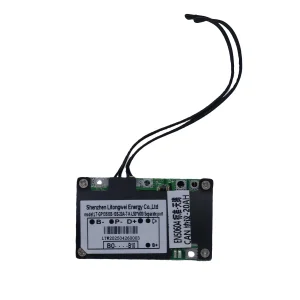
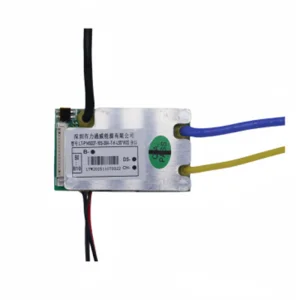
Discover our secondary catalog of all-weather micro-inverters, smart battery monitoring systems, and specialty consumer energy devices.

 Litongwei Electronic