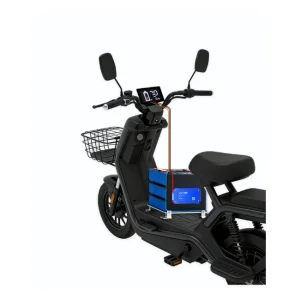
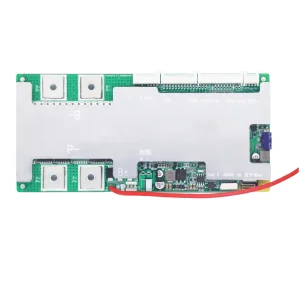
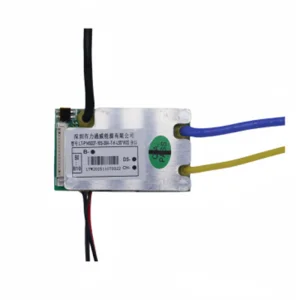
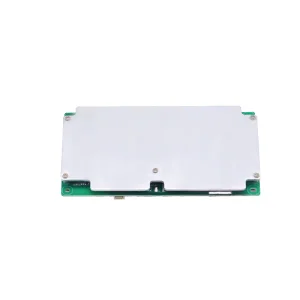
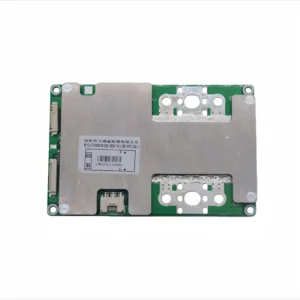
Explore our leading collection of intelligent battery management systems engineered for commercial, industrial, and micro-grid solar storage deployments.
Strategic analysis of smart energy storage systems (ESS), active balancing battery management, and custom supply chain architectures for next-generation solar farms.
As the global energy landscape undergoes a paradigm shift toward decarbonization, Solar Power Station setups are transitionally evolving from passive generation arrays into active grid-interactive micro-powerhouses. Crucial to this translation is the optimization of high-capacity storage banks, which balance the inherent intermittency of solar irradiance. Within this context, a customized battery management system (BMS) acts as the critical brain, supervising cellular thermals, balancing load demands, and protecting against catastrophic failures.
Modern developers require custom-tailored solutions that manage dynamic parameters. From 10S arrays designed for localized mobility and small energy storage to 23S structures optimized for higher voltage applications, precise charge and discharge profiles are necessary to minimize cell degradation, maximize solar yield, and guarantee system reliability under demanding environmental parameters.
How modern regulatory frameworks and grid dynamics force custom adaptations in solar battery banks.
Industrial installations utilize large battery modules to offset peak energy demands. Integrated BMS modules facilitate microsecond switching speeds between PV production, battery storage, and utility grid feed-in to maximize utility cost-savings.
Strict regional directives (e.g., UL 1973, CE, IATF16949 standards) demand comprehensive dual-fault protection networks, smart isolation testing, and highly responsive over-current disconnects across all PV battery banks.
Seamless communication interfaces such as CAN, Modbus, and Bluetooth allow power station operators to execute remote system telemetry, schedule firmware upgrades, and inspect internal system resistance.
From freezing high-altitude microgrids to sweltering desert solar installations, we design systems that thrive where standard electronics fail.
Batteries operating below 0°C face accelerated degradation and lithium plating during charge cycles. Our integrated Intelligent Heating BMS solutions automatically divert initial solar currents to thermal pads, warming the pack safely before enabling charge routing.
Operating solar arrays in high-ambient tropical zones exposes lithium chemistries to thermal runaway risks. Using multiple high-accuracy NTC temperature sensors placed throughout the pack, our BMS implements early-stage current throttling before critical limits are breached.
A technical cross-comparison of our main production protection board layouts designed for modern solar energy integration.
| BMS Configuration Model | Continuous Current | Communication Protocol | Optional Displays / Screen Interface | Special Application Functions |
|---|---|---|---|---|
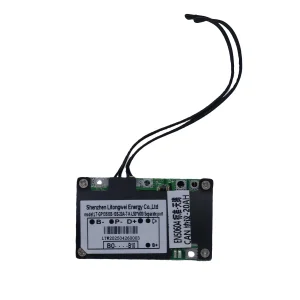
| LTW 10S 20A Board | 20A Continuous | CAN Bus / UART Interface | External LED Indicator Ready | Optimized for light EV charging and compact outdoor solar generators |
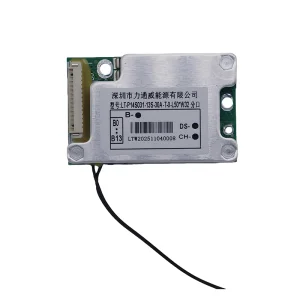
| LTW 13S 30A Board | 30A Continuous | UART / I2C Configuration | Wired Simple Screen Support | Physical on/off switch line, multi-stage NTC thermal protection |
| LTW 20S 100A/120A Board | 100A / 120A Continuous | Bluetooth 5.0, CAN, RS485 | Mobile App / Custom LCD Display | Intelligent automatic thermal heating elements interface for sub-zero areas |
| LTW 20S 200A High Power | 200A Continuous | Bluetooth / Dual CAN Bus Line | 4.3-inch Full Color Interactive Screen | Active balancing, high-power static dissipation, robust short circuit latching |
| LTW 23S 60A Board | 60A Continuous | Bluetooth, CAN Bus Interface | Intelligent App Integration | High series cell configuration, low static power drain mode (<100μA) |
A strategic vision detailing our upcoming technological breakthroughs in artificial intelligence, IoT telemetry, and solid-state battery management.
Our upcoming chips integrate machine learning algorithms on the edge to analyze internal cell impedance changes over time, predicting potential cellular failure months before standard threshold systems trigger alerts.
Direct integration with cellular-enabled modules, bypassing localized gateways. Operators can monitor performance profiles, adjust system parameters, and update firmware directly via our secure cloud portal.
We are actively developing charging algorithms tailored to solid-state polymer batteries. This guarantees that when modern grid projects transition to safer solid-state systems, Litongwei technology is ready to deploy.
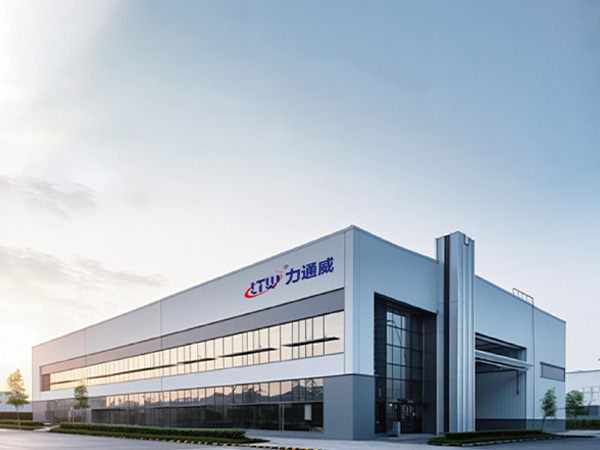
A National High-Tech Enterprise specializing in the R&D and manufacturing of lithium-ion safety control systems since 2005.
Established in 2005, Shenzhen Litongwei Electronic Technology Co., Ltd. is a high-tech pioneer specializing in high-performance lithium-ion safety protection systems (BMS). Our industrial products find application in 3C digital devices, electric scooters, electric bicycles, tricycles, golf carts, automated guided vehicles (AGVs), agricultural drones, and custom industrial energy storage stations.
We provide our global client base with key pillars of competitive advantage:
Commenced manufacturing and development of safety protection systems. Reached ISO9001 quality management certification in 2007, followed by ISO14001 environmental certification in 2009.
Secured 8 utility model and design patents in 2011. Established the Litongwei Technology Research Institute in 2012 to drive cutting-edge energy management systems design. Partnered with Gaogong Lithium Battery in 2015.
Attained the strict IATF16949 automotive quality management system certification in 2018. Integrated automated MES trace systems to manage warehouse inventory and optimize production flow.
Deepened our technological footprint in solar power stations, smart IoT modules, and active grid optimization technologies to drive global industrial transition.
How our dual production hubs in Shenzhen and Dongguan translate to lower lead times, reliable components, and high scale capabilities.
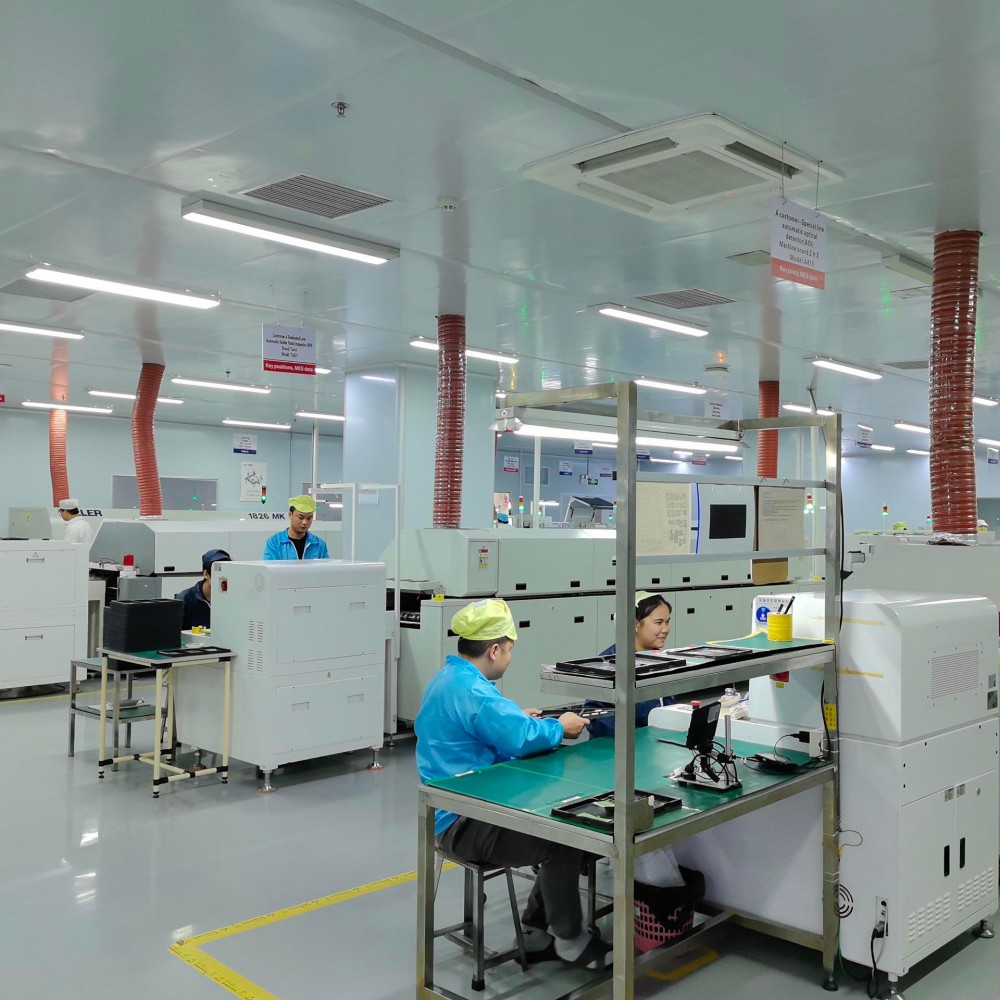
By leveraging two separate manufacturing bases in southern China, we guarantee supply line continuity. Our Shenzhen factory spans 13,000 square meters, driving advanced technical trials and product design. The massive Dongguan factory spans 27,000 square meters, focusing on high-speed volume production, multi-layered PCBA printing, and long-run thermal endurance testing.
Equipped with 24 high-speed pick-and-place placement machines and 12 dedicated PCBA production lines, our monthly assembly yield exceeds 15 million units. This robust infrastructure allows us to fulfill large industrial orders quickly and maintain shorter lead times than competitors.
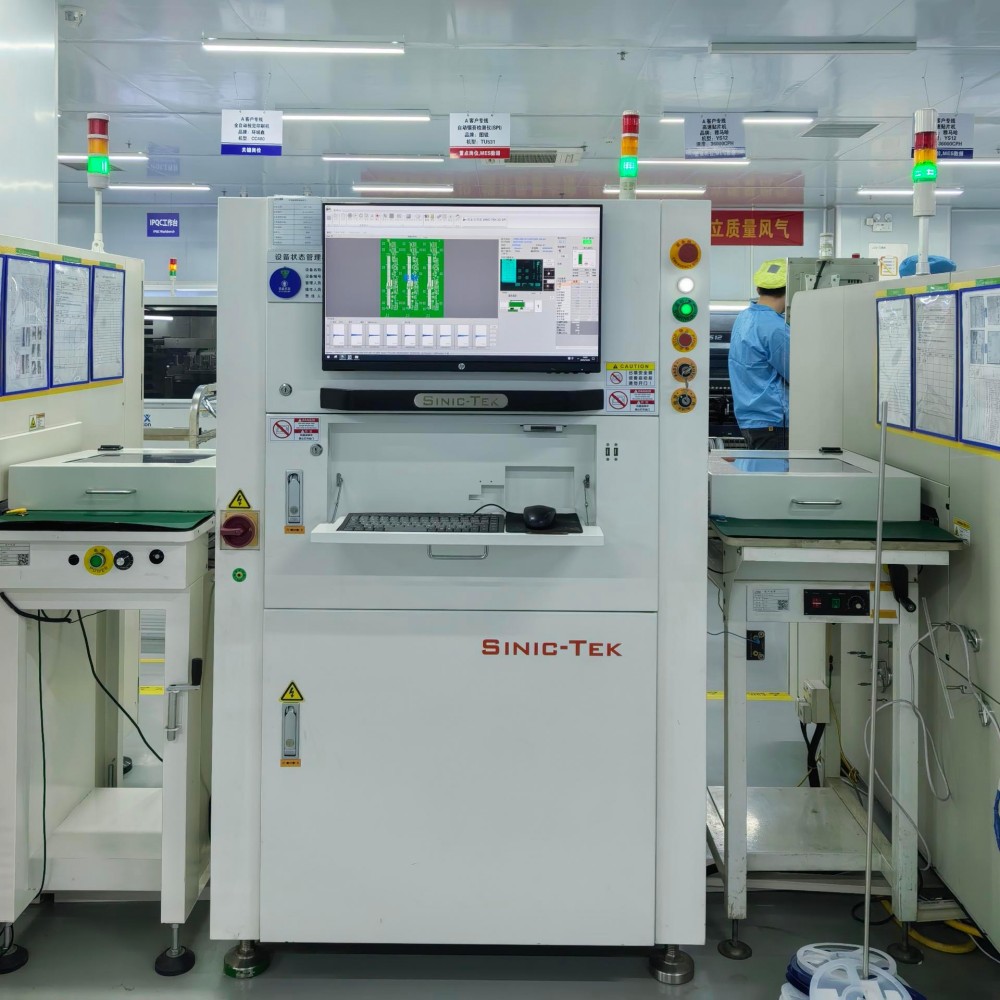
Every raw material component, from high-performance microcontrollers to NTC thermistors, is tracked via barcode scanners. This guarantees complete component lineage visibility in case quality audits are required.
Every single BMS undergoes dual-stage hardware calibration testing to verify accuracy in voltage readings, current thresholds, and communication signals before leaving the production floor.
All safety boards undergo continuous heat chamber testing to verify their capacity to handle operational temperatures without hardware failure or premature wear.
We work closely with global industry brands to integrate advanced, reliable battery management systems.
Over the years, Litongwei has built long-term strategic relationships with well-known industry leaders, including Huawei, Lenovo, Desay, Guoguang, Sunwoda, Eve Energy, and Guoxuan High-tech. These collaborations reflect the reliable quality, engineering standards, and robust design of our BMS solutions.
By using premium components and maintaining high production standards, we support our clients' brand reputations in demanding commercial, industrial, and consumer markets worldwide.

Addressing the technical, operational, and procurement queries of energy developers and system engineers.
Optimize your solar project with our high-power and high-series protection boards, built for safety and durability.
 Litongwei Electronic