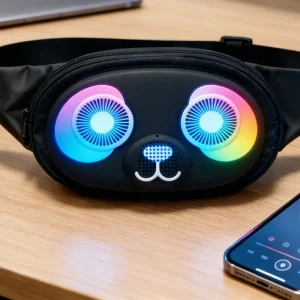
Engineered for absolute safety and long cycle life, serving micro-mobility, solar energy storage, and outdoor acoustics.
Established in 2005, Shenzhen Litongwei Electronic Technology Co., Ltd. is a national high-tech enterprise specializing in the research, development, and high-volume manufacturing of lithium-ion safety control systems (BMS/PCM). For nearly two decades, we have committed ourselves to bridging the gap between electrochemical cell potential and absolute operational security.
By integrating advanced hardware design with intelligent firmware, we address core pain points such as intellectual property vulnerabilities, structural cost efficiency, and lifecycle quality tracking. Our engineering capabilities span the entire spectrum from basic hardware PCM units to cloud-connected, active-balancing smart BMS networks.
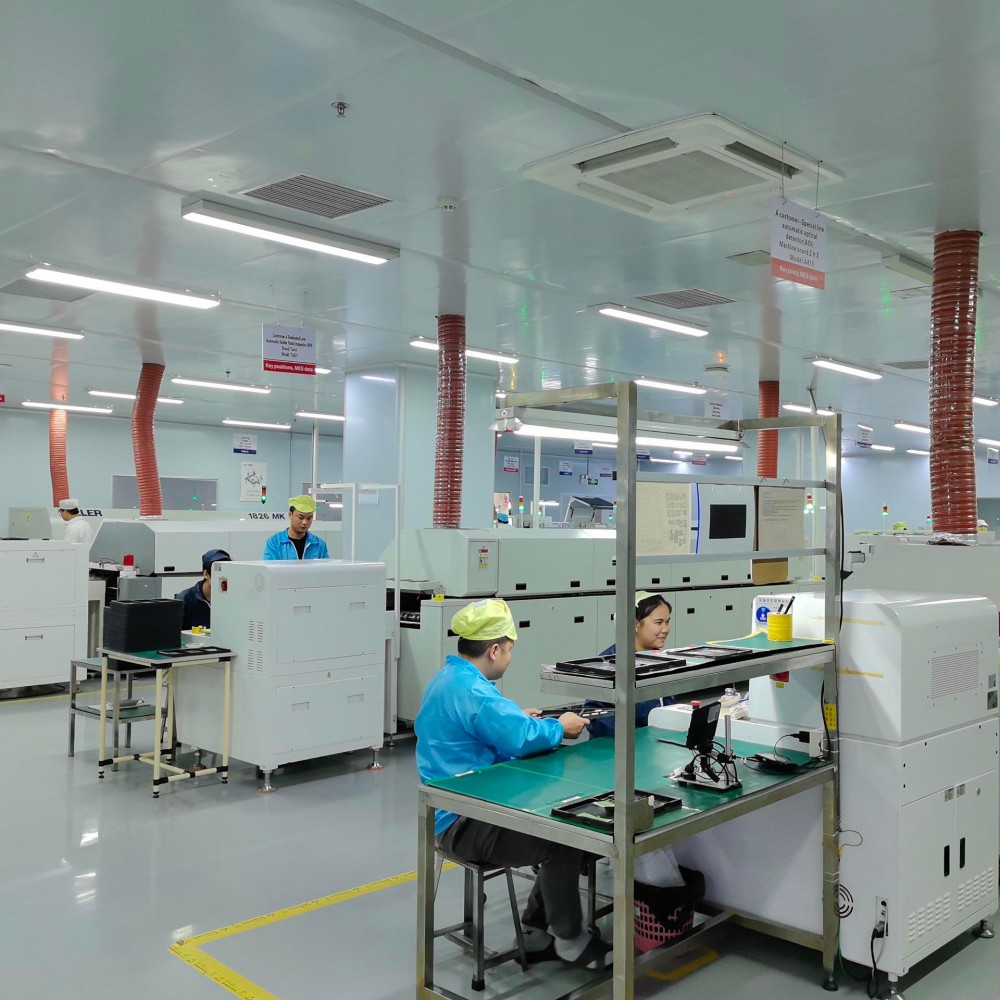
A look into our state-of-the-art production floor, manufacturing speed, and investment metrics driving global electrification.
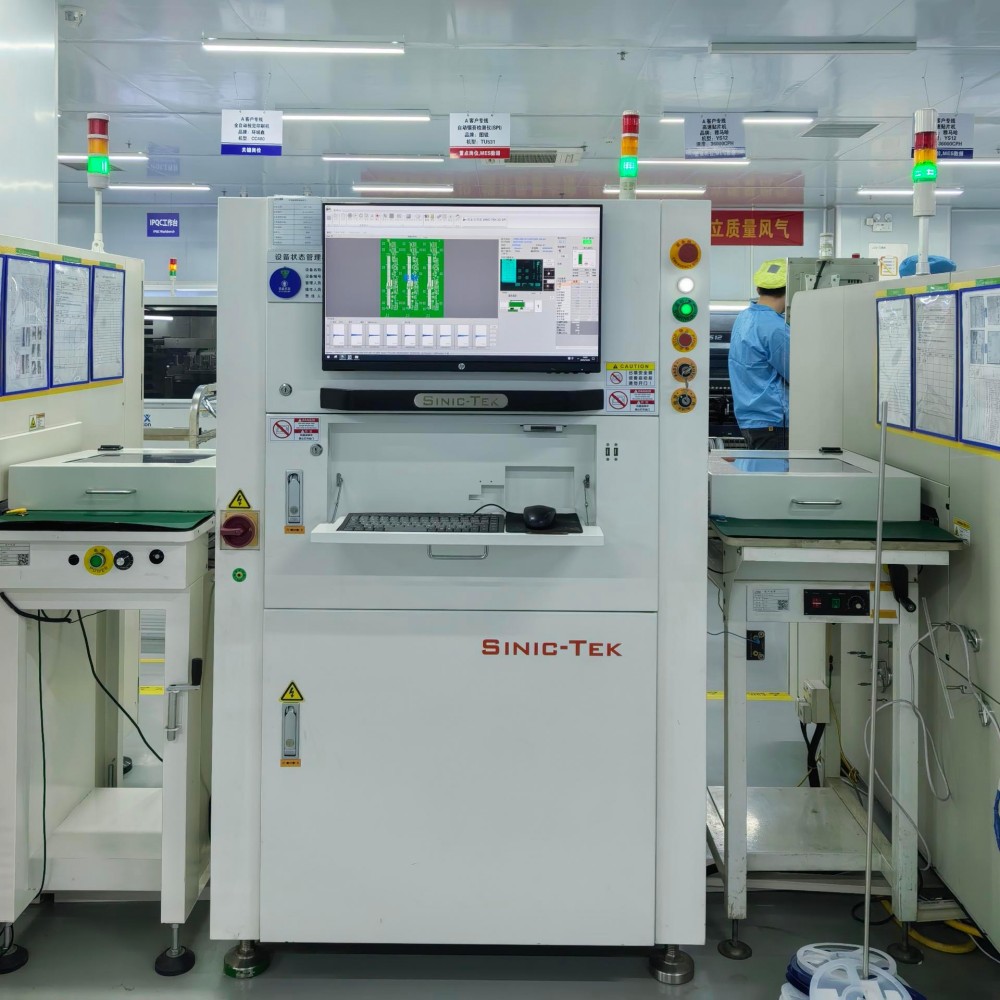
To achieve high reliability at a massive scale, Litongwei has deployed advanced Manufacturing Execution Systems (MES) to enforce full-process traceability. From incoming material inspections of critical MOSFETs and ICs to automated optical inspection (AOI) and comprehensive functional testing (FCT), every protective module leaves the line with a unique digital identifier.
This traceability ensures that tier-1 clients can monitor quality metrics remotely and execute field maintenance cycles efficiently. We operate ISO9001 and ISO14001 certified sites, and comply strictly with IATF16949 automotive quality management system standards to satisfy even the most demanding industrial application requirements.
Under the guidance of Google's E-E-A-T and Search Quality principles, this technical analysis unpacks safety topologies, market trends, and risk management.
As the world transitions toward clean energy, lithium-ion battery chemistry remains the dominant choice for storing power. However, the inherent volatility of lithium requires extremely precise electronic monitoring. A Protection Circuit Module (PCM) or an Intelligent Battery Management System (BMS) serves as the first line of defense against catastrophic failure. Without robust PCM systems, lithium-ion cells can experience over-voltage during charging, over-discharge during usage, or high currents that lead to thermal runaway.
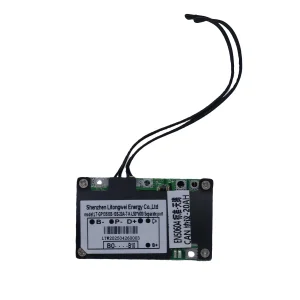
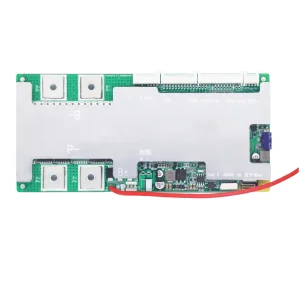
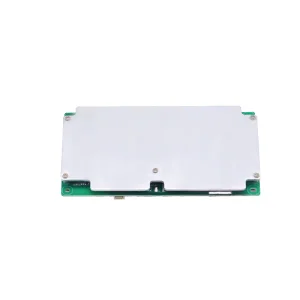
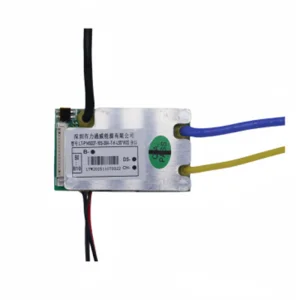
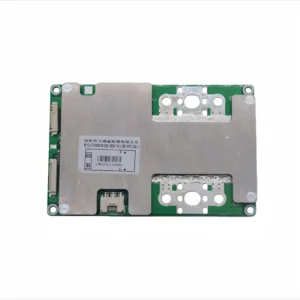
At Litongwei, we design and manufacture custom safety boards that scale from simple 1S analog PCMs for digital gadgets up to complex 23S smart BMS configurations featuring CAN/Bluetooth communications and smart heating protocols. These systems stabilize the electrochemical balance, ensuring maximum performance, prolonged cell lifecycle, and compliance with strict fire and shipping standards worldwide.
The manufacturing of PCBA (Printed Circuit Board Assembly) for safety systems is heavily reliant on global semiconductor supply chains. Over the past decade, unpredictable wafer shortages have challenged standard procurement lines. Litongwei mitigates this risk by establishing strategic, long-term partnerships with leading domestic and international IC design houses (including Texas Instruments, STMicroelectronics, and local high-grade silicon providers).
Our manufacturing strategy relies on shared modular board designs which significantly reduce bill-of-materials (BOM) costs for our clients. By utilizing standardized trace routing and common components, we reduce the customization cycle from several months to a few weeks, providing substantial economic advantages to our international partners.
Standardized protective layout reduces custom design cycles by up to 45% and minimizes component lead times. By selecting from our catalog of pre-verified circuit blocks (overcharge, over-discharge, balance charging, temperature sensing), engineers can configure unique BMS layouts without paying standard engineering NRE fees.
Lithium battery packs operate in highly diverse and challenging climates. A battery pack utilized in a Nordic e-bike experiences sub-zero winter temperatures, which can severely damage cells during charging cycles. Conversely, an energy storage system (ESS) deployed in the Australian outback must withstand prolonged high temperatures.
Our localized designs incorporate automatic thermal heating interfaces and advanced NTC thermistor monitoring. If the surrounding temperature drops below 0°C, the BMS redirects charging current to internal heating mats to warm the cells to a safe temperature before permitting charge flow. This specialized intelligence prevents lithium plating and thermal degradation, protecting the asset's residual value.
Traditional PCM designs focused strictly on passive safety—blocking current when safety thresholds were breached. Today, the demands of smart micro-mobility, electric vehicles (EVs), and home energy storage require real-time data analytics. Our latest BMS architectures utilize advanced communication protocols such as CAN bus, RS485, and integrated Bluetooth.
Through these interfaces, operators can monitor individual cell voltages, state-of-charge (SoC), state-of-health (SoH), and discharge curves in real-time. By connecting this data to cloud platforms via LTE/IoT gateways, fleet managers can predict when a battery pack will fail before it ever shuts down, maximizing system uptime and safety.
High-fidelity engineering practices that elevate the safety margins of lithium power systems.
Multi-stage secondary safety loops trigger physical fuses or smart relays when MOS switches fail, completely eliminating fire hazards.
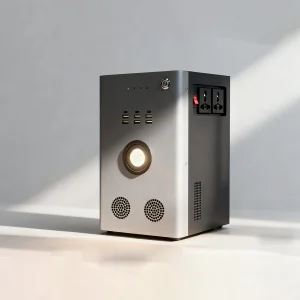
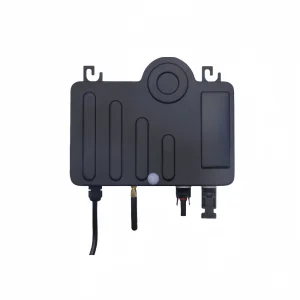
Our micro-inverters reach up to 96.5% electrical efficiency under full load, preventing energy waste and reducing overall heat dissipation.
Proprietary factory tracking connects every assembly machine, enabling complete raw material tracing for liability clearance.
A timeline of innovation, certifications, and forward-looking smart initiatives.
Corporate Foundation: Initiated R&D and custom manufacturing of digital Battery Management Systems. Secured ISO9001 and ISO14001 certifications to lay a strong base for quality production.
Technological Expansion: Obtained 8 major utility model patents and established the specialized Litongwei Technology Research Institute to focus on high-voltage pack protection.
Quality & Digital Transformation: Obtained the prestigious IATF16949 automotive certification. Rolled out our customized MES for end-to-end component level traceability.
Smart Industry 4.0+: Integrating high-efficiency balancing algorithms, cloud diagnostics, and multi-cell smart heating features to serve global energy markets.
Collaborating with the world's most trusted brands for safe energy management.














Our partners include Huawei, Lenovo, Desay, Guoguang, Sunwoda, Eve Energy, Guoxuan High-tech, and other leading brands.
Detailed answers to the most common engineering and procurement queries regarding PCM design and manufacturing.
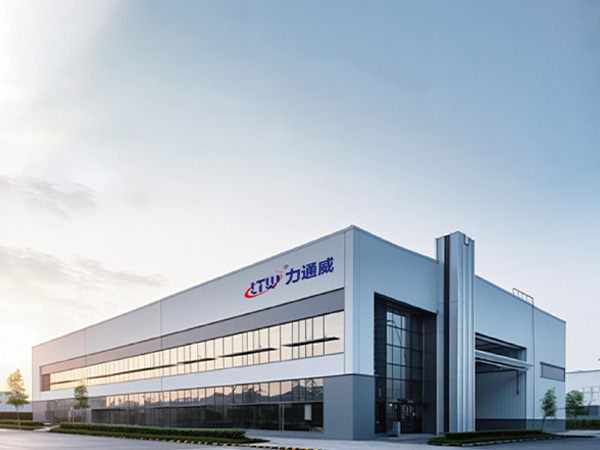
At Litongwei, we believe that battery safety is a major factor in driving public trust in alternative energy. Our long-term mission is to establish a safe, zero-failure energy ecosystem. In all aspects of our production and assembly, we follow the philosophy of "Technology as King, Efficient Service."
By continuing to invest in highly integrated microchip designs, wireless BMS topologies, and cloud diagnostics, we aim to lower boundaries of entry for developers. Partnering with us means choosing advanced design, manufacturing scale, and reliable safety structures.
Explore our high-current safety designs, communication boards, and micro-inverter solutions below.
 Litongwei Electronic