Premium OEM/ODM energy management products engineered for performance, compliance, and structural longevity.
A comprehensive analysis of design methodologies, supply chain challenges, and technological trends shaping the global distributed energy market.
The global solar market is undergoing a rapid architectural evolution. For decades, centralized string inverters were the default choice for commercial and residential photovoltaic (PV) installations. However, string topologies present systemic weaknesses: rapid shutdown safety risks, complete string efficiency degradation due to partial shading, and a lack of granular, module-level monitoring.
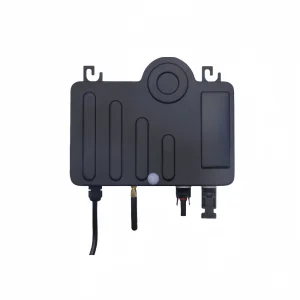
Custom solar microinverters represent the zenith of Module-Level Power Electronics (MLPE). By shifting the DC-to-AC conversion process directly to each individual solar module, microinverters eliminate the hazards of high-voltage DC conduit lines and unlock maximum energy harvesting through localized Maximum Power Point Tracking (MPPT). This technology reduces Levelized Cost of Energy (LCOE) and significantly extends the system's operational lifetime, positioning microinverters as a critical element for high-yield, smart grid integrations.
"According to industry-wide studies, MLPE implementation via microinverters yields up to a 15-25% increase in total energy output over standard centralized systems in complex shade topologies, while mitigating high-voltage DC safety concerns."
EPC contractors, project developers, and OEM brands require rigorous technical capabilities when sourcing solar microinverters and companion Battery Management Systems (BMS). Procurement strategies have shifted from raw cost-per-watt metrics to total lifecycle cost analysis, safety compliance, and supply chain resiliency.
Sourcing from custom factories like Shenzhen Litongwei Electronic Technology Co., Ltd. allows companies to bypass the rigid, expensive configurations of standard Tier-1 suppliers. Global buyers prioritize customizable parameters such as grid profile settings, localized communication frequency bands (Sub-1G, ZigBee, Wi-Fi, or Cellular IoT), customized connector options (MC4, Amphenol, or proprietary trunk cables), and co-branded remote management applications.
Rigorous adherence to international standards such as UL 1741, IEEE 1547 (Grid Interconnection), CE, VDE-AR-N 4105, and local EN regulations ensures seamless utility commissioning.
IP67 and NEMA 6 structural enclosures utilizing premium silicone potting materials protect delicate power components from moisture ingress and thermal degradation.
From 300W microinverters for balcony solar up to multi-channel 2000W microinverters designed to handle four ultra-high-power 600W+ bifacial solar panels.
Achieving a peak conversion efficiency of over 96.5% requires advanced power electronics topology. Modern microinverters feature multi-stage power conversion processes. First, an isolated high-gain DC-DC converter with interleaved topology boosts the low DC voltage of the PV module (typically 20V to 60V) to a stable high-voltage DC bus. Interleaved switching reduces input current ripple, minimizing stress on the solar module and lengthening its operational lifespan.
Next, a grid-tied DC-AC inverter stage converts this high-voltage DC into a clean sinusoidal AC output. To maximize performance under changing environmental conditions, developers utilize digital signal processor (DSP)-based digital control loops. These loops manage advanced algorithms including:
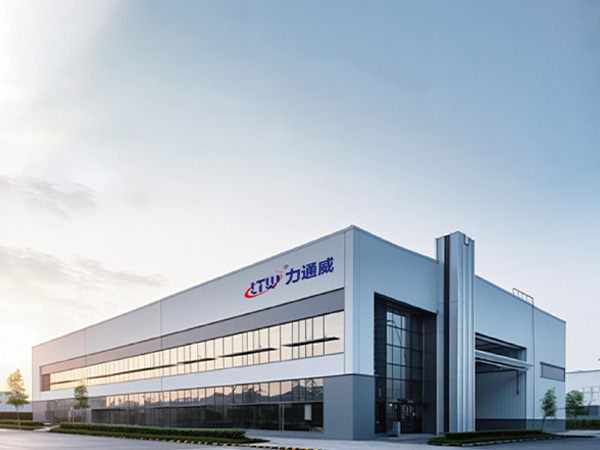
Shenzhen Litongwei Electronic Technology Co., Ltd. combines advanced manufacturing facilities, rigorous IATF 16949 processes, and years of R&D experience.
In 2005, Litongwei commenced specialized research and development of digital Battery Management Systems (BMS). By 2006, operations expanded into power battery safety management systems. ISO9001 and ISO14001 certifications were earned in 2007 and 2009 respectively, solidifying our baseline quality management frameworks.
During this period, we earned 8 utility model and design patents while expanding our mobile power bank and consumer power system manufacturing. In 2012, we founded the Litongwei Technology Research Institute, leading to the Del New Energy Quality Excellence Award in 2014 and the Gaogong Lithium Battery Gold Partner title in 2015.
Litongwei upgraded its ISO 9001 and ISO14001 systems in 2016 and achieved the high-level automotive grade IATF16949 certification in 2018. We implemented a complete MES system for warehouse automation and production traceability, earning the Guangdong Battery Industry Association Innovation Award in 2019.
We are executing our Smart Manufacturing+ strategy, embracing IoT and Industry 4.0 paradigms. Litongwei offers advanced grid-interactive solar microinverters, intelligent BMS solutions, and bidirectional energy conversion technologies to partners globally.
The future of energy is distributed and storage-integrated. Modern balcony power systems and micro-grid solutions require clean coordination between the PV harvester and the battery system. This is where Litongwei's core legacy in Battery Management System (BMS) design integrates with our microinverter technology.
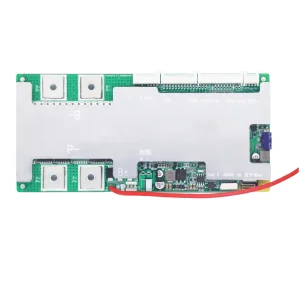
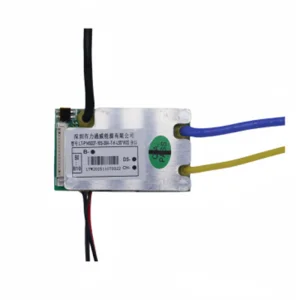
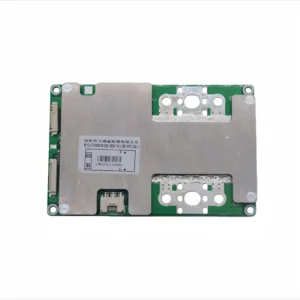
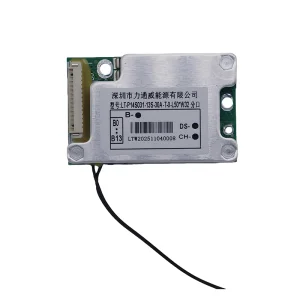
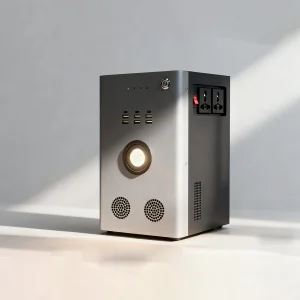
By designing the microinverter alongside our smart BMS (such as our 13S, 20S, and 23S boards with CAN/Bluetooth communication), we achieve real-time synchronization. The BMS monitors cell voltages, state-of-charge (SoC), and system temperature via highly sensitive NTC thermistors. It transmits this telemetry to the microinverter or bidirectional storage inverter (like our 500W-1kWh portable power bank system). The microinverter adjusts its power curve dynamically, ensuring the battery is charged safely while maximizing utility grid export.
For global distributors and original equipment brand partners, proprietary technology protection is paramount. Litongwei offers collaborative patent licensing frameworks that mitigate infringement risks in international jurisdictions. Clients can utilize our shared platform designs to reduce development costs and time-to-market.
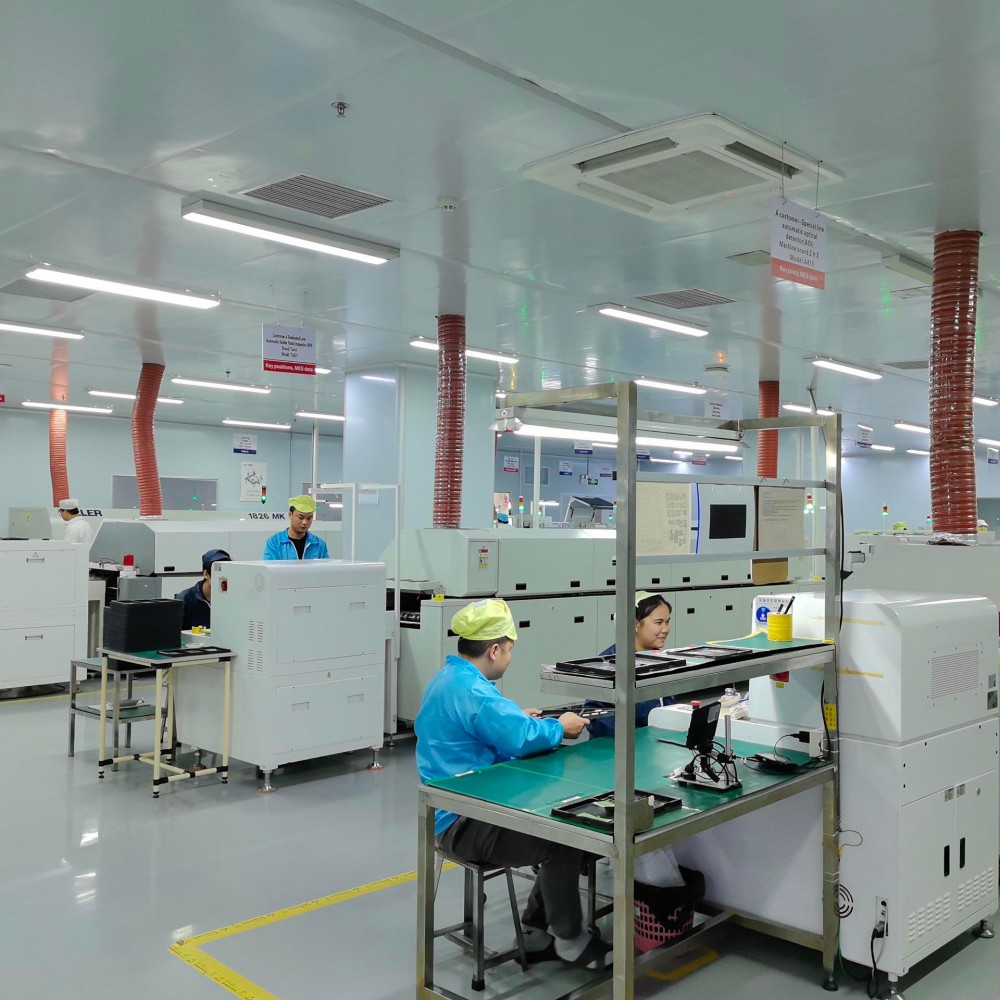
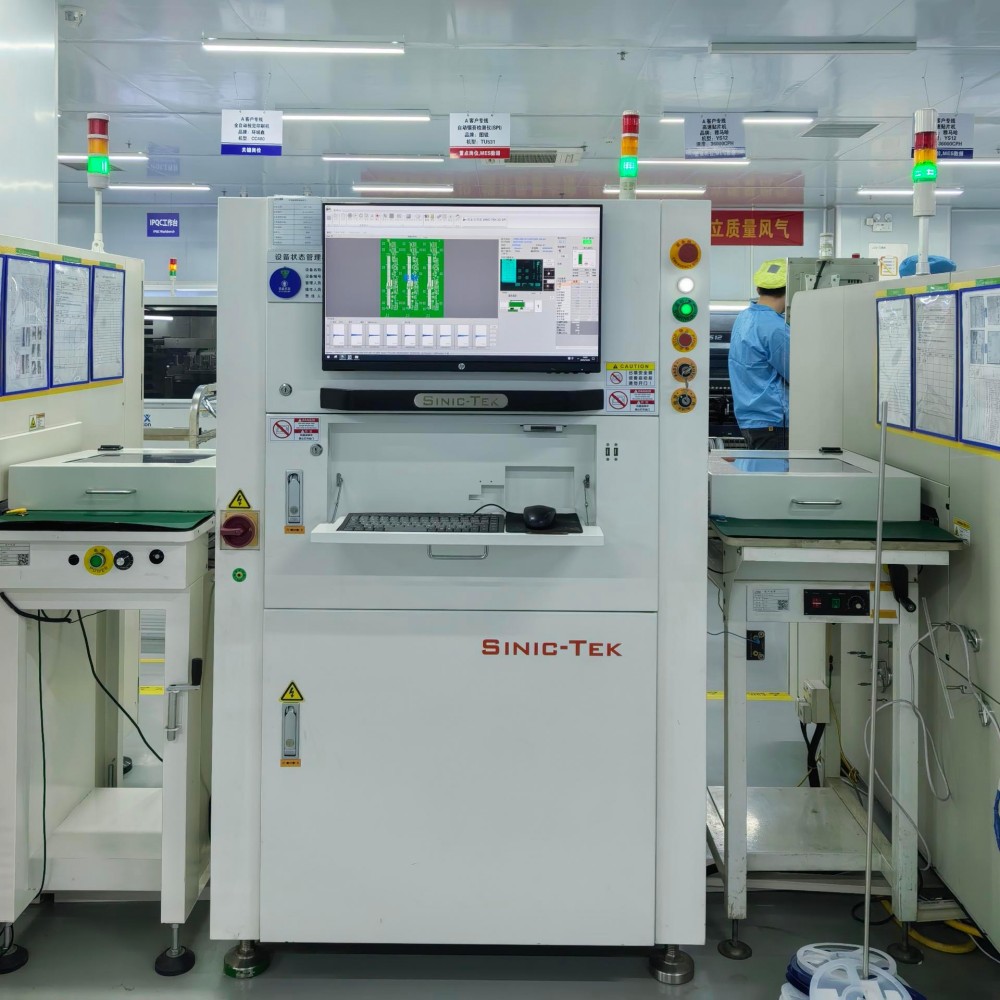
Production security is maintained by our Manufacturing Execution System (MES). From raw component arrival to surface mount technology (SMT) pick-and-place processing, through final functional testing and wave soldering, every single product is assigned a unique tracking code. This allows full-process traceability for quality control, meaning that if a component variance occurs in the field, we can isolate the exact batch down to the minute it was manufactured.
As global power grids accommodate higher shares of intermittent renewable energy sources, grid codes are becoming increasingly stringent. Sourcing planners must prepare for the next wave of microinverter capabilities:
Litongwei has maintained long-term technical and manufacturing partnerships with leading multinational brands, proving our commitment to quality.





Expert insights on the design, deployment, and optimization of microinverter and BMS technologies.
While both options manage power at the module level (MLPE), string systems with optimizers still run high-voltage DC down to a central inverter. Microinverters convert DC to AC immediately on the roof, reducing risk of high-voltage DC faults and thermal hazards. Furthermore, central string inverters represent a single point of failure; if the string inverter fails, the entire PV block goes down. In contrast, a microinverter failure only impacts that single panel, minimizing downtime and maintaining overall production.
To achieve a 25-year service life under harsh rooftop conditions, developers must use top-tier components and thermal design. Litongwei microinverters feature IP67-rated cast aluminum enclosures with high-grade thermal conductive silicone potting. This eliminates structural air gaps, accelerating heat dissipation away from core power components to prevent localized thermal stress. We also select automotive-grade capacitors and semiconductors, which have higher thermal operating margins than standard consumer-grade components.
Using CAN bus or RS485 communication protocols, our BMS shares real-time data—such as cell-level temperatures, state of charge (SoC), and current demands—directly with the system inverter. This closed-loop communication prevents over-charging, over-discharging, and thermal runaway. Bluetooth integration allows field engineers and end-users to perform diagnostic testing and adjust parameters using a secure mobile application, reducing maintenance costs.
Grid-connected devices must comply with regional electrical and safety codes. In North America, systems require UL 1741 SB and IEEE 1547.1 certifications. In Europe, certifications like CE, VDE-AR-N 4105 (Germany), and EN 50549 are necessary. These standards ensure that microinverters can shut down instantly during grid power failures (anti-islanding) and ride through minor voltage and frequency fluctuations without destabilizing local networks.
We provide comprehensive OEM and ODM support, including firmware customization for specific utility grid configurations, tailored housing designs, and private-label monitoring software. We prioritize intellectual property protection by establishing patent collaboration frameworks with our partners. This helps mitigate infringement risks and protects proprietary designs in destination markets.
Review additional system components, integrated smart BMS systems, and portable power bank products manufactured in our factories.
 Litongwei Electronic