The modern telecommunication landscape is undergoing an unprecedented paradigm shift. Driven by 5G expansion, IoT integration, and decentralization of computational power, the demand for custom telecommunication devices and robust power architectures has skyrocketed. High-speed networks require constant, uninterrupted uptime. The foundational layer of this operational assurance lies in Advanced Battery Management Systems (BMS) and high-efficiency Micro Inverters that govern backup power nodes, base stations, and portable diagnostic equipment.
Global telecommunication networks face diverse deployment scenarios, ranging from extreme temperature remote mountaintops to densely populated urban micro-cells. In these environments, power grid volatility and outdoor exposure present severe risks. Solutions must offer smart thermal regulation, real-time wireless metrics (such as CAN and Bluetooth communications), and IP67-rated ingress protection. Unmanaged lithium arrays or inefficient power transformation stages lead directly to packet loss, device failure, and costly field maintenance operations.
1. Thermal Runaway Mitigation: As cells pack tighter in edge-computing cabinets, smart heating and cooling safety logic is vital.
2. Real-Time Monitoring: Integration of telemetry systems to track state-of-health (SoH) and state-of-charge (SoC) via remote cloud portals.
3. Harsh Climate Survival: Custom telecommunication modules require hermetically sealed components (IP67/IP68) with wide operational windows.
Analyzing the structural shift toward intelligent, decentralized energy architectures that support the next generation of global communication infrastructure.
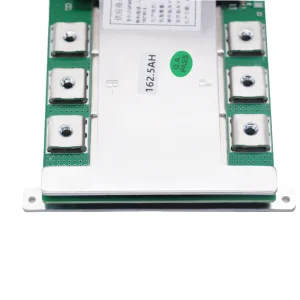
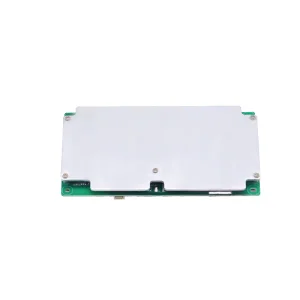
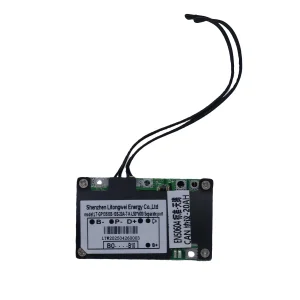
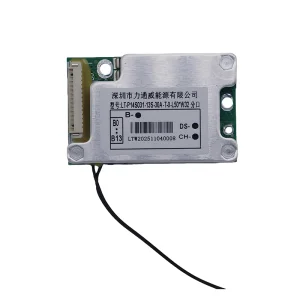
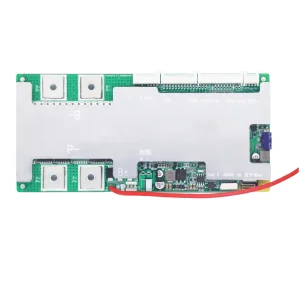
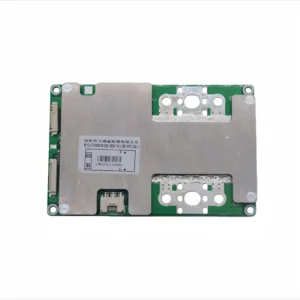
Integrating high-current BMS architectures (up to 200A continuous discharge) with CAN, RS485, and Bluetooth capabilities. These setups ensure individual cell voltages in telecom base station battery backups are dynamically balanced, drastically extending battery service life by up to 40%.
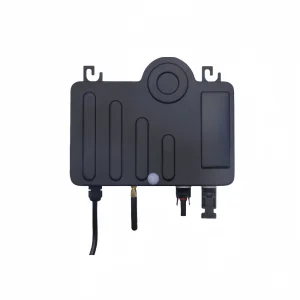
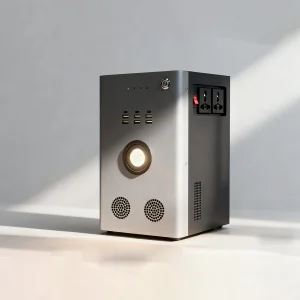
For rural micro-nodes, renewable solar input is essential. Transitioning from centralized inverters to decentralized IP67 micro-inverters with 96.5% efficiency allows individual PV-panel optimization, eliminating single-point system failures.
For high-latitude telecom cabinets, freezing conditions severely limit lithium discharge capacity. Our advanced BMS features active heating components, utilizing charge currents to heat cells to safe operational levels before load engagement.
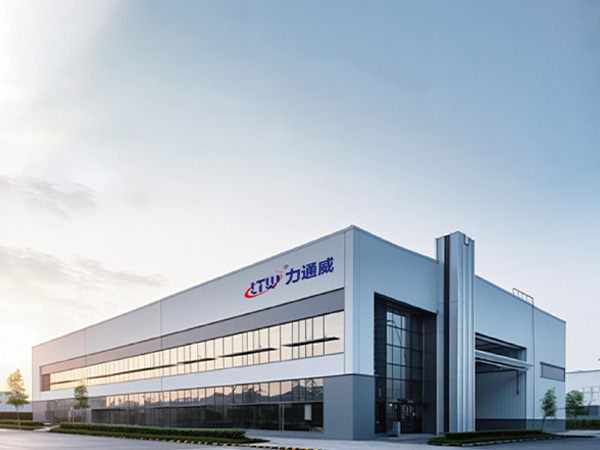
Established in 2005, Shenzhen Litongwei Electronic Technology Co., Ltd. is a recognized national high-tech enterprise specializing in the R&D and manufacturing of lithium-ion safety control systems. Over two decades, we have engineered and deployed intelligent battery protection topologies for global industries, including 3C digital devices, electric scooters, AGVs, unmanned aerial vehicles (UAVs), and critical telecommunication auxiliary power storage units.
Our operation focuses on four pillars of enterprise assurance: intellectual property protection via collaborative patent development, the supply of cost-optimized industry-standard shared boards, full-process MES traceability for strict quality assurance, and remote cloud platform-based status monitoring for reduced maintenance overhead. By partnering with Litongwei, you leverage a complete industrial ecosystem built to protect your brand and optimize your product lifecycle.

Commenced advanced R&D in digital Battery Management Systems (BMS) in 2005. Expanding into power lithium battery management systems by 2006. Attained ISO9001 certification in 2007, followed by ISO14001 certification in 2009, standardizing corporate production protocols.
Secured 8 core utility model and design patents in 2011, establishing the specialized Litongwei Technology Research Institute in 2012. Acquired the Del New Energy Quality Excellence Award (2014) and named Gold Partner by Gaogong Lithium Battery in 2015.
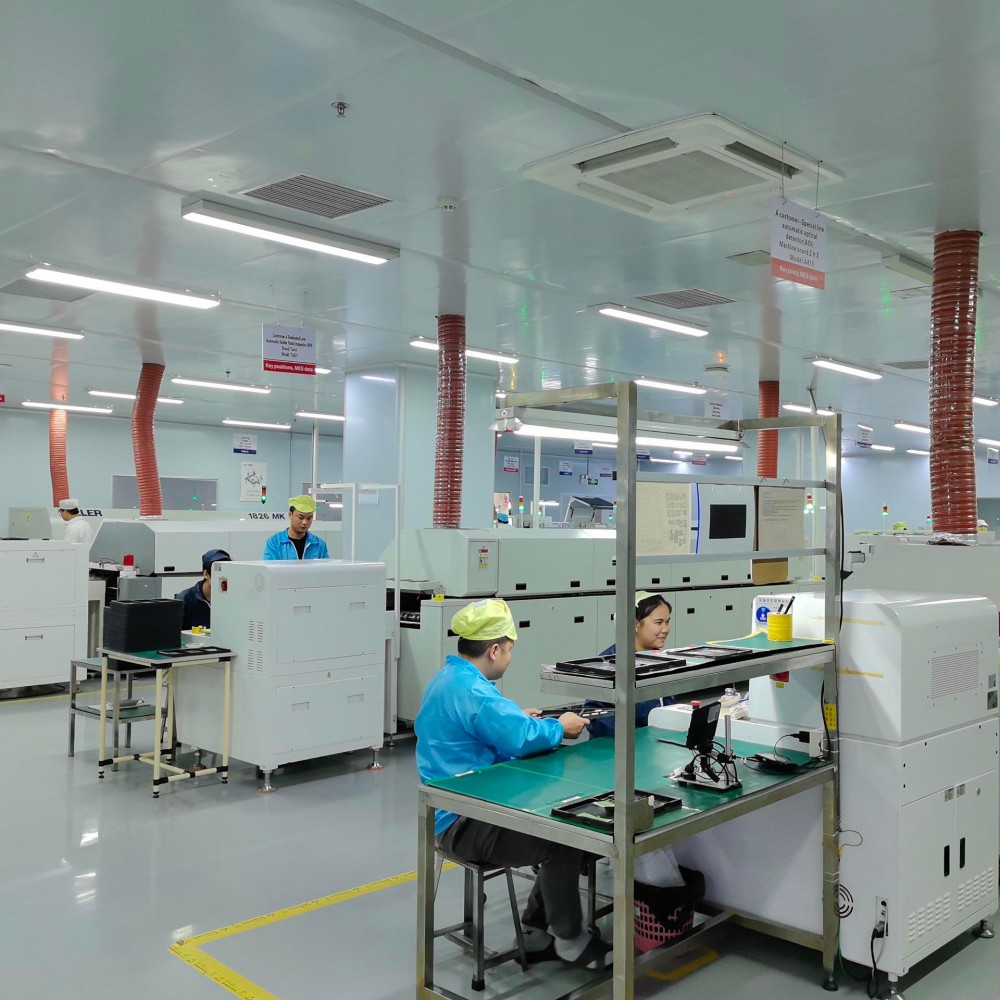
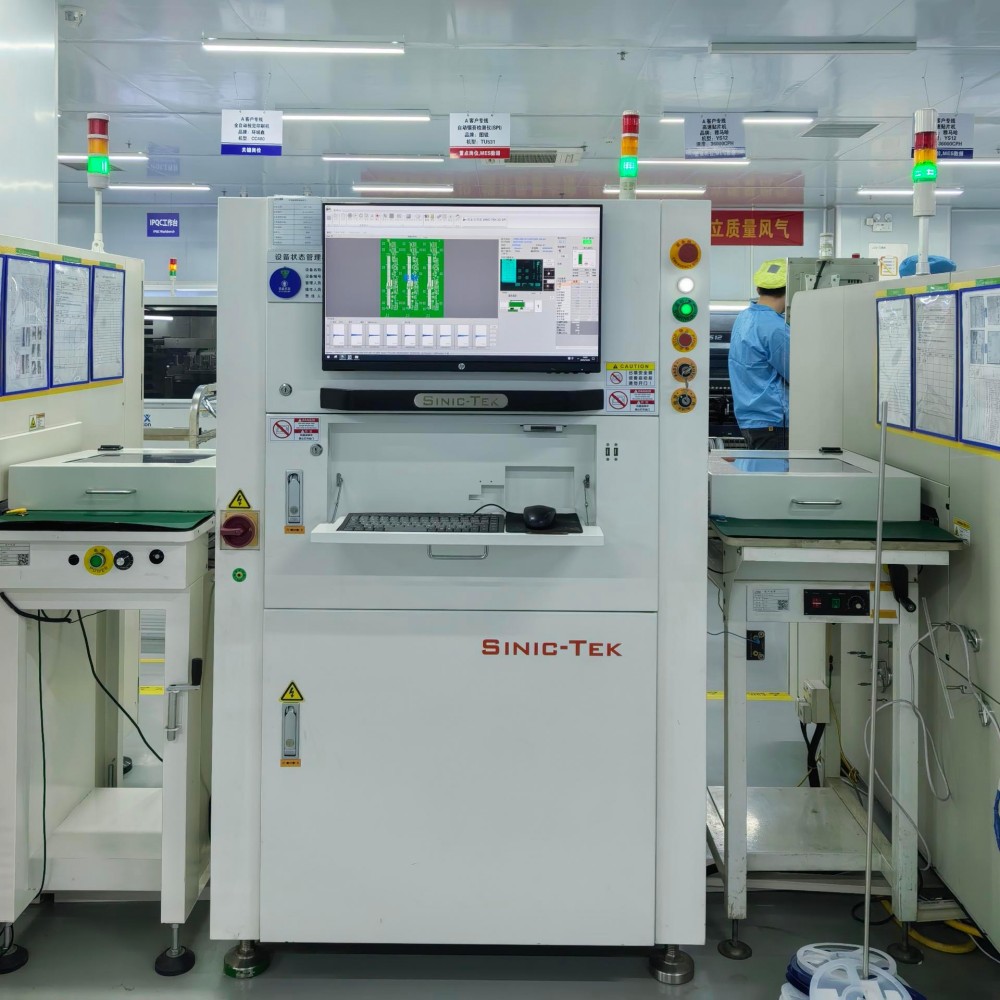
Upgraded to modern standard ISO9001 and ISO14001 protocols in 2016. Secured automotive-grade IATF16949 certification in 2018. Deployed fully integrated MES warehouse and production management systems for live quality tracking. Honored with the Guangdong Battery Industry Association Innovation Award in 2019.
Pioneering the Smart Manufacturing+ strategy, integrating battery management with IoT gateways and cloud computing systems, enabling preventive diagnostic tools for smart grids and base stations globally.
In regions with unstable power grids, base stations rely heavily on backup batteries. By integrating our 20S 200A Smart BMS with Bluetooth and Screen, field technicians can rapidly assess pack metrics on-site without opening high-voltage enclosures, minimizing downtime during blackouts.
Our manufacturing extends to compact custom systems, including wearable devices such as the OEM Cool LED Bluetooth Speaker Waist Bag. Designed for outdoor activities, these products integrate smart audio circuits, light arrays, and efficient lithium safety circuits into ergonomic gear.
Deploying energy systems in high-humidity regions requires rugged components. The IP67 All-Weather Safe LTWSmart Micro Inverter delivers 96.5% power transformation efficiency, keeping grid connections robust even under extreme rain or dust conditions.
Litongwei works with elite global enterprises, maintaining long-term partnerships built on performance, reliable supply chains, and strict safety compliance.














Strategic collaboration with Huawei, Lenovo, Desay, Guoguang, Sunwoda, Eve Energy, Guoxuan High-tech, and other leading brands.
 Litongwei Electronic