Engineered high-current Smart Battery Management Systems (BMS) and dynamic grid-tie micro-inverters developed for optimal thermal performance, telemetry monitoring, and ultimate cell-level security.
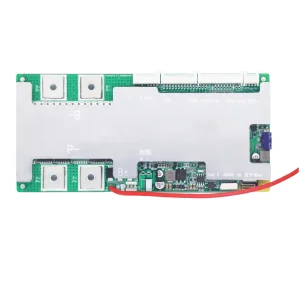
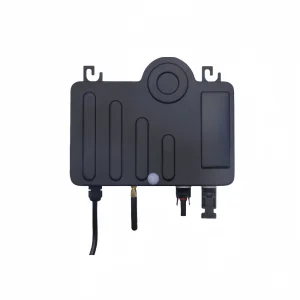
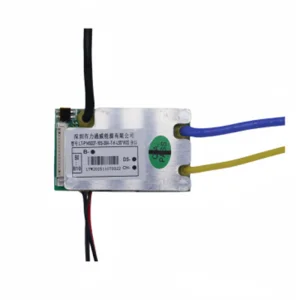

An engineering whitepaper on the integration of hardware, software, and localized compliance architectures in global energy storage.
The global transition toward intermittent renewable energy sources, specifically solar photovoltaic and wind power, has catalyzed an unprecedented demand for high-capacity, reliable Battery Energy Storage Systems (BESS). These systems represent the cornerstone of modern grid modernization, commercial load profiling, and microgrid deployments. However, the performance and safety of a BESS do not merely depend on the chemical energy density of its lithium-ion or lithium iron phosphate (LiFePO4) cells. Instead, safety, longevity, and efficiency are defined by the sophistication of its control systems: the Battery Management System (BMS).
As global energy utilities and multi-site commercial enterprises seek custom OEM/ODM solutions, the dynamic features of BESS architectures have shifted toward automated thermal management, active digital balancing, and multi-protocol telemetry. Standard off-the-shelf options no longer satisfy the distinct operating and regulatory requirements of international installations. High-performance BESS projects demand custom safety control platforms capable of managing dynamic charge-discharge profiles under varying environmental pressures.
Bridging the gap between raw battery protection hardware and secure, cloud-enabled power management platforms.
We provide stringent intellectual property protection, offering extensive patent collaboration structures to prevent infringement. We ensure our international partners remain legally shielded from competitive challenges within regional markets.
By offering standardized, high-volume shared boards, we significantly reduce initial non-recurring engineering (NRE) costs. This speeds up development times without compromising circuit integrity or thermal safety standards.
Utilizing advanced Manufacturing Execution Systems (MES), our facility ensures components undergo complete tracking. From initial silicon inspection to automated optical inspection (AOI), quality control is recorded for every unit.
Why manufacturing in Shenzhen and Dongguan guarantees unmatched scaling capabilities, cost efficiencies, and component access.
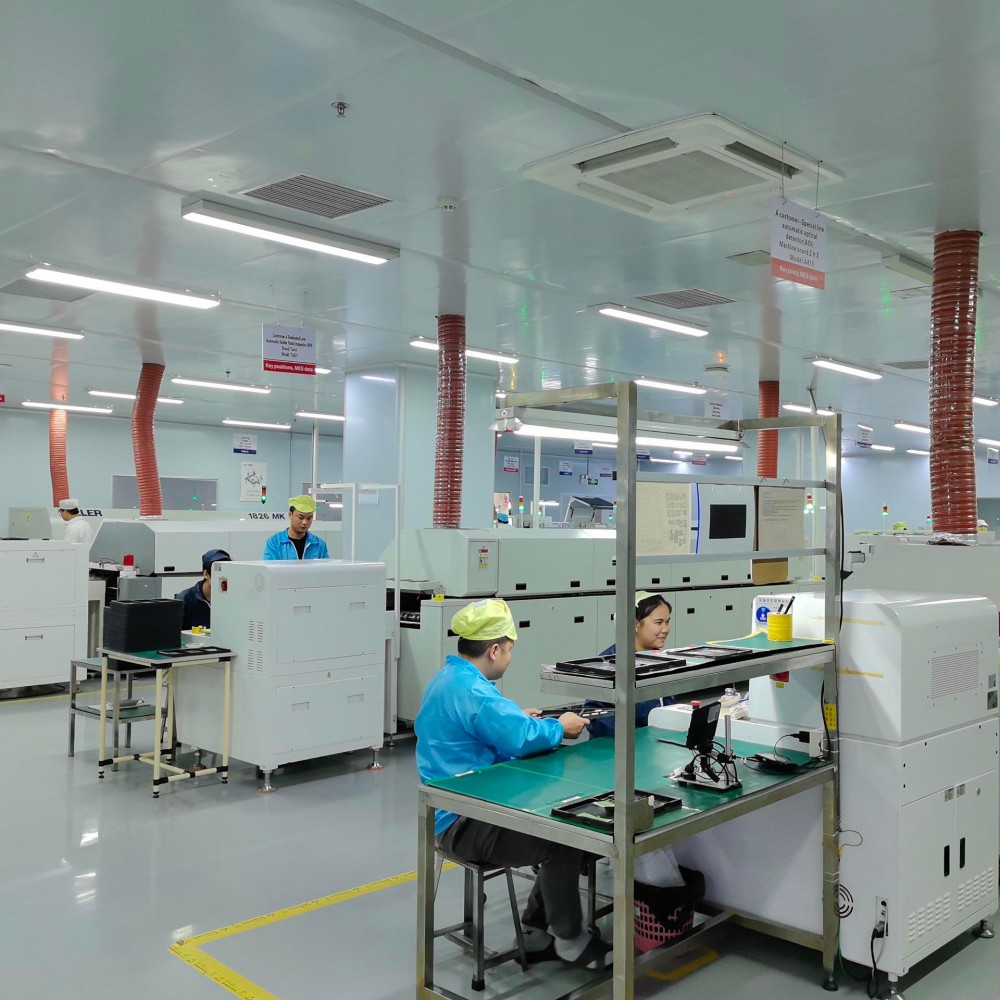
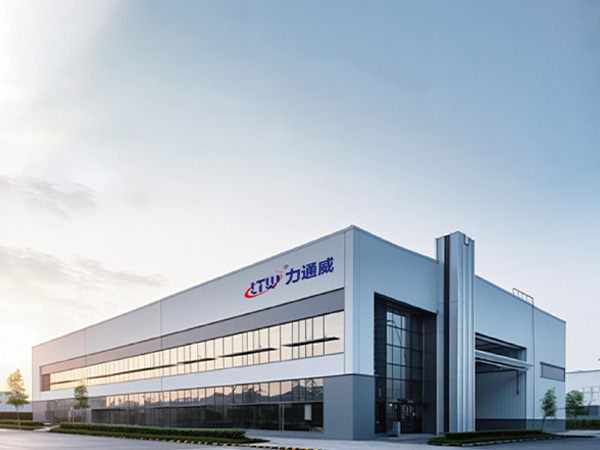
The concentration of electronic design, chemical raw materials, and high-precision testing infrastructure in the Pearl River Delta is unique. Litongwei leverages this geographical and industrial concentration, operating 13,000 square meters of independent manufacturing space in Shenzhen, supplemented by 27,000 square meters in Dongguan Huangjiang.
Equipped with 24 high-speed, automated pick-and-place SMT machines and 12 distinct PCBA production lines, our production line scales dynamically from prototyping to high-volume manufacturing. This localized ecosystem reduces raw component transit times, secures key semiconductor components (such as specialized BMS ICs, microcontrollers, and MOSFETs), and mitigates shipping bottleneck risks that affect overseas production lines.
Consequently, international clients benefit from short turnaround cycles, rapid hardware revisions, and highly optimized cost structures that are impossible to duplicate in less integrated logistics regions.
Mitigating regulatory, environmental, and intellectual risks for blue-chip clients across the EU, North America, and APAC.
We maintain IATF 16949 certification to guarantee design reproducibility. Our failure modes and effects analysis (FMEA) ensures each BESS component conforms to automotive-grade vibration, thermal shock, and stress tolerances.
Our safety architectures conform to globally recognized testing frameworks, such as CE, FCC, UL, and UN38.3. This compliance ensures trouble-free import customs clearance, reliable operations, and low commercial insurance premiums.
With Field Application Engineering (FAE) capabilities, we provide deep systems integration assistance, matching control protocols (such as Modbus, CAN, or custom API layers) to local utility interfaces and smart building controllers.
From remote sub-zero telecom sites to complex commercial energy shaving systems, our customized systems guarantee efficiency.
High-capacity BESS setups configured with LTW smart protection boards help enterprises reduce demand charges. Our active balancing technologies reduce cell drift, maximizing system lifespan during daily high-stress duty cycles.
For operations in remote geographical regions, our BMS layouts feature smart CAN/Bluetooth communication and integrated warming circuits. These designs protect cells during sub-zero temperature cycles, preventing dangerous cold-charging lithium plating.
Integrating our IP67 micro-inverters with custom protection modules ensures high efficiency. These components manage unstable PV inputs, delivering clean, reliable AC electricity to remote settlements and monitoring gear.
Two decades of advancement, growing from a regional developer into an internationally recognized smart energy brand.
We maintain long-term product development and manufacturing alliances with leading technology brands.











Essential insights for procurement directors and engineers regarding OEM/ODM battery storage deployment.
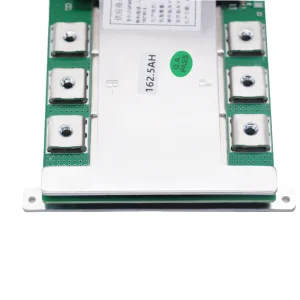
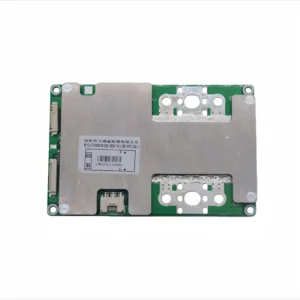
Explore our complete range of high-current battery protection boards, smart BMS options, and integrated consumer electronics products.
 Litongwei Electronic