Explore our premium grade active equalizers and battery protection systems optimized for industrial safety standards.
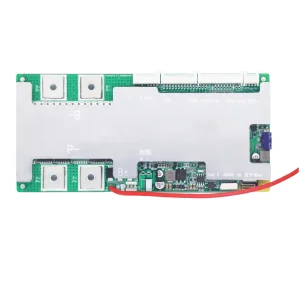
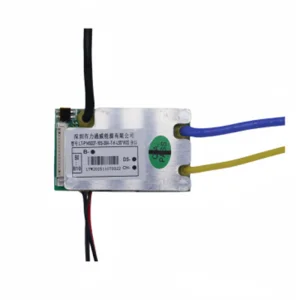
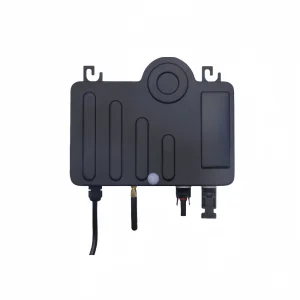
A comprehensive analysis of cell degradation, thermal management, and the engineering necessity of intelligent active equalization.
In large-scale battery assemblies—ranging from electric vehicles (EVs) to grid-tied Energy Storage Systems (ESS)—hundreds or thousands of individual lithium-ion cells are configured in series and parallel. Despite state-of-the-art manufacturing precision, minor variations in internal resistance, chemical capacity, rate of self-discharge, and local thermal gradients are mathematically inevitable. Over repeated charge and discharge cycles, these microscopic discrepancies amplify. This phenomenon is known as cell imbalance.
Without an intelligent system to actively redistribute or balance the energy, the overall capacity of the battery pack becomes bottlenecked by the weakest cell in the series stack. During discharge, the weak cell depletes first, triggering a low-voltage cut-off that leaves usable capacity in neighboring cells stranded. During charging, the same weak cell hits its voltage ceiling first, forcing the battery management system (BMS) to stop charging before other cells can reach full capacity. Over time, this leads to a destructive feedback loop, accelerating the degradation of the pack, causing localized thermal stress, and substantially shortening the system's useful lifecycle.
Dissipates excess energy from high-voltage cells as heat via shunt resistors. High cost-efficiency but limited to small-scale packs where thermal waste is manageable.
Dynamically transfers charge from high-voltage to low-voltage cells using inductive, capacitive, or transformer-based circuits. Minimizes energy waste and thermal generation.
Integrates advanced SoC (State of Charge) and SoH (State of Health) algorithms, adjusting balancing current dynamically based on load conditions and battery aging metrics.
We are Shenzhen Litongwei Electronic Technology Co., Ltd., established in 2005, a national high-tech enterprise specializing in the R&D and manufacturing of lithium-ion safety control systems. Our products are widely used in 3C digital devices, electric scooters, bicycles, motorcycles, tricycles, golf carts, AGVs, drones, and power tools.
We provide intellectual property protection (patent collaboration to prevent infringement), industry-standard shared boards (cost reduction and efficiency improvement), full-process traceability (quality control), and remote maintenance (cloud platform support) to help you address technical, cost, and operational challenges. By choosing us, you'll receive top-tier products and services. Litongwei is committed to collaborating with you to build a brighter future together.
Corporate Vision: LITONGWEI has always adhered to the philosophy of "Technology as King, Efficient Service" in all aspects of production and operations. Our vision is to become a provider of intelligent green energy management solutions, embracing environmental sustainability. Start with LITONGWEI!
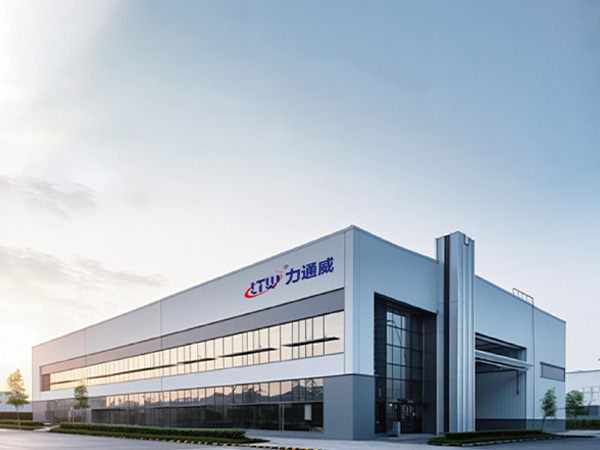
Leveraging high R&D reinvestments and robust assembly plants to secure massive production capacity.
Shenzhen has over 13,000 square meters of independent factory space, and Dongguan Huangjiang has 27,000 square meters. The company is equipped with 24 pick-and-place machines for high-speed assembly and 12 PCBA production lines, with Litongwei's monthly output reaching over 15 million units.
Litongwei's R&D investment has consistently accounted for more than 10% of the company's sales for five consecutive years. This long-term capital allocation funds cutting-edge active balance algorithms and next-generation high-current cell balancing designs.
The company holds over 100 patents in the lithium-ion battery protection board industry, along with multiple patents in circuit/testing programs and automation. It provides enhanced intellectual property protection for clients and collaborates with them to mitigate infringement risks.
A history of engineering evolution, building reliability and certifications for worldwide battery equalizer compliance.
Technology-driven growth. In 2005, the company commenced R&D and manufacturing of digital Battery Management Systems (BMS). By 2006, it expanded into power battery management system development. ISO9001 certification was obtained in 2007, followed by ISO14001 certification in 2009.
Technological advancement. The company secured 8 utility model and design patents in 2011, while expanding its mobile power bank manufacturing operations. The Litongwei Technology Research Institute was established in 2012. It received the Del New Energy Quality Excellence Award in 2014 and earned the Gold Partner title from Gaogong Lithium Battery in 2015.
Digital transformation. The company upgraded its ISO 9001 and ISO14001 certifications in 2016, achieved IATF16949 certification in 2018, and implemented an MES system for warehouse automation. It was awarded the Guangdong Battery Industry Association Innovation Award in 2019 and recognized as a leading brand in lithium battery protection board technology for two-wheeled vehicles in 2020.
Smart Manufacturing+. Litongwei Electronics continues to innovate, deepening its technological expertise while embracing IoT and Industry 4.0. Through its Smart Manufacturing+ strategy, the company drives industrial transformation and upgrading.
How rapid grid energy storage adoption and fleet electrification drive the global market for battery equalization modules.
The global battery equalizer market is currently experiencing an unprecedented growth phase, primarily fueled by the transition toward high-voltage green energy architectures. Traditionally, battery cell balancing was seen as a secondary function of the basic protection circuit board. However, as the world deploys larger mega-scale energy storage projects (often operating at 1500V DC) and heavier electric mobility options, standalone and intelligent active equalization units have transitioned into critical safety assets.
In the utility energy storage sector (BESS), equalizers play a critical role in preventing catastrophic thermal events. Industrial-scale developers are moving away from passive balancing systems, which generate undesirable localized heat loads within tight container units. Instead, active bidirectional equalization systems are being utilized to optimize charge transfer efficiency, allowing systems to output maximum capacity with lower thermodynamic risks. From North American utility micro-grids to European peak-shaving nodes, the demand for highly reliable OEM battery equalizers has surged by over 45% year-on-year.
For automated guided vehicles (AGVs) operating in 24/7 smart warehouses, minimizing recharge cycles and maximizing battery cell longevity is a core operational priority. OEM active equalizers reduce idle charge cycles and keep fleets active.
Distributed telecom towers, particularly in remote regions, rely heavily on battery backups. Under variable charging cycles, equalizers prevent premature aging of individual cell series, ensuring uninterrupted network performance.
Utility-scale projects depend on maximum energy retention. Dynamic equalization mitigates cell variations over thousands of deep charge-discharge cycles, securing higher returns on capital investments.
Charting the next generation of battery equalization from component-level efficiency to artificial intelligence integrations.
To meet the demands of higher voltage and larger capacity battery systems, equalizers are evolving rapidly. The technological transition focuses on three key milestones:
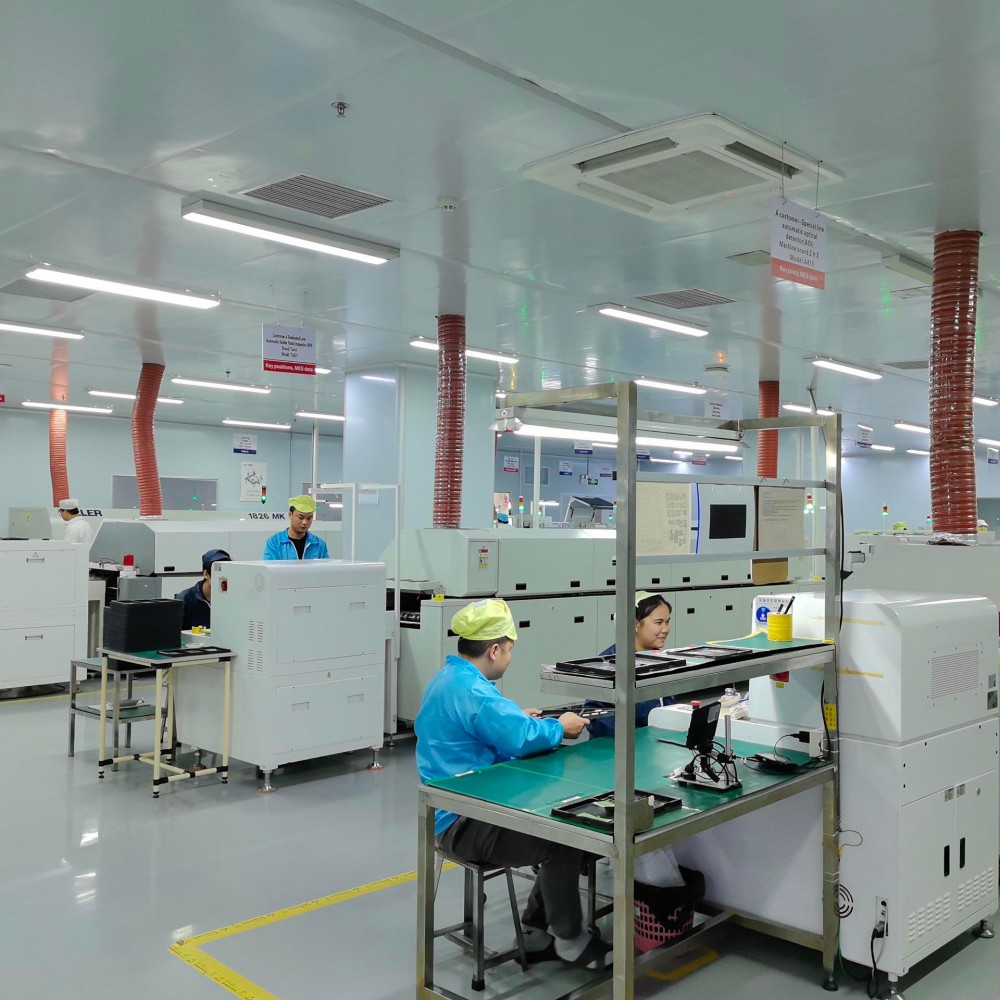
Our Cleanroom Manufacturing Facilities and High-Volume Testing Labs
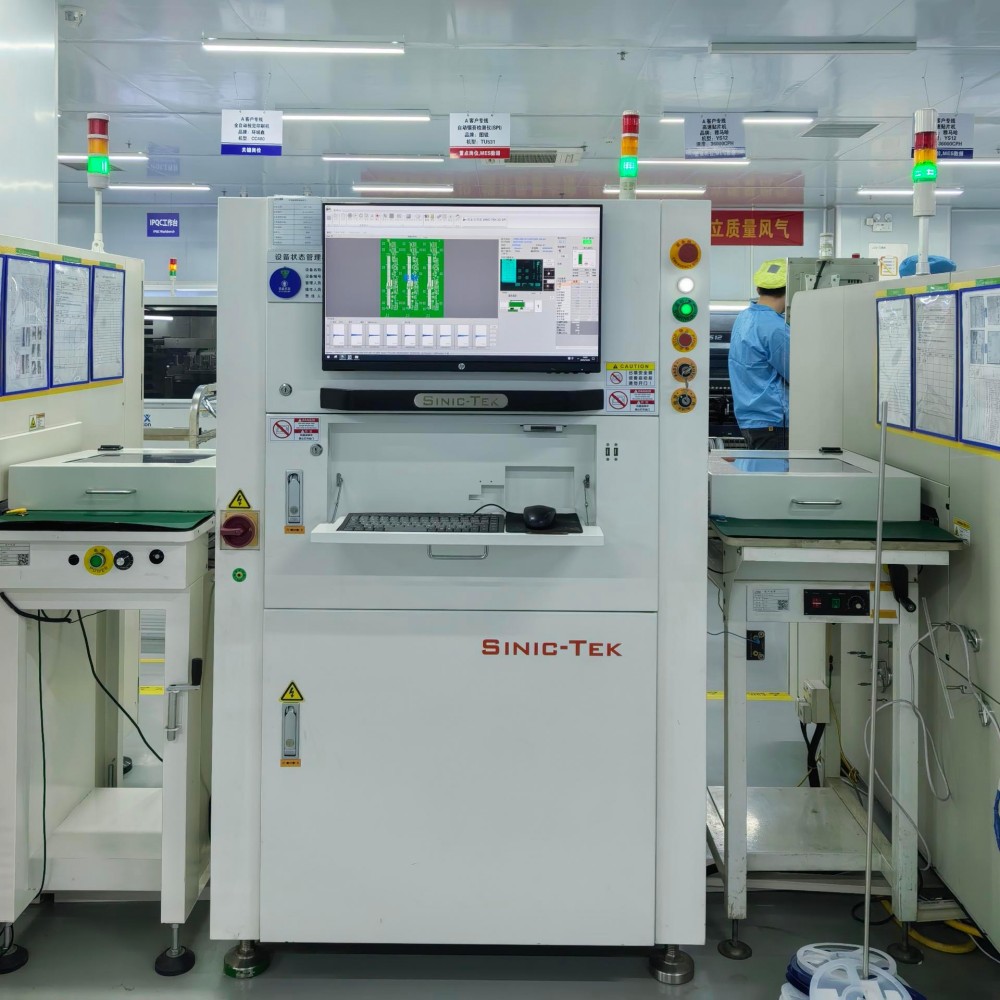
Automated Diagnostic Testing Station for Intelligent BMS Modules
Custom designs engineered to withstand extreme climates and variable operational profiles across global regions.
Solar arrays deployed in desert environments suffer from extreme daytime heat, causing thermal inequality across battery enclosures. Litongwei's active equalizers integrate advanced dynamic thermal control systems to balance cells without generating additional localized thermal stress.
In cold regions, lithium batteries experience increased internal resistance and reduced charge acceptability. Dynamic balancing prevents overcharging of fast-recovering cells while directing safe charge levels to lagging cells, ensuring reliable starts and consistent range output.
Uninterruptible Power Supplies (UPS) in data centers require continuous reliability. By implementing dynamic equalization integrated with RS485/CAN communication, operators receive real-time updates on cell health, preventing unexpected power outages.
Litongwei's partners include Huawei, Lenovo, Desay, Guoguang, Sunwoda, Eve Energy, Guoxuan High-tech, and other industry brand clients who have collaborated for many years.














Direct answers from our engineering team on the design, integration, and performance of battery equalizers.
Passive equalizers dissipate the excess energy of higher-charged cells through resistors, converting the energy to heat. Active equalizers, however, utilize energy transfer components (capacitors, inductors, or transformers) to redistribute energy from higher cells to lower cells. This process minimizes thermal load and retains energy inside the pack.
While an equalizer cannot stop a shorted cell from heating up, active equalization reduces localized overcharging and high voltage stress—two primary triggers of thermal runaway. By maintaining uniform voltage across all cells in a series stack, the threat of individual cell overstress is significantly minimized.
With 20 years of experience, Litongwei has established over 40,000 square meters of total production space, housing 24 high-speed pick-and-place lines and 12 PCBA production lines. Our monthly capacity exceeds 15 million units. Additionally, our R&D investment remains above 10% of revenue, ensuring our active balancing designs stay at the forefront of the industry.
LiFePO4 batteries have a flat voltage curve, requiring precision equalizers that can detect cell variations within single millivolts. NMC chemistry has a steeper voltage curve. Litongwei's equalizers are programmed with custom software tailored to the exact chemistry of the cells, ensuring optimized charging profiles.
Yes. Our advanced active balancing and BMS products feature built-in CAN bus, RS485, and Bluetooth capabilities. These integrations enable real-time tracking, wireless configurations, and remote diagnostics via mobile applications or desktop dashboards.
Premium solutions direct from China factory for power tools, electric fleets, and storage backup arrays.
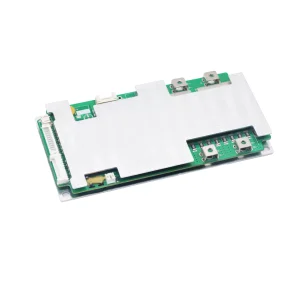
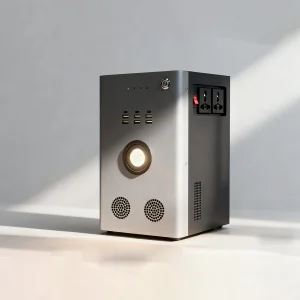
 Litongwei Electronic