Explore our high-performance power protection and charging systems engineered for maximum stability, safety, and efficiency.
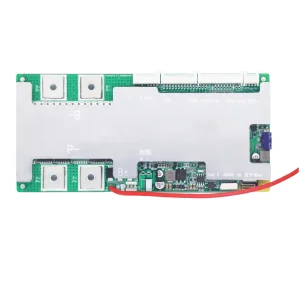
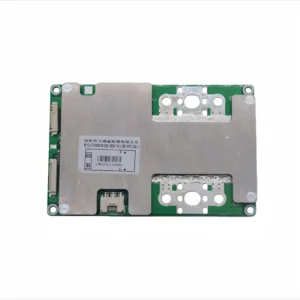
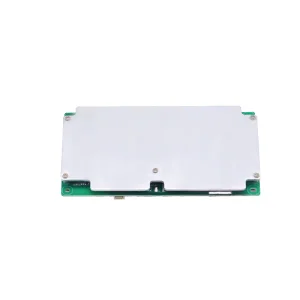

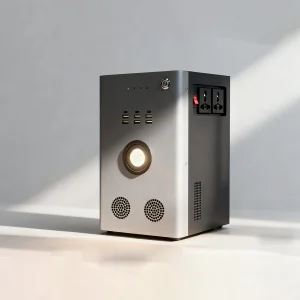
Shenzhen Litongwei Electronic Technology Co., Ltd. (established in 2005) is a renowned national high-tech enterprise dedicated to the research, development, and manufacturing of state-of-the-art lithium-ion safety control systems and smart charging management hardware. Our specialized components power everything from high-drain industrial machinery to consumer-focused micro-mobility solutions.
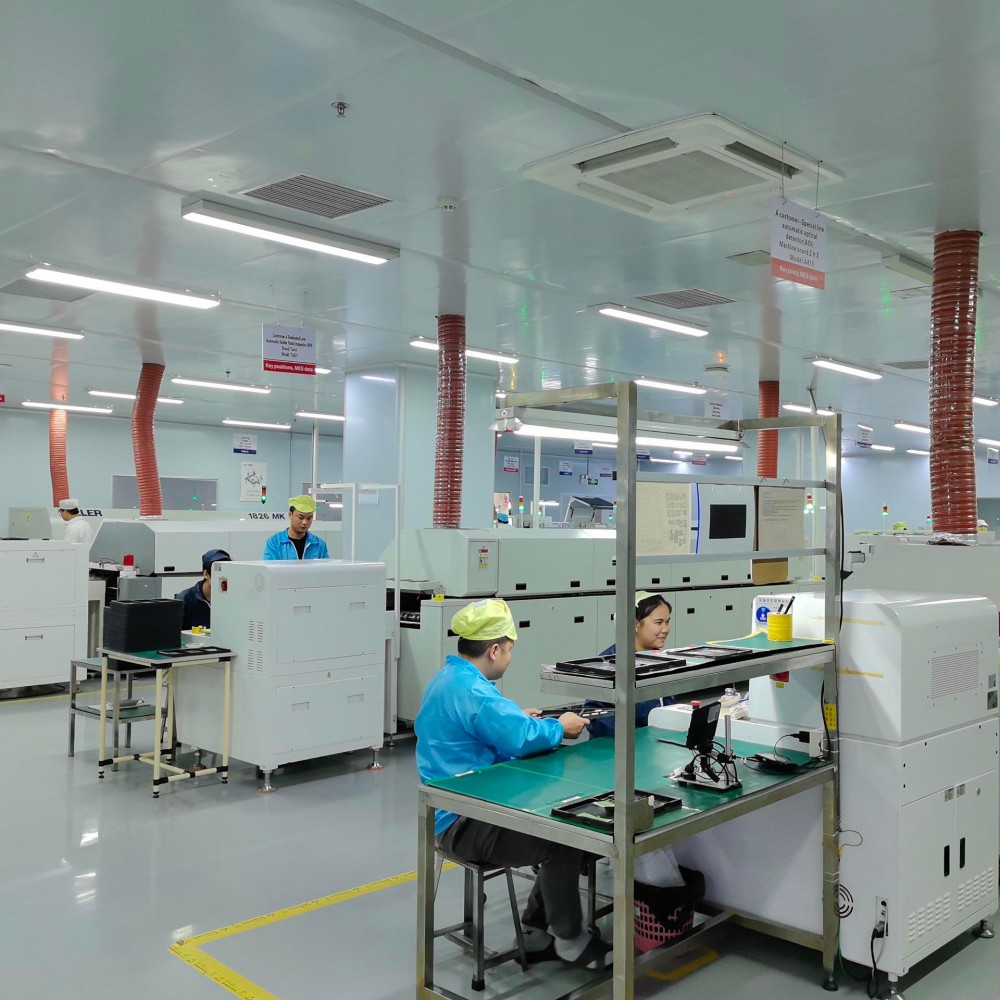
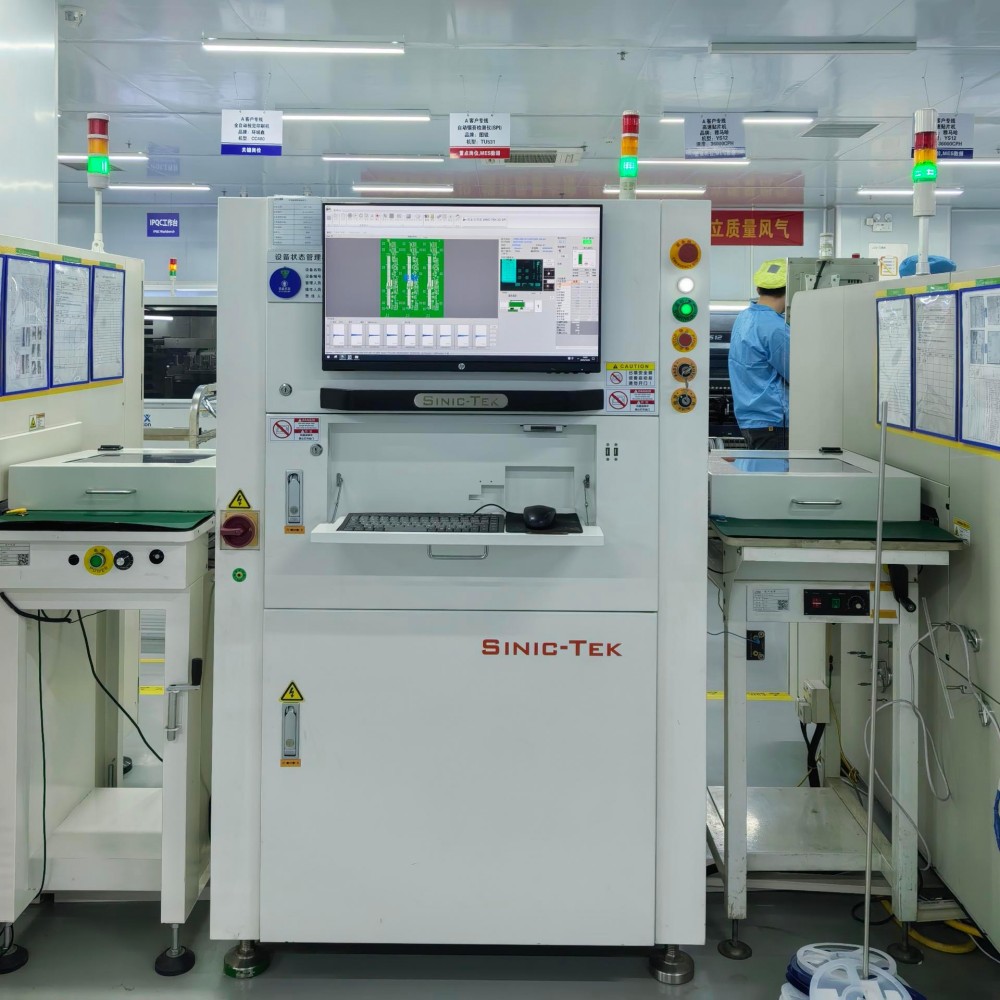
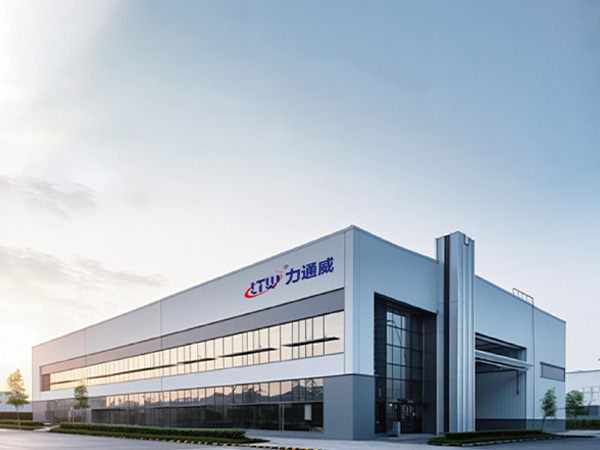
With a comprehensive footprint spanning 13,000 square meters of advanced manufacturing space in Shenzhen and a massive 27,000 square meters facility in Dongguan Huangjiang, we operate 24 high-speed SMT pick-and-place lines and 12 fully automated PCBA assembly paths. This extensive infrastructure enables a robust monthly production capacity exceeding 15 million high-reliability units.
By leveraging cloud platform architectures for remote predictive maintenance, full-process MES product traceability, and custom intellectual property protections, we address key functional vulnerabilities, cost structures, and deployment barriers for global OEMs.

A look at the metrics that define our market authority and operational excellence.
Analyzing current global standards, technological bottlenecks, and architectural paradigms in advanced battery management.
Lithium polymer (LiPo) cells require extremely precise charge-discharge curves. High-quality OEM LiPo battery chargers must implement multi-stage constant current (CC), constant voltage (CV), and float charging profiles. By integrating intelligent BMS architectures, our charging circuits monitor individual cell status in real-time, preventing voltage imbalances, cell swelling, and premature capacity decay.
Modern battery platforms demand continuous status logging. Through communication protocols such as CANbus, SMBus, and Bluetooth Smart BMS interfaces, we supply operators with end-to-end performance parameters (e.g., individual cell internal resistance, temperature gradients, and cycles). This allows for proactive maintenance and reduces on-site hardware failures.
Using premium NTC thermistors and advanced heat-spreading PCBA layouts, our chargers and protection boards prevent hot-spots during high-amp operations. The safety control systems monitor thermal anomalies dynamically, triggering over-temperature protection thresholds before thermal runaway can initiate.
Understanding supply chain constraints, engineering priorities, and regional differences.
The global energy storage industry faces volatile supply networks. As an established OEM factory, we safeguard client operations by maintaining strategic reserves of vital microcontrollers, high-power MOSFETs, and analog front-ends. This mitigates delays and guarantees stable pricing profiles even under harsh market conditions.
Manual board assembly is incapable of achieving the PPM (parts per million) failure rates required by international automotive and power grid standards. Our production sites use advanced MES automation software, offering complete, end-to-end part traceability. From SMT pick-and-place coordinates to final functional validation tests (ATE), every single circuit card assembly (PCBA) is assigned a tracked digital footprint.
Chargers operate in varying grid architectures globally. Designing universally compatible charger power stages requires strict adherence to international electrical requirements, including wide voltage input tolerance (85V-265V AC), power factor correction (PFC) stages, and electromagnetic compatibility (EMC) shielding. Our R&D center verifies that each design meets appropriate guidelines before production.
How we shield our partners from liability through certifications, patents, and engineering compliance.
Our operational structures are verified to meet IATF 16949 (Automotive Quality Management), ISO 9001, and ISO 14001 environmental criteria. Additionally, our assemblies are designed to pass rigorous global regulatory benchmarks like CE, FCC, UL, and RoHS.
We work closely with clients to prevent patent infringements and copyright issues. With over 100 patents in circuit programs, test scripts, and automated jigs, our OEM agreements include clear IP protections to keep your proprietary designs secure.
By implementing IoT nodes within our industrial-grade charger assemblies, operators can check hardware lifespans, modify firmware over the air (OTA), and log runtime metrics, preventing sudden outages on the factory floor.
Developing the next generation of solid-state charging platforms and active cell-balancing architectures.
We are shifting our compact charging modules to GaN-based power architectures. GaN transistors offer much lower switching losses, facilitating higher power density, lower operating temperatures, and smaller enclosure sizes for chargers above 100W.
By using embedded AI models directly on the BMS micro-controller, future systems will monitor degradation patterns and forecast the remaining useful life (RUL) of LiPo packs. This shifts safety measures from reactive cut-offs to active, predictive prevention.
With the expansion of Vehicle-to-Grid (V2G) and micro-storage networks, our bidirectional inverters are designed to feed energy back to local grids. This turns simple storage modules into responsive power-grid assets.
Two decades of engineering growth, product innovation, and expanding global capacity.
Technology-driven growth. Commenced R&D and manufacturing of digital Battery Management Systems (BMS). Expanded into power battery management system development in 2006. Secured ISO9001 certification in 2007.
Obtained ISO14001 certification in 2009. Secured 8 utility model and design patents in 2011 while expanding mobile power operations. Established the Litongwei Technology Research Institute in 2012.
Received the Del New Energy Quality Excellence Award in 2014. Earned Gold Partner recognition from Gaogong Lithium Battery in 2015. Upgraded ISO9001 and ISO14001 certifications in 2016.
Achieved IATF16949 certification in 2018. Implemented automated MES system platforms for warehouse and line automation. Recognized as a leading brand in light vehicle protection boards in 2020.
Transitioning into Smart Manufacturing+. Embracing Industry 4.0 IoT frameworks, cloud logging, and bidirectional green energy systems for global OEM accounts.
We maintain long-term production partnerships with global technology leaders.







Clear, authoritative information regarding custom charger integration, BMS design, and logistics.
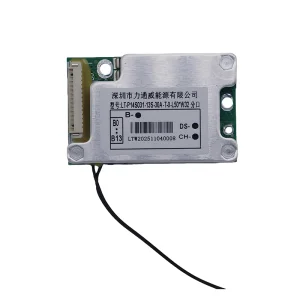
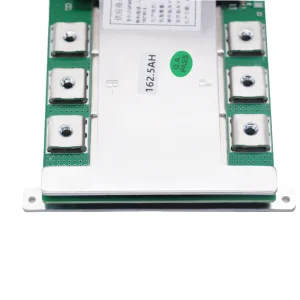
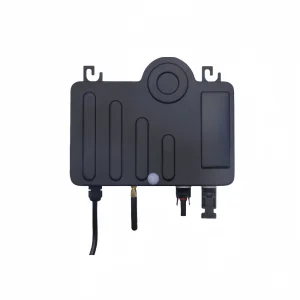
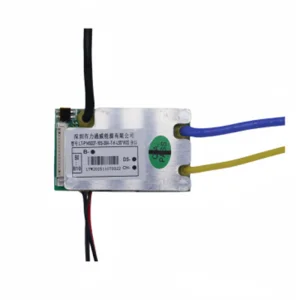
Engineered to support broad temperature ranges, high current outputs, and long operational life cycles.
 Litongwei Electronic