Precision engineered safety control platforms tailored for electric mobility, communication backups, and portable energy storage systems.
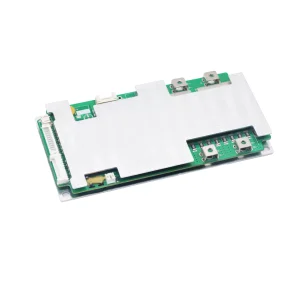
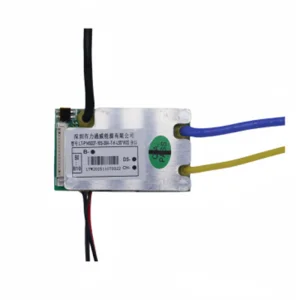
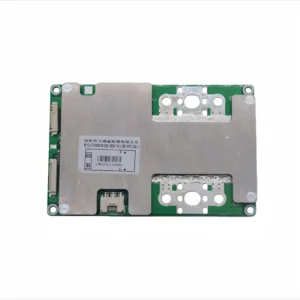
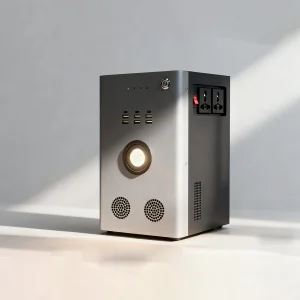
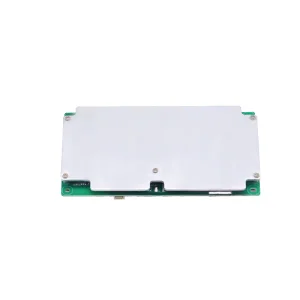
As the world transitions to a decarbonized economy, electrochemical energy storage has emerged as a cornerstone of modern industrial and consumer technology. However, the integrity of lithium-ion systems hinges on a fundamental component: the Battery Management System (BMS). As an industry-leading OEM Battery Management Manufacturer & Company, Shenzhen Litongwei Electronic Technology Co., Ltd. is at the forefront of this evolution, engineering intelligent safety control systems that mitigate risks associated with thermal runaway, maximize cycle life, and guarantee system-wide efficiency.
Contemporary battery management extends far beyond basic voltage cut-offs. Advanced systems now leverage IoT cloud telemetry, microprocessors running dynamic State of Charge (SOC) and State of Health (SOH) algorithms, active cell-balancing topologies, and localized micro-heating structures to sustain performance under severe environmental constraints.
Navigating macro market shifts, supply chain resilience, and global decarbonization demands.
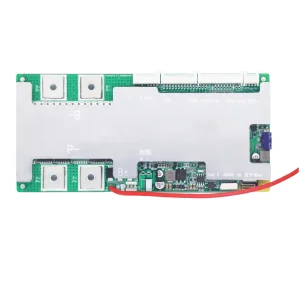
The global demand for micro-mobility (e-scooters, e-bikes) and electric utility carts has surged. Intelligent protection boards with NTC sensors and high discharge limits are essential to support rapid transient currents during acceleration and regenerative braking phases.
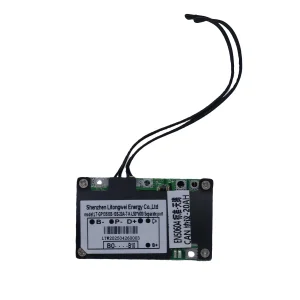
5G infrastructure and remote cellular base stations demand exceptionally reliable BMS hardware with integrated communication channels (CAN/RS485) to operate autonomously in harsh environments for up to 15 years without human intervention.
Safety and environmental frameworks (such as CE, UL991, and IATF 16949) mandate rigorous risk assessment models in BMS design, requiring dual-loop hardware redundancy and real-time failure diagnostics to prevent over-current and over-temperature issues.
Established in 2005, Shenzhen Litongwei Electronic Technology Co., Ltd. is a national high-tech enterprise specializing in the R&D and manufacturing of lithium-ion safety control systems. Over the last two decades, our products have become widely used in 3C digital devices, electric scooters, bicycles, motorcycles, tricycles, golf carts, AGVs, drones, and power tools.
We provide comprehensive client-centric services, including:
"LITONGWEI has always adhered to the philosophy of 'Technology as King, Efficient Service' in all aspects of production and operations. Our vision is to become a provider of intelligent green energy management solutions, embracing environmental sustainability. Start with LITONGWEI!"
Combining unmatched production capacity, sustained R&D investments, and cutting-edge patent portfolios.
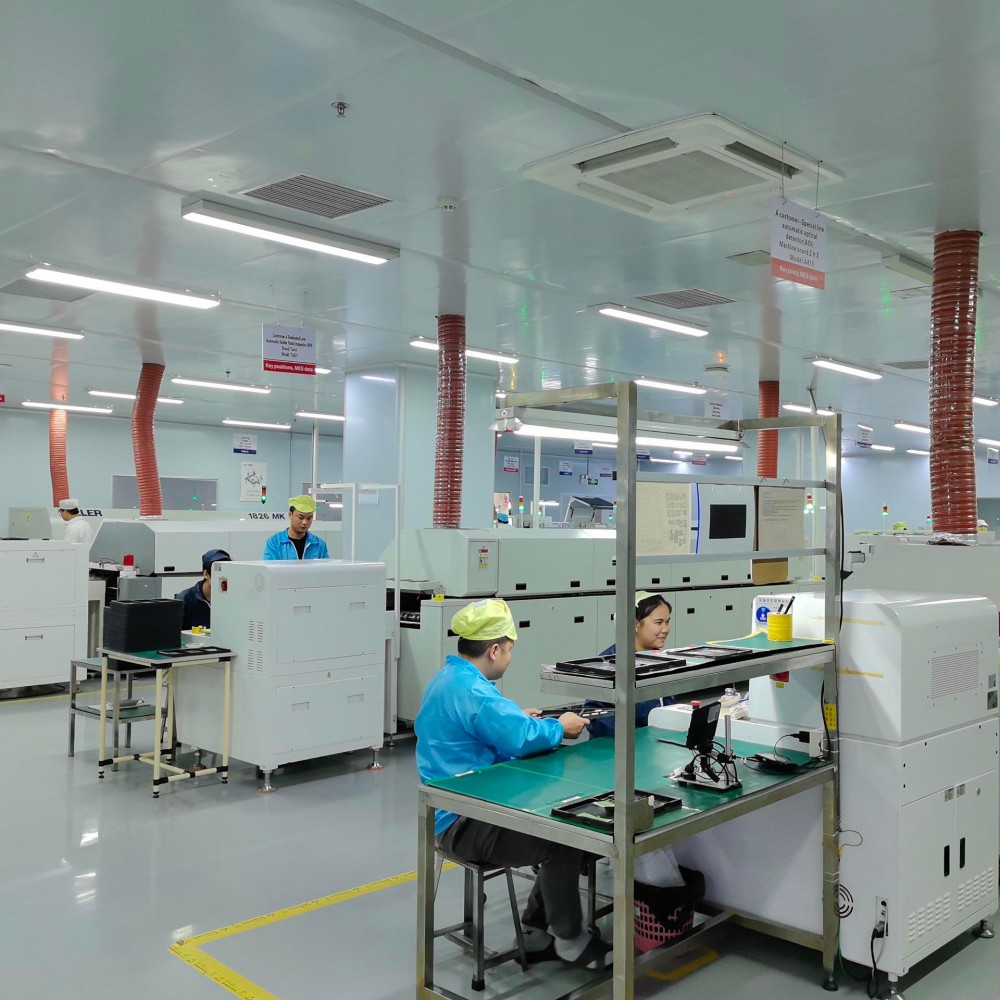
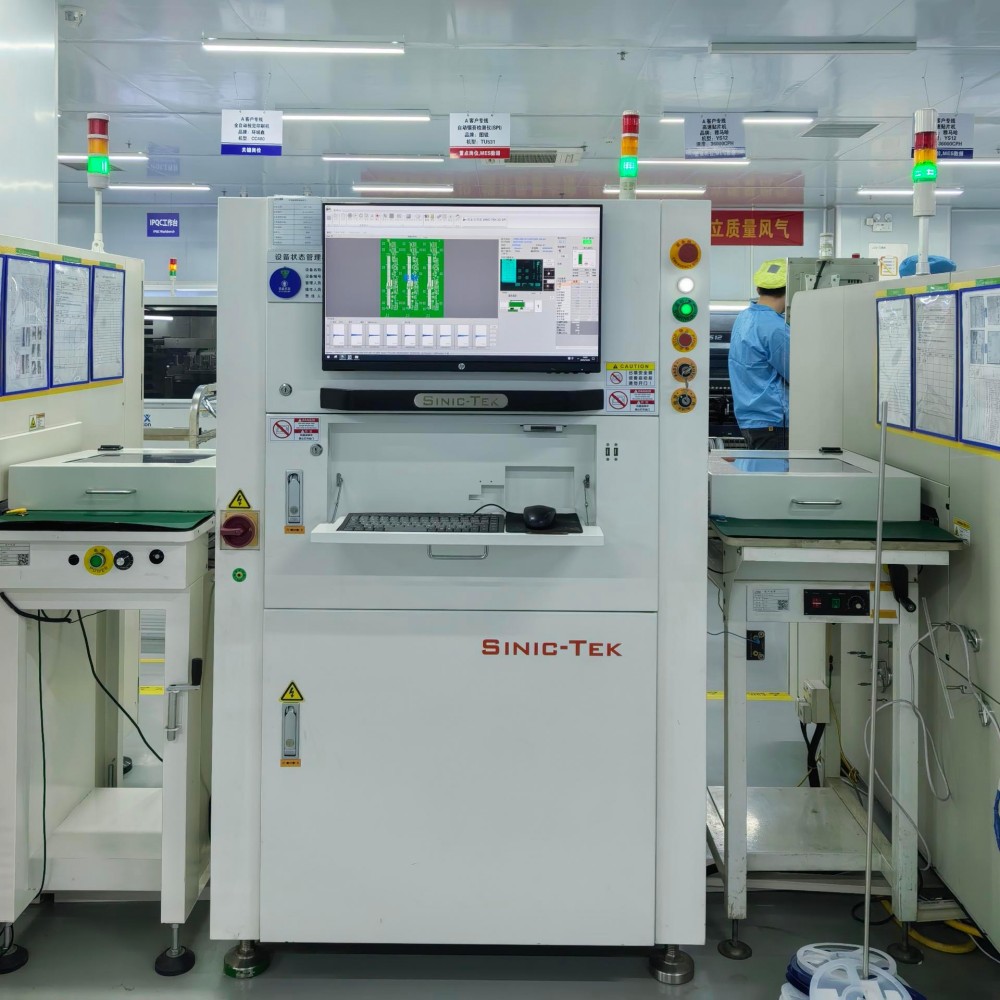
Shenzhen hosts over 13,000 square meters of independent factory space, supplemented by Dongguan Huangjiang's 27,000-square-meter facility. Equipped with 24 high-speed pick-and-place assembly machines and 12 PCBA production lines, we ensure high quality at scale.
Litongwei's commitment to technological leadership is reflected in our financials, with R&D investment consistently accounting for over 10% of total sales for five consecutive years. This fund supports our advanced design laboratories.
We hold over 100 patents in the lithium-ion battery protection board sector, alongside multiple utility models covering circuit programs, software algorithms, and automated testing equipment, providing robust IP protection for global clients.
Over 18 years of pioneering battery safety technologies and global market leadership.
In 2005, the company commenced R&D and manufacturing of digital Battery Management Systems (BMS). By 2006, operations expanded into power battery management systems. ISO9001 certification was obtained in 2007, followed by ISO14001 certification in 2009.
The company secured 8 utility model and design patents in 2011, while expanding into mobile power bank manufacturing. The Litongwei Technology Research Institute was established in 2012. It received the Del New Energy Quality Excellence Award in 2014 and earned the Gold Partner title from Gaogong Lithium Battery in 2015.
Upgraded ISO 9001 and ISO14001 certifications in 2016, achieved IATF16949 certification in 2018, and implemented an MES system for warehouse automation. It was awarded the Guangdong Battery Industry Association Innovation Award in 2019 and recognized as a leading brand in lithium battery protection board technology for two-wheeled vehicles in 2020.
Litongwei Electronics continues to innovate, deepening its technological expertise while embracing IoT and Industry 4.0. Through its Smart Manufacturing+ strategy, the company drives industrial transformation and upgrading.
An analytical overview of industry trends, technological evolutions, and smart battery protection.
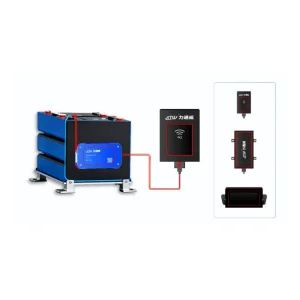
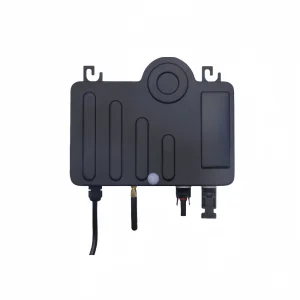
Traditional wired BMS designs face challenges from harness weight and failure points at critical terminals. Next-generation systems feature wireless interfaces alongside classic CAN/RS485 and Bluetooth protocols. By utilizing IoT communication protocols, modules are monitored via cloud platforms, enabling remote updates and predictive degradation modeling.
This technology reduces assembly costs for high-voltage systems (like 20S to 23S boards) while improving mechanical integrity and environmental protection in automotive and light electric vehicles.
Passive cell balancing bleeds off energy through resistors to match state of charge, generating heat that requires thermal management. Active balancing, however, redistributes charge between cells with up to 95% efficiency, reducing energy loss.
Litongwei's smart BMS implements precise dynamic passive balancing paired with advanced algorithms, providing a cost-effective, high-reliability solution that extends overall pack longevity by up to 20%.
Lithium-ion chemistries suffer severe degradation when charged below 0°C due to lithium plating. To solve this local operational barrier, Litongwei has designed its Intelligent Heating BMS (e.g., LTW 20S 120A). When chargers are connected under freezing conditions, the BMS routes power to integrated heating films to raise cell temperatures to safe operating thresholds before allowing current to pass. This design ensures reliable performance in cold climates, supporting outdoor energy systems and AGVs in refrigerated facilities.
Optimized BMS configurations engineered for diverse global industrial domains.
Solutions optimized for space-constrained enclosures. Features high vibration resistance, compact thermal footprints, real-time Bluetooth telemetry, and reliable short-circuit protection for daily urban commuter usage.
Tailored for fast-charging operations. Features high continuous current limits, isolated CAN communication protocols for robust industrial PLC integration, and advanced SOC calibration to maximize uptime.
Engineered for portable power stations. Integrates protection circuits with bidirectional inverter controllers to support off-grid solar charging, emergency backup, and multi-voltage output ports.
Trusted by global technology brands and industrial leaders for long-term collaboration.
Litongwei's partners include Huawei, Lenovo, Desay, Guoguang, Sunwoda, Eve Energy, Guoxuan High-tech, and other industry brand clients who have collaborated for many years.













Get professional, engineering-focused answers regarding battery management customization, integration, and safety profiles.
A BMS monitors safety parameters such as cell voltage, total current, and temperature, calculating real-time State of Charge (SOC) and State of Health (SOH). It actively prevents operations outside the battery's Safe Operating Area (SOA), protecting against over-current, over-charge, over-discharge, and thermal runaway.
These features enable wireless calibration and telemetry, allowing operators to monitor pack status in real-time, modify protection limits, and log faults. In multi-pack systems, CAN-bus communication links the master and slave boards, facilitating coordinated power distribution and diagnostics.
When a charge current is detected under sub-zero temperatures, the BMS routes power to integrated heating films instead of the cells. Once the internal temperature reaches a safe target (e.g., 5°C), the heating loop closes and the charging path opens, protecting the battery from lithium plating.
OEM design tailors form factor, layout, components, and threshold values to your specific battery chemistry and casing constraints. It also includes proprietary circuit protections, custom communications, and optimized SMT configurations for your target environment.
We collaborate on patents to protect custom circuit designs, firmware, and testing algorithms from infringement. This gives our clients exclusive market rights and safeguards their design investments.
Our manufacturing and design facilities follow strict global standards, including ISO 9001, ISO 14001, and IATF 16949. This ensures our products meet high-reliability requirements in automotive and industrial markets.
Advanced configurations designed to optimize efficiency and safety in harsh industrial applications.
 Litongwei Electronic