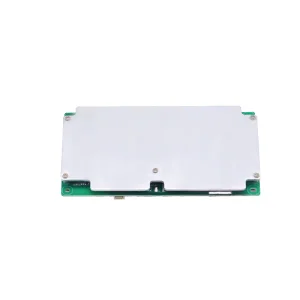
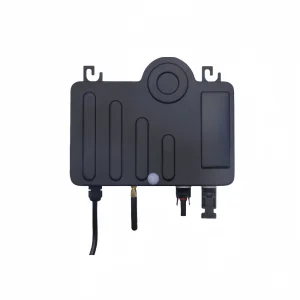
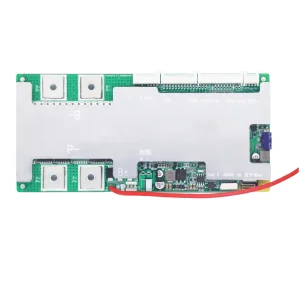
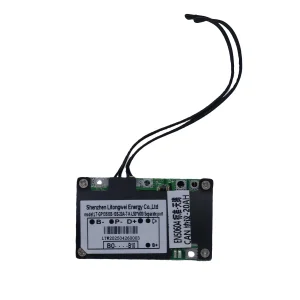
Discover our industrial grade micro-inverters, multi-series battery protection boards, and smart BMS hardware configurations engineered for global markets.
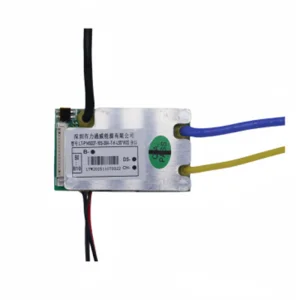
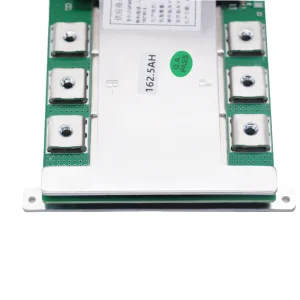
As the global transition toward high-density, green energy systems accelerates, the 16S 60V Battery Management System (BMS) has emerged as a cornerstone technical architecture. It serves as the bridge between medium-duty power demands and safe lithium-ion discharge profiles. Operating nominally at 48V to 51.2V for Lithium Iron Phosphate (LiFePO4) topologies, and scaling up to 60V–67.2V peak voltages for ternary NCM cells, the 16S configuration strikes the ideal balance between power transmission efficiency and system safety.
In the material handling, Light Electric Vehicle (LEV), and industrial tooling sectors, maintaining voltage integrity while minimizing current draw is essential. Implementing a 16S 60V system permits smaller wire harnesses, reduces copper losses, and limits thermal degradation across power electronics. Litongwei's proprietary hardware mitigates micro-short risks, balances cell voltages dynamically, and coordinates continuous data streaming to vehicle or device controllers. This architecture is vital for minimizing total cost of ownership (TCO) and mitigating battery failures.
How Tier-1 engineering firms evaluate OEM BMS factories based on supply chain transparency, quality testing, and reliability metrics.
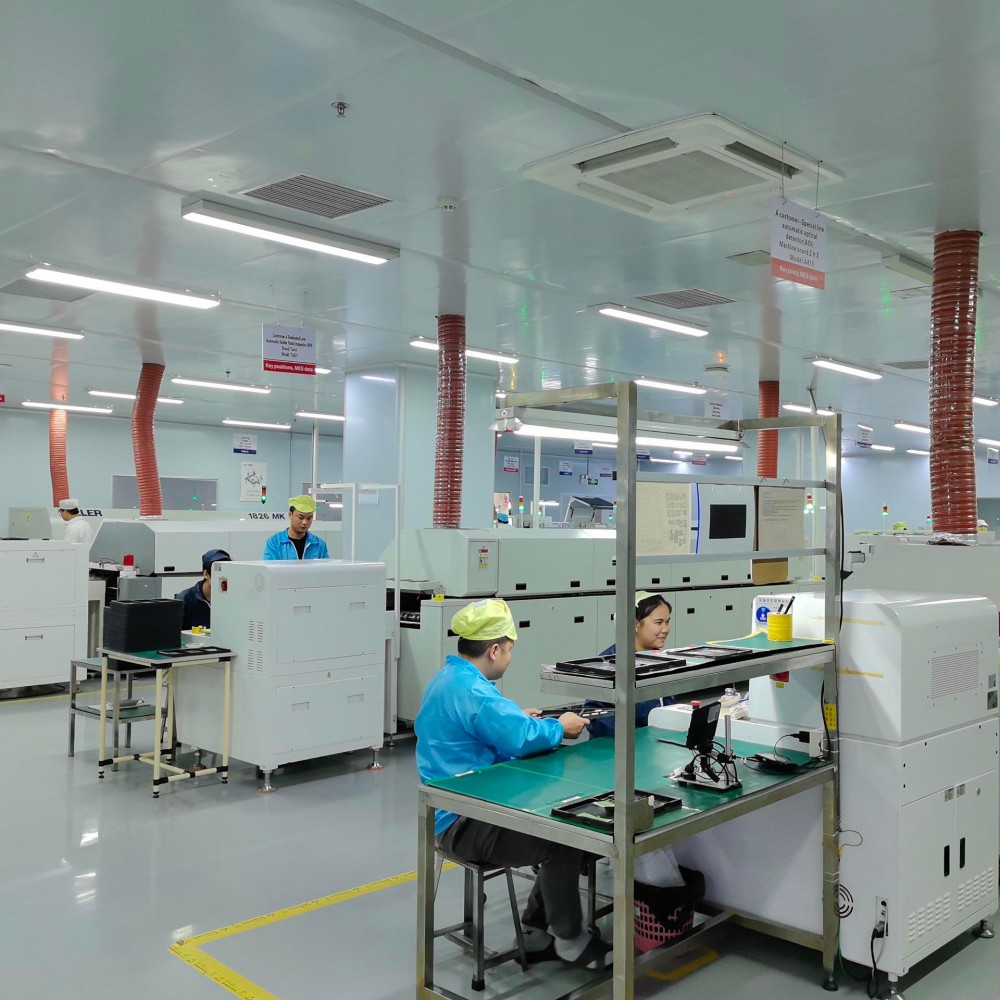
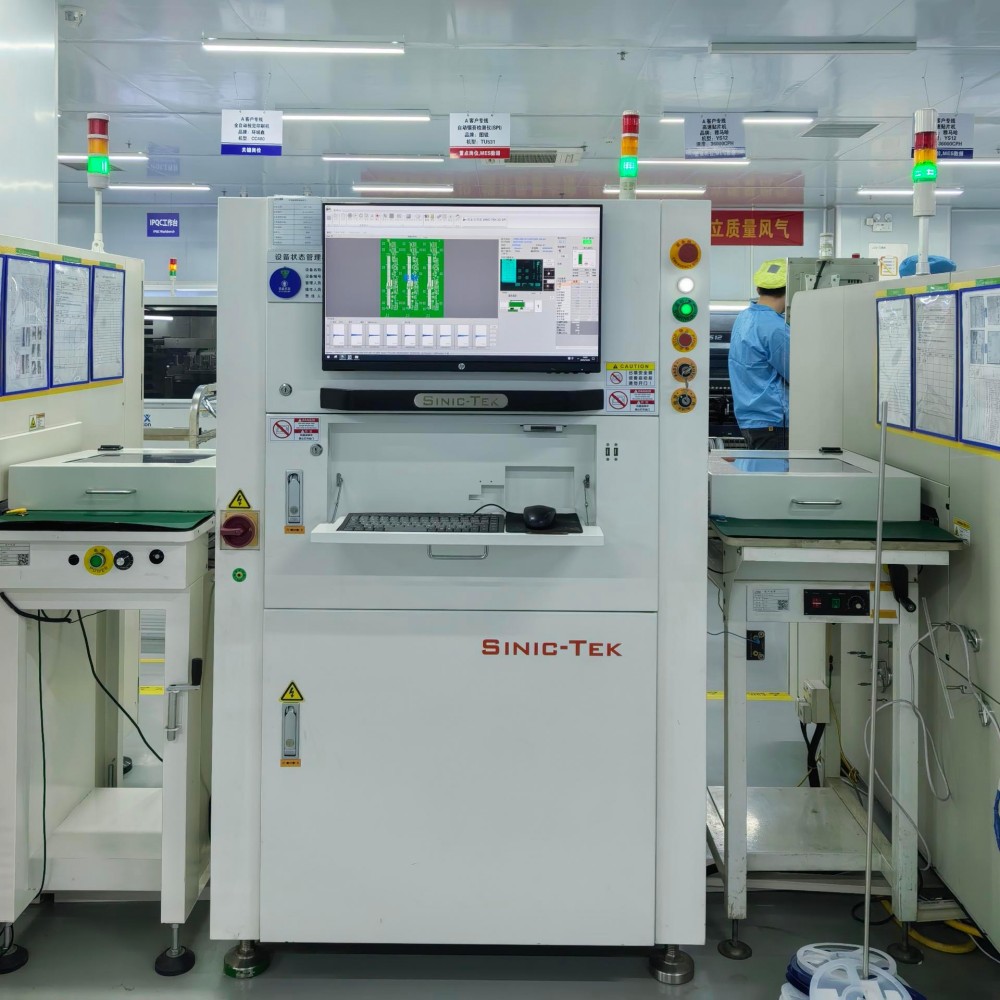
Implementing advanced Manufacturing Execution Systems (MES) to map every component back to its raw material source. Real-time logging of component installation, automated optical inspection (AOI), and precise cell matching curves ensure consistent quality and absolute system accountability.
We proactively partner with our customers on intellectual property and collaborative patent designs. This proactive approach prevents infringement risks, securing your custom designs and proprietary firmware algorithms in competitive international markets.
Our use of shared industry-standard boards significantly reduces design timelines and component costs. This optimization allows companies to deploy highly reliable systems to the market quickly, bypassing extensive prototype cycles without compromising performance.
Established in 2005, Shenzhen Litongwei Electronic Technology Co., Ltd. is a national high-tech enterprise dedicated to the R&D and precision manufacturing of lithium-ion safety control systems. Over the past two decades, we have engineered battery protection architectures that power everything from light mobility systems to complex industrial installations.
Our comprehensive portfolio is widely deployed in 3C digital devices, electric scooters, bicycles, motorcycles, tricycles, golf carts, automated guided vehicles (AGVs), drones, and industrial power tools. Through our four core pillars—patent collaboration to prevent infringement, shared-board standardization for cost efficiency, full MES process traceability, and cloud-connected remote maintenance—we address technical, financial, and operational challenges for battery pack integrators worldwide.

Over two decades of engineering development and manufacturing milestones in battery management systems.
Initiated R&D and manufacturing of digital Battery Management Systems (BMS) in 2005. Quickly expanded into high-power battery systems in 2006. Secured ISO9001 and ISO14001 certifications in 2007 and 2009 respectively, establishing our baseline for industrial-grade quality control.
Secured 8 key utility model and design patents in 2011 while expanding mobile power bank manufacturing. Established the specialized Litongwei Technology Research Institute in 2012. Recognized with the Del New Energy Quality Excellence Award (2014) and named Gold Partner of Gaogong Lithium Battery (2015).
Upgraded our quality management systems in 2016 and secured the strict IATF16949 certification in 2018. Developed automated warehousing systems with real-time MES traceability. Awarded the Guangdong Battery Industry Association Innovation Award in 2019, followed by leadership awards in two-wheeled vehicle BMS tech in 2020.
Deepened integration of IoT, edge computing, and cloud systems to support Smart Manufacturing+. Currently accelerating two-way data streaming, cell performance analytics, and preventive battery diagnostic platforms for global partners.
Engineered configurations designed to address safety, thermal management, and data monitoring across diverse operating environments.
Our 16S BMS configurations are optimized for light electric vehicles, utilizing precision cell balancing to optimize range, prevent thermal runaway, and communicate battery state data directly to the vehicle dashboard via UART or CAN bus.
Engineered for high current demands and continuous duty cycles, providing dual overcurrent protection, low standby current draw, and rapid heat dissipation designs to support autonomous operations.
Ultra-light layouts combined with fast-response short circuit protection. Ensures voltage stability and prevents pack damage in challenging environments through ruggedized vibration-resistant physical assemblies.
"Technology as King, Efficient Service"
At Litongwei, our goal is to deliver smart, sustainable energy management solutions that enable the transition to carbon-neutral micro-mobility and grid installations worldwide. Through continuous innovation, automated manufacturing, and engineering excellence, we help our partners secure clean energy performance.
High-speed production capacity, engineering investment, and quality assurance workflows.
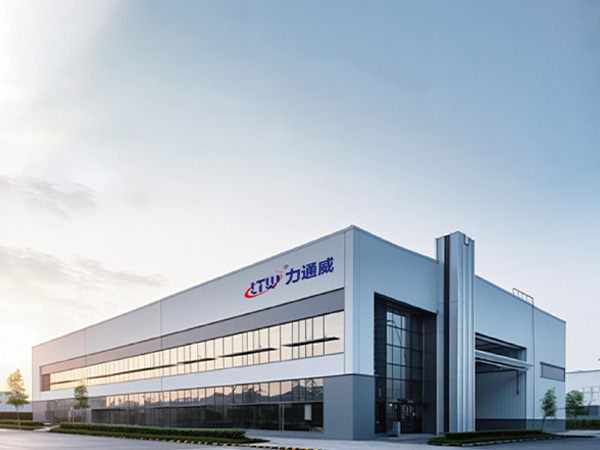
Our manufacturing infrastructure spans a 13,000 square meter facility in Shenzhen and a 27,000 square meter plant in Dongguan Huangjiang. These sites houses 24 high-speed SMT assembly systems and 12 PCBA production lines, enabling a monthly output capacity of over 15 million protection units.
We consistently allocate more than 10% of our annual sales revenue to R&D programs. This sustained investment funds our engineering labs, supports hardware prototyping, and drives development of advanced firmware logic.
With over 100 patents in safety controls, testing setups, and circuit layouts, we offer customers robust IP protection. We work directly with client legal and engineering teams to minimize infringement risks during global deployments.
A preview of key safety management trends, cloud diagnostics, and hardware integration.
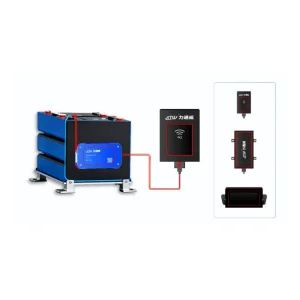
Future smart battery packs will require continuous real-time diagnostic reporting. Our engineering roadmap includes 4G LTE-M, 5G, and high-precision GPS modules embedded directly on the BMS board. This configuration allows micro-mobility fleet operator dashboards to monitor charge levels (SOC), pack health (SOH), location, and temperature without relying on secondary telemetry hardware.
We are transitioning from traditional passive resistor heat dissipation to highly efficient active charge balancing schemes. These circuits redirect energy from high-charge cells to weaker ones, increasing pack efficiency. Additionally, we are developing micro-chip edge learning capabilities to detect internal short circuits before thermal anomalies occur.
We maintain long-term partnerships with leading companies to deliver reliable energy solutions.













Expert technical insights regarding 16S 60V BMS integrations, functional safety, and custom programming.
Explore our full line of intelligent hardware components and system integrations.
 Litongwei Electronic