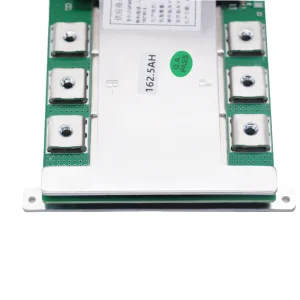
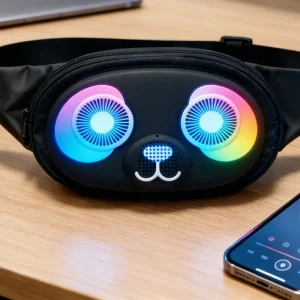
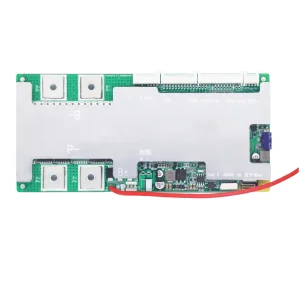
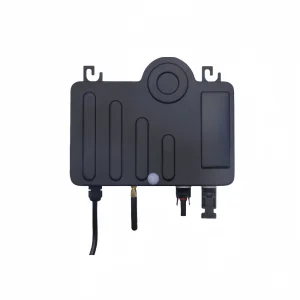
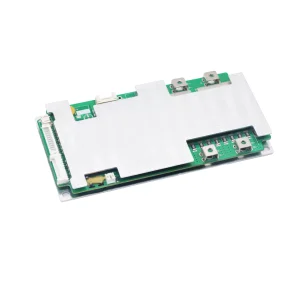
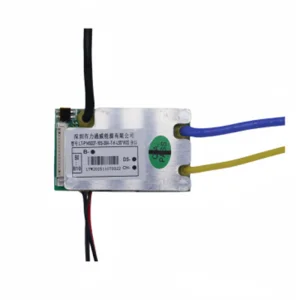
Explore our premium product portfolio containing high-precision protection boards, outdoor digital accessories, and micro-inverter tech.
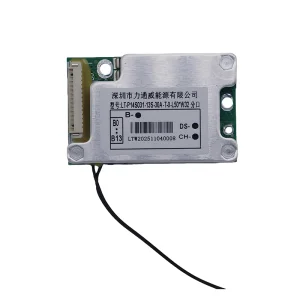
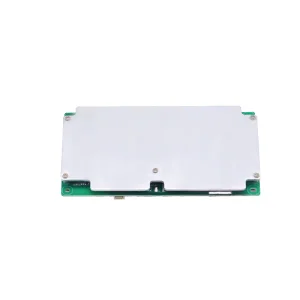
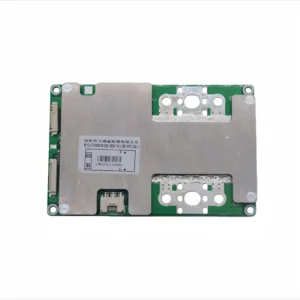
A 3S 12V Battery Management System (BMS) serves as the fundamental safety and operational core for multi-cell lithium-ion batteries. Comprising three series-connected lithium cells (nominal 3.6V/3.7V per cell, totaling 10.8V to 11.1V, or 3.2V for LiFePO4 cells yielding 9.6V), the 12V architecture represents one of the most ubiquitous electrical standardizations globally. From automotive electronics and backup uninterruptible power supplies (UPS) to medical equipment and power tools, maintaining system equilibrium is vital.
The core functions of a 3S BMS can be categorized into three pillars:
| Parameter / Feature | Li-ion Chemistry (3S 11.1V/12.6V) | LiFePO4 Chemistry (3S 9.6V/10.95V) | OEM Custom Limits (Typical) |
|---|---|---|---|
| Overcharge Protection Limit | 4.25V ± 0.025V | 3.65V ± 0.025V | Adjustable via I2C/SMBus |
| Overdischarge Protection Limit | 2.70V ± 0.050V | 2.50V ± 0.050V | Programmable dynamic cutoff |
| Nominal Voltage | 11.1V | 9.6V | Tailored for low drop architectures |
| Balancing Current | 30mA - 100mA (Passive) | 30mA - 100mA (Passive) | Up to 2A Active Balancing options |
As international supply chains pivot toward localized compliance and high-density power systems, the global procurement profile for 3S 12V BMS has transformed. Procurement managers no longer focus solely on unit costs. Instead, they look closely at operational security, traceabilities like MES logs, intellectual property security, and regulatory compliances.
In highly regulated markets like Europe and North America, certifications such as UL 2271 (for batteries in light electric vehicles), IEC 62133, and EN 50498 for automotive environments are key barriers to market entry. Our 3S 12V platforms are built with dual-layer safety margins, keeping the primary and secondary defense lines independent so that a single component failure will not compromise safety protocols.
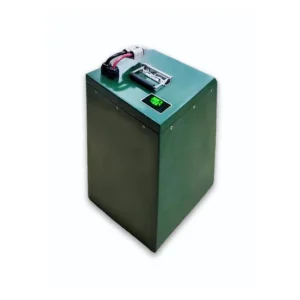
Industrial deployment of 3S 12V battery solutions requires standard configurations that adapt to various application environments. Shenzhen Litongwei Electronic Technology Co., Ltd. has developed specialized designs for different fields:
By integrating Bluetooth Low Energy (BLE 5.0) and CAN/UART serial interfaces, users can monitor their system's State of Charge (SoC) and State of Health (SoH) via mobile applications in real-time. This eliminates the need for expensive dedicated displays while maintaining robust cybersecurity standards to prevent unauthorized firmware access.
Power tools experience high vibrational forces and massive inrush currents when motors stall. Our physical layout isolates fragile sensing traces from the main high-current busbar, using copper plating up to 3oz to manage thermal stress during repeated start-stop cycles.
Outdoor micro-inverter applications and safety enclosures require operational capability across broad temperature ranges. Our high-efficiency BMS features active heating pads controlled by thermal parameters. This warms cells safely prior to charging under sub-zero conditions, preventing lithium plating.
Established in 2005, Shenzhen Litongwei Electronic Technology Co., Ltd. is a national high-tech enterprise specializing in the R&D and manufacturing of lithium-ion safety control systems. Our products are widely used in 3C digital devices, electric scooters, bicycles, motorcycles, tricycles, golf carts, AGVs, drones, and power tools.
We provide intellectual property protection (patent collaboration to prevent infringement), industry-standard shared boards (cost reduction and efficiency improvement), full-process traceability (quality control), and remote maintenance (cloud platform support) to help you address technical, cost, and operational challenges. By choosing us, you'll receive top-tier products and services. Litongwei is committed to collaborating with you to build a brighter future together.
"LITONGWEI has always adhered to the philosophy of 'Technology as King, Efficient Service' in all aspects of production and operations. Our vision is to become a provider of intelligent green energy management solutions, embracing environmental sustainability. Start with LITONGWEI!"
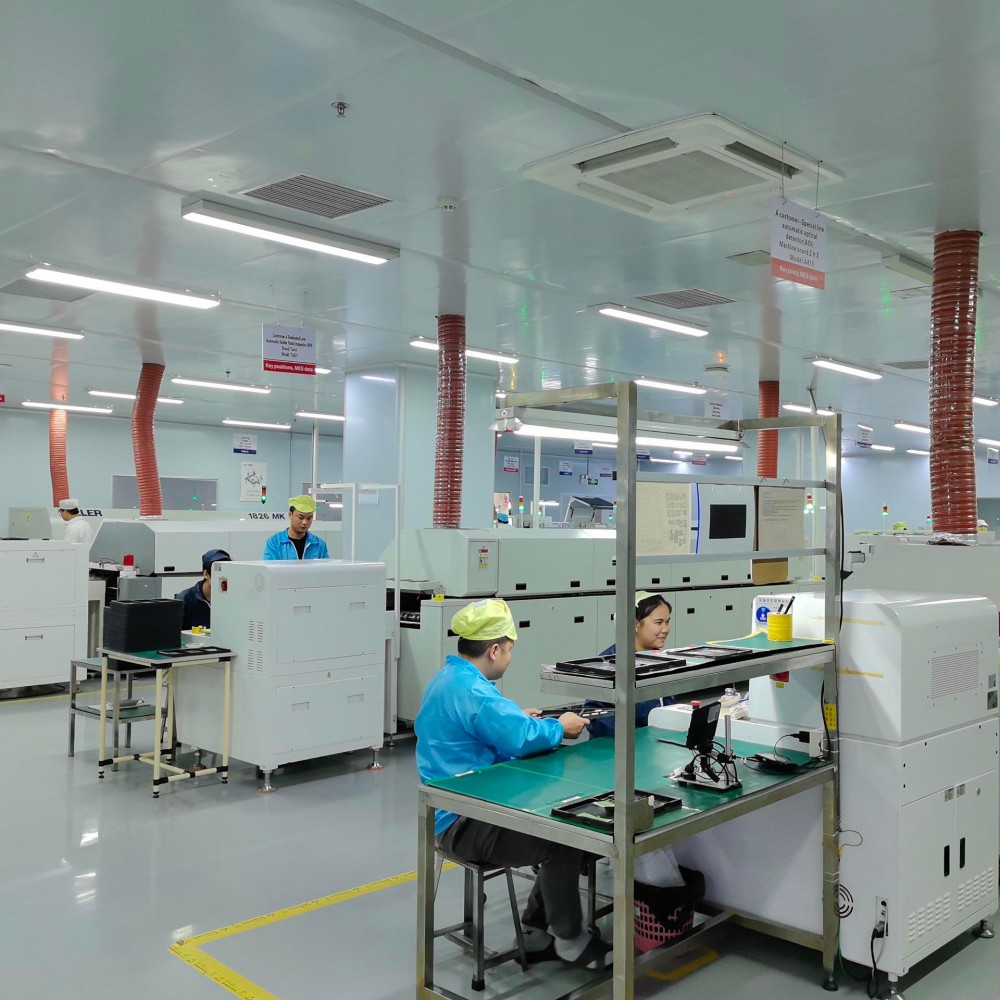
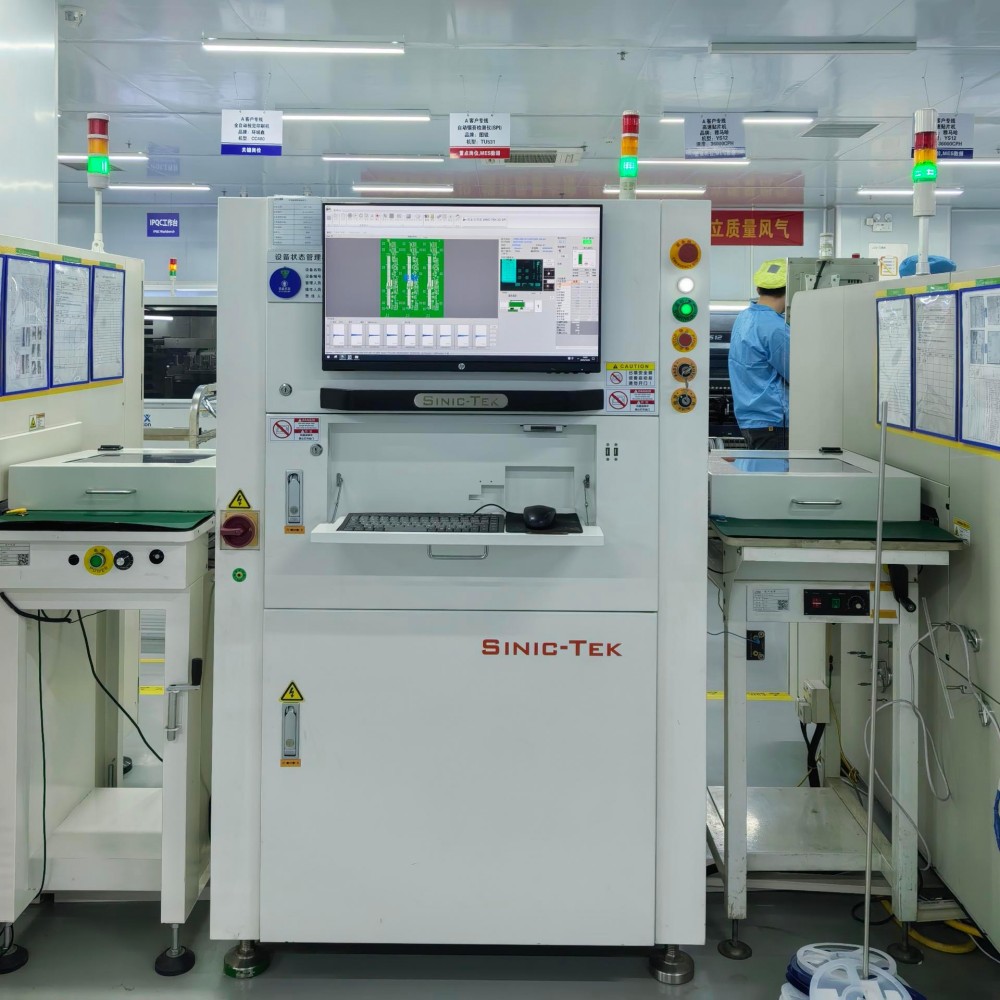

A twenty-year trajectory of technological innovation, industry leadership, and manufacturing scaling in lithium protection design.
In 2005, the company commenced R&D and manufacturing of digital Battery Management Systems (BMS). By 2006, it expanded into power battery management system development. ISO9001 certification was obtained in 2007, followed by ISO14001 certification in 2009.
The company secured 8 utility model and design patents in 2011, while expanding its mobile power bank manufacturing operations. The Litongwei Technology Research Institute was established in 2012. It received the Del New Energy Quality Excellence Award in 2014 and earned the Gold Partner title from Gaogong Lithium Battery in 2015.
The company upgraded its ISO 9001 and ISO14001 certifications in 2016, achieved IATF16949 certification in 2018, and implemented an MES system for warehouse automation. It was awarded the Guangdong Battery Industry Association Innovation Award in 2019 and recognized as a leading brand in lithium battery protection board technology for two-wheeled vehicles in 2020.
Litongwei Electronics continues to innovate, deepening its technological expertise while embracing IoT and Industry 4.0. Through its Smart Manufacturing+ strategy, the company drives industrial transformation and upgrading with advanced remote telemetry and cloud diagnostics.
Providing custom electronic systems through state-of-the-art manufacturing hubs and long-term research backing.
Working alongside some of the world's most trusted manufacturers and technological brands.













In-depth structural and engineering answers regarding layout configurations, procurement parameters, and safety protocols.
Explore more industrial-grade smart protection devices, display systems, and custom accessories below.
 Litongwei Electronic