Explore our leading-edge smart battery management system protection boards, featuring advanced Bluetooth wireless telemetry, high-current handling, and intelligent safety algorithms.
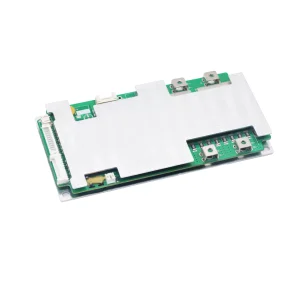
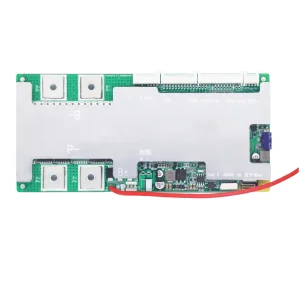
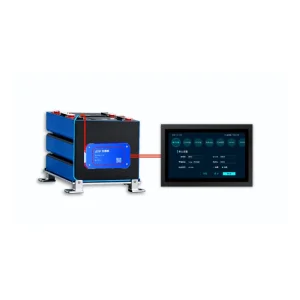
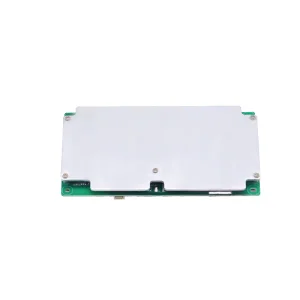
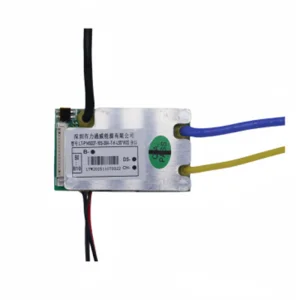
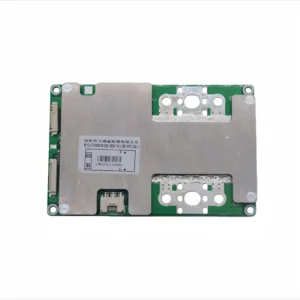
In modern energy storage and dynamic power systems, the Battery Management System (BMS) has progressed far beyond being a basic over-current switch. It is now the central compute module governing the thermal, electric, and physical integrity of the energy pack. As industries integrate IoT paradigms, Bluetooth-enabled BMS boards are spearheading a diagnostic revolution.
Historically, servicing battery arrays in micro-mobility vehicles, power backup enclosures, or off-grid industrial devices required physical access and specialized test equipment. The addition of low-latency, industrial-grade BLE (Bluetooth Low Energy) chips directly on the PCBA allows remote extraction of cell-by-cell voltages, real-time State-of-Health (SoH) diagnostics, and localized parameter adjustments without disassembling the chassis.
For OEMs and system integrators, selecting the right Bluetooth BMS partner involves balancing RF signal propagation inside metallic battery enclosures, transient current safety margins, firmware robustness, and long-term hardware reliability. This guide outlines the key technical requirements and strategic sourcing benchmarks that define world-class OEM/ODM Bluetooth BMS manufacturing.
Established in 2005, Shenzhen Litongwei Electronic Technology Co., Ltd. is a national high-tech enterprise specializing in the R&D and manufacturing of lithium-ion safety control systems. Over the last two decades, our products have served as the core safety engine in 3C digital devices, electric scooters, bicycles, motorcycles, tricycles, golf carts, AGVs, drones, and heavy-duty power tools.
We provide our global clients with comprehensive protections: intellectual property protection (patent collaboration to mitigate infringement risk), industry-standard shared boards (driving down design costs and raising operational efficiency), full-process traceability (powered by an end-to-end MES system), and remote maintenance via dedicated cloud platform support. Litongwei is committed to resolving engineering hurdles and streamlining procurement for high-performance battery packs.
LITONGWEI has always adhered to the philosophy of "Technology as King, Efficient Service" in all aspects of production and operations. Our vision is to become a provider of intelligent green energy management solutions, embracing environmental sustainability. Start with LITONGWEI!
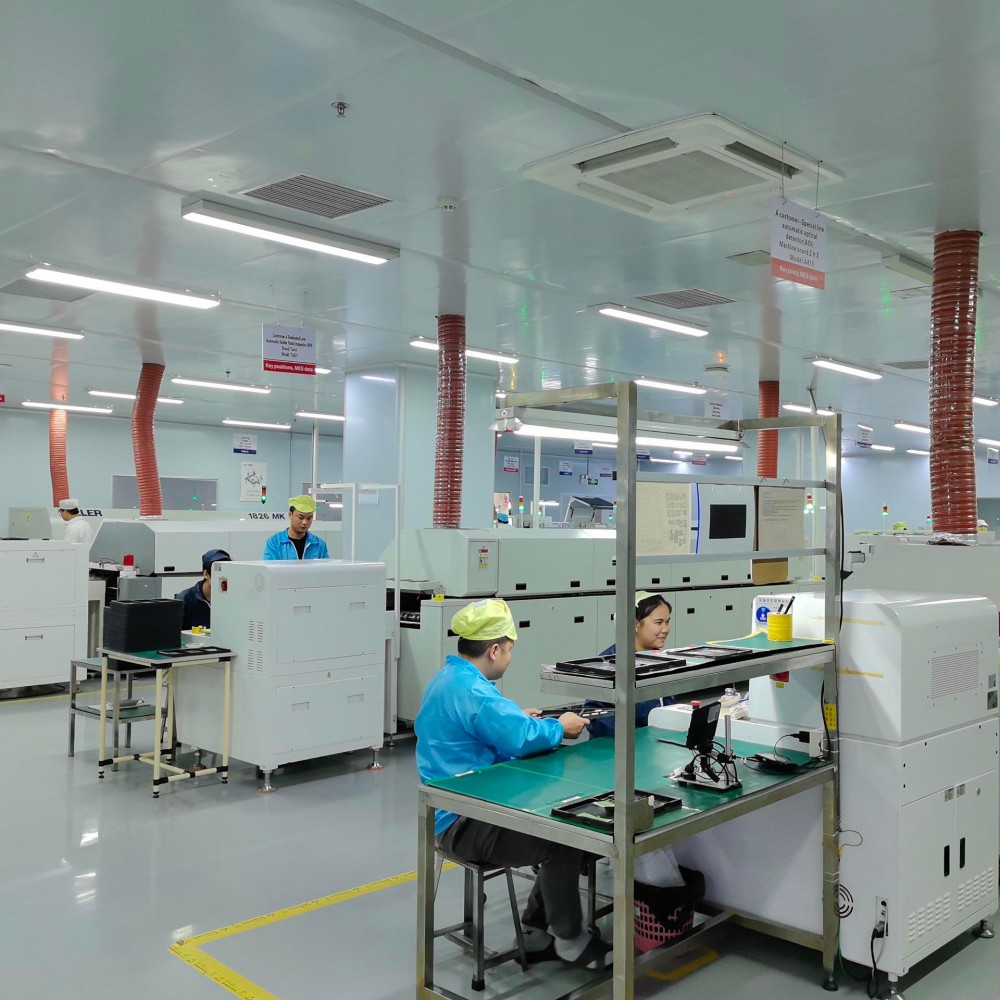
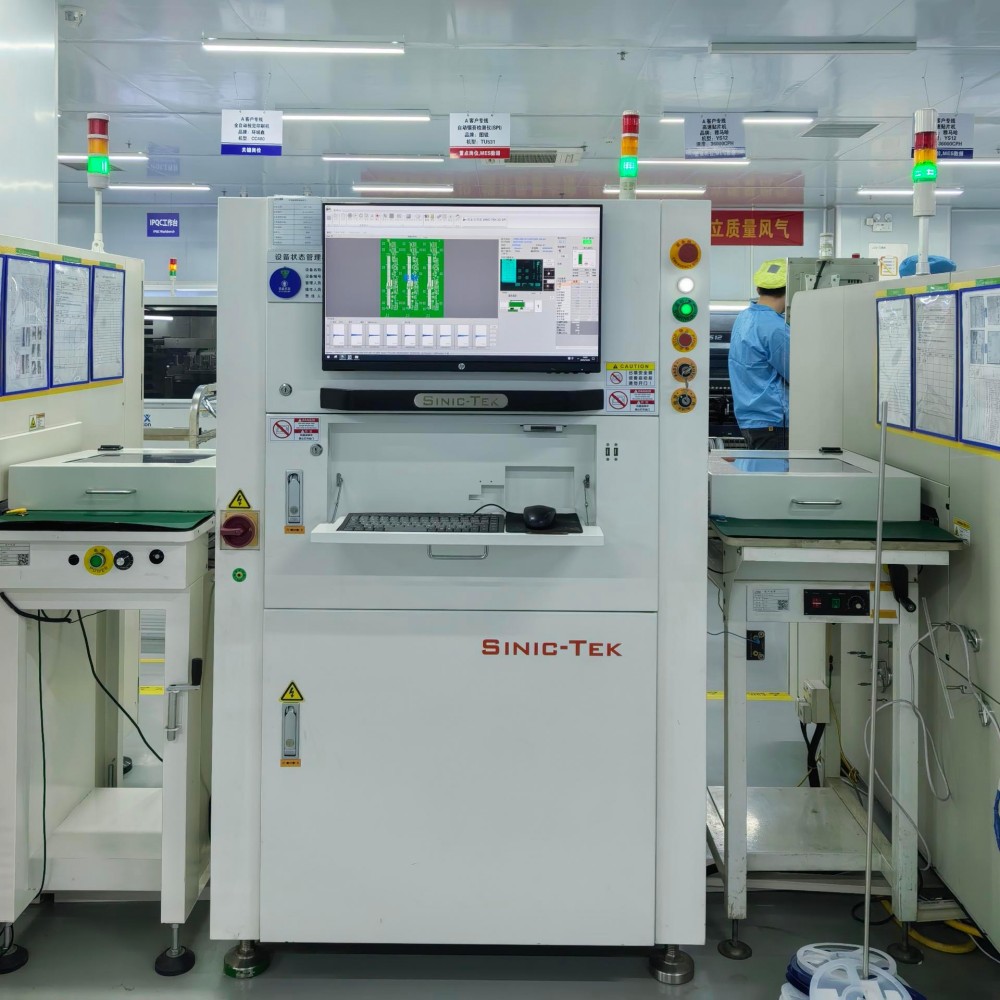

With 13,000 square meters of manufacturing space in Shenzhen and 27,000 square meters in Dongguan Huangjiang, we operate 24 high-speed pick-and-place lines and 12 complete PCBA production units. Our monthly output exceeds 15 million units to satisfy massive global demands.
Litongwei reinvests more than 10% of annual sales back into R&D programs, a commitment sustained over five consecutive years. This investment allows us to continually innovate in circuit layout, high-frequency RF tuning, and embedded software protocols.
We hold over 100 design and utility patents across the battery protection landscape. We collaborate with OEM partners on patent cross-licensing, shielding your customized configurations from copyright or market distribution challenges.
As energy densities surge and pack designs become highly compact, BLE-driven control boards require innovations across hardware layers, RF integration, and cloud-assisted analytics.
Legacy Bluetooth connections were strictly point-to-point, which limited diagnostic speed when handling extensive battery arrays. Modern industrial BMS modules utilize BLE 5.2 protocols to facilitate synchronized data packet broadcasting, lower power consumption, and mesh routing. This enables hundreds of battery packs inside a logistics hub or commercial energy storage installation to transmit statuses in unison.
High-density lithium packs are often encased in steel or aluminum to meet mechanical impact standards. These metal housings act as Faraday cages, severely attenuating wireless signals. Litongwei's R&D team solves this through specialized RF impedance matching, PCB trace antenna geometries, and optional IP67-rated external coax antenna leads to maintain uninterrupted communication.
Standard battery indicators estimate remaining charge via basic voltage measurements, which fail under heavy loads or thermal swings. Our intelligent Bluetooth BMS architectures incorporate advanced Coulomb counting algorithms and dynamic internal resistance calculations. This processes raw cell states on the microcontroller (MCU) to provide accurate state-of-health tracking.
Lithium chemistry struggles to accept charging currents when temperatures drop below freezing. Our advanced designs, such as the LTW 20S 60A and 23S 60A Bluetooth Heating series, feature intelligent sensor arrays that engage heating elements under sub-zero conditions. This system regulates temperatures safely prior to initiating the charge cycle.
Firmware updates are essential for refining balancing algorithms or integrating new chemistries. Through secure Bluetooth connections bridged by mobile devices, field engineers can execute over-the-air (OTA) updates safely. Data logs are synchronized directly with cloud platforms to enable predictive maintenance and locate failing cells before they fail.
Our custom-engineered Bluetooth BMS PCBAs are integrated across multiple industrial sectors, adapting to specific voltage demands, current profiles, and safety certifications.
Electric bicycles, golf carts, scooters, and utility tricycles operate in demanding outdoor environments. High vibrations, temperature fluctuations, and moisture ingress are common challenges. Litongwei's 13S to 23S smart BMS modules deliver resilient protection against dust and moisture ingress, while providing fleet operators with real-time battery status diagnostics via Bluetooth.
Automated Guided Vehicles (AGVs) operating in 24/7 warehouse environments depend on rapid charging and precise battery telemetry to schedule tasks. Our 20S 100A / 120A Bluetooth BMS models support dual CANbus and RS485 backplanes, ensuring continuous communication with robot controllers while providing factory managers with wireless battery health access.
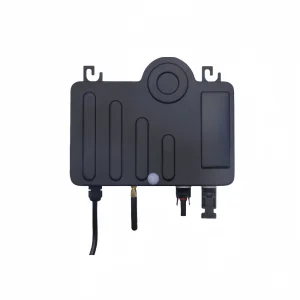
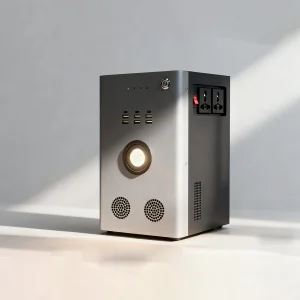
Backup power equipment, portable solar power banks, and micro-inverter arrays require long-term safety assurance. Combining products like our LTWSmart Micro Inverters and 500W Portable Power Banks (1 kWh) with smart BMS technology creates an integrated energy system. Homeowners can track energy generation, active load balances, and remaining backup power directly from their mobile apps.
Power tools draw massive current loads during operation. A robust BMS is necessary to prevent runaway thermal events. Litongwei's custom multi-cell protection boards manage high discharge rates, using NTC thermal probes and low-impedance MOSFETs to control temperature and protect the system under continuous load.
From a specialized research workshop to a high-volume smart factory, Litongwei has spent 20 years pioneering advances in lithium-ion safety control systems.
The company began R&D and manufacturing of digital Battery Management Systems (BMS). By 2006, it expanded into power battery management system development. ISO9001 certification was obtained in 2007, followed by ISO14001 certification in 2009.
The company secured 8 utility model and design patents in 2011, while expanding its mobile power bank manufacturing operations. The Litongwei Technology Research Institute was established in 2012. It received the Del New Energy Quality Excellence Award in 2014 and earned the Gold Partner title from Gaogong Lithium Battery in 2015.
The company upgraded its ISO 9001 and ISO14001 certifications in 2016, achieved IATF16949 certification in 2018, and implemented an MES system for warehouse automation. It was awarded the Guangdong Battery Industry Association Innovation Award in 2019 and recognized as a leading brand in lithium battery protection board technology for two-wheeled vehicles in 2020.
Litongwei Electronics continues to innovate, deepening its technological expertise while embracing IoT and Industry 4.0. Through its Smart Manufacturing+ strategy, the company drives industrial transformation and upgrading.
Our high-volume manufacturing facilities span 13,000 square meters in Shenzhen and 27,000 square meters in Dongguan. This infrastructure houses 24 modern high-speed pick-and-place lines and 12 complete PCBA production units. This setup allows us to manufacture over 15 million BMS units per month, supporting global procurement requirements.
Quality assurance requires detailed process control. Our automated Manufacturing Execution System (MES) records manufacturing data for every component, from raw silicon to final packaging. By using trace identifiers on our PCBAs, we can track production histories and component batches, ensuring consistent quality for our customers.
Global supply chain volatility requires manufacturing partners to maintain robust inventory practices and strong vendor partnerships. Over twenty years, Litongwei has established long-term collaborations with major component manufacturers, securing reliable access to critical MCUs, MOSFETs, and analog front-ends (AFEs).
Our raw materials undergo incoming inspection processes using specialized test equipment. This setup allows us to inspect components and qualify silicon before it is introduced to the assembly lines, protecting production schedules from supply delays.
We maintain buffer inventory levels for key microcontrollers and integrated circuits. This strategy shields our clients' project timelines from sudden electronic market fluctuations and shipping delays.
Litongwei's partners include Huawei, Lenovo, Desay, Guoguang, Sunwoda, Eve Energy, Guoxuan High-tech, and other leading industry brands who have collaborated with us for many years.














Get answers to common technical, production, and integration questions regarding our smart Bluetooth Battery Management Systems.
The communication range depends on the material thickness and construction of the battery pack enclosure. For standard metal structures, the Faraday cage effect will attenuate RF signals. We mitigate this using optimized PCB antenna designs and external coaxial leads, which allow signal propagation of 10 to 15 meters around the vehicle or enclosure.
When ambient temperatures drop below 0°C, the NTC temperature sensors report this state to the BMS. Upon detecting charging current, the BMS diverts power to low-resistance heating elements within the pack, raising the cell temperature to a safe range before allowing charging currents to flow.
Litongwei is certified to ISO9001, ISO14001, and IATF16949 quality management standards. Depending on the product model and custom specifications, our BMS solutions comply with CE, FCC, RoHS, UL, and UN38.3 requirements to support international distribution.
Yes. We provide complete software development kits (SDKs) and API access for both Android and iOS platforms. This allows OEMs to brand and integrate battery diagnostic features directly into their own applications.
Our manufacturing facilities in Shenzhen and Dongguan house 24 high-speed SMT lines and 12 PCBA production units. This infrastructure supports a monthly capacity of over 15 million units, allowing us to manage large-scale production requirements for global markets.
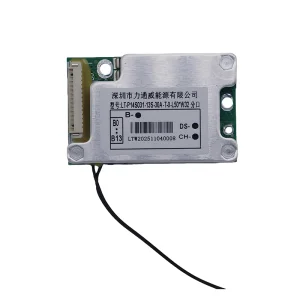
Browse our selection of heavy-duty and compact smart battery protection boards designed for reliable long-term service.
 Litongwei Electronic