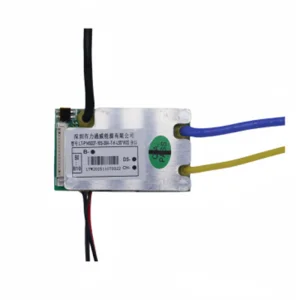
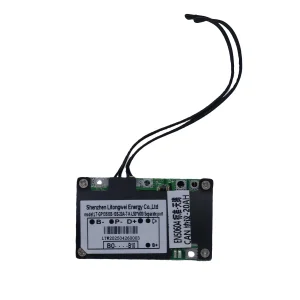
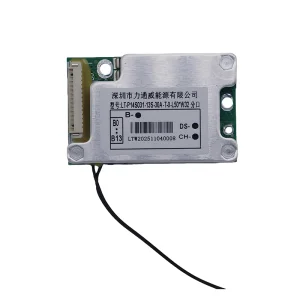
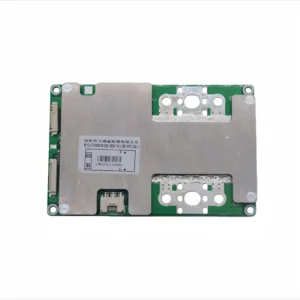
Explore our engineering capabilities and customizable BMS solutions designed to maximize cell performance and secure system safety.
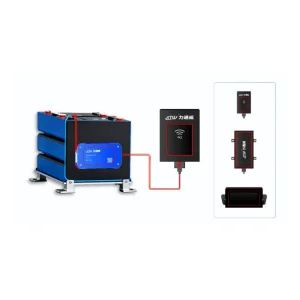
As global industries shift towards clean energy alternatives, Lithium Iron Phosphate (LiFePO4) has emerged as the chemistry of choice for high-reliability energy systems. Operating at a nominal 48V configuration, these batteries serve as the backbone for telecom infrastructure, residential solar storage (ESS), industrial clean power equipment, and low-speed electric vehicles. However, the performance, thermal stability, and overall longevity of a 48V system rest entirely on its Battery Management System (BMS).
A robust 48V BMS regulates the critical operating envelopes of cell groups, preventing issues like over-voltage, under-voltage, thermal runaway, and dynamic cell imbalances. For global procurement officers, system integrators, and OEM developers, finding a reliable, high-capacity, and compliance-driven BMS partner in China is not merely about finding a vendor, but about securing a continuous engineering pipeline and mitigating product liabilities.
A technical assessment of safety configurations, active/passive balancing, and communication network matrices.
Utilizing state-of-the-art dual-Kalman filtering algorithms and OCV (Open Circuit Voltage) lookup matrices to counter the flat discharge curve characteristic of LiFePO4 chemistry. This ensures State of Charge (SOC) tracking precision is kept within ≤5%, and State of Health (SOH) evaluations remain dynamic and highly accurate over years of operation.
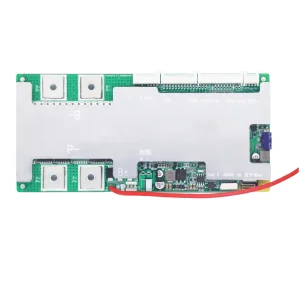
Engineered with multiple NTC temperature probes targeting high-stress nodes. Integrated logic triggers automatic throttling or circuit disconnection before cells exceed critical thermal limits. Built-in bidirectional MOSFET controls handle surges while smart hardware protections prevent instantaneous short-circuit damages.
Equipped with complete isolated CAN bus, RS485, and UART interfaces to allow seamless plug-and-play connections with mainstream solar inverters (e.g., Growatt, Victron, Deye, SMA) and industrial host computers. Embedded Bluetooth and optional 4G/GPS modules provide end-users with real-time smartphone monitoring and cloud diagnostic telemetry.
Technical Note: The flat voltage curve of LiFePO4 battery chemistry makes simple voltage-based estimation unreliable. Litongwei's proprietary BMS uses Coulomb counting calibration, combined with real-time temperature compensation curves, to provide precise protection and extend pack lifespan by up to 30% compared to standard generic protection boards.
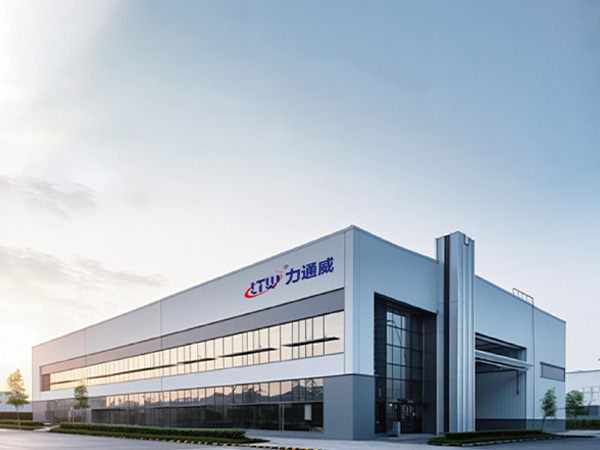
Partnering with a major Chinese electronics manufacturer like Shenzhen Litongwei Electronic Technology Co., Ltd. ensures your organization taps into the world's most concentrated clean energy hardware ecosystem. Located in the heart of Shenzhen and Dongguan's technology clusters, our manufacturing hubs provide direct access to top-grade semiconductors, raw substrate materials, and high-precision testing infrastructure.
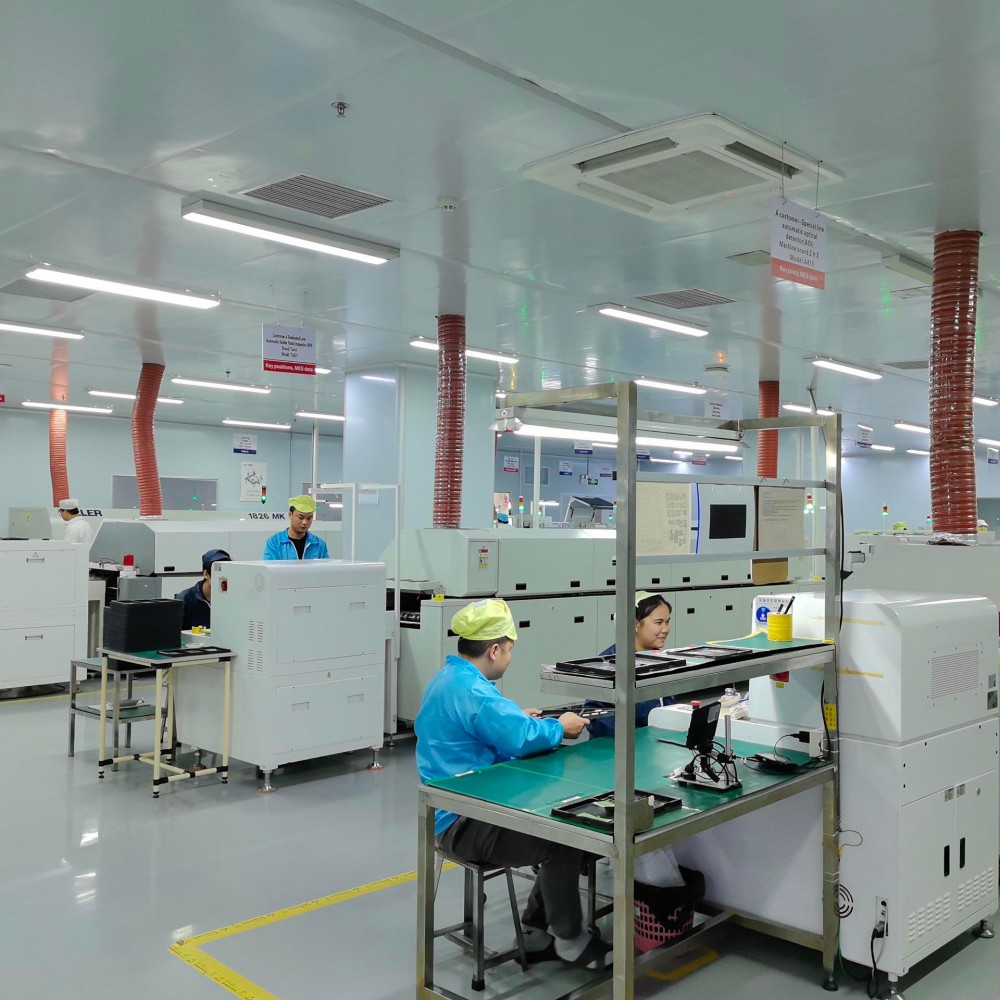
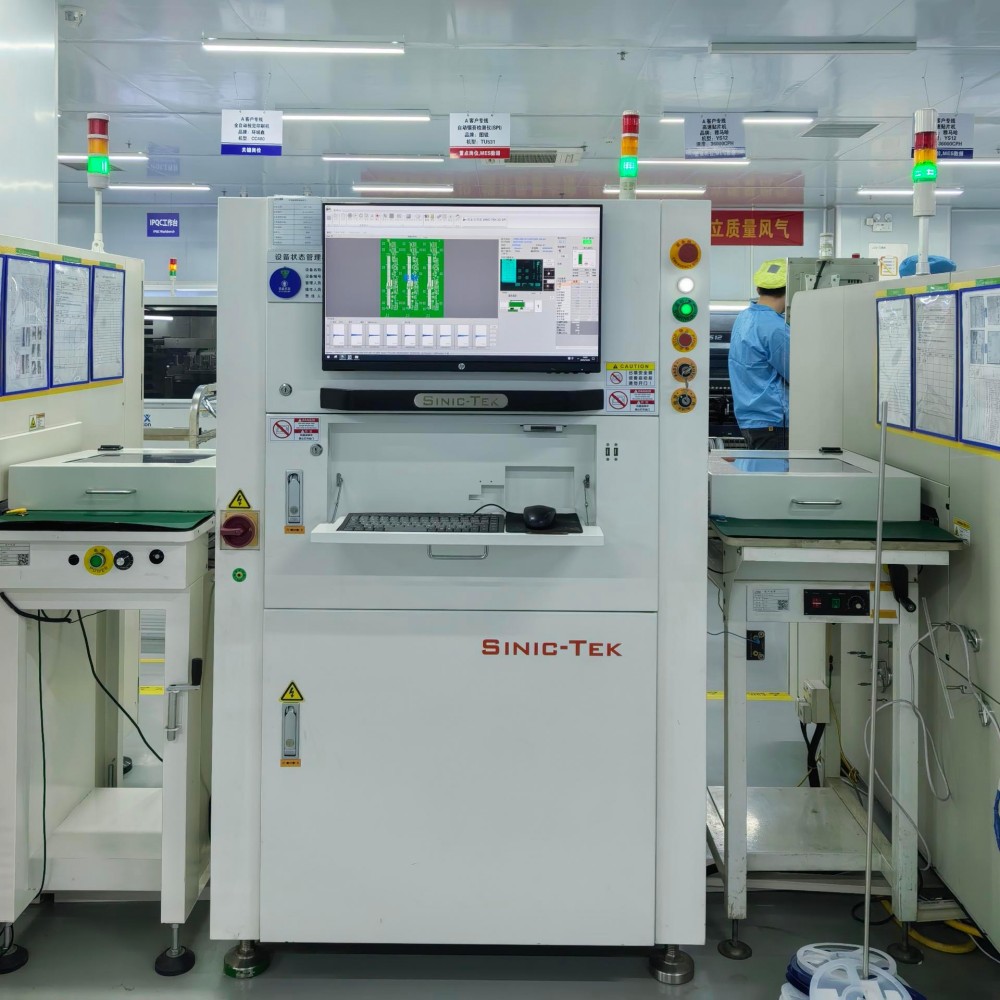
Our scale operations are backed by concrete capabilities: over 13,000 square meters of independent manufacturing facility in Shenzhen, complemented by our expansive 27,000 square meter site in Dongguan Huangjiang. We deploy 24 high-speed SMT pick-and-place lines and 12 dedicated PCBA lines. This highly automated setup enables us to yield over 15 million high-reliability BMS units per month, driving unit costs down while keeping engineering quality exceptionally high.
Real numbers illustrating our industrial capacity, dedication to technology research, and international quality management.
Bridging the gap between Asian supply-chain speed and Western market regulatory standards.
For international markets, battery systems must clear tough regulatory hurdles like UL 1973, CE, FCC, and RoHS. Our BMS products are designed from the ground up to comply with these rigorous testing standards. This reduces the time, expense, and friction of passing certification for your end-system products.
Operating under certified ISO9001:2015, ISO14001, and automotive-grade IATF16949 quality management networks, we implement full-process barcode scanning through our automated MES (Manufacturing Execution System). Every component, SMT path, and final calibration step is fully documented and searchable, ensuring 100% trace-back reliability.
We recognize the vital importance of proprietary product design. We collaborate with clients under robust legal frameworks and supply patent collaboration to prevent infringement risks, ensuring your unique modifications, software codes, and hardware topologies remain safely guarded.
By implementing IoT network adapters, our software integrates with central servers. This allows field technicians to check cell voltage arrays, download event logs, and update firmware remotely. It greatly simplifies after-sales maintenance, saving time and money for remote operations.
Keeping your system designs ahead of the technology curve to maintain a competitive advantage.
Future BMS architectures are moving beyond basic safety thresholds. The integration of edge machine learning enables predictive algorithms to identify internal short-circuits, micro-dendrite growth, and localized hot-spots weeks before they manifest as serious faults.
Traditional passive balancing wastes excess cell energy as heat through resistors. Modern, high-capacity systems are transitioning to dynamic active balancing. This transfers charge from high-voltage cells to low-voltage ones, reducing thermal load and maximizing usable energy output.
BMS platforms are increasingly functioning as connected smart nodes. With integrated 4G, GPS, and Bluetooth capability, massive fleets of industrial light electric vehicles, AGVs, and backup battery packs can be tracked, configured, and troubleshooted from a centralized dashboard.
Optimizing custom software logic and hardware configurations to meet distinct real-world requirements.
Telecom infrastructure requires highly reliable power backup systems. Our 48V BMS units feature isolated communication layers and precise health metrics. This ensures continuous power delivery during grids dropouts, and integrates easily with telecom networks for simple remote maintenance.
Autonomous guided vehicles (AGVs) demand high surge currents and undergo frequent fast-charging cycles. Our smart BMS boards feature high-current tolerances, short-circuit protection, and precise CAN bus integrations. This allows the battery pack to communicate seamlessly with vehicle controllers.
Vibration resistance, dynamic shock protection, and outdoor durability are essential for golf carts and light electric vehicles. Our rugged board layouts, coated conformal protection layers, and strong mechanical structures ensure stable operation in tough environmental conditions.
For home solar storage systems (ESS), communicating with hybrid inverters is vital. Our BMS software includes built-in protocols to interface with leading international inverter brands, ensuring safe, long-term operation of home energy storage units.
Established in 2005, Shenzhen Litongwei Electronic Technology Co., Ltd. is a national high-tech enterprise specializing in the R&D and manufacturing of lithium-ion safety control systems. Over two decades of steady growth, our products have become widely used in 3C digital devices, electric scooters, bicycles, motorcycles, tricycles, golf carts, AGVs, drones, and power tools.
We provide intellectual property protection through patent collaboration, industry-standard shared boards for cost reduction and efficiency improvement, full-process traceability (MES system), and remote maintenance via cloud platform support to help clients address technical, cost, and operational challenges. By choosing Litongwei, you receive top-tier products and services. Litongwei is committed to collaborating with you to build a brighter green energy future together.
Our journey of technical innovation and smart manufacturing upgrades since 2005.
In 2005, the company commenced R&D and manufacturing of digital Battery Management Systems (BMS). By 2006, it expanded into power battery management system development. ISO9001 certification was obtained in 2007, followed by ISO14001 certification in 2009.
The company secured 8 utility model and design patents in 2011, while expanding its mobile power bank manufacturing operations. The Litongwei Technology Research Institute was established in 2012. It received the Del New Energy Quality Excellence Award in 2014 and earned the Gold Partner title from Gaogong Lithium Battery in 2015.
The company upgraded its ISO 9001 and ISO14001 certifications in 2016, achieved IATF16949 certification in 2018, and implemented an MES system for warehouse automation. It was awarded the Guangdong Battery Industry Association Innovation Award in 2019 and recognized as a leading brand in lithium battery protection board technology for two-wheeled vehicles in 2020.
Litongwei Electronics continues to innovate, deepening its technological expertise while embracing IoT and Industry 4.0. Through its Smart Manufacturing+ strategy, the company drives industrial transformation and upgrading.

LITONGWEI has always adhered to the philosophy of "Technology as King, Efficient Service" in all aspects of production and operations. Our vision is to become a leading global provider of intelligent green energy management solutions, embracing environmental sustainability. Start with LITONGWEI!
Litongwei's partners include Huawei, Lenovo, Desay, Guoguang, Sunwoda, Eve Energy, Guoxuan High-tech, and other industry brand clients who have collaborated for many years.














Expert answers to critical engineering, installation, and procurement questions.
A 48V BMS acts as the supervisor for the battery pack. It continuously monitors cell voltages, temperatures, and pack current. If any parameter drifts outside safe thresholds, the BMS triggers protective measures, such as cutting off charge or discharge paths via integrated MOSFETs or controlling external contactors. This prevents dangerous situations like thermal runaway, overcharging, and deep discharging.
CAN (Controller Area Network) bus provides superior noise immunity, faster data transmission speeds, and robust error detection. This makes it ideal for harsh electrical environments like electric drivetrains or large solar setups. It allows the BMS to transmit real-time telemetry directly to motor controllers or hybrid solar inverters, enabling seamless system coordination.
Yes. While we offer industry-standard shared boards to reduce development costs and speed up time-to-market, we also specialize in customized OEM designs. We can adjust hardware dimensions, current limits, temperature sensor counts, and program custom communication protocols (such as Modbus or proprietary CAN matrices) to align with your specific application requirements.
Our MES (Manufacturing Execution System) tracks every board throughout the entire production cycle. From incoming component inspection and SMT placement to final functional testing and calibration, each step is logged against a unique barcode. This complete digital history ensures 100% traceability and helps us maintain strict quality control standards.
In applications like golf carts, rental e-bikes, or automated guided vehicles, wireless connectivity enables real-time tracking, remote diagnostic support, and OTA (Over-The-Air) firmware updates. This allows fleet operators to monitor battery health metrics, check location details, and configure BMS settings without physically accessing the battery pack.
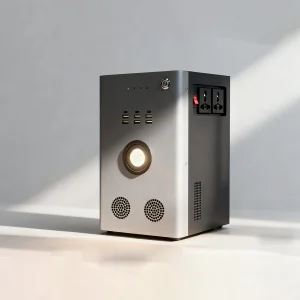
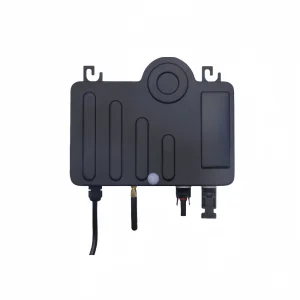
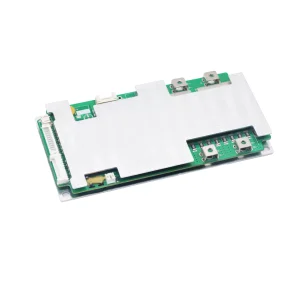
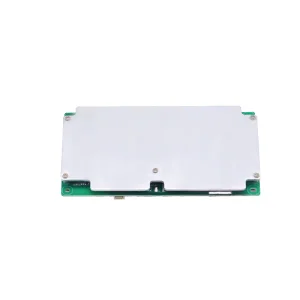
High-reliability battery protection boards, micro-inverters, and portable power stations for diverse industrial demands.
 Litongwei Electronic