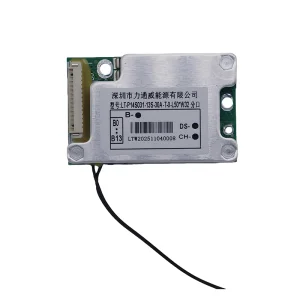
OEM Lithium Battery Charger Module Supplier & Companies

Global High-Reliability Smart BMS, Protection Circuits & Power Conversion Technology Architectures

Global Industry Analysis: OEM Lithium Battery Charger Modules & Management

Unlocking higher performance, system security, and supply chain resilience for modern commercial, industrial, and smart mobility applications.

As the world transitions rapidly toward sustainable energy platforms, the demand for industrial-grade, safety-first lithium battery charger modules and intelligent protection boards has surged. In this high-stakes landscape, selecting a qualified OEM/ODM partner is crucial. Operating at the core of cell management, modern Charger Modules and Battery Management Systems (BMS) dictate the efficiency, lifespan, and safety profiles of next-generation lithium-ion battery packs. This white paper analyzes the state of global lithium battery management, design considerations, and factory-level optimizations required for zero-fault operations.

Shenzhen Litongwei Electronic Technology Co., Ltd.

Established in 2005, Shenzhen Litongwei Electronic Technology Co., Ltd. is a national high-tech enterprise specializing in the comprehensive R&D, layout design, and manufacturing of lithium-ion safety control systems and smart battery boards. With almost two decades of industrial leadership, we provide client-first integrations covering:

Intellectual Property Protection

We offer robust patent collaboration pathways designed to prevent structural design infringement, keeping your custom product designs legally protected globally.

Shared Platform Design

Industry-standard shared boards offer significant cost reductions and manufacturing efficiency, allowing plug-and-play BMS integration.

Full-Process Traceability

Advanced MES execution systems register every step of production. From raw SMT input to final FCT testing, complete component and quality data is logged.

Cloud-Based Remote Maintenance

Our integrated Bluetooth, CAN, and IoT modules support remote parameter adjustments and real-time operational troubleshooting via cloud dashboards.
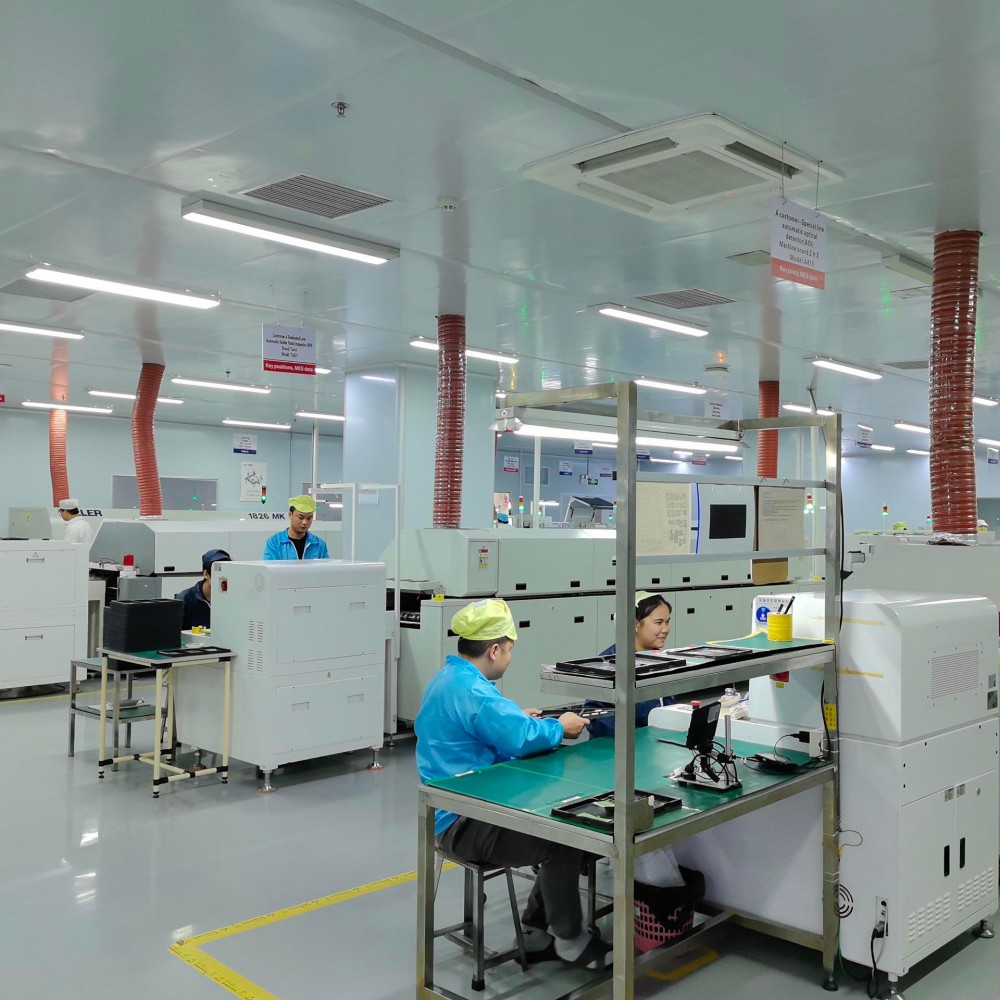
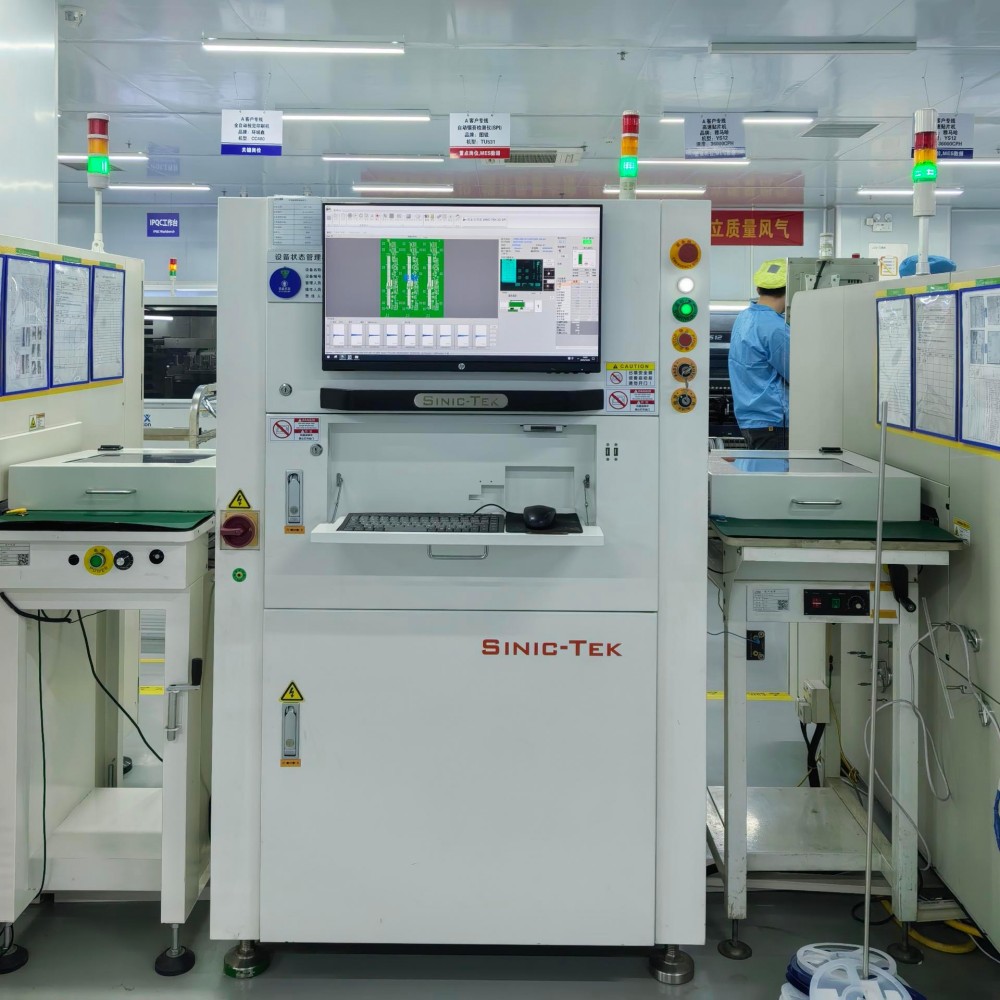
Litongwei R&D center
Smt production line
Bms quality inspection

Global Landscape: Commercial & Industrial Dynamics

Modern commercial battery packs are increasingly complex. In applications like AGVs (Automated Guided Vehicles), golf carts, light electric vehicles (LEVs), portable solar generators, and advanced power tools, standard charger circuits are no longer sufficient. Industry designers now demand intelligent management solutions.
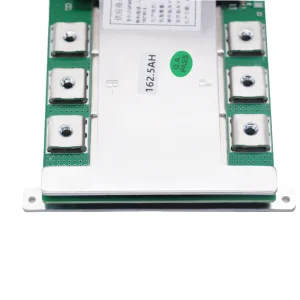
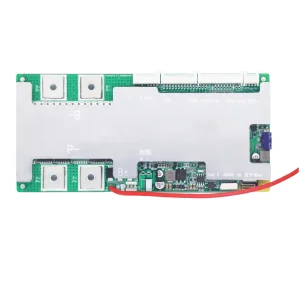
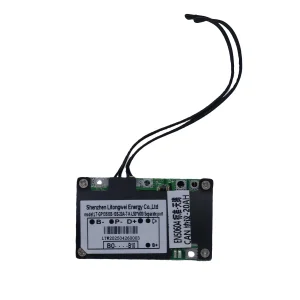
Globally, power topologies are shifting towards smart BMS structures. With wireless connectivity, these systems allow real-time analysis of cell voltage profiles, internal resistance, and state-of-health (SOH) parameters. These modules must operate reliably in diverse microclimates, from extreme cold in Northern Europe to high heat in Middle Eastern industrial yards. Therefore, reliable thermal management and low-temperature preheating functionalities must be integrated directly onto the PCB, as demonstrated in our advanced intelligent heating protection boards.
2005
Established Year
40,000㎡+
Total Factory Area
15M+
Monthly Output (Units)
100+
National Patents
Our corporate vision—"Technology as King, Efficient Service"—drives our commitment to developing sustainable, long-cycle energy solutions. Litongwei aims to provide green energy solutions that enable carbon-neutral initiatives worldwide.
Corporate vision and quality focus

Localized Application Scenarios & High-Impact Case Studies

How Litongwei's OEM charger modules and BMS satisfy regional requirements and application niches.

1. E-Mobility & Last-Mile Delivery Vehicles (Europe & Americas)

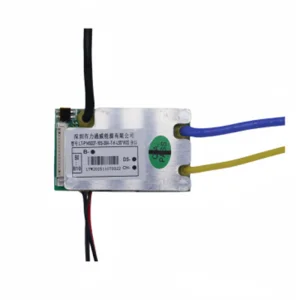
In European cities, fleet operators run cargo e-bikes and electric delivery tricycles year-round. These fleets require high safety standards and cold-temperature charging capability. Under freezing conditions, lithium plating can occur if charging is attempted without preheating, leading to catastrophic cell shorting. Litongwei's Intelligent Heating Protection Boards (up to 20S 200A) resolve this issue. Integrated sensors measure ambient temperature, activating internal heater elements to warm the cells above 0°C before initiating the charge cycle.

2. Intralogistics AGV & Robot Automation (APAC & North America)

Smart factories run around the clock, utilizing high-current fast charging to minimize vehicle downtime. This requires robust telemetry via CAN communication. The BMS must communicate cell temperature, state of charge, and health parameters to both the vehicle and the charging station. Litongwei's custom 10S to 24S BMS configurations provide real-time parameter tuning and multi-node communication. This ensures safe operations during 2C-3C fast charging cycles without degrading lithium-ion cell lifespans.

3. Industrial Portable Power Stations & Micro-Inverters

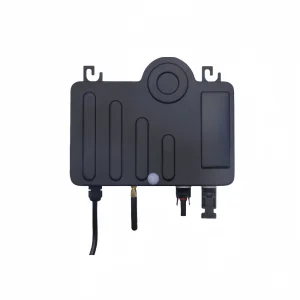
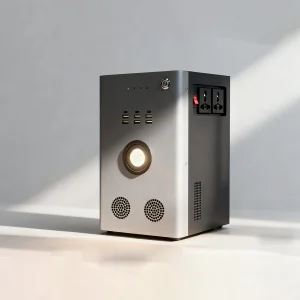
Portable power stations (up to 1kWh or 2kWh capacities) rely on bidirectional inverter control and battery charger boards. These applications require high conversion efficiencies and IP67 weather resistance. Our micro-inverters feature pure sine wave outputs, delivering efficient charging and power delivery even in harsh environments.

Technical Roadmap & Next-Generation BMS Evolution

An engineering outlook on the architecture of battery protection and smart charge controls.

Advanced Silicon Integration

Shifting to automotive-grade analog front-end (AFE) chips enables measurement accuracy within ±1mV per cell, optimizing cell balancing and usable battery capacity.

Edge AI Diagnostic Integration

Integrating machine learning models into BMS microcontrollers allows for real-time thermal runaway predictions based on historical usage data.

Hybrid Communication Stacks

Integrating CAN, RS485, and low-energy Bluetooth (BLE 5.0) onto a single control board enables concurrent local network management and mobile app configuration.

China Manufacturing Resilience & Production Logistics

High-speed assembly, automated inspection, and quality assurance processes.

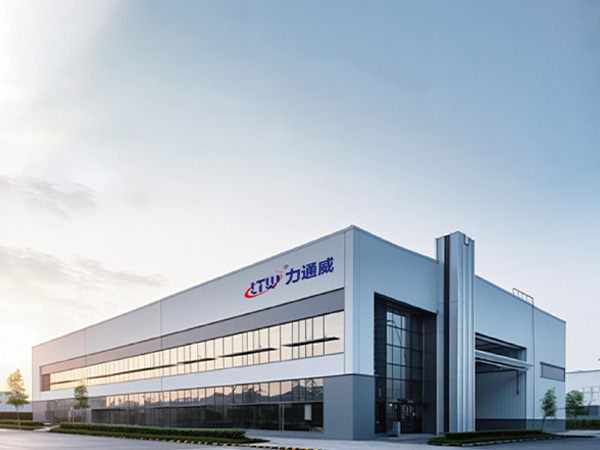
Our manufacturing facility in Shenzhen covers over 13,000 square meters of dedicated production space, complemented by a 27,000 square meter manufacturing center in Dongguan Huangjiang. These facilities are designed to support rapid scaling of custom BMS designs:
  • 24 High-Speed Pick-and-Place SMT Machines: Enable fast, high-precision placement of fine-pitch integrated circuits, chip resistors, and high-power MOSFETs.
  • 12 Dedicated PCBA Lines: Deliver a monthly output capacity exceeding 15 million completed units, supporting large-scale global demands.
  • Systematic Quality Inspections: Automated optical inspection (AOI), in-circuit testing (ICT), and automated functional testing (FCT) verify all electrical specifications before shipment.
By investing continuously in automation and engineering, Litongwei has maintained R&D spending above 10% of annual sales for five consecutive years. This investment supports continuous improvements in board layout efficiency and thermal performance.

Corporate History & Strategic Milestones

Over 18 years of continuous technology updates, scale expansions, and quality management system refinements.

2005 - 2010

Litongwei commenced focused R&D and manufacturing of digital Battery Management Systems. In 2006, the scope expanded into power battery systems, securing ISO9001 certification in 2007, followed by ISO14001 certification in 2009.

2010 - 2015

The company secured 8 utility patents in 2011, expanding mobile power system operations. The Litongwei Technology Research Institute was established in 2012, followed by Gaogong Lithium Battery’s Gold Partner title in 2015.

2015 - 2020

Obtained IATF16949 certification in 2018. The company implemented an MES database system for automated tracking, winning the Guangdong Battery Industry Innovation Award in 2019.

2020 - 2025

Adopting IoT and Industry 4.0 paradigms. Litongwei continues to expand its Smart Manufacturing+ strategy, driving upgrades in battery protection technology.

Corporate Partners & Global Network

Litongwei's partners include Huawei, Lenovo, Desay, Guoguang, Sunwoda, Eve Energy, Guoxuan High-tech, and other industry brand clients who have collaborated for many years.


Partner Logo
Partner Logo
Partner Logo
Partner Logo
Partner Logo
Partner Logo
Partner Logo
Partner Logo
Partner Logo
Partner Logo
Partner Logo
Partner Logo
Partner Logo
Partner Logo

Technical Excellence & Engineering Advantage

Why leading global companies select Litongwei as their technical partner.

Production Capacity

13,000 square meters of independent space in Shenzhen, and 27,000 square meters in Dongguan Huangjiang. Equipped with 24 high-speed mounters and 12 PCBA production lines, delivering a monthly capacity of over 15 million units.

R&D Investment

Litongwei consistently reinvests more than 10% of annual sales revenue back into R&D programs, focusing on power topologies, low-power standby modes, and high-voltage circuit designs.

Technological Innovation

With over 100 patents in the battery protection board sector, our technical team works closely with clients to optimize designs and manage intellectual property risk.

Localized Compliance & Quality Frameworks

Selling electronic assemblies internationally requires compliance with strict safety and quality standards. Our manufacturing facilities are certified under the IATF 16949 automotive standard, which governs our design and assembly processes.
Our products are designed to meet major global compliance requirements:
CE / RoHS

European Market Safety & Hazardous Material Approvals

UL Standards

North American Flammability & Safety Compliance (UL94-V0)

UN38.3

Certified Safe for Global Air and Ocean Transport

REACH

Chemical and Substance Control Compliance

Frequently Asked Questions (FAQ)

Technical answers to help buyers evaluate OEM charger modules and BMS solutions.

What is the difference between a standalone protection board (BMS) and a battery charger module?
A standalone protection board (BMS) monitors cell states and interrupts the circuit during overvoltage, undervoltage, or overcurrent conditions to prevent damage. A battery charger module actively regulates the input voltage and current (typically using CC/CV profiles) to charge the pack safely. Modern integrated designs combine both functions onto a single PCB for streamlined assembly.
How does CAN communication improve battery system reliability in AGV applications?
Controller Area Network (CAN) communication provides robust, noise-immune data transfer in industrial environments. It allows the BMS to transmit real-time state of charge (SOC), temperature telemetry, and fault codes to the AGV controller and charger, enabling dynamic charge adjustments and preventing unexpected downtime.
When is an integrated heating function required on a battery board?
An integrated heating function is required for batteries operating in ambient temperatures below 0°C. Charging at sub-zero temperatures causes lithium plating on the anode, which permanently reduces cell capacity and can cause short circuits. A smart BMS detects these low temperatures and routes incoming charge current to heating elements first, raising the pack temperature to safe levels before initiating charging.
What testing procedures ensure the quality of Litongwei's PCBA solutions?
Every production batch undergoes automated optical inspection (AOI) to verify component placement, followed by in-circuit testing (ICT) to check trace integrity. Finally, automated functional testing (FCT) simulates real-world load, charge, and fault conditions to ensure all safety parameters function as specified.
How does Litongwei protect customer intellectual property during custom development?
We work under strict non-disclosure agreements (NDAs) and manage custom designs on isolated secure servers. By partitioning development tasks and keeping final firmware compilation secure, we protect client designs and minimize IP infringement risks.