Explore our engineering breakthroughs featuring high-efficiency PV integration, smart battery balancing, and IP67 all-weather configurations.
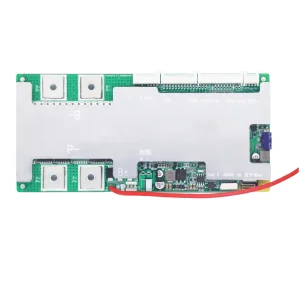
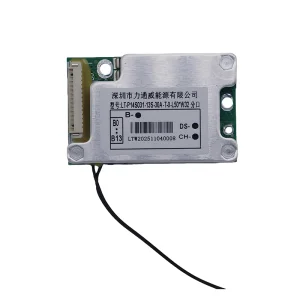
Decentralization, Module-Level Monitoring, and the Superiority of Modern Microinverters
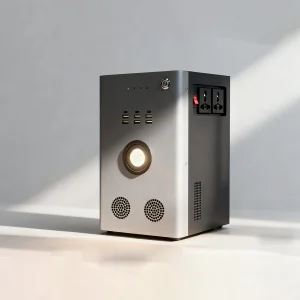
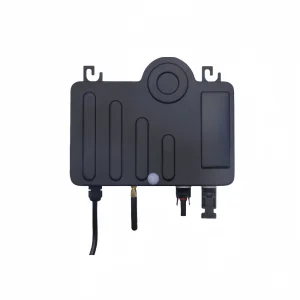
In the landscape of distributed solar generation, Module-Level Power Electronics (MLPE) have evolved from niche architectural curiosities to the baseline standard for global energy infrastructures. Leading the front of this migration is the **Micro On-Grid Inverter**, a system built to manage and optimize power output at the individual PV panel level. Unlike traditional string inverters, which constrain system efficiency to the output of the lowest-performing module (the typical "Christmas light" failure path), microinverters assign dedicated Maximum Power Point Tracking (MPPT) processors to each module.
This layout ensures that shade, dust, degradation, or orientation disparities on a single PV panel do not degrade the performance of the remaining array. Consequently, system architects report an energy yield increase of 5% to 25% over conventional string arrays, optimizing return on investment (ROI) across residential and commercial sectors alike.
“By transitioning the conversion process from high-voltage DC to grid-compliant AC directly at the module level, microinverters eradicate systemic DC safety risks, drastically reducing fire hazards and making compliance with NEC 2017/2020 rapid shutdown requirements standard.”
From an operational safety standpoint, the microinverter architecture eliminates high-voltage DC cabling (often running up to 1000V in residential or commercial rooftops). By confining DC circuits to the footprint of the module frame and delivering standard low-voltage AC directly to the main breaker board, installers minimize electrical hazards, protecting assets and building structures. For modern industrial operators and developers, choosing the right OEM Micro On Grid Inverter Manufacturer & Factories is the core decision in securing high-yield, safe, and code-compliant deployments.
Comparing next-generation microinverter architecture with standard string inverter systems.
Dedicated MPPT algorithm per panel mitigates shading loss. Boosts generation efficiency by up to 25% compared to string installations.
Limits rooftop DC voltage to less than 60V, eliminating high-voltage DC arc flash risks and fully satisfying NEC rapid shutdown codes.
Cloud-integrated IoT platforms trace diagnostics of every panel in real-time, drastically reducing maintenance time and overhead.
Enterprise sourcing managers looking to purchase microinverters must navigate a complex grid of local regulations. To sell solar products globally, a manufacturer must secure certifications verifying grid stability, active anti-islanding mechanisms, electromagnetic compatibility (EMC), and physical ingress protection.
In North America, compliance with UL 1741 (specifically UL 1741 SB) and **IEEE 1547-2018** is mandatory, requiring microinverters to support advanced grid interactions like active reactive power support and voltage/frequency ride-through. In European markets, standard certifications include **VDE-AR-N 4105**, **EN 50549-1**, and **CE** markings, ensuring the hardware interfaces smoothly with diverse grid infrastructures. For Australia, **AS/NZS 4777.2** compatibility is necessary.
Furthermore, local environments dictate specialized physical protection. Balcony PV units, residential rooftops, and commercial arrays are exposed to extreme humidity, temperature fluctuations, and heavy rain. A robust enclosure rating, such as **IP67** (dust-tight and water-immersion resistant), is essential for microinverters to deliver a 25-year operational lifecycle.
As a leading national high-tech enterprise, Shenzhen Litongwei Electronic Technology Co., Ltd. addresses these challenges by merging advanced BMS safety designs with highly certified grid-tie technologies, providing global clients with certified, durable energy management products.
Our Corporate History & Production Infrastructure
Established in 2005, Shenzhen Litongwei Electronic Technology Co., Ltd. is a national high-tech enterprise specializing in the R&D and manufacturing of lithium-ion safety control systems and intelligent energy management solutions. Our product range serves diverse sectors, including 3C digital devices, electric scooters, bicycles, motorcycles, tricycles, golf carts, AGVs, drones, power tools, and micro-grid inverter solutions.
We offer robust intellectual property protection through patent collaborations, industry-standard shared boards for cost reduction, full-process traceability for quality control, and cloud-based remote maintenance support.
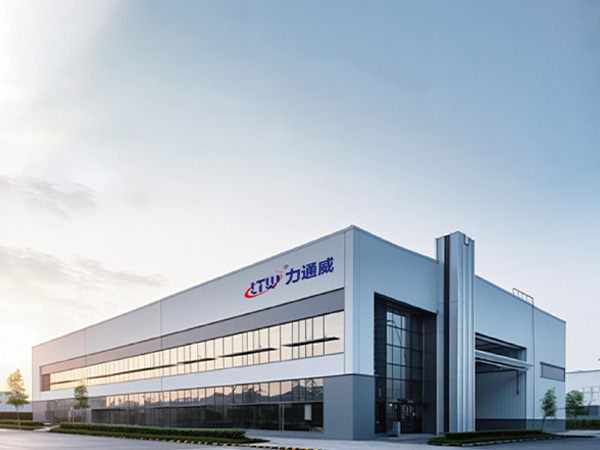
Start with LITONGWEI: Green Energy Management, Environmental Sustainability, and Leading Engineering Quality.
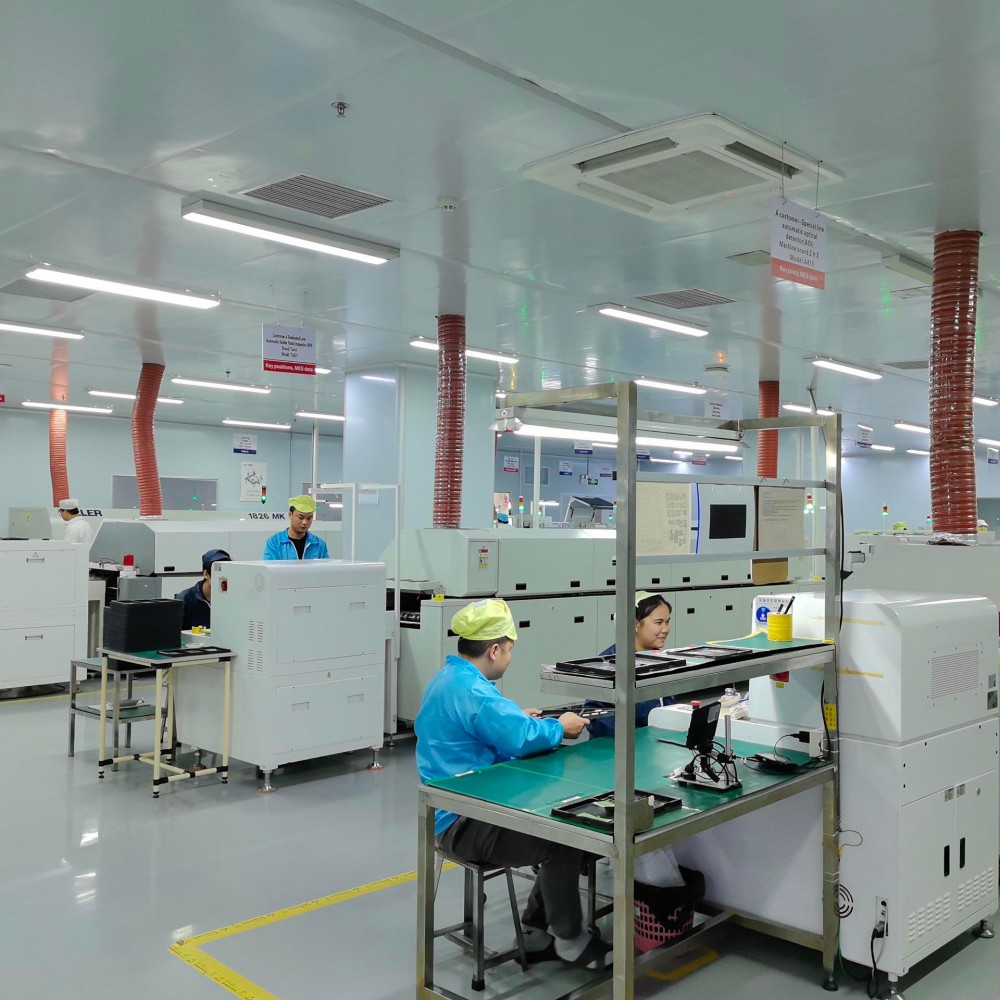
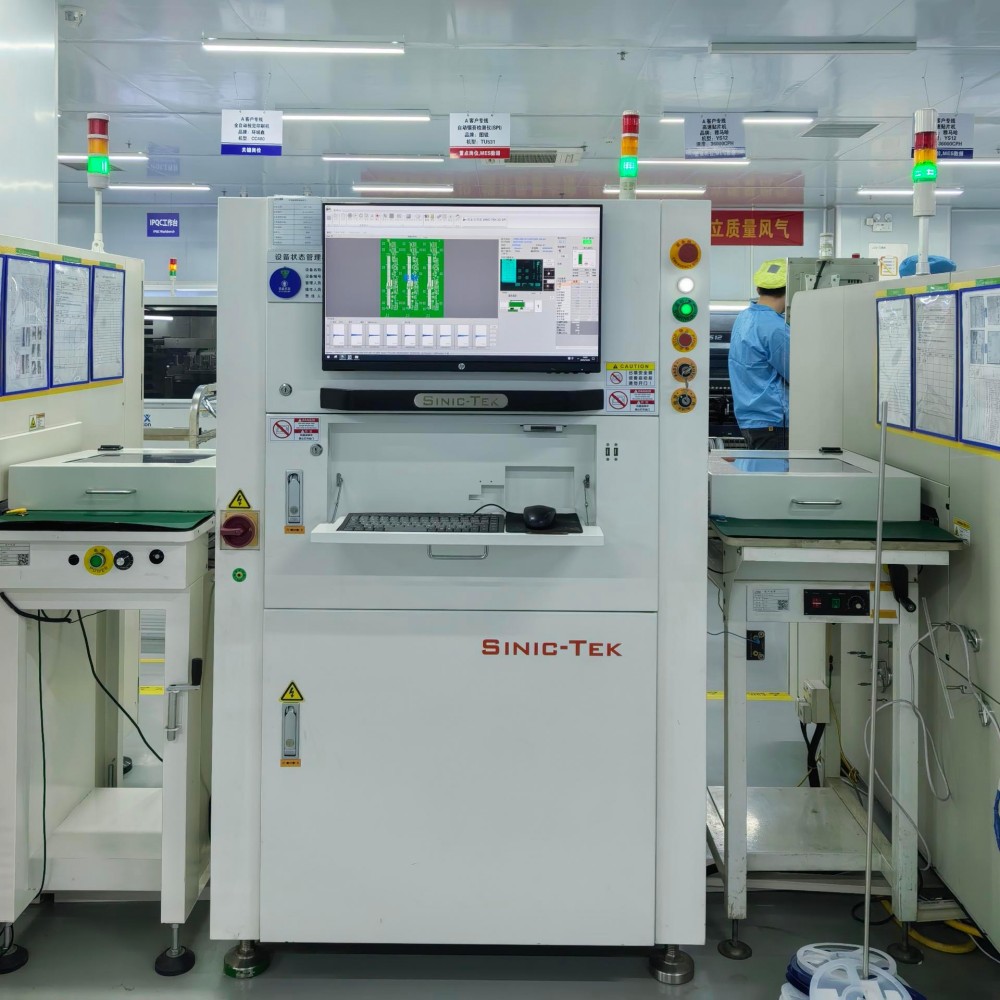
In the competitive global smart energy market, supply chain resilience is crucial. Litongwei's manufacturing operations utilize Factory 4.0 infrastructure across our Shenzhen and Dongguan campuses. Equipped with 24 high-speed pick-and-place (SMT) machines and 12 PCBA production lines, we optimize manufacturing cycles from component receipt to final functional testing.
Our Manufacturing Execution System (MES) provides real-time traceability, tracking every batch of components and production phase. This digital transparency ensures that each microinverter meets strict industrial standards, minimizing quality defects and product recalls.
By keeping core processes in-house—including precision SMT placement, automated optical inspection (AOI), thermal aging, and automated testing (ATE)—we protect our manufacturing schedule from external supply shocks. This enables us to offer predictable lead times and reliable production capacity for global distributors and OEM buyers.
Our journey of innovation, quality certifications, and smart manufacturing scaling.
In 2005, the company commenced R&D and manufacturing of digital Battery Management Systems (BMS). By 2006, it expanded into power battery management system development. ISO9001 certification was obtained in 2007, followed by ISO14001 certification in 2009.
The company secured 8 utility model and design patents in 2011, while expanding its mobile power bank manufacturing operations. The Litongwei Technology Research Institute was established in 2012. It received the Del New Energy Quality Excellence Award in 2014 and earned the Gold Partner title from Gaogong Lithium Battery in 2015.
The company upgraded its ISO9001 and ISO14001 certifications in 2016, achieved IATF16949 certification in 2018, and implemented an MES system for warehouse automation. It was awarded the Guangdong Battery Industry Association Innovation Award in 2019 and recognized as a leading brand in lithium battery protection board technology for two-wheeled vehicles in 2020.
Smart Manufacturing+. Litongwei Electronics continues to innovate, deepening its technological expertise while embracing IoT and Industry 4.0. Through its Smart Manufacturing+ strategy, the company drives industrial transformation and upgrading.
Collaborating with top industry brands to deliver reliable energy solutions globally.





How we leverage R&D investment and scale to provide quality guarantees for our global clients.
We operate over 13,000 square meters of factory space in Shenzhen, and 27,000 square meters in Dongguan Huangjiang. Equipped with 24 high-speed pick-and-place machines and 12 PCBA production lines, Litongwei's monthly output exceeds 15 million units.
To support product updates and reliability, Litongwei’s R&D investment has consistently accounted for more than 10% of our sales for five consecutive years.
We hold over 100 patents in the lithium-ion battery protection board industry, alongside multiple patents in circuit designs, testing programs, and automated production. We provide robust IP protection to help clients mitigate infringement risks.
1. Residential Balcony & Patio PV Systems (Europe & North America): Balcony solar systems (commonly referred to as "Stecker-Solaranlagen" in Germany) are rising in popularity. Using a plug-and-play microinverter (such as our MINV500S series), apartment tenants can mount two PV panels to their railing, plug the AC output into standard wall outlets, and feed up to 500W-800W of power directly into their home electrical system. By reducing household base load consumption, families lower utility costs without requiring complex roof installations.
2. Commercial and Industrial Rooftops (C&I): Commercial buildings with varying roof pitches or partial shading from HVAC systems benefit from microinverter technology. Module-level MPPT ensures that shadow casting from chimneys, pipes, or vents only affects the directly shaded panels, leaving neighboring modules running at maximum capacity. This maximizes solar generation across complex roof surfaces.
3. Distributed Agricultural Micro-Grids: Modern greenhouses, vertical farms, and pumping systems require reliable power. Because microinverters integrate well with local energy storage systems, they support agricultural micro-grids. These setups can keep critical automated watering, heating, and lighting systems online during grid interruptions.
Technical guidance and commercial support for distributors, system integrators, and OEM partners.
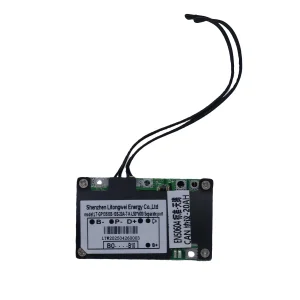
Explore our industrial battery management systems, intelligent communication boards, and microinverter technologies.
 Litongwei Electronic