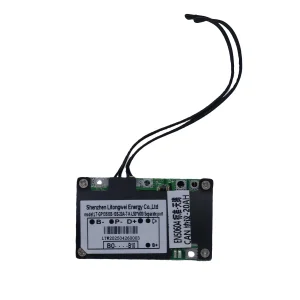
Select high-performance control systems and microgrid inverters engineered for long-term reliability.
The global energy landscape is undergoing a structural decentralization. Traditional grid infrastructures face escalating pressures from extreme weather patterns, capacity overloads, and geopolitical instabilities. In response, C&I (Commercial and Industrial) entities, public facilities, and remote communities are turning to autonomous microgrids. At the core of these self-sustaining systems is the Off-Grid Hybrid Inverter.
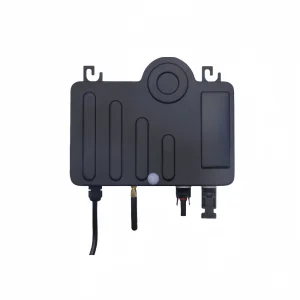
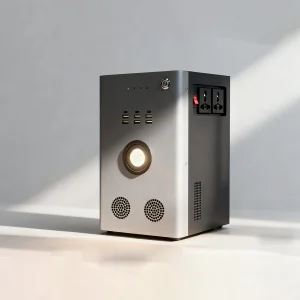
Modern off-grid hybrid inverters must serve as more than simple DC-to-AC conversion devices. They function as comprehensive dynamic energy orchestrators. By managing dual inputs from photovoltaic arrays and storage batteries alongside backup diesel generators or weak utility lines, these systems maximize local energy utilization while maintaining uninterrupted power supply (UPS) capabilities. To optimize Levelized Cost of Storage (LCOS), Tier-1 developers demand integration with advanced Battery Management Systems (BMS) to preserve state-of-health (SoH) metrics over multi-decade lifecycles.
Europe’s push for balcony PV systems, North America's peak shaving challenges, and APAC's isolated telecom grids have shaped regional demands. OEM manufacturers must move beyond standard assembly lines to supply highly customized, ruggedized units built to withstand diverse thermal profiles, varying grid conditions, and different international standards.
Exploring the integration of high-frequency conversion technologies and battery management safety features.
Provides stable, low-harmonic power supply (THD < 3%) to protect sensitive industrial equipment and medical electronics. High surge handling capacities enable the system to start demanding inductive loads, such as water pumps, air conditioners, and heavy motors, without voltage sags.
Advanced Maximum Power Point Tracking (MPPT) tracking algorithms deliver over 99.5% efficiency. Dynamic input adaptation ensures maximum power harvest even under challenging conditions, such as partial shading, cloud cover, and high thermal variations.
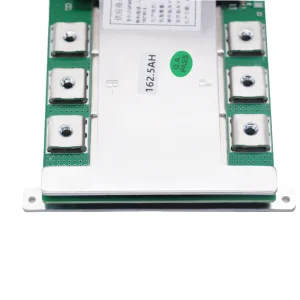
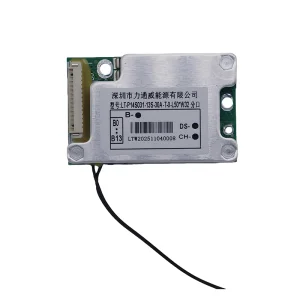
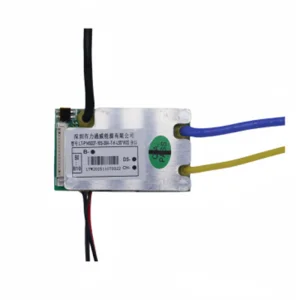
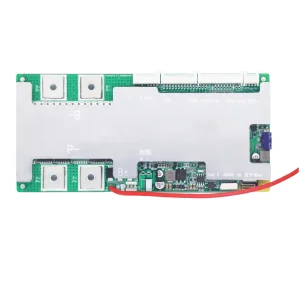
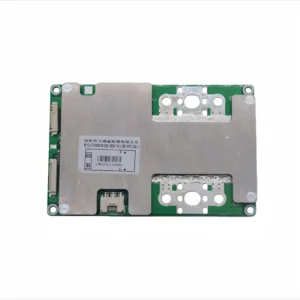
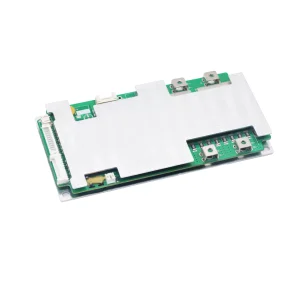
Seamless communication interface (CAN/RS485) between the inverter and battery system. Our specialized BMS offers cell-level balancing, high-resolution SOC/SOH estimation, NTC temperature monitoring, and active overcurrent protection, extending total battery lifecycle up to 30%.
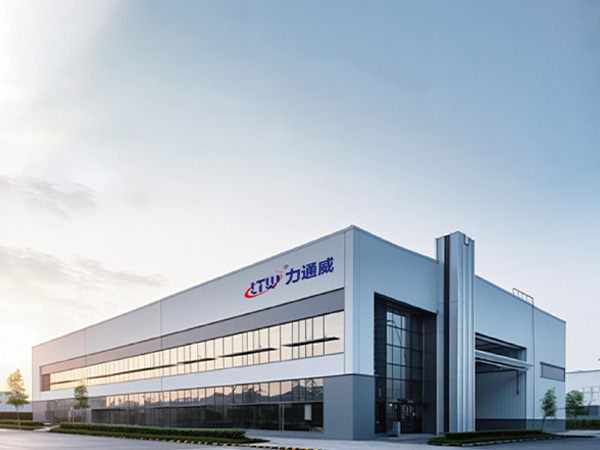
Founded in 2005, Shenzhen Litongwei Electronic Technology Co., Ltd. has evolved into a leading national high-tech enterprise. We focus on the R&D, manufacturing, and deployment of intelligent lithium-ion safety control systems and power conversion equipment.
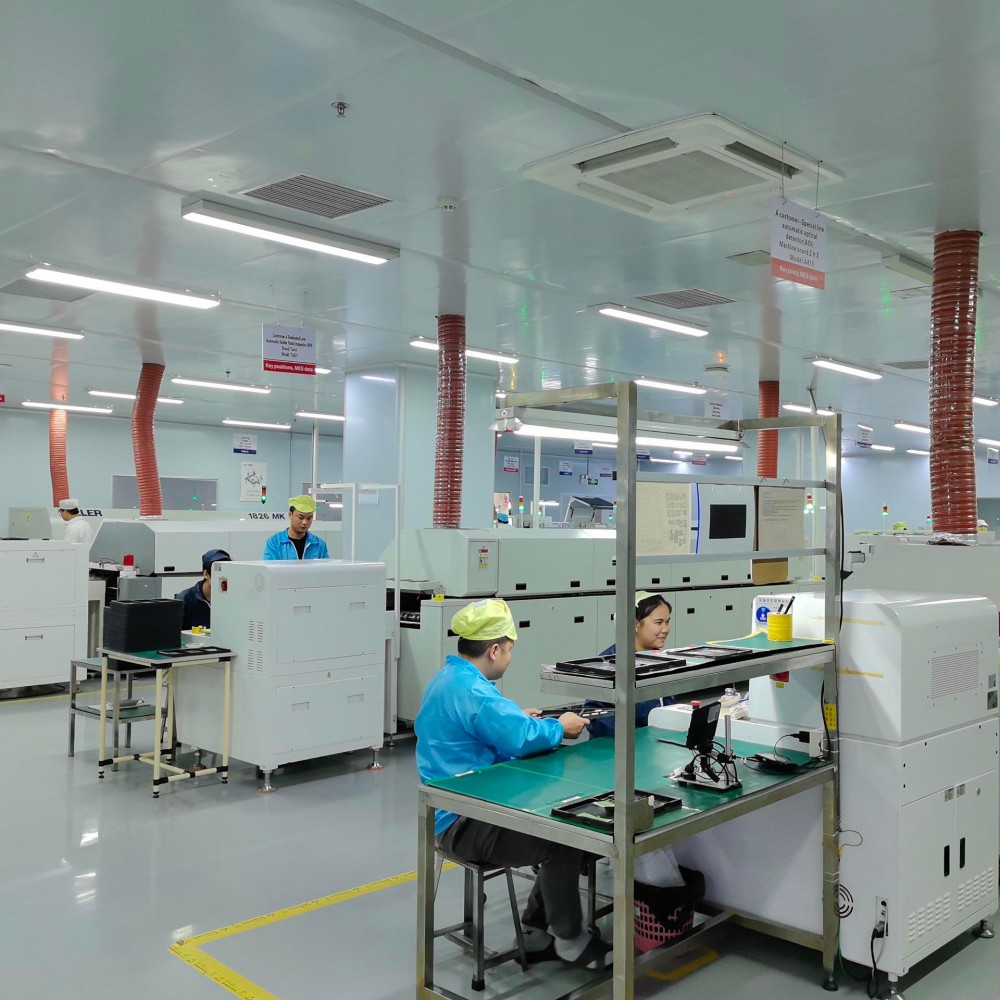
Our expansive industrial ecosystem is backed by two advanced manufacturing sites: a 13,000 square meter facility in Shenzhen and a 27,000 square meter site in Dongguan Huangjiang. Together, they house 24 high-speed pick-and-place assembly lines and 12 specialized PCBA lines, enabling a monthly output of over 15 million units.
To support global partners, we provide comprehensive industrial solutions: intellectual property collaboration to mitigate legal risk, industry-standard shared boards for cost optimization, end-to-end traceability, and cloud-integrated remote maintenance.
Under the leadership of our management team, LITONGWEI maintains a clear design philosophy: "Technology as King, Efficient Service". We design green energy solutions to support global environmental sustainability, helping communities secure their energy independence through reliable technology.
Commenced R&D and manufacturing of digital Battery Management Systems (BMS). Expanded into power battery management in 2006. Achieved ISO9001 and ISO14001 certifications.
Secured 8 utility and design patents. Established the Litongwei Technology Research Institute in 2012. Received the Del New Energy Quality Excellence Award.
Upgraded quality certifications to IATF16949. Implemented an MES system for automated logistics. Honored with the Guangdong Battery Industry Association Innovation Award.
Embraced IoT and Industry 4.0. Focused on the "Smart Manufacturing+" strategy to drive digitial transformation and upgrade energy management solutions.
Our high-frequency hybrid systems are designed for diverse, demanding environments worldwide.
Ensures reliable, clean backup power for base stations in remote areas. Our systems integrate with local battery reserves to handle voltage fluctuations and prevent system downtime.
Reduces high demand charges for factories and facilities by shifting energy consumption to stored battery reserves during peak-use periods.
Powers off-grid microgrids, combining local solar arrays and storage systems to provide consistent electricity without relying on traditional grid extensions.
We collaborate with top-tier brands to deliver reliable energy storage solutions worldwide.
Our customer-first approach has earned us long-term partnerships with leading companies, including Huawei, Lenovo, Desay, Guoguang, Sunwoda, Eve Energy, and Guoxuan High-tech.














Key technical considerations for off-grid hybrid energy storage systems.
Off-grid hybrid inverters operate independently from the public utility grid. They manage local power generation (solar PV) and storage (battery banks) simultaneously. Unlike standard grid-tie inverters—which shut down during blackouts for utility safety—hybrid systems keep running. They decouple the local load from the grid, switching to battery power within milliseconds to maintain uninterrupted operations.
Standard inverter-battery setups rely on rough voltage measurements to estimate the battery's state of charge (SoC). Over time, this method becomes inaccurate, leading to deep discharge or overcharging. By establishing communication between the inverter and a smart BMS via CAN or RS485 protocols, the system gains access to real-time, cell-level data. The inverter can adjust its charging and discharging currents dynamically, based on cell temperature, voltage limits, and health status, protecting the battery from premature wear.
Our intelligent BMS features multi-stage safety protection, including cell-level overvoltage and undervoltage protection, active overcurrent protection during charge and discharge, short-circuit protection, and integrated thermal run-away detection via NTC temperature sensors. For heavy-duty systems, we also incorporate Bluetooth monitoring and CAN bus interfaces to support remote system monitoring and diagnostics.
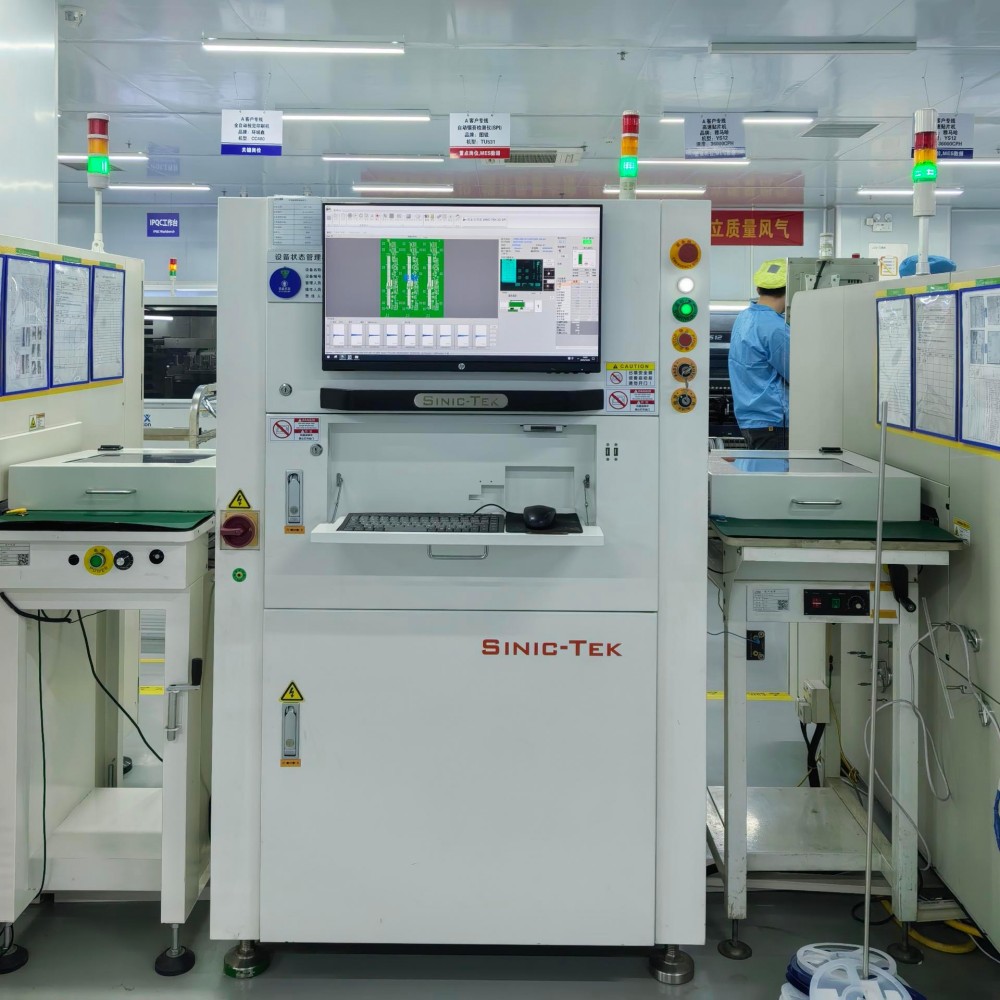
We use automated MES (Manufacturing Execution Systems) to track each step of production in our facilities, from raw materials to final functional testing. Equipped with 24 high-speed SMT lines and dedicated AOI (Automated Optical Inspection) systems, we verify the integrity of every solder joint and component placement. This automated workflow minimizes manual errors, helping us maintain a stable defect rate of under 100 PPM across large-scale runs.
High-current active balancing and thermal management systems for industrial battery storage.
 Litongwei Electronic