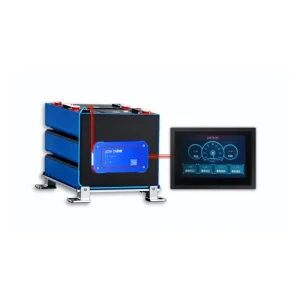
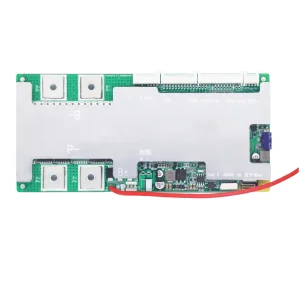
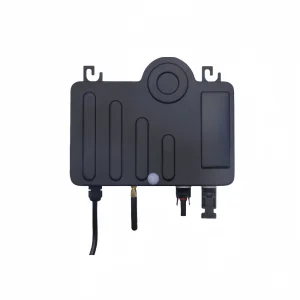
Explore our industrial-grade OEM/ODM product portfolio engineered for next-generation portable power stations and safety control architectures.
Understanding the micro-grid revolution, shifting market parameters, and macro-economic demand drivers.
The global demand for portable solar stations (also known as portable power generators or solar solar generators) has shifted from niche recreational outdoor use to critical infrastructure backup, emergency response systems, and localized micro-generation. Driving this transformation is the convergence of advanced high-density battery storage, smart BMS (Battery Management Systems), and micro-inverter technologies that operate at peak efficiencies exceeding 96.5%.
In highly industrialized areas, portable solar stations act as primary stabilizers during peak energy consumption cycles. By deploying these stations in commercial zones, companies mitigate high utility demand charges through localized battery dispatching. In developing economies, portable solar stations bypass the need for expensive centralized grid extensions, bringing reliable, clean power directly to clinics, agricultural zones, and communication hubs.
“E-E-A-T Technical Perspective: Achieving energy autonomy relies on the synergy between cell balancing and thermal management. A portable solar generator is only as robust as the BMS guarding its safety envelope. Without complex overcurrent, short-circuit, and anti-reverse protection, a field system is a reliability risk.”
Manufacturers in China, particularly high-tech clusters in Shenzhen and Dongguan, lead the supply chain by integrating research, cell testing, and automated surface-mount assembly (PCBA). These OEM/ODM hubs supply the global market with custom solutions designed to withstand extreme environments, certified under international standards such as UL, CE, UN38.3, and IATF 16949.
| System Architecture Parameter | Lithium Iron Phosphate (LFP) | Nickel Manganese Cobalt (NMC) | Solid-State Tech (Next-Gen) |
|---|---|---|---|
| Nominal Lifecycle (DOD 80%) | 3500 - 6000+ Cycles | 1000 - 2000 Cycles | 8000+ Cycles (Projected) |
| Energy Density (Wh/kg) | 140 - 180 Wh/kg | 220 - 260 Wh/kg | 350 - 500 Wh/kg |
| Thermal Runaway Threshold | 270°C (Extremely Stable) | 210°C (Requires Active Cooling) | Over 400°C (Inherently Safe) |
| Primary Application Profile | Industrial Backup, Stationary Storage | Ultra-lightweight portable gears | High-end space, defense, automotive |
Established in 2005, Litongwei is a national high-tech enterprise specializing in the R&D and manufacturing of lithium-ion safety control systems. Over nearly two decades, we have dedicated our engineering capabilities to developing state-of-the-art Battery Management Systems (BMS) and smart power control boards.
Our products are widely integrated across various industries, including 3C digital devices, electric scooters, bicycles, motorcycles, tricycles, golf carts, AGVs, drones, and heavy-duty power tools. We support our customers through a comprehensive value proposition: intellectual property protection (preventing patent infringement via collaborative design), industry-standard shared boards (drastically reducing cost while boosting yields), full-process traceability (strict quality control through MES execution), and remote cloud maintenance platforms.
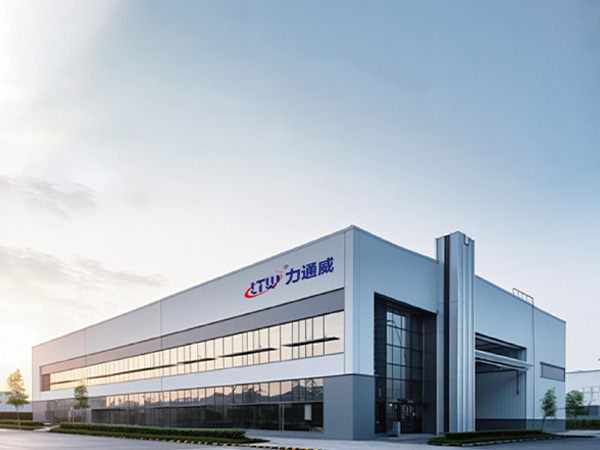
High-speed manufacturing facilities, deep research investments, and comprehensive IP safety.
Our facility in Shenzhen spans over 13,000 sqm of independent industrial space, augmented by a 27,000 sqm plant in Dongguan Huangjiang. Housing 24 high-speed pick-and-place assemblers, we scale production seamlessly for global OEM requirements.
Our research labs consistently target higher efficiency limits. By maintaining deep technology investments, we design micro-inverters boasting 96.5% conversions and robust BMS architectures with integrated CAN/Bluetooth telemetry.
We secure our customers' market positions through strict patent compliance and joint IP development. We offer mutual indemnity frameworks, helping you mitigate infringement risks in international jurisdictions like the USA and the European Union.
A history of engineering excellence, scaling from local assembly to global smart-manufacturing partnerships.
Litongwei commenced focused R&D on digital Battery Management Systems (BMS). By 2007, we obtained ISO9001 certification, expanding directly into large-scale power battery management systems by 2009 with ISO14001 certification.
The company secured 8 core utility model and design patents. In 2012, the Litongwei Technology Research Institute was founded. In 2014, we received the Del New Energy Quality Excellence Award, establishing ourselves as a Tier-1 industrial supplier.
We modernized our processes to meet IATF16949 automotive quality standards and deployed advanced Manufacturing Execution Systems (MES) for full-process component tracing. In 2019, we won the Innovation Award from the Guangdong Battery Industry Association.
With our Smart Manufacturing+ strategy, we integrated cloud-based IoT telemetry, active system diagnostics, and high-efficiency smart microgrids, partnering with the world's leading consumer electronic and utility brands.
"LITONGWEI has always adhered to the philosophy of 'Technology as King, Efficient Service' in all aspects of production and operations. Our vision is to become a provider of intelligent green energy management solutions, embracing environmental sustainability. Start with LITONGWEI!"
Providing the foundational elements that convert standard chemical cells into intelligent grid power assets.
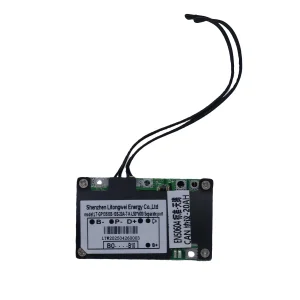
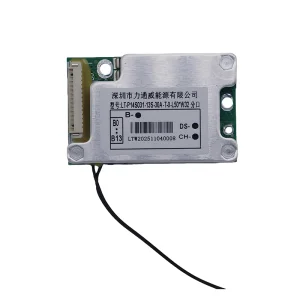
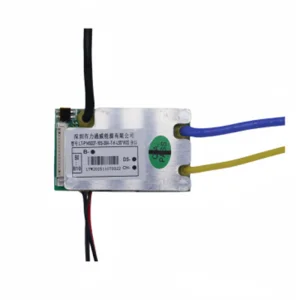
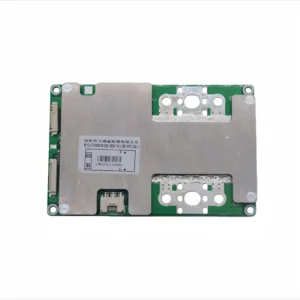
A portable solar generator is structurally dependent on cell stability. Modern lithium-ion configurations, particularly LiFePO4 packs containing up to 23 series configurations (e.g., LTW 23S 60A protection boards), require intelligent microcontrollers to constantly evaluate the state-of-health (SOH) and state-of-charge (SOC). By using integrated CAN communication and Bluetooth interfaces, our systems report metrics to local controllers and consumer mobile applications in real-time. High-power active balancing channels dissipate excess energy from over-charged cells to weaker cells, extending overall pack life by up to 30%.
Converting DC chemical energy into high-stability, pure sine wave AC output is the primary task of a portable station. By utilizing weatherproof IP67 Micro-Inverters that achieve conversion efficiencies up to 96.5%, Litongwei eliminates large, high-heat internal conversion modules. Our thermal designs reduce overall system weight, increase cooling efficiency, and minimize electromagnetic interference (EMI), matching the stringent requirements of medical gear and sensitive instrumentation.
Under E-E-A-T manufacturing criteria, trust is established through verifiable tracking. Our manufacturing lines run on proprietary MES software. Each battery protection board and micro-inverter is assigned a unique tracking identifier. Every step of assembly, from solder paste inspection (SPI) and SMT component placement to automated optical inspection (AOI) and high-load burn-in testing, is recorded. If a product displays anomalies in the field, its entire manufacturing genealogy can be retrieved instantly, allowing for rapid root-cause analysis.
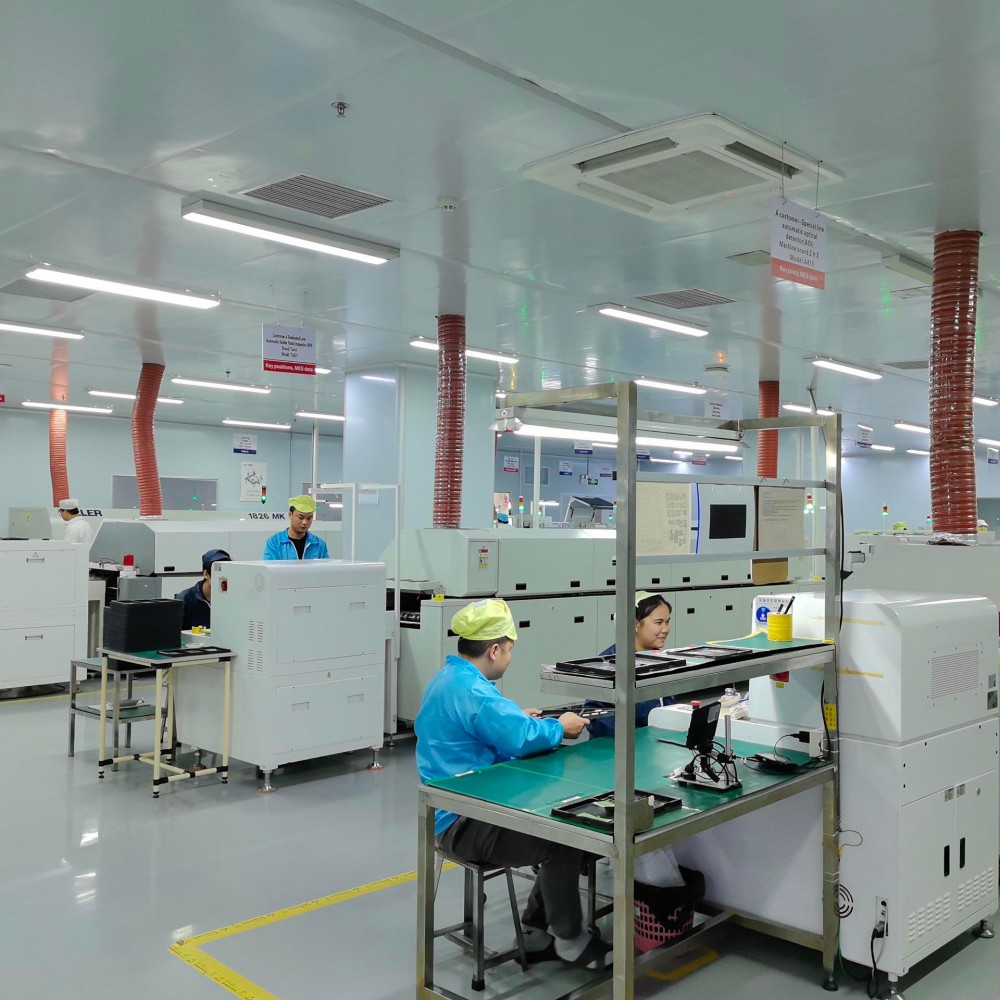
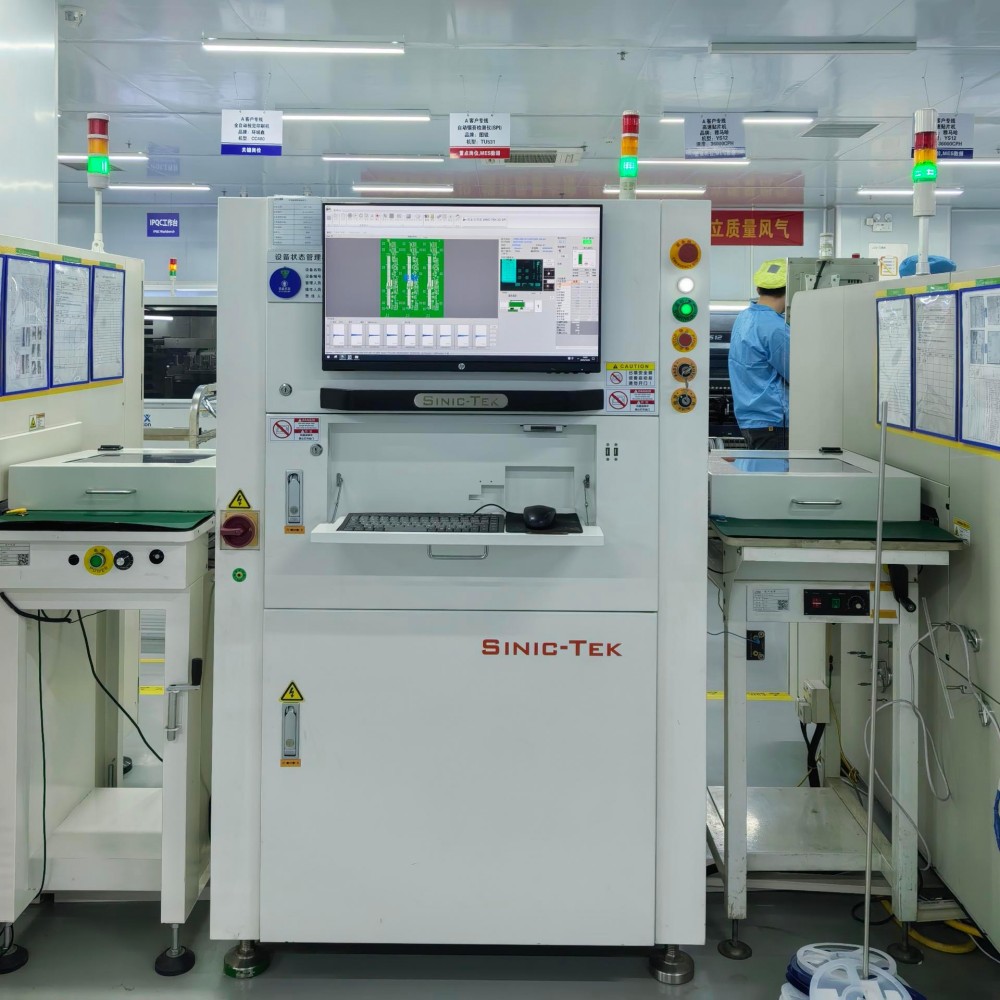
We work closely with global industry leaders to supply reliable power management solutions.
Litongwei's long-term partners include Huawei, Lenovo, Desay, Guoguang, Sunwoda, Eve Energy, Guoxuan High-tech, and other leading brands who have trusted us with their core power safety requirements for many years.












Technical guidance for global procurement officers, battery engineers, and OEM coordinators.
Explore the remaining core systems from our production lines, built for extreme environmental durability.
 Litongwei Electronic