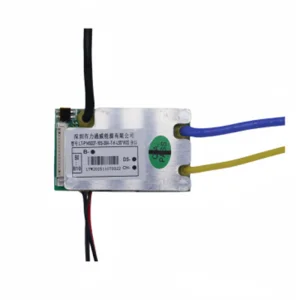
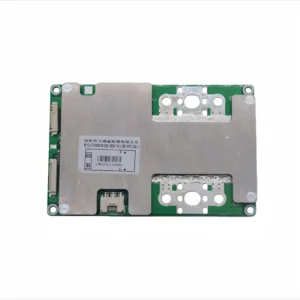
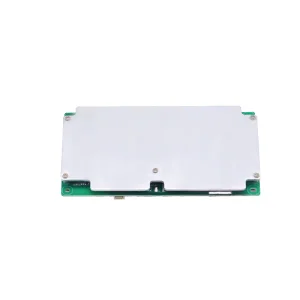
Explore our premium range of lithium battery protection boards, smart BMS modules, and micro-inverters engineered for high-performance applications.
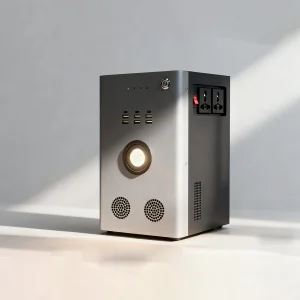
The global transition toward decentralized clean energy has accelerated the demand for intelligent energy systems. At the center of this revolution lies the OEM power station—a highly integrated technology stack requiring robust cell architectures, efficient thermal management, and sophisticated battery protection systems. As key drivers of this sector, leading OEM power station suppliers and companies must look beyond simple assembly and focus on the core intelligence of the power units: the Battery Management System (BMS).
A portable power station or home battery pack is only as reliable as its safety control mechanism. Without advanced state-of-charge (SOC) telemetry, active balancing configurations, and high-performance communication protocols (such as CAN, RS485, and Bluetooth), hardware is highly susceptible to efficiency degradation or catastrophic failure. In this comprehensive industry whitepaper, we dissect the critical manufacturing parameters, compliance frameworks, supply chain dynamics, and technological choices that define world-class OEM power station manufacturing.
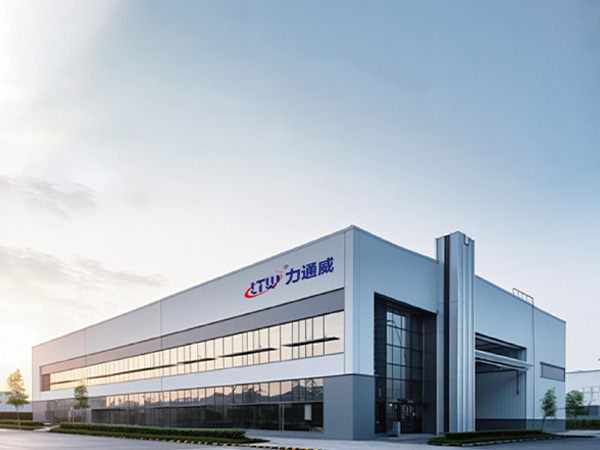
Established in 2005, Shenzhen Litongwei Electronic Technology Co., Ltd. is a national high-tech enterprise specializing in the R&D and manufacturing of lithium-ion safety control systems.
Litongwei has consistently operated at the forefront of power management engineering. Our vision is to become a leading provider of intelligent green energy management solutions, embracing environmental sustainability. By dedicating over 10% of our annual sales to research and development for five consecutive years, we have achieved comprehensive technological breakthroughs. Our robust patent portfolio features over 100 patents in the lithium-ion protection board space, covering complex analog and digital circuitry, unique automated test platforms, and custom algorithm integration.
Technology-driven growth. In 2005, the company commenced R&D and manufacturing of digital Battery Management Systems (BMS). By 2006, it expanded into power battery management system development. ISO9001 certification was obtained in 2007, followed by ISO14001 certification in 2009.
Technological advancement. The company secured 8 utility model and design patents in 2011, while expanding its mobile power bank manufacturing operations. The Litongwei Technology Research Institute was established in 2012. It received the Del New Energy Quality Excellence Award in 2014 and earned the Gold Partner title from Gaogong Lithium Battery in 2015.
Digital transformation. The company upgraded its ISO 9001 and ISO14001 certifications in 2016, achieved IATF16949 certification in 2018, and implemented an MES system for warehouse automation. It was awarded the Guangdong Battery Industry Association Innovation Award in 2019 and recognized as a leading brand in lithium battery protection board technology for two-wheeled vehicles in 2020.
Smart Manufacturing+. Litongwei Electronics continues to innovate, deepening its technological expertise while embracing IoT and Industry 4.0. Through its Smart Manufacturing+ strategy, the company drives industrial transformation and upgrading.
Building long-term engineering and commercial partnerships with top-tier technology and battery companies demonstrates our commitment to industrial quality. Litongwei's partners include Huawei, Lenovo, Desay, Guoguang, Sunwoda, Eve Energy, Guoxuan High-tech, and other leading industry brand clients who have collaborated for many years.












Why leading global consumer electronics and energy storage brands choose our advanced production facilities in Southern China.
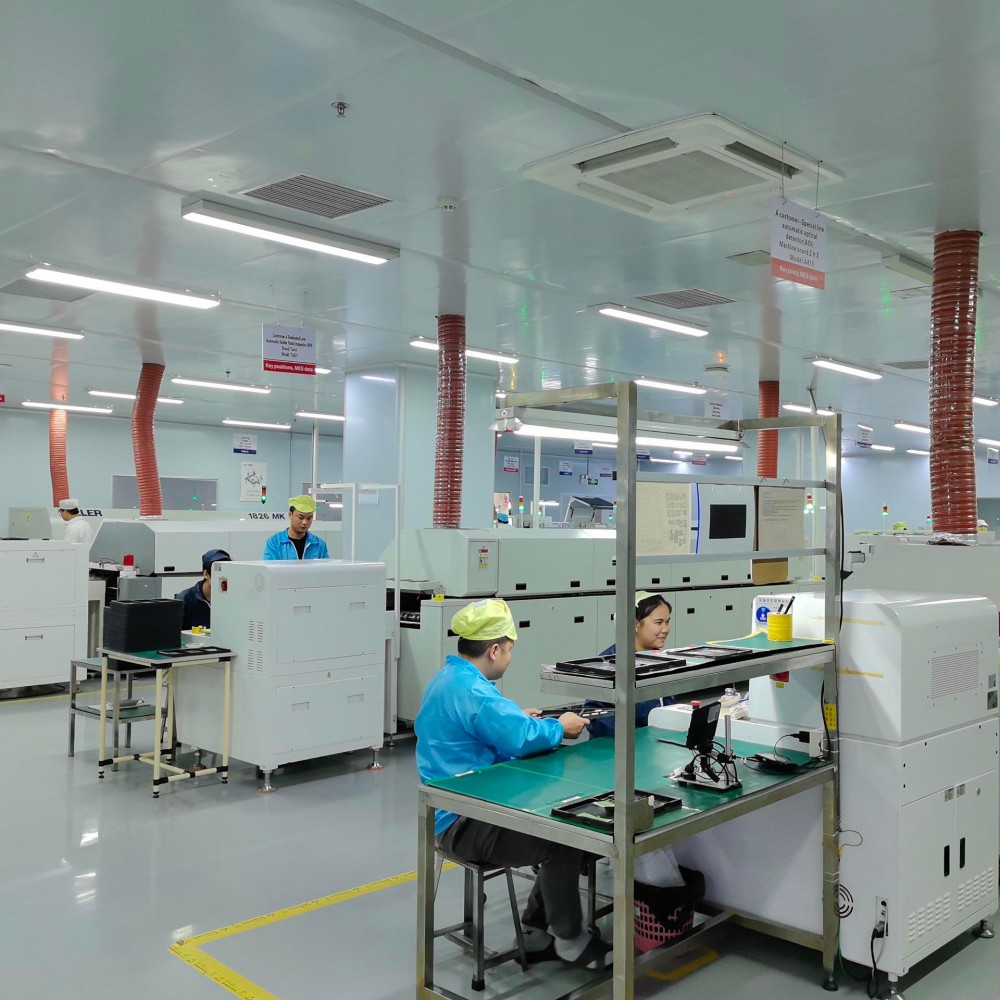
Our dual-base manufacturing infrastructure includes a 13,000 square meter high-tech facility in Shenzhen and a massive 27,000 square meter manufacturing campus in Dongguan Huangjiang. These sites run around-the-clock assembly under strict environmental and quality controls.
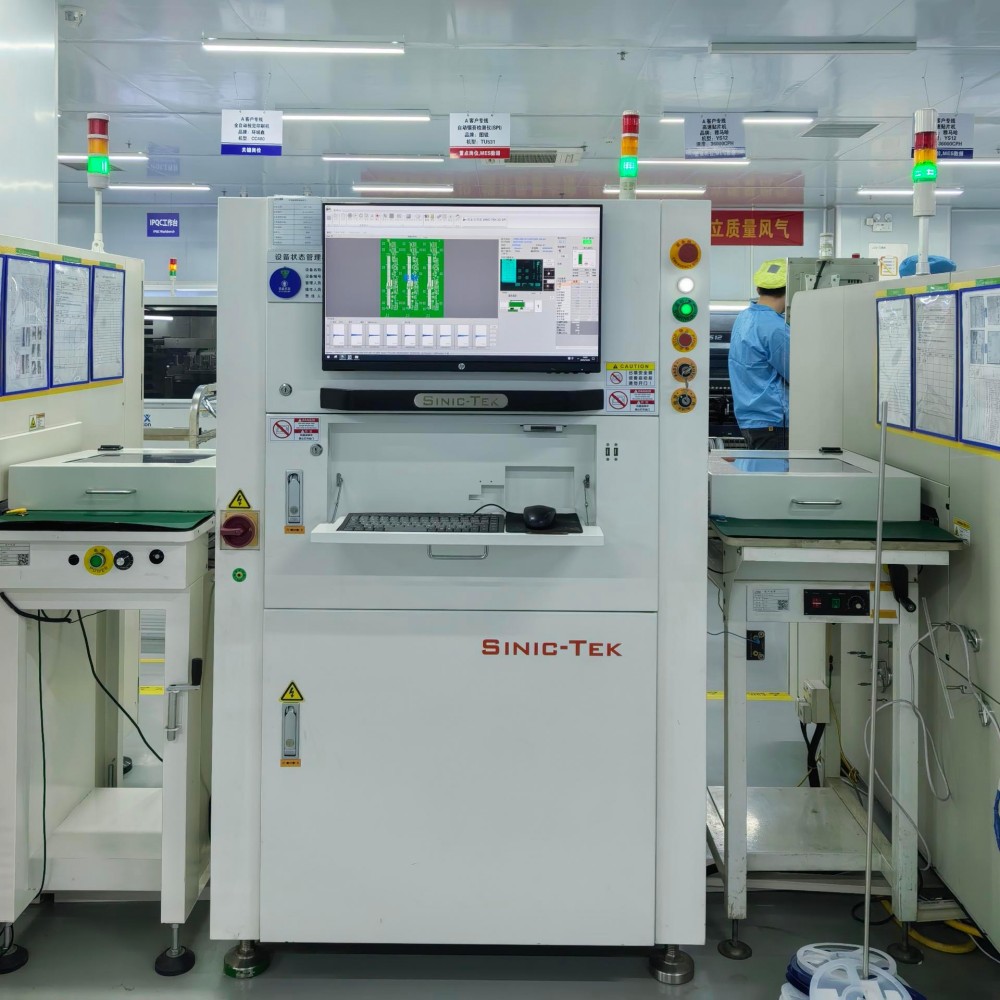
Equipped with 24 advanced high-speed pick-and-place (SMT) machines and 12 specialized PCBA production lines, our factories offer high precision and operational flexibility. We run automated optical inspection (AOI) systems alongside functional testing rigs on every batch.
With highly integrated automated lines and reliable component supply networks, our monthly output exceeds 15 million protection units. This scale allows us to efficiently handle large global orders without sacrificing product quality.
Analyzing localized certifications, hardware topography, and key specifications required by tier-1 global distributors.
For OEM power stations operating in North America, Europe, and the APAC region, compliance is a prerequisite for market entry. Leading suppliers must design components that satisfy several standard-level frameworks:
Modern power stations demand high cell integration. Litongwei's advanced portfolio provides precise safety options across multiple topographies:
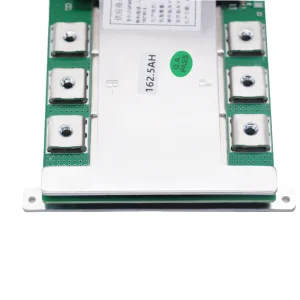
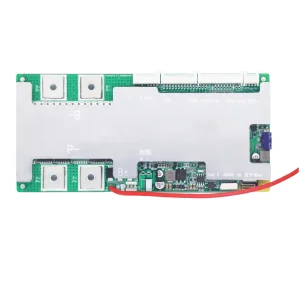
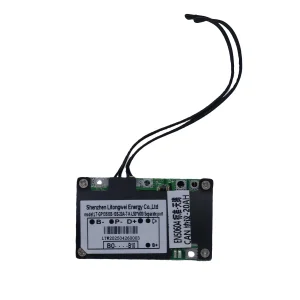
High-Voltage Topologies (20S - 23S): Ideal for high-output setups (such as electric utility carts or industrial battery banks), utilizing 20S 200A or 23S 60A protection boards to handle high current loads while minimizing copper heating loss.
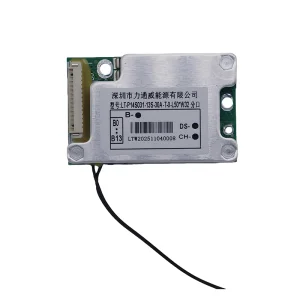
Low-to-Mid Range Topologies (10S - 13S): Tailored for electric mobility, e-scooters, and small backup systems. Uses 13S 30A configurations with active NTC temperature sensing to protect cell packs from overcharging.
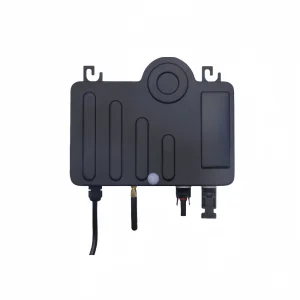
Micro-Inverters & Balcony Power: Highly efficient systems operating at 96.5% conversion efficiency with IP67 weatherproof packaging, designed to integrate seamlessly into residential solar setups.
How our BMS and micro-inverter designs address distinct operational challenges in various regional markets.
In high-density European cities, balcony solar power plants are widely used. These systems require compact, weather-sealed components. Our OEM LTWSmart Micro Inverter features IP67 weatherproof protection and 96.5% efficiency. It integrates with smart BMS units to allow users to feed solar power directly into their home circuits, minimizing energy loss.
Industrial logistics vehicles require continuous peak current delivery and vibration protection. Our custom 20S 200A Protection Board with Bluetooth telemetry and active balancing prevents cell mismatch during rapid start-stop cycles. This extends battery pack life by up to 35% in demanding environment applications.
For camping, outdoor recreation, and disaster recovery, portable power stations must operate reliably in variable climates. Litongwei's BMS features built-in heating systems that enable batteries to charge and discharge safely in sub-zero temperatures. This makes them ideal for markets in North America and Northern Europe.
Leading innovations that will shape the design and deployment of portable power stations and smart energy networks.
Future BMS systems will go beyond static thresholds. Machine learning models on cloud platforms will predict cell degradation, identify internal short risks, and dynamically adjust charge cycles to prolong battery life.
As solid-state chemistry transitions to commercial production, next-generation protection boards will adapt to higher energy densities and unique voltage curves.
OEM power stations will increasingly communicate with local power grids, enabling two-way power transfers (Vehicle-to-Everything/V2X) to support peak load shaving.
Modular architectures are becoming standard, allowing technicians to swap individual components or cells. This design approach reduces electronic waste and supports second-life applications.
Clear, direct answers to common engineering, testing, and supply chain questions from OEM product developers.
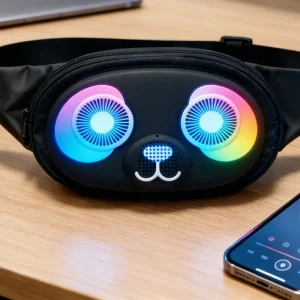
Explore our additional range of portable power banks, smart protective boards, and integrated audio accessories for outdoor use.
 Litongwei Electronic