In an era defined by hyper-connectivity and the rapid electrification of both consumer and industrial ecosystems, the demand for highly reliable, safe, and efficient power storage has surged exponentially. The market for small portable chargers and customized Battery Management Systems (BMS) is no longer confined to basic consumer electronics. Today, it encapsulates critical infrastructure across diverse sectors, including micro-mobility (electric scooters, bicycles, e-motorcycles), industrial automation (Automated Guided Vehicles - AGVs), drone technologies, and decentralized off-grid emergency power units.
According to global energy storage research, the market for lithium-ion battery safety control systems and portable power interfaces is driven by strict international safety protocols and the transition toward localized green energy storage. As an OEM Small Portable Charger Manufacturer, addressing this demand requires a profound synthesis of hardware safety, smart firmware engineering, and scalable manufacturing. Enterprises worldwide are searching for dynamic manufacturing partners capable of balancing technological sophistication with strict cost-to-performance optimization.
Regulatory shifts in North America, Europe, and Asia-Pacific have further intensified compliance demands. Manufacturers are now required to integrate multi-tiered protection mechanisms—ranging from basic over-voltage shutoffs to cloud-linked thermal runaway predictions. By addressing these needs through structured OEM/ODM channels, suppliers can deliver tailored products that bypass traditional supply chain inefficiencies and safeguard corporate IP.
At the heart of every portable power bank and small charger assembly sits the Battery Management System (BMS). The BMS determines not only the functional lifespan of the battery cells but also the absolute safety profile of the final product. As established by industry protocols, specialized protection boards balance cell voltages, manage thermal thresholds, and prevent irreversible degradation of lithium compounds.
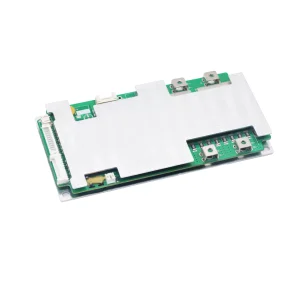
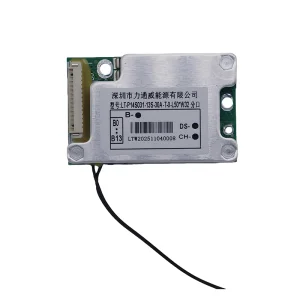
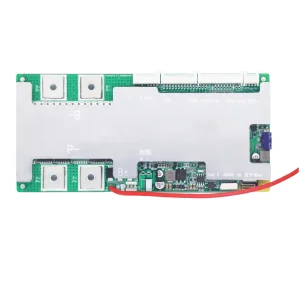
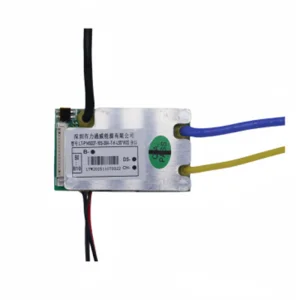
Widely deployed in light electric mobility solutions, such as electric bikes and telecom backup configurations. Systems like the LTW 13S 30A feature anti-reverse connection protection and specialized NTC control to prevent localized hot spots during rapid charge/discharge cycles.
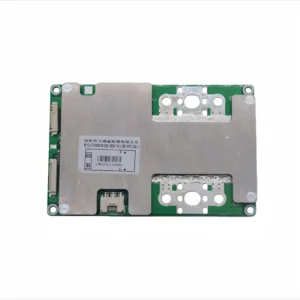
Designed for heavier industrial loads, including electric scooters, e-trikes, and professional power tools. Boards like the LTW 20S 100A/120A support intelligent heating protocols and dual-channel temperature monitoring to ensure stability down to -20°C.
Featuring integrated Bluetooth and One-Line configuration communication protocols. Real-time telemetry allows field operators to monitor state-of-health (SOH), state-of-charge (SOC), and balance parameters remotely through smartphone applications or central cloud interfaces.
The scope of custom energy storage spans several key vertical markets. As a premium manufacturer, our OEM solutions are designed to tackle specific operational challenges faced by operators across the globe:
With the global surge in urban delivery networks, electric cargo tricycles, bicycles, and scooters are under constant utilization. These fleets demand battery systems that can handle quick turnarounds and rapid swaps. Implementing highly configured BMS boards (such as the 13S and 20S configurations) ensures that commercial transport fleets remain operational, charging times are reduced, and fire hazards in charging depots are eliminated.
In modern logistics warehouses, Automated Guided Vehicles (AGVs) work 24/7. Standard battery solutions cannot withstand the high-current cycles and constant opportunity charging required by automated fleets. Custom BMS configurations with high discharge capabilities (100A to 120A continuous) enable AGVs to operate at maximum efficiency with minimal thermal buildup.
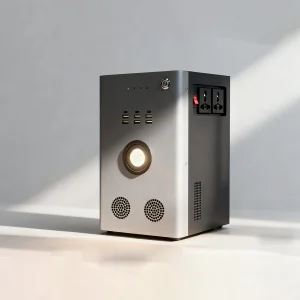
For outdoor recreational use or emergency preparedness, portable power stations with 1 kWh capacity and 500W bidirectional inverters bridge the gap between traditional generators and portable devices. Integrated with PV solar inputs, these systems supply reliable AC/DC power for field diagnostics, emergency medical equipment, and off-grid workspaces.
Established in 2005, Shenzhen Litongwei Electronic Technology Co., Ltd. is a national high-tech enterprise specializing in the R&D and manufacturing of lithium-ion safety control systems. Over the past two decades, we have committed ourselves to resolving safety, control, and efficiency challenges within the global energy ecosystem. Our product portfolio is highly versatile, serving industries such as 3C digital devices, electric scooters, bicycles, motorcycles, tricycles, golf carts, AGVs, drones, and power tools.
By choosing Litongwei as your manufacturing and engineering partner, you benefit from our comprehensive four-tier system integration:
Our manufacturing power is split across two state-of-the-art facilities: our head headquarters in Shenzhen features over 13,000 square meters of specialized development and production space, and our Dongguan Huangjiang campus spans an additional 27,000 square meters. These operations are equipped with 24 high-speed SMT pick-and-place machines and 12 fully automated PCBA production lines, allowing Litongwei's monthly capacity to scale over 15 million units. This massive output is backed by a continuous investment of more than 10% of annual sales into research and development for five consecutive years.
In 2005, the company commenced R&D and manufacturing of digital Battery Management Systems (BMS). Recognizing the potential of high-density lithium configurations, we expanded into power battery management system development in 2006. Industrial credentials followed quickly, with ISO9001 certification obtained in 2007 and ISO14001 environmental certification secured in 2009.
During this period, the company expanded its mobile power bank manufacturing operations. In 2011, we secured 8 utility model and design patents. To drive further engineering excellence, the Litongwei Technology Research Institute was established in 2012. Our contributions were recognized with the Del New Energy Quality Excellence Award in 2014 and the Gold Partner title from Gaogong Lithium Battery in 2015.
In 2016, we upgraded our ISO9001 and ISO14001 certifications. We achieved the stringent automotive-grade IATF16949 certification in 2018 and implemented our central MES system for warehouse and production line automation. The decade closed with the Guangdong Battery Industry Association Innovation Award in 2019, followed by recognition as the leading brand in lithium battery protection board technology for two-wheeled vehicles in 2020.
Litongwei Electronics continues to innovate, deepening its technological expertise while embracing IoT, remote telemetry, and Industry 4.0. Through our "Smart Manufacturing+" strategy, we drive ongoing industrial transformation to serve global Tier-1 brands with higher precision.
Over two decades of dedication to quality and technological innovation has earned us the trust of major global brands. Litongwei's partners include Huawei, Lenovo, Desay, Guoguang, Sunwoda, Eve Energy, Guoxuan High-tech, and other industry leaders who have collaborated with us for many years.







The portable charging and battery control systems sector is transitioning toward smarter, safer, and more integrated solutions. To support industrial procurement teams, Litongwei has outlined key engineering trajectories for the coming years:
Future iterations of portable chargers will utilize GaN semiconductor technology to achieve superior energy conversion metrics within smaller footprints. This lowers cooling requirements and allows developers to increase charging density in consumer and industrial portable chargers.
BMS boards are transitioning from basic safety switches to predictive monitors. By using built-in algorithms, future systems will estimate precise thermal runaways and calculate internal cell resistance deviations. This allows operators of micro-mobility fleets and automated logistics centers to swap batteries proactively, minimizing operational downtime.
As solid-state lithium-metal batteries move toward mass production, safety control architectures must adapt. Our engineering team is testing firmware adjustments optimized for solid-state charge/discharge curves to ensure safety parameters match tomorrow's battery chemistry.
 Litongwei Electronic