Deploy high-efficiency module-level power electronics and intelligent battery management systems certified for global micro-grid and solar applications.
The global renewable energy sector is experiencing a monumental transition from centralized, high-voltage solar string architectures to safer, decentralized topologies. Under the category of Module-Level Power Electronics (MLPE), solar cell microinverters represent the vanguard of this engineering shift. Traditional central and string inverter setups expose residential and commercial grids to massive DC hazards, up to 1000V DC, which introduce significant fire hazards, degradation via PID (Potential Induced Degradation), and substantial efficiency bottlenecks from partial shading.
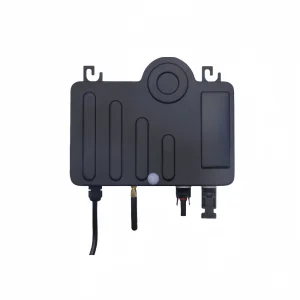
A solar cell microinverter addresses these structural limitations by pairing directly with individual photovoltaic panels. Through local Maximum Power Point Tracking (MPPT) logic, each microinverter performs localized DC-to-AC conversion. This isolates voltage differentials, mitigates the "weakest link" performance losses caused by dust, cloud cover, or minor debris on individual panels, and delivers grid-ready AC output at safer operational ranges. For commercial, industrial, and residential applications, this decentralized design boosts solar yield by 5% to 25% over the system's operational lifetime.
For multinational solar equipment distributors, solar project developers, and system integrators, selecting an OEM Solar Cell Micro Inverter Supplier & Company is no longer simply about per-unit manufacturing costs. Global sourcing agents evaluate partners based on a matrix of design flexibility, grid compliance compatibility, supply chain resilience, and hardware-software security.
How our microinverters and smart battery management systems (BMS) integrate to optimize modern clean energy architectures.
Utilizing high-frequency LLC resonant soft-switching topologies and integrated Gallium Nitride (GaN) components to achieve exceptional power conversion efficiency with minimal thermal emissions.
Die-cast aluminum enclosures filled with thermally conductive silicone potting guarantee structural integrity, dust exclusion, and water resistance in demanding conditions.
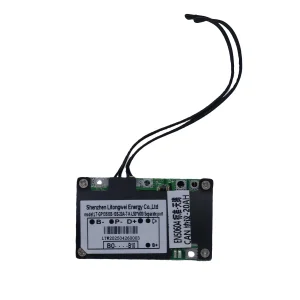
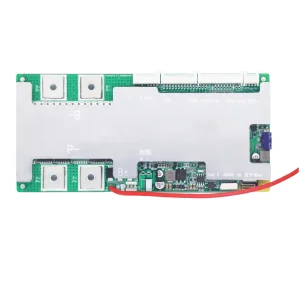
Direct communication via CAN/Bluetooth protocols with Litongwei smart protection boards (20S/23S) ensures perfect charge/discharge rate coordination for energy storage systems.
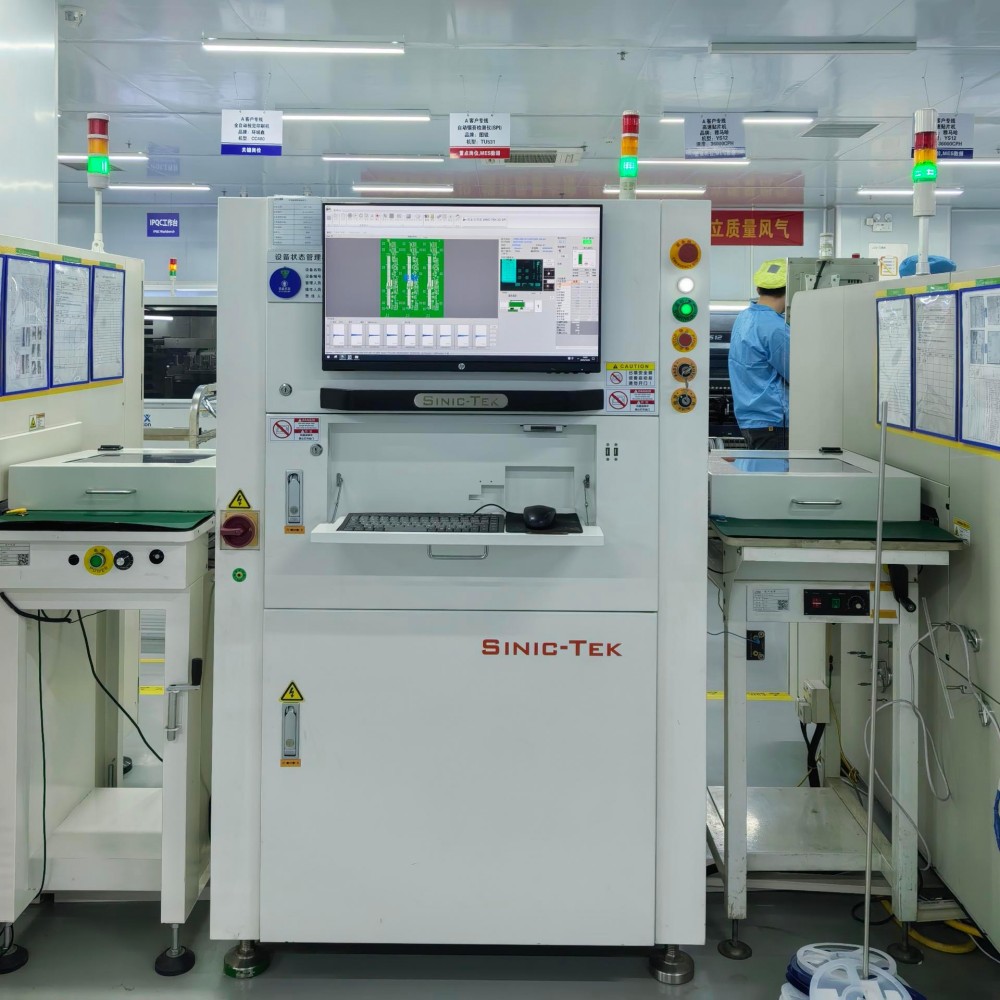
Managed via automated Manufacturing Execution Systems (MES) to guarantee component-level tracking, quality control, and simplified field maintenance over the lifecycle.
The clean energy ecosystem is shifting towards combined solar and storage generation. Modern distributed systems rely on AC-coupled microgrid topologies where microinverters work alongside battery energy storage systems (BESS). This architecture allows commercial entities and homeowners to maximize self-consumption, participate in peak-shaving, and secure reliable backup power during outages.
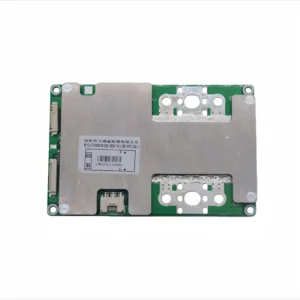
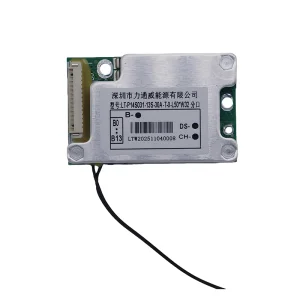
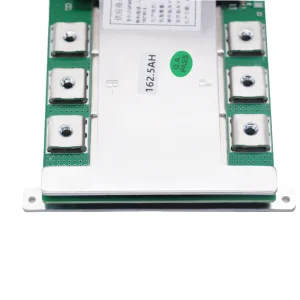
At the heart of this integration is the interface between the solar PV system and the battery bank. Shenzhen Litongwei Electronic Technology Co., Ltd. specializes in designing and manufacturing high-performance lithium-ion safety control systems and BMS. By combining microinverter technology with intelligent BMS platforms—such as our 20S 100A, 20S 200A, or 23S 60A smart BMS—we deliver a unified power and battery management solution.
Our intelligent protection boards use advanced NTC thermal sensors, real-time CAN bus telemetry, and Bluetooth-enabled monitoring. This allows real-time communication between the battery pack and the microinverter, protecting against overcharge, overdischarge, and thermal runaway, while optimizing charging efficiency.
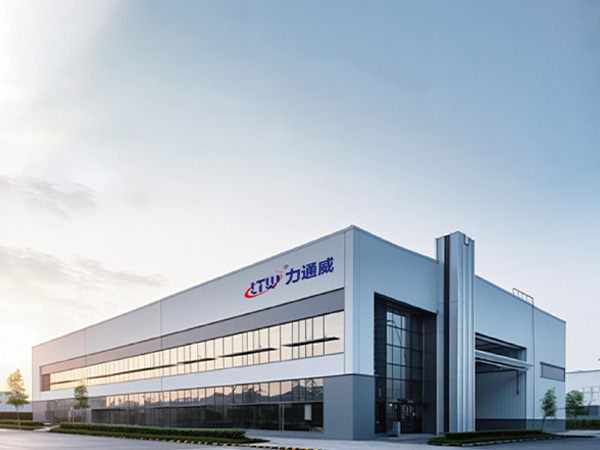
Established in 2005, Shenzhen Litongwei Electronic Technology Co., Ltd. is recognized as a national high-tech enterprise. We focus on the research, development, and manufacturing of lithium-ion safety control systems. Over the years, we have expanded our expertise to serve key clean energy and e-mobility markets globally.
Our safety control solutions are deployed across a wide range of demanding sectors:
We address common technical and commercial pain points for our partners through targeted strategies:

Two decades of steady innovation, shifting from digital BMS manufacturing to smart energy management systems.
In 2005, Litongwei launched R&D for digital Battery Management Systems (BMS). We expanded into power battery management in 2006, achieved ISO9001 certification in 2007, and secured ISO14001 certification in 2009.
Secured 8 utility model and design patents in 2011 while expanding mobile power operations. Established the Litongwei Technology Research Institute in 2012. Honored with the Del New Energy Quality Excellence Award in 2014 and named Gold Partner by Gaogong Lithium Battery in 2015.
Upgraded ISO 9001 and ISO14001 certifications in 2016, obtained IATF16949 automotive quality certification in 2018, and deployed our MES system for warehouse automation. Received the Guangdong Battery Industry Association Innovation Award in 2019.
Implementing our "Smart Manufacturing+" strategy, integrating IoT, cloud diagnostics, and AI-driven MPPT topologies to support global off-grid and microgrid markets.
Industrial scale, consistent R&D investment, and strong IP protections define our long-term customer partnerships.
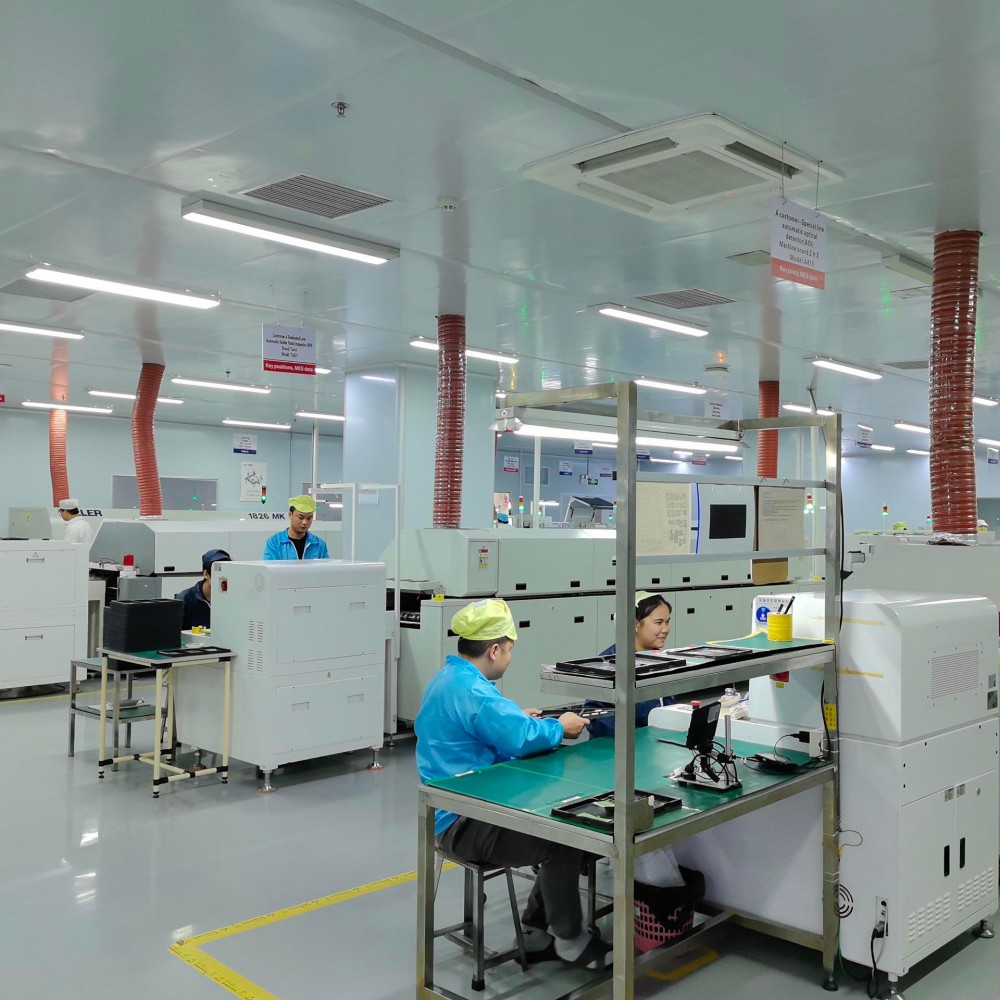
Our Shenzhen headquarters features over 13,000 square meters of independent manufacturing space. This is supported by our 27,000-square-meter facility in Dongguan Huangjiang, housing 24 high-speed SMT placement lines and 12 PCBA assembly lines. Together, they deliver a monthly capacity of over 15 million units.
We reinvest over 10% of annual sales revenue back into our R&D laboratories every year. This funding supports our teams in exploring active cell balancing, advanced thermal management, and highly efficient microinverter topologies.
With over 100 patents in battery protection circuit design, automation programming, and utility systems, we provide our OEM/ODM customers with a solid patent framework that mitigates market entry risks.
We work closely with global industry brands to ensure reliability across consumer and grid applications.





Common questions regarding integration, certification, and technical specifications for grid engineering.
High-durability control systems and microinverters engineered for modern residential and industrial solar projects.
 Litongwei Electronic