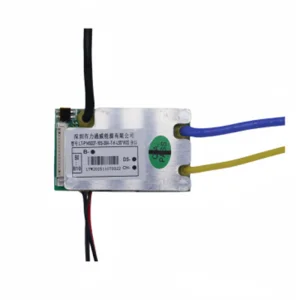
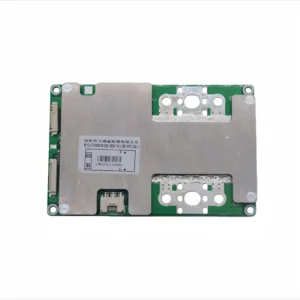
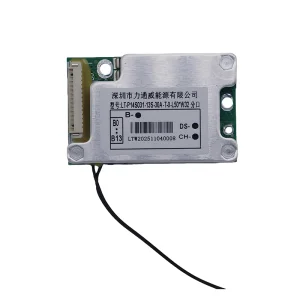
Deploy high-durability safety controllers optimized for solar chargers, portable battery packs, and high-efficiency micro-inverters.
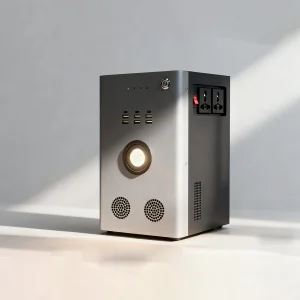
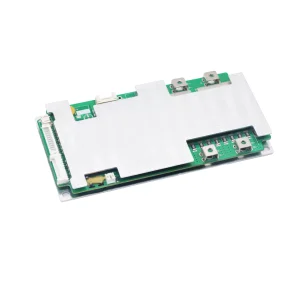
As the global transition to renewable energy accelerates, the demand for high-performance OEM Solar Charger Power Solutions is expanding from simple consumer accessories to sophisticated, integrated green energy ecosystems. The core of solar charging technology lies in its stability, energy conversion efficiency, and advanced protection systems that govern charge and discharge cycles.
At Shenzhen Litongwei Electronic Technology Co., Ltd. (established in 2005), we address the critical pain points of industrial procurement managers, engineering designers, and brand managers. We specialize in designing intelligent safety architectures for lithium-ion battery configurations, providing the reliable hardware foundation that global solar charger companies need to scale operations securely.
Established in 2005, Shenzhen Litongwei Electronic Technology Co., Ltd. is a national high-tech enterprise dedicated to the R&D and manufacturing of advanced lithium-ion safety control systems. With nearly two decades of precision manufacturing, we design safety systems that power 3C digital products, electric scooters, bicycles, motorcycles, golf carts, AGVs (Automated Guided Vehicles), unmanned aerial vehicles (drones), and heavy-duty power tools.
As an industry-preferred partner for global solar charger power systems, we mitigate customer technical hurdles through high-reliability custom designs, patent-protected circuit configurations, and integrated hardware architectures. By integrating IATF 16949 automotive-grade quality standards, we deliver unmatched battery safety to our clients.
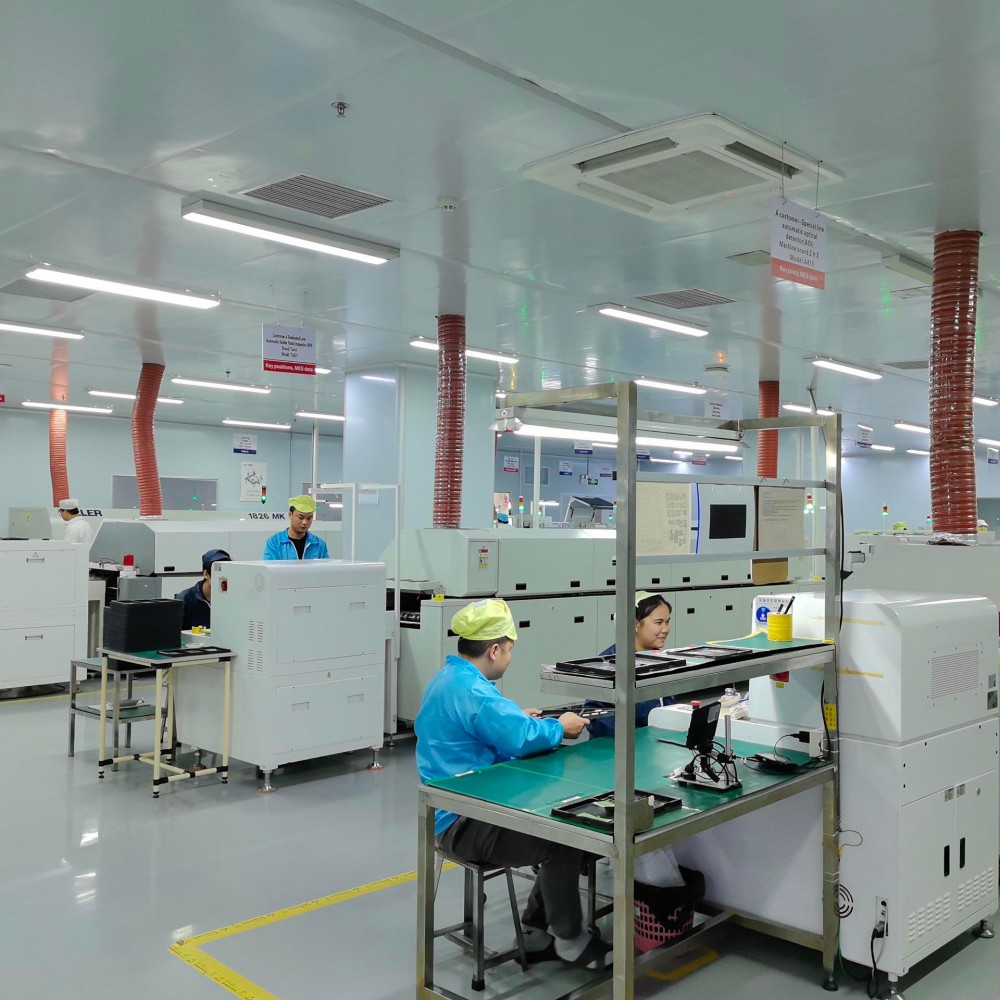
Delivering industrial-scale production volumes with high-speed precision equipment across two advanced manufacturing bases in South China.
Sourcing your OEM solar charger power platforms from China delivers major advantages in supply-chain integration, cost structure optimization, and technology deployment speed:
Litongwei is located in the Shenzhen-Dongguan electronics cluster, giving us direct access to high-grade MOSFETs, premium ICs, precision resistors, and raw PCBA substrates. This geographical proximity reduces transit times and helps mitigate global logistics risks.
We hold over 100 patents in battery safety control, smart circuit structures, and testing programs. We collaborate closely with OEM partners to co-develop unique circuit topologies, ensuring product differentiation while avoiding infringement risks in export markets.
To assist small and medium brands, we offer industry-standard "shared board" configurations. By leveraging our pre-engineered BMS designs, clients can drastically reduce initial NRE tooling costs and fast-track their time-to-market.
Staying ahead in the renewable energy sector requires adapting to new regulatory environments, shifting consumer behaviors, and rapid technological breakthroughs. The solar power industry is currently undergoing a shift in energy storage and power management trends:
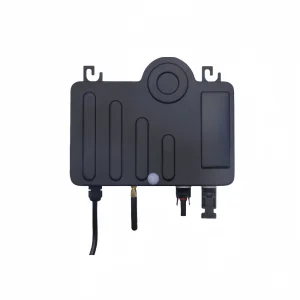
In highly urbanized regions such as Western Europe, residential balcony solar systems have become a major consumer segment. Consumers require high-efficiency micro-inverters (up to 96.5% efficiency) with IP67 weatherproof ratings to convert solar DC directly to grid AC safely and reliably in all outdoor conditions.
Traditional charging systems convert solar energy through multiple lossy stages. The industry is rapidly adopting single-cell portable energy storage systems with 500W-1000W bidirectional inverters. These allow unified charge/discharge pathways, minimizing thermal dissipation and boosting round-trip efficiency.
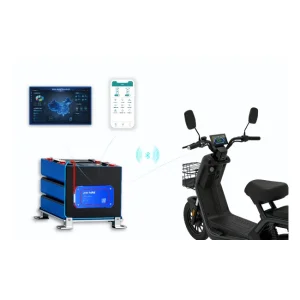
Modern battery packs are expected to communicate status in real-time. Integrating CAN bus, RS485, and Bluetooth communication links directly on the BMS PCB allows users to monitor state-of-charge (SoC) and state-of-health (SoH) metrics directly through smartphones or remote cloud platforms.
Lithium-ion batteries face significant degradation if charged below freezing temperatures. High-end OEM solar packs now feature integrated heating film circuits. Controlled by intelligent BMS sensors, these films pre-heat the cells using incoming solar power before initiating the charge cycle, preserving battery life in cold regions.
Different markets present unique operational challenges. Below is our system configuration matrix tailored to key global B2B application scenarios:
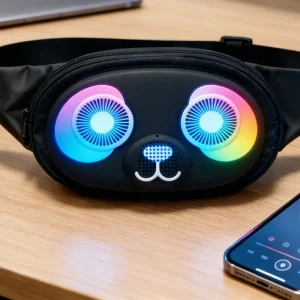
Optimized for lightweight solar backpacks, activewear, and wearable power banks. Integrates safety protections for flexible lithium polymer batteries, often paired with custom LED controllers and Bluetooth speakers for active lifestyle products.
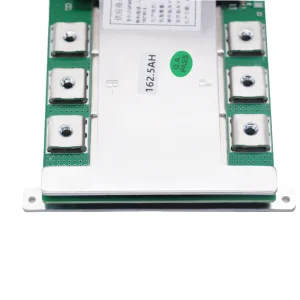
Configured with robust 20S to 23S smart BMS (100A to 200A continuous discharge) that interface with residential solar arrays. These systems monitor cell temperatures and use active cell balancing to extend the life of the battery pack.
Industrial operations require continuous uptime. Our custom BMS features high-current protection (over 200A), active thermal monitoring, and CAN bus integration. This enables logistics warehouses to monitor fleet health and coordinate preventive maintenance.
Our history demonstrates our long-term commitment to innovation, rigorous quality management, and collaborative industrial partnerships:
Began design and assembly of digital Battery Management Systems in 2005. Expanded into power battery management system development in 2006. Secured ISO9001 certification in 2007 and ISO14001 certification in 2009, establishing our foundational quality control processes.
Secured 8 utility model and design patents in 2011 while expanding mobile power bank assembly lines. Established the Litongwei Technology Research Institute in 2012. Recognized with the Del New Energy Quality Excellence Award in 2014 and named Gold Partner by Gaogong Lithium Battery in 2015.
Upgraded ISO certifications in 2016 and secured IATF16949 automotive quality management certification in 2018. Implemented full MES automated warehouse systems the same year. Won the Guangdong Battery Industry Association Innovation Award in 2019, and was recognized as the leading brand in lithium protection boards for light mobility vehicles in 2020.
Introduced Smart Manufacturing+ across our product lines, integrating IoT cloud connectivity and intelligent diagnosis systems. Litongwei continues to drive digital transformation to support next-generation green energy systems worldwide.
We maintain long-term partnerships with leading global enterprises, supplying premium protection hardware to ensure safety for millions of end-users.













Our partners include global technology leaders such as Huawei, Lenovo, Desay, Guoguang, Sunwoda, Eve Energy, and Guoxuan High-tech, reflecting our long-term reliability and compliance with strict quality standards.
Common engineering questions and safety specifications for technical buyers and battery product designers.
The Battery Management System (BMS) acts as the central control unit for safety and efficiency. It manages over-voltage, under-voltage, over-current, and short-circuit conditions. In high-capacity solar applications, a smart BMS manages fluctuating inputs from photovoltaic panels, protecting the battery cells from rapid thermal cycles and extending pack longevity.
Bidirectional inverters combine charging and discharging into a single converter stage. This design simplifies system layout, reduces component weight, and minimizes thermal losses during energy conversion, resulting in a more efficient portable power station design.
We use automated Manufacturing Execution Systems (MES) to track and log every step of the PCBA production process. Each board is serialized and tested using automated optical inspection (AOI), in-circuit testing (ICT), and functional testing before packaging, ensuring complete traceability and consistent quality.
Yes, we offer custom integration for UART, RS485, CAN bus, and Bluetooth protocols. These features let users monitor voltage levels, temperature data, and remaining capacity through mobile applications or integrated LCD screens.
Charging lithium-ion batteries in sub-zero temperatures can cause lithium plating, which permanently degrades capacity and poses safety risks. Our intelligent heating BMS uses incoming solar power to pre-warm the battery cells to a safe temperature before charging begins, preserving cell health in cold climates.
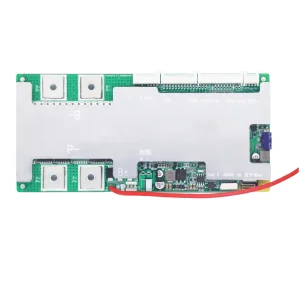
Heavy-duty BMS boards engineered to protect high-voltage, high-current commercial battery configurations.
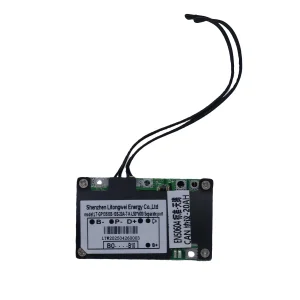
 Litongwei Electronic