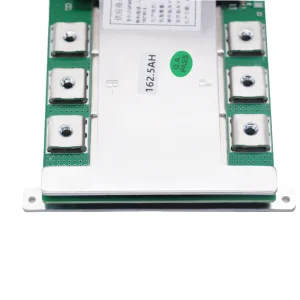
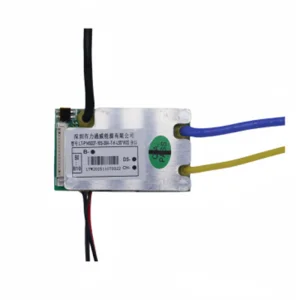
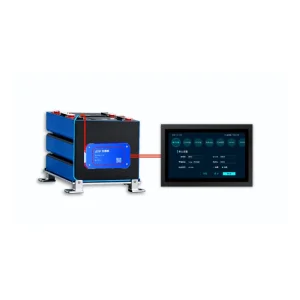
Explore our specialized range of high-performance microinverters, intelligent battery management systems, and portable power technologies designed for global industrial deployment.
In the rapidly evolving global renewable energy landscape, the efficiency of photovoltaic (PV) systems is no longer determined solely by solar panel technology. As solar installations transition from centralized utilities to highly distributed architectural structures—such as residential rooftops, urban commercial buildings, and smart city infrastructure—the need for localized power conversion technology has reached a critical turning point. Historically, traditional central or string inverters served as the baseline technology. However, these architectures present inherent systemic vulnerabilities: mismatch losses, safety hazards arising from high-voltage direct current (DC) arcs, and complete loop failures triggered by localized shading.
To mitigate these limitations, Module-Level Power Electronics (MLPE) technology has emerged as the modern industry benchmark. Among MLPE solutions, the **Solar Power Micro Inverter** stands out as the ultimate design architecture. By converting DC power to Alternating Current (AC) directly at the individual solar module level, microinverters eliminate high-voltage DC runs across the rooftop, isolate panel-level performance degradation, and optimize the overall Levelized Cost of Energy (LCOE).
For global engineering firms, system integrators, and distributors, establishing a direct partnership with an established **OEM Solar Power Micro Inverter Manufacturer & Factory** is no longer just a supply chain decision; it is a critical strategy to secure intellectual property protection, guarantee systemic reliability, and customize technical solutions to meet demanding regional safety standards.
Individual Maximum Power Point Tracking (MPPT) per module avoids the "Christmas light effect," preventing system-wide output drops when a single panel is shaded.
Eliminates dangerous high-voltage DC circuits on roofs by immediately converting energy to standard utility-safe AC power, reducing fire hazard risks to near-zero.
Integrated cloud-monitoring platforms allow operators to track efficiency, voltage fluctuations, and thermal thresholds at a granular module-by-module level.
Years of R&D Excellence
Patents & IP Protections
Sqm Production Capacity
Monthly Unit Shipments
The adoption of solar microinverters is accelerating at an unprecedented compound annual growth rate (CAGR), driven by regional energy independence targets and stricter electrical safety mandates. Different markets present distinct localized requirements that direct OEM manufacturers must address.
In **North America**, structural codes such as the National Electrical Code (NEC) 2017 & 2020 require "Rapid Shutdown" mechanisms to safeguard emergency responders from electrocution risks. Microinverters naturally comply with this standard because they do not carry dangerous residual DC voltages. Consequently, they have captured the majority share of the residential solar market in the United States and Canada.
In **Europe**, the rapid expansion of urban decentralized solar and the popularity of "balcony PV systems" (Plug-and-Play solar) have created high demand for compact, highly efficient microinverters like the MINV500S. European standards demand stringent electromagnetic compatibility (EMC) and low harmonic distortion, along with high grid resilience, to support fluctuating clean energy integration.
Meanwhile, in **Asia-Pacific** and **Latin America**, fast-paced urbanization has led to complex architectural layouts. High-density high-rises and commercial complexes encounter varied orientation and shade profiles. Here, microinverter-based solutions ensure maximum solar harvesting efficiency even under imperfect installation conditions, making them ideal for modern urban environments.
Bridging the gap between power semiconductor innovation and decentralized smart grid networks.
Transitioning from traditional silicon MOSFETs to Gallium Nitride (GaN) and Silicon Carbide (SiC) switches, enabling faster switching frequencies, lower thermal dissipation, and minimized device dimensions.
Future microinverter topologies integrate bidirectional pathways, allowing them to interface directly with local energy storage units, electric vehicle charging networks, and local microgrids.
By shifting from passive status updates to active telemetry, modern microinverters deploy edge processing to dynamically recognize electrical anomalies, grid disturbances, and panel degradation.
Leveraging massive manufacturing infrastructure, intense research investment, and strict quality control matrices.
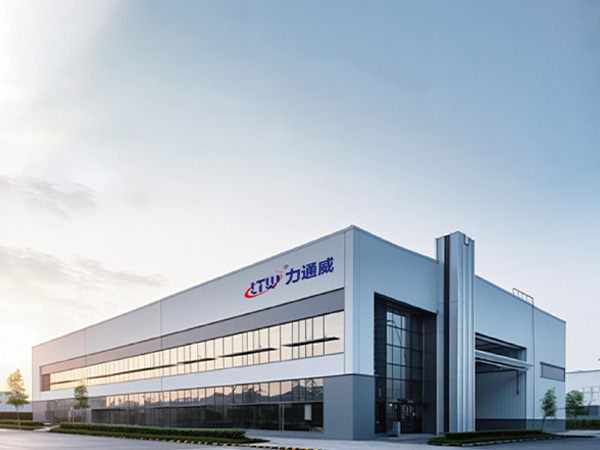
Founded in 2005, **Shenzhen Litongwei Electronic Technology Co., Ltd.** has established itself as a national high-tech enterprise specializing in the R&D and manufacturing of lithium-ion safety control systems and intelligent power conversion equipment. Over the span of two decades, we have scaled our production facilities to match the requirements of the global market.
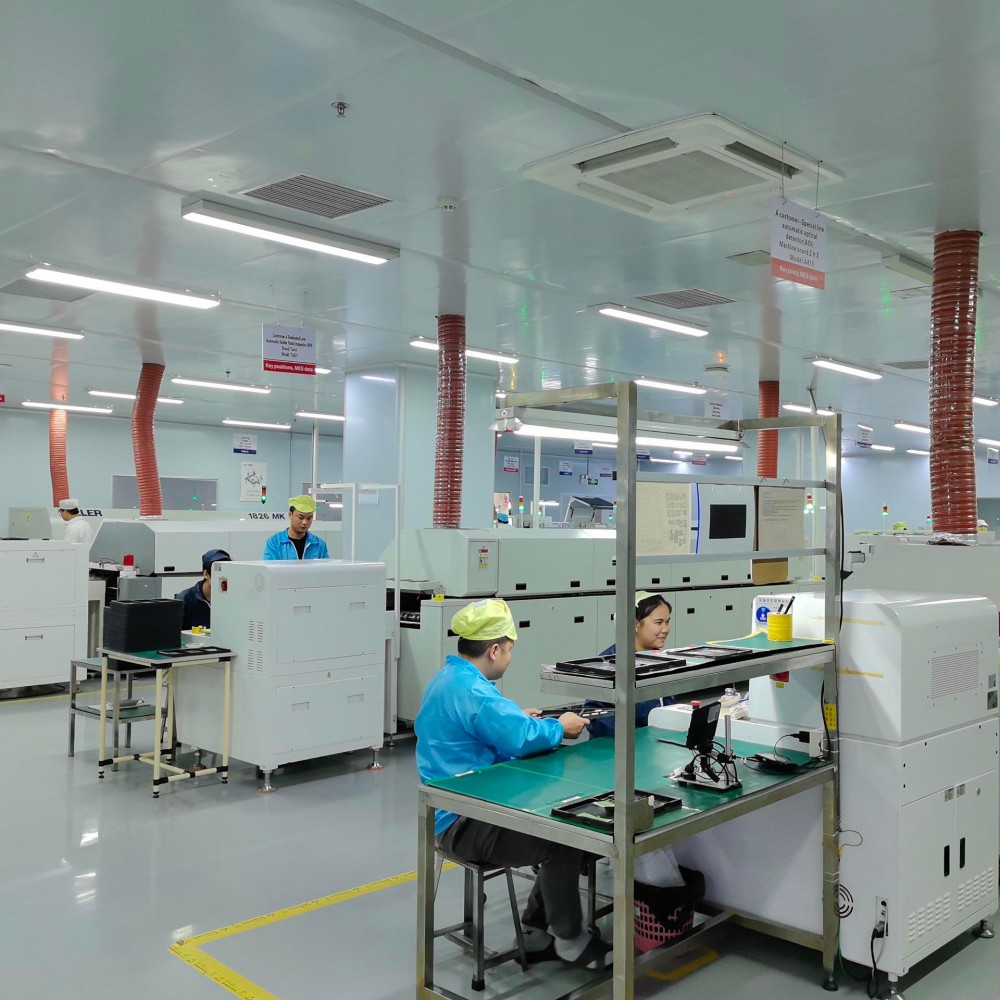
We operate over 13,000 square meters of independent manufacturing space in Shenzhen, paired with an additional 27,000 square meters production base in Huangjiang, Dongguan. Our high-precision manufacturing floor is equipped with 24 high-speed pick-and-place surface mount (SMT) machines and 12 advanced PCBA production lines, allowing our monthly output capacity to exceed **15 million units**.
Unlike pure assembly factories, Litongwei has consistently invested more than **10% of its annual sales revenue into R&D** for five consecutive years. This continuous investment has yielded over **100 utility model, design, and program patents** in safety protection, battery management systems, and solar conversion algorithms. This substantial intellectual property portfolio allows us to offer extensive patent-sharing collaborations to protect our OEM and ODM partners from legal infringement risks.
We work collaboratively under rigorous NDAs, utilizing our existing patents to design customized topologies that reduce legal vulnerabilities in European and North American jurisdictions.
Our standardized baseline modular layouts optimize raw material sourcing, significantly lowering the overall production cost while ensuring high quality standards.
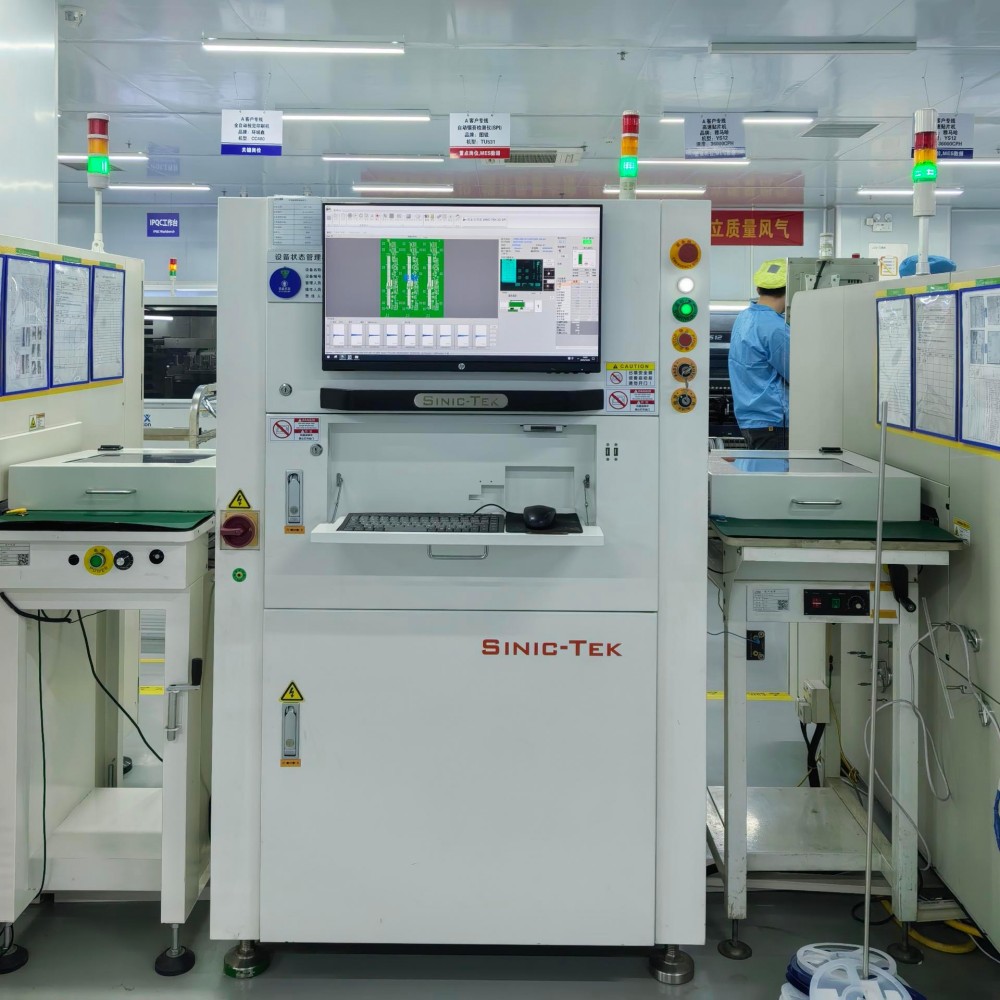
Every microinverter and protection board undergoes automated optical inspection (AOI), functional circuit tests, and thermal aging. Production data is recorded via our MES system to ensure trace-back capability.
Tracing the technological evolution of Litongwei from safety modules to intelligent energy platforms.
In 2005, Litongwei commenced dedicated R&D and manufacturing of digital Battery Management Systems (BMS). By 2006, it expanded into power battery management system development. ISO9001 certification was obtained in 2007, followed by ISO14001 certification in 2009.
The company secured 8 utility model and design patents in 2011, while expanding its mobile power bank manufacturing operations. The Litongwei Technology Research Institute was established in 2012. It received the Del New Energy Quality Excellence Award in 2014 and earned the Gold Partner title from Gaogong Lithium Battery in 2015.
The company upgraded its ISO 9001 and ISO14001 certifications in 2016, achieved IATF16949 certification in 2018, and implemented an MES system for warehouse automation. It was awarded the Guangdong Battery Industry Association Innovation Award in 2019 and recognized as a leading brand in lithium battery protection board technology for two-wheeled vehicles in 2020.
Litongwei Electronics continues to innovate, deepening its technological expertise while embracing IoT and Industry 4.0. Through its Smart Manufacturing+ strategy, the company drives industrial transformation and upgrading.
We work closely with global industry leaders to maintain high quality and reliability across our product lines.











Microinverters are highly versatile and adapt to varied environments. They solve critical operational constraints across residential, commercial, and off-grid configurations where central inverters fall short.
Rooftops with multi-angle dormers, chimneys, or nearby tree shading cause string systems to perform poorly. Implementing a dedicated microinverter per panel ensures that each module operates independently at peak efficiency, minimizing shading losses.
Highly compact installation footprints require dynamic, low-profile hardware. Plug-and-play balcony PV systems use lightweight microinverters mounted directly behind 1 or 2 panels, connecting safely to standard home outlets.
Building-Integrated Photovoltaics (BIPV) demand high safety standards due to their integration into building facades. Microinverters eliminate high DC voltages inside building envelopes, aligning with global smart city structural codes.

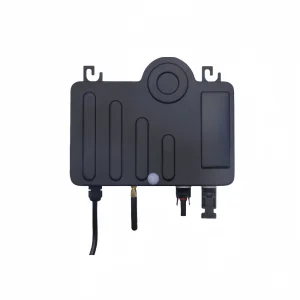
When deploying outdoor power electronics, environmental resilience is a primary design factor. Our microinverter designs, such as the **MINV500S**, feature ruggedized, IP67-rated weatherproofing. This ensures long-term operational reliability in high-humidity coastal zones, rainy temperate regions, and dusty desert installations.
The internal electrical architecture is designed around galvanic isolation. Physical isolation between the DC input and the AC output ensures that grid surges or internal faults do not propagate back to the PV panels, safeguarding both the assets and operational personnel.
Additionally, our active thermal management design disperses heat evenly across the die-cast aluminum housing. This prevents thermal de-rating and maintains a high **96.5% efficiency level** even when ambient operating temperatures reach their limits.
"LITONGWEI has always adhered to the philosophy of 'Technology as King, Efficient Service' in all aspects of production and operations. Our vision is to become a provider of intelligent green energy management solutions, embracing environmental sustainability. Start with LITONGWEI!"
Crucial industry insights answered by our senior engineering team.
Microinverters resolve the systemic inefficiencies of string inverters by performing DC-to-AC conversion at the individual panel level. By using dedicated MPPT trackers, they prevent the shading, dirt, or degradation of one panel from reducing the output of the entire string. In addition, microinverters eliminate high-voltage DC cabling (often up to 1000V DC in string systems), replacing it with safer standard AC connections that minimize fire hazards and satisfy strict regional rapid shutdown codes.
As a national high-tech enterprise with over 100 patents in lithium battery protection boards, smart BMS, and electrical control systems, we prioritize intellectual property security. We provide collaborative patent sharing and customized schematic designs under strict non-disclosure agreements (NDAs). This helps our global clients avoid patent infringement risks while securing unique, proprietary hardware solutions for their regional markets.
All our products, including BMS assemblies and microinverter units, undergo a rigorous multi-stage quality control process. This includes 3D automated optical inspection (AOI), full-functional ICT/FCT circuit tests, high-stress thermal chamber aging, and vibration testing. Our manufacturing operations are certified under ISO9001, ISO14001, and IATF16949 automotive standards, and all production stages are tracked via our MES platform to ensure complete traceability.
The MINV500S features a ruggedized IP67 cast aluminum enclosure, providing reliable protection against dust ingress and water submersion. It uses highly efficient power stages and low-loss magnetics to achieve a peak conversion efficiency of 96.5%. The chassis acts as an integrated heatsink, enabling optimal heat dissipation and preventing thermal de-rating under high ambient temperatures.
Yes. Through our IoT software teams, we offer custom cloud monitoring and telemetry interfaces. This allows systems to connect to remote maintenance platforms for real-time diagnostics, performance tracking, and OTA firmware updates, helping operators reduce localized service calls and O&M expenses.
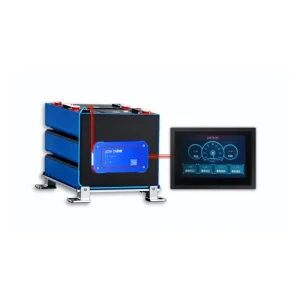
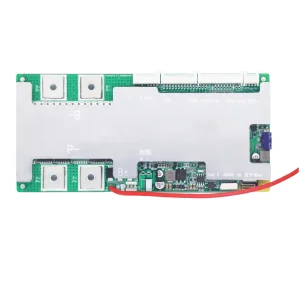
High-reliability intelligent battery management systems and specialized equipment screens engineered for durable operations.
 Litongwei Electronic