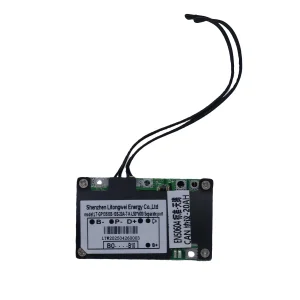
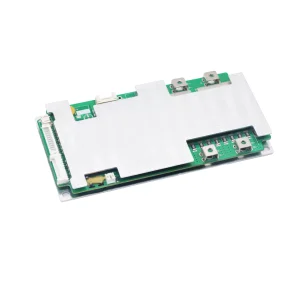
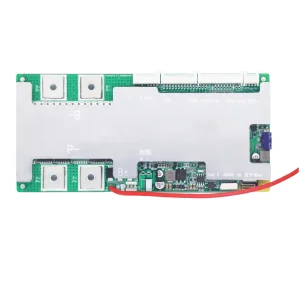
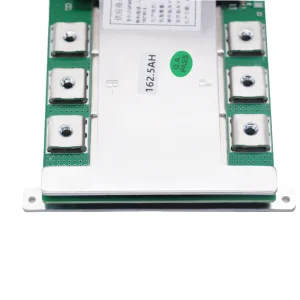
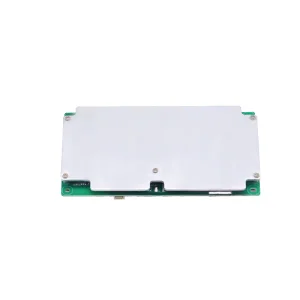
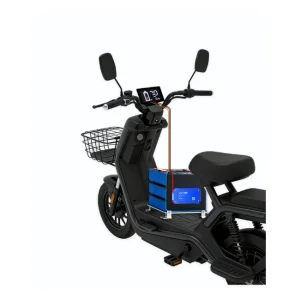
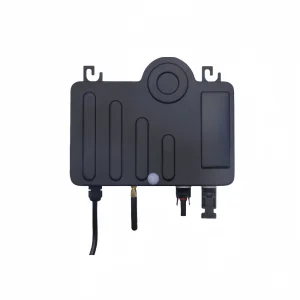
Engineered with High-Precision Battery Management Systems (BMS) for Robust Performance
An Industrial Deep Dive into Photovoltaic Conversion, Intelligent BMS, and Grid Independence
The global shift toward sustainable energy has evolved past centralized utilities. Today, micro-generation through devices such as sun powered phone chargers, portable power banks, and residential micro-inverters represents the front line of decentralized green power. Historically treated as simple consumer novelty items, off-grid sun powered chargers have transformed into complex, high-reliability micro-energy devices designed for commercial, emergency, and extreme recreational environments. The underlying driver of this evolution is the convergence of advanced photovoltaic technology with modern Battery Management Systems (BMS).
At the center of a resilient solar-powered charging ecosystem lies the safety control circuit. Solar power generation is inherently variable. Solar radiation fluctuations demand charge controllers and protection boards that can dynamically regulate voltage and current without causing thermal runaway or damaging lithium cells. As a consequence, global OEM clients looking for "sun powered phone charger suppliers" are not merely purchasing plastic casings and monocrystalline panels; they are sourcing integrated electrical architectures that guarantee high efficiency, long cycle life, and absolute safety.
Enables maximum energy extraction under variable cloud cover, ensuring solar modules operate at peak efficiency regardless of environmental shifts.
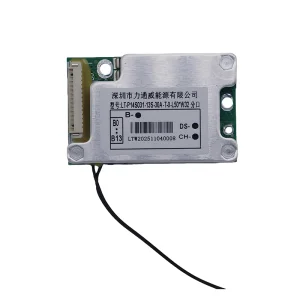
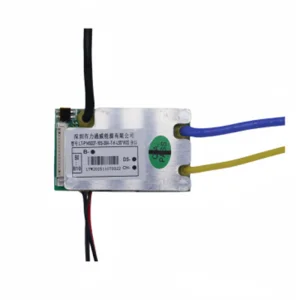
Guarantees intelligent over-charge, over-discharge, over-current, short-circuit, and anti-reverse protection with integrated NTC thermal sensors.
Blends bidirectional micro-inverters, smart communications (CAN/Bluetooth), and cloud monitoring for modern IoT battery architectures.
Evaluating Market Drivers and the Critical Importance of Smart Energy Topologies
The industrial landscape for portable energy storage is expanding rapidly due to rising remote work requirements, emergency preparedness planning, and outdoor recreation trends. According to market analysis, the global portable power station market is projected to reach several billion dollars by 2030, with integrated solar recharging capability serving as the fastest-growing sub-segment. Enterprises, governmental institutions, and NGO relief organizations are procuring sun-powered chargers to ensure uninterrupted communications and system operations in off-grid situations.
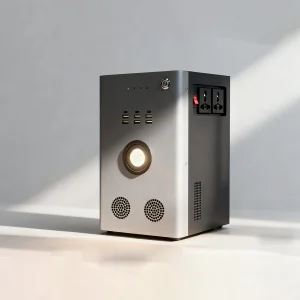
For commercial operators, the reliability of these devices depends heavily on their internal circuitry. High-power solar chargers must convert variable direct current (DC) from photovoltaic arrays into stable electricity that can safely fill a lithium battery. This requires high-efficiency DC-DC conversion and intelligent cell balancing. High-end industrial units, such as 500W to 1kWh portable energy stations with bidirectional micro-inverters, require safety control systems that support fast AC charging alongside solar charging. Litongwei's sophisticated BMS boards (ranging from 10S to 23S configurations) provide exactly the framework necessary to prevent cell imbalances, ensuring that high-voltage multi-cell setups operate safely under heavy solar thermal loads.
Modern outdoor hardware and emergency grids demand integrated BMS systems featuring communication protocols like CAN, RS485, and Bluetooth. These architectures enable direct status reporting to IoT interfaces, allowing infrastructure managers to monitor temperature, cell health, and state-of-charge (SoC) remotely. This drastically lowers maintenance costs and mitigates field hazards.
Navigating IP Protection, Customization, and Regulatory Standards in Energy Storage
B2B buyers, including global brands and distributors in the United States, Europe, and Japan, face major challenges when securing OEM/ODM contracts for solar chargers and battery management components. The main concerns revolve around technical compliance, legal safety, and manufacturing consistency. In an era of strict environmental and safety regulations, components must carry recognized certifications such as UL, CE, FCC, RoHS, and UN38.3 to ensure border clearance and commercial viability.
Beyond certifications, intellectual property (IP) safety remains a critical issue. Distributors and custom brands are highly vulnerable to patent infringement claims. Sourcing components from manufacturers who offer robust patent collaboration, shared standard boards, and joint R&D projects mitigates these liabilities. Litongwei addresses these challenges directly. With over 100 patents in the lithium-ion battery protection board space, we partner with clients to navigate intellectual property challenges, reducing both liability exposure and engineering overhead.
Inside Litongwei's Advanced R&D and Smart Manufacturing Hubs
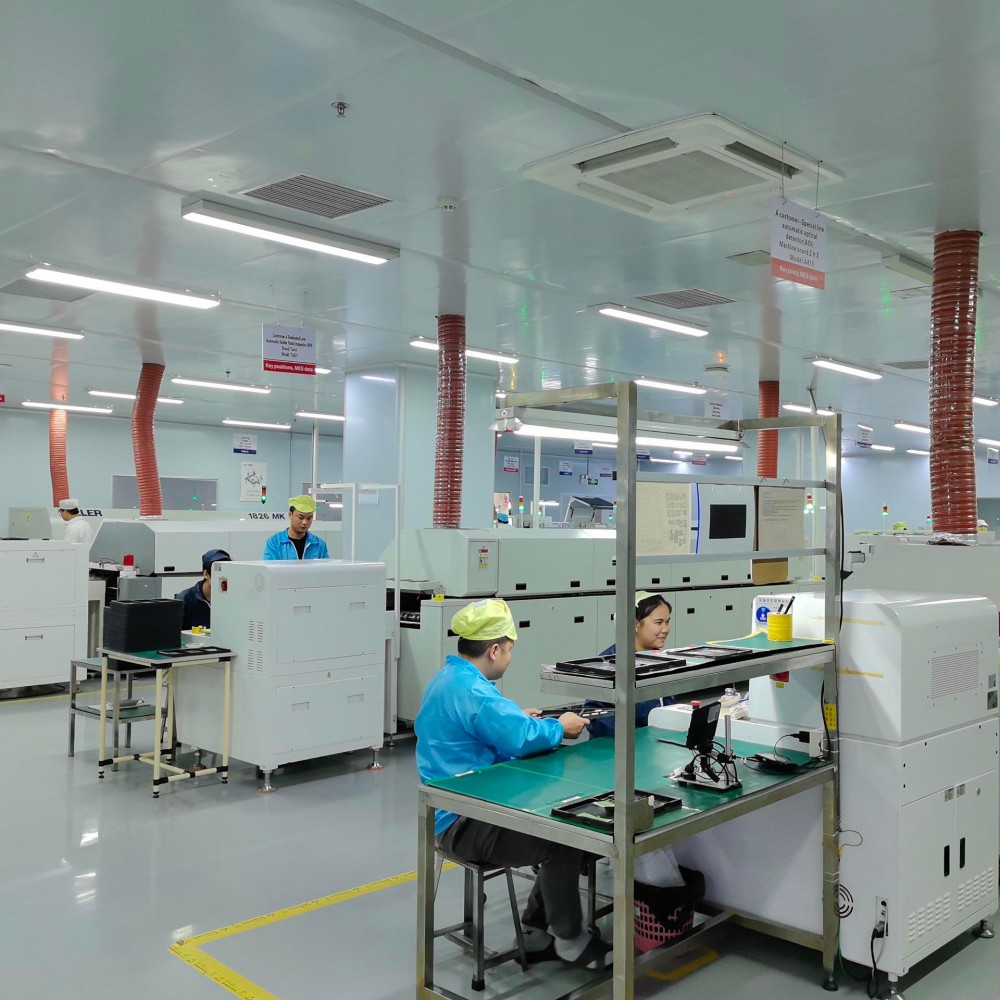
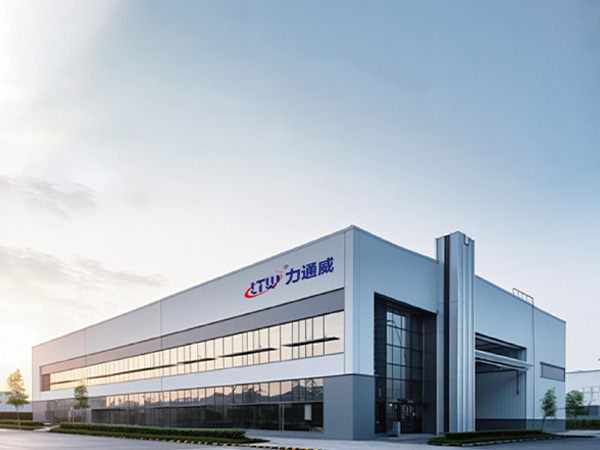
Shenzhen Litongwei Electronic Technology Co., Ltd., established in 2005, is a national high-tech enterprise specializing in the R&D and manufacturing of lithium-ion safety control systems. Over the last two decades, Litongwei has evolved from a local circuit developer into a powerhouse of Industry 4.0 production capabilities, maintaining massive production facilities across Shenzhen and Dongguan.
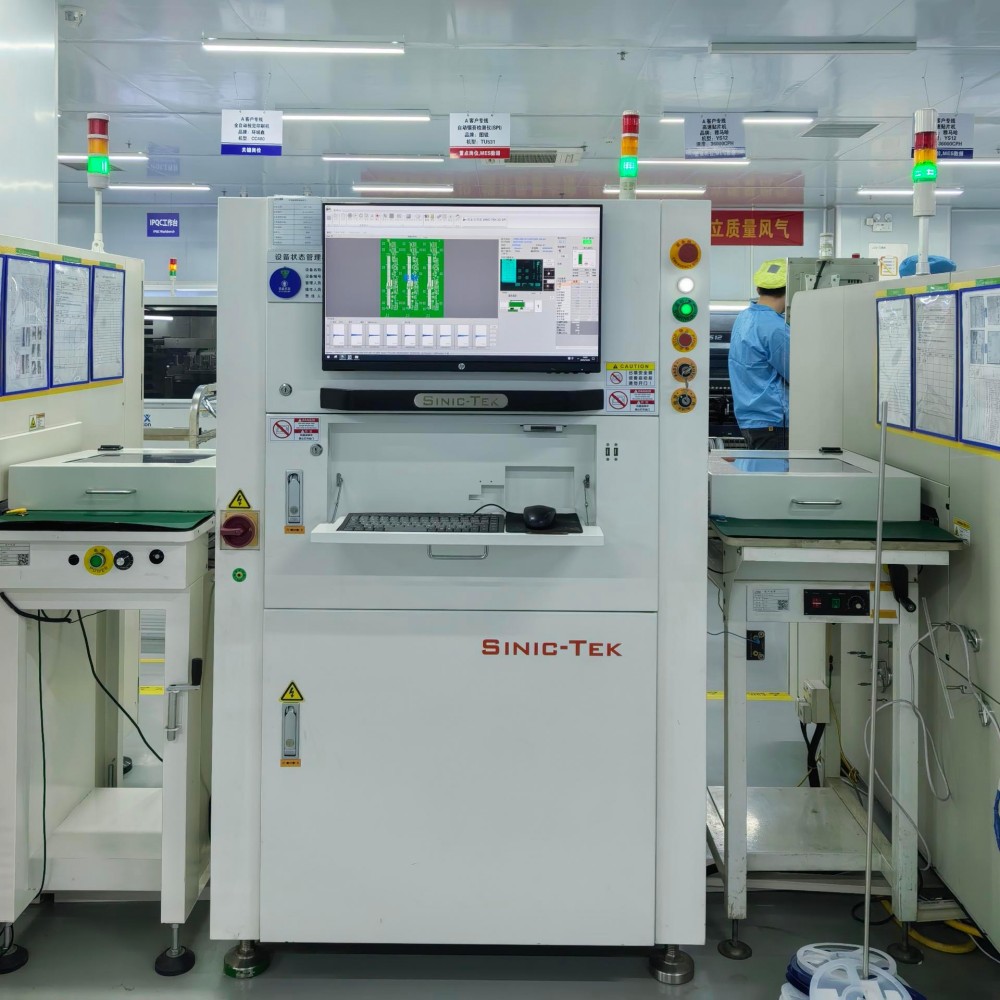
To guarantee high yield, zero-defect quality levels, and full-process traceability, Litongwei integrates automated MES (Manufacturing Execution System) frameworks across all assembly levels. Our facilities are equipped with 24 high-speed pick-and-place SMT machines and 12 PCBA production lines, allowing us to hit a monthly output exceeding 15 million units. Our strict manufacturing processes are backed by international system standards, including ISO9001, ISO14001, and the rigorous automotive standard IATF16949.

20 Years of Innovation in Smart Energy Management Solutions
Commenced R&D and manufacturing of digital Battery Management Systems (BMS). By 2006, expanded into power battery management system development. Obtained ISO9001 certification in 2007, followed by ISO14001 in 2009.
Secured 8 utility model and design patents in 2011 while expanding mobile power bank manufacturing. Established the Litongwei Technology Research Institute in 2012. Won the Del New Energy Quality Excellence Award in 2014 and Gaogong Lithium Gold Partner title in 2015.
Upgraded ISO certifications in 2016, achieved IATF16949 in 2018, and implemented MES for warehouse automation. Received the Guangdong Battery Industry Association Innovation Award in 2019 and two-wheel vehicle BMS brand leadership in 2020.
Litongwei continues to innovate, deepening technical expertise while embracing IoT and Industry 4.0. Through its Smart Manufacturing+ strategy, the company drives industrial energy transformation globally.
Adhering to the philosophy of "Technology as King, Efficient Service" alongside global brands
We work to become a leading provider of intelligent green energy management solutions, embracing environmental sustainability. Litongwei's partners include Huawei, Lenovo, Desay, Guoguang, Sunwoda, Eve Energy, Guoxuan High-tech, and other industry-leading brand clients who have collaborated with us for many years.














How Modern Micro-BMS and Solar Systems Enable Intelligent Applications Globally
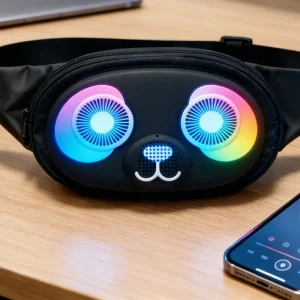
Practical deployment of portable energy technologies requires custom hardware adaptations. For example, in urban lifestyle and extreme outdoor cycling markets, integration is key. Modern cyclists and commuters utilize wearable components, such as high-quality LED Bluetooth speaker waist bags. These devices require safe, compact lithium batteries managed by ultra-compact protection boards that prevent overcharging and support safe USB power delivery from integrated photovoltaic textiles or lightweight sun powered charging panels.
In residential and micro-utility setups, solar integration requires more robust components. Modern homes utilize IP67 all-weather micro-inverters, which achieve up to 96.5% efficiency. These devices convert DC voltage from residential solar tiles or balcony arrays into grid-tied AC electricity. The safety, long lifespan, and thermal limits of these systems are managed by intelligent BMS boards with serial communication (CAN/Bluetooth) and built-in heating elements. This ensures reliable operation in sub-zero winter temperatures, preventing catastrophic lithium plating during cold charging cycles.
Answers to Common Technical Questions from Global Procurement and Hardware Engineering Teams
Unlike standard wall chargers, solar panels supply variable current based on cloud coverage and sunlight angles. An intelligent BMS with NTC thermal probes manages these input spikes, preventing overheating. This ensures proper cell balancing and protects the battery from degradation caused by heat or electrical instability.
Standard boards offer basic hardware protection against overcharge and short circuits. Intelligent BMS boards feature MCU processing alongside CAN, RS485, or Bluetooth communications. This allows system developers and end users to monitor telemetry data (such as voltage, temperature, SoC, and cycle history) in real time via mobile apps or control screens.
Bidirectional inverters consolidate the charging and discharging circuits into a single system. This layout reduces size, weight, and component count. It enables faster charging from both AC grid power and DC photovoltaic panels, improving conversion efficiency and reducing heat generated by traditional double-conversion circuits.
To access markets like North America and Europe, products must hold safety certifications such as UN38.3 (for safe battery transport), CE, FCC, RoHS, and UL safety standards (e.g., UL1642 for cells and UL1973/UL2743 for battery packs). Litongwei guarantees compliance through certified manufacturing processes and rigorous testing protocols.
Litongwei holds over 100 patents in the lithium-ion safety control space. By offering proprietary circuit layouts, standard board sharing options, and collaborative patent development, we provide clients with clear intellectual property pathways. This minimizes the legal risks associated with distribution in Western markets.
High-Capacity Inverters, Intelligent BMS, and Consumer Wearable Electronics
 Litongwei Electronic