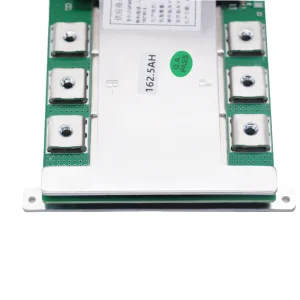
Explore our factory-direct smart protection boards featuring high-rate current balancing, advanced thermal management, and comprehensive communication protocols.
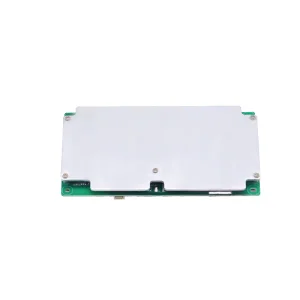
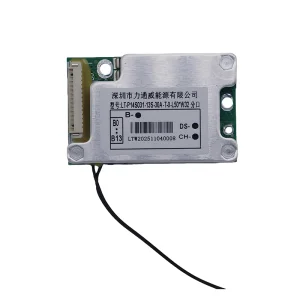
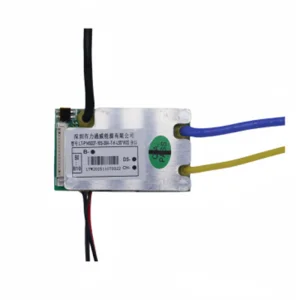
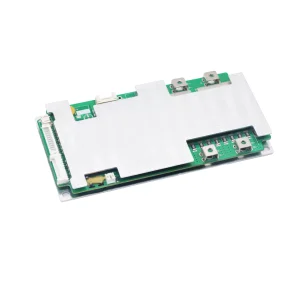

As the global push for carbon neutrality accelerates, electrical systems are demanding more safety, precision, and longevity. The 24V battery management system (BMS) acts as the central intelligence of mid-power lithium arrays. From automated guided vehicles (AGVs) in industrial warehouses to marine propulsion and residential battery arrays, the 24V topology strikes the ultimate sweet spot: it maximizes energy delivery efficiency while safely operating under safety extra-low voltage limits.
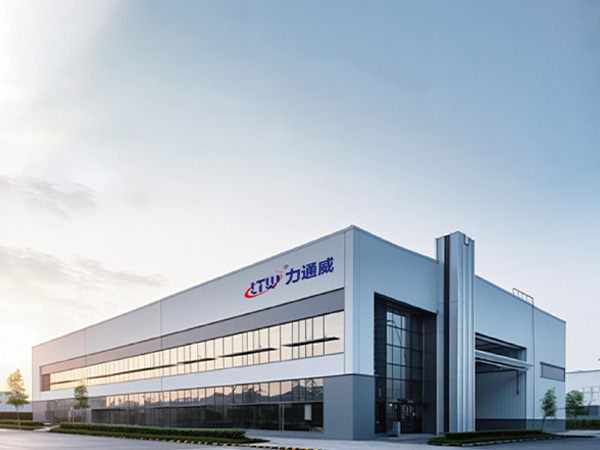
Established in 2005, Shenzhen Litongwei Electronic Technology Co., Ltd. is a national high-tech enterprise at the forefront of lithium safety management. We operate as a vertical manufacturer and strategic engineering partner, designing circuit boards that integrate telemetry, control algorithms, and safety protections.
Our solutions bridge the gap between complex cell chemistry and host application hardware, delivering unmatched reliability under harsh operating environments. Through patent collaboration, modular architecture optimization, and complete trace logistics, we help global OEMs resolve field issues, control bill-of-materials (BOM) costs, and fast-track compliance certifications.
Analyzing current global demand vectors, macro-economic drivers, and engineering shifts in high-reliability BMS deployment.
The decentralization of telecom tower infrastructure in Europe and North America has triggered a massive transition from legacy lead-acid batteries to 24V LiFePO4 batteries. Smart 24V BMS units manage cyclic life, preventing premature failure due to partial states of charge (PSoC), keeping towers powered during brownouts.
Autonomous mobile systems require batteries that can survive deep thermal transitions. In automated logistics hubs worldwide, 24V systems operate non-stop. Advanced BMS architectures with active warming circuits allow operations inside sub-zero freezers without risking lithium plating during fast charging.
Urban micro-mobility and specialized industrial ground support systems (GSE) are standardizing on 24V systems. These platforms require a BMS that can handle steep motor startup surges, transient regenerative braking energy, and robust high-vibration structural environments.
How our 24V BMS configurations are engineered for specific, real-world regional environment constraints.
In highly busy warehouses across Germany, Japan, and the United States, AGVs must operate 24/7 with rapid "opportunity charging" cycles. A Litongwei 24V BMS equipped with RS485/CANbus and heating functionality enables safe, high-rate current injection without thermal runaway. By integrating precision NTC thermistors, the system constantly monitors MOS temperatures and adjusts charge/discharge algorithms dynamically.
Outdoor utility fleets encounter intense physical shocks and wide weather variations. In areas with high humidity or coastal salinity, standard electronics corrode quickly. Our custom-designed BMS boards utilize thick conformal coatings and mechanical isolations, meeting strict anti-vibration requirements while keeping safe cell-voltage balancing during steep hill climbs.
In rural electrification programs in Africa and remote microgrids in Australia, battery life must stretch over a decade. Our 24V BMS configurations utilize highly precise coulomb counting algorithm chips to prevent deep-discharge failures. Built-in Bluetooth BLE modules allow engineers in the field to check state-of-health (SoH) diagnostics, cell impedance values, and cycle counts on their mobile devices without opening the battery box.
Marine environments require systems that can handle both moisture and engine startup currents. With built-in anti-reverse connection protection and robust overcurrent cut-offs, our 24V BMS architectures prevent catastrophic controller shorts and spark hazards during marine battery installations.
Future-proofing battery assets through next-generation silicon, cloud intelligence, and active topologies.
Traditional passive balancing burns off excess energy as heat. Our future roadmap integrates active balancing architectures that transfer charge from high-voltage cells to weaker ones using inductive-capacitive circuits. This reduces thermal stress and recovers up to 8% of otherwise lost battery pack capacity.
By pairing on-board sensors with cloud infrastructure, our systems analyze telemetry in real-time. Cloud-based machine learning models track electro-chemical degradation profiles, warning operators of internal short-circuit risks or battery faults weeks before they happen.
We are integrating automotive-grade hardware diagnostics to identify component anomalies instantly. Dual-redundant microcontroller loops run self-tests continuously, isolating potential faults to ensure full power remains online without human intervention.
| Parameter Profile | Standard Passive Topology | Advanced Smart BMS (LTW Series) |
|---|---|---|
| Balancing Current Range | 30mA - 50mA (dissipative heat) | 100mA - 200mA (Smart active balancing) |
| Communication Protocols | None / Basic analogue output | CANbus, RS485, UART, Bluetooth BLE, One-line config |
| Thermal Sensors (NTC) | 1 Channel (fixed threshold) | Up to 4 independent channels + PCB thermal monitor |
| Self-Consumption Rate | < 100 µA | < 30 µA (Sleep mode automatic shutoff) |
| Overcurrent Handling | Simple thermal fuse | Dual-stage software delay + hardware latching protection |
Why global industry leaders choose Litongwei as their strategic manufacturing factory partners.
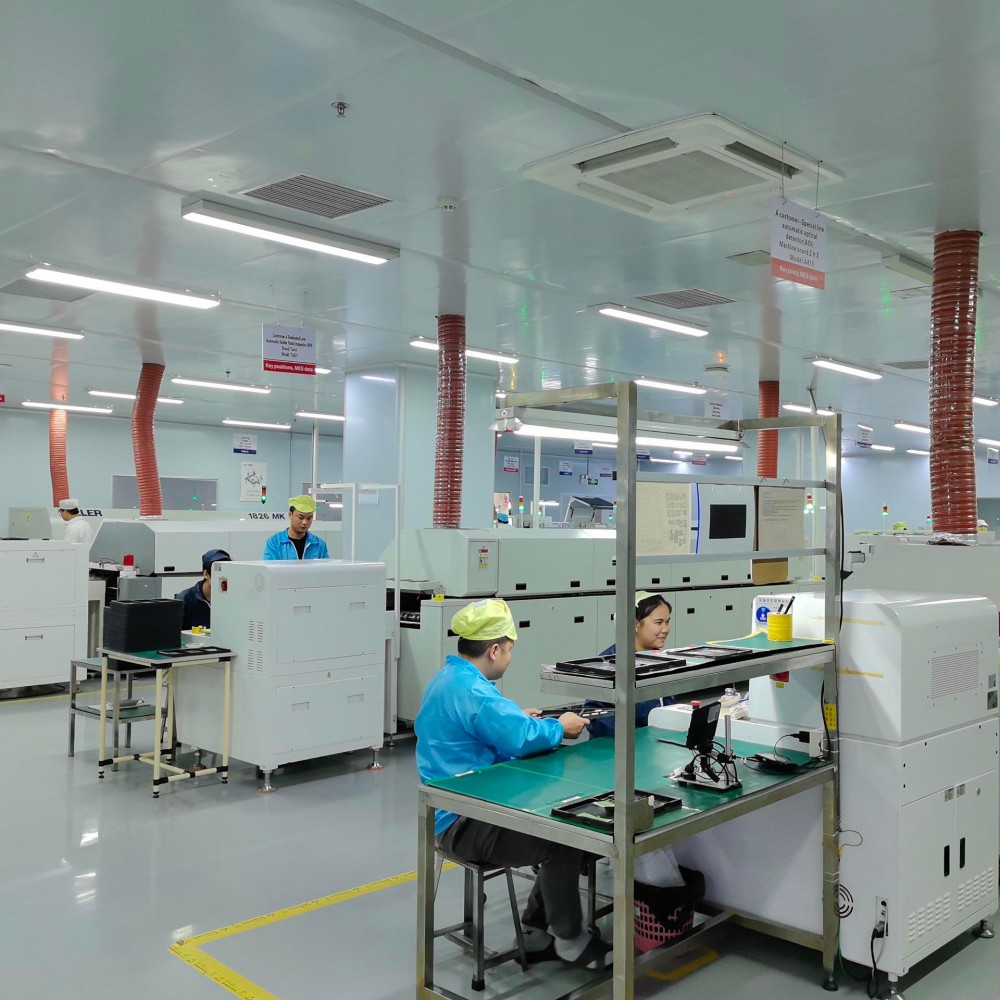
Electronics manufacturing demands both raw capacity and structural resilience. Litongwei operates two manufacturing facilities: a 13,000+ square meter corporate headquarters and factory in Shenzhen, and a 27,000+ square meter high-volume facility in Dongguan Huangjiang. Together, these plants feature:
Our facilities utilize a state-of-the-art MES (Manufacturing Execution System) connected directly to warehouse inventory databases. Every resistor, chip, and MOSFET is logged and traced back to its incoming supplier batch. If a part displays abnormal wear in the field, our systems trace the exact batch and pinpoint all affected boards instantly, protecting your reputation.
Over the past five years, Litongwei has consistently reinvested more than 10% of its total revenue back into R&D. This continuous focus has secured us over 100 patents in circuit design, custom diagnostic firmware, and automatic cell-balancing algorithms.
For international buyers worried about patent disputes or customs seizures, our proprietary designs offer clear, documented intellectual property boundaries. We collaborate directly with clients to co-develop custom layouts, protecting your technology investments globally.
By locating production close to major raw material refineries and shipping hubs in the Pearl River Delta, Litongwei guarantees raw material sourcing speed, fast custom prototyping, and reliable sea/air transit timelines.
Decades of engineering focus and technology innovations in lithium safety management.
Established in 2005, initiating dedicated R&D into digital lithium-ion protection. Expanded to high-voltage power battery management configurations by 2006. Secured ISO9001 and ISO14001 certifications in 2007 and 2009, creating a foundation for reliable manufacturing operations.
Secured 8 key utility model and appearance patents in 2011. Founded the Litongwei New Energy Research Institute in 2012. Won the Del New Energy Quality Excellence Award in 2014, and became a Gaogong Lithium Gold Partner in 2015.
Earned the IATF16949 automotive certification in 2018. Implemented integrated MES software systems to run fully automated manufacturing operations. Recognized as a market leader in battery protection boards for light electric vehicles in 2020.
Deepened integration of IoT connectivity, cloud diagnostics, and active cell balancing systems. Expanded total manufacturing footprint across Shenzhen and Dongguan factories to support rising international industrial demand.
Over the years, Litongwei has collaborated with prominent electronics and battery industry brands.












Ensuring your battery products meet rigorous safety standards and cross-border customs regulations.
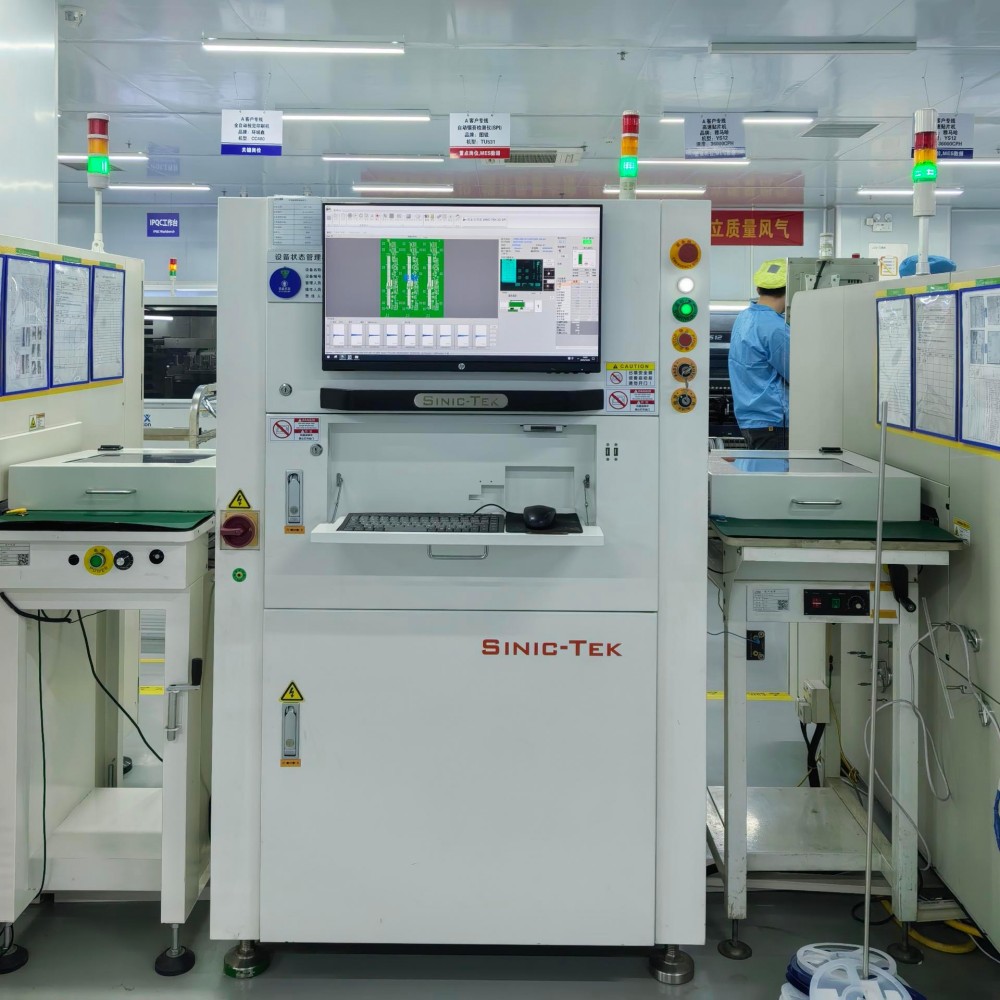
Our manufacturing sites operate in strict alignment with IATF16949 protocols, utilizing automated optical inspection (AOI), x-ray inspections, and function testing (FCT). This process significantly reduces circuit board defect rates to under 50 PPM.
To help you export without regulatory delays, our BMS boards are fully certified. We offer built-in compliance preparation for CE, FCC, RoHS, and UL 2580 testing, alongside complete UN38.3 test documentation for easy international battery transport.
We work closely with global battery pack assemblers through joint-patent frameworks. This prevents legal risks, protecting your designs and allowing you to sell to high-barrier markets in North America and Western Europe with confidence.
Addressing common technical, custom design, and logistical questions raised by procurement managers.
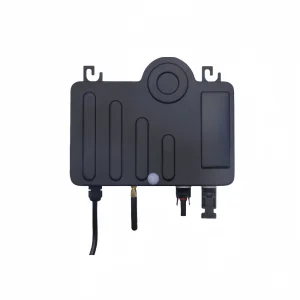
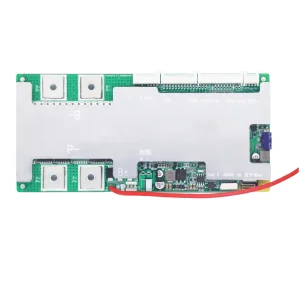
Discover our industrial battery management solutions, complete with smart displays, high-capacity protection circuits, and bi-directional micro-inverters.
 Litongwei Electronic