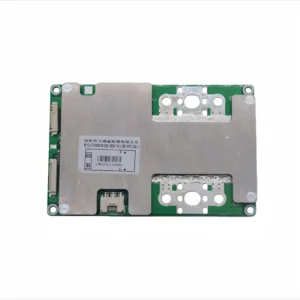
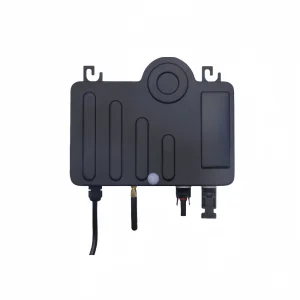
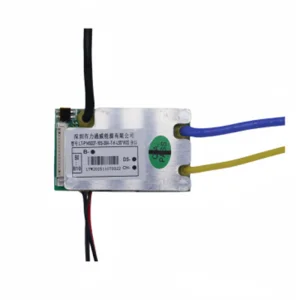
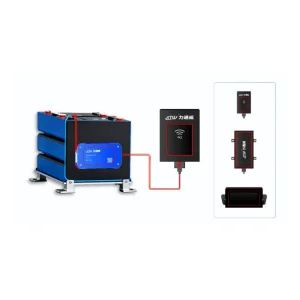
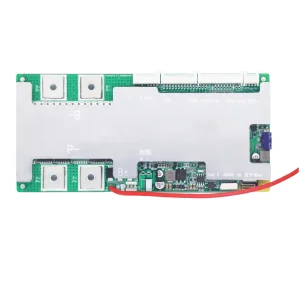
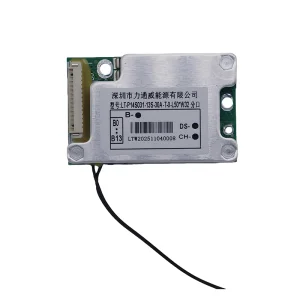
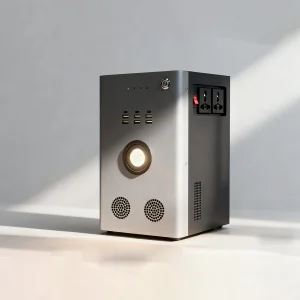
Explore our premium range of lithium battery protection boards, smart micro-inverters, and energy storage accessories engineered to prevent thermal degradation and cell imbalance.
Maximizing Pack Capacity, Mitigating Thermal Runway, and Preventing Early Cell Degradation in Lithium Packs
Traditional Battery Management Systems (BMS) utilize passive balancing methods. Passive balancing bleeds off energy from higher-voltage cells through resistive heat dissipation. While inexpensive, it generates localized thermal loads, wastes stored energy, and operates only near the completion of the charging cycle. As cell parameters drift due to aging, passive systems fail to correct major voltage discrepancies, leading to diminished pack capacity and premature system shutdown.
To solve these bottlenecks, Active Balancing BMS has emerged as the standard for high-performance applications. Active balancing redistributes energy dynamically from cells with higher state-of-charge (SOC) to cells with lower SOC. Instead of converting excess energy to heat, active topologies transfer energy through inductive, capacitive, or buck-boost conversion systems with high transfer efficiency (typically >90%). This allows cell balancing to occur during charge, discharge, and idle states alike, ensuring that the total usable capacity of the battery pack is maximized.
| Parameters | Passive Balancing BMS | Active Balancing BMS (Litongwei) | Direct Impact on Operations |
|---|---|---|---|
| Balancing Mechanism | Resistive heat dissipation (burns off excess energy) | Dynamic energy transfer (capacitive / inductive redirection) | Active balancing saves energy, reducing thermal stress on cell arrays. |
| Thermal Footprint | High localized heat generation during balancing cycles | Negligible heat generation due to efficient component design | Decreases requirements for complex active thermal cooling structures. |
| Cell Lifespan Enhancement | Minimal; cannot prevent age-related capacity drift | Increases functional pack lifespan by up to 25%-30% | Lowers the overall Cost of Ownership (TCO) for fleet operations. |
| Balancing Current Range | Typically limited to 50mA - 150mA | Scalable from 1A up to 5A+ depending on system design | Accelerates the correction of severe cell-to-cell differences. |
| Operational States | Active only near the end of the charging phase | Continuous (charging, discharging, and idle phases) | Keeps cells aligned even under high-drain conditions. |
Emerging requirements across grid infrastructure, smart mobility, and light electric drive industries.
Lithium Iron Phosphate (LFP) and Sodium-Ion batteries exhibit extremely flat open-circuit voltage curves, making SOC calculation difficult. Active BMS is critical in these systems, managing cell voltages precisely where passive detection falls short.
Automated Guided Vehicles (AGVs) and commercial light-EV fleets require fast charging and high uptime. Under high-amperage operations, cell divergence increases. High-capacity active balancing reduces maintenance visits and preserves runtime.
Micro-inverters combined with residential battery systems require dynamic power management to maintain grid stability. Integrating smart BMS directly with inverter logic maximizes household self-consumption efficiency.
Established in 2005, Shenzhen Litongwei Electronic Technology Co., Ltd. is a national high-tech enterprise specializing in the R&D and manufacturing of lithium-ion safety control systems. Over two decades, we have focused on providing intellectual property protection (patent collaboration to prevent infringement), industry-standard shared boards (cost reduction and efficiency improvement), full-process traceability (quality control), and remote maintenance (cloud platform support) to help clients address complex technical, cost, and operational challenges.
Our safety control solutions are widely used in 3C digital devices, electric scooters, bicycles, motorcycles, tricycles, golf carts, AGVs, drones, and power tools. By choosing Litongwei, you receive top-tier products and services backed by robust manufacturing and development infrastructure.
"LITONGWEI has always adhered to the philosophy of 'Technology as King, Efficient Service' in all aspects of production and operations. Our vision is to become a provider of intelligent green energy management solutions, embracing environmental sustainability. Start with LITONGWEI!"
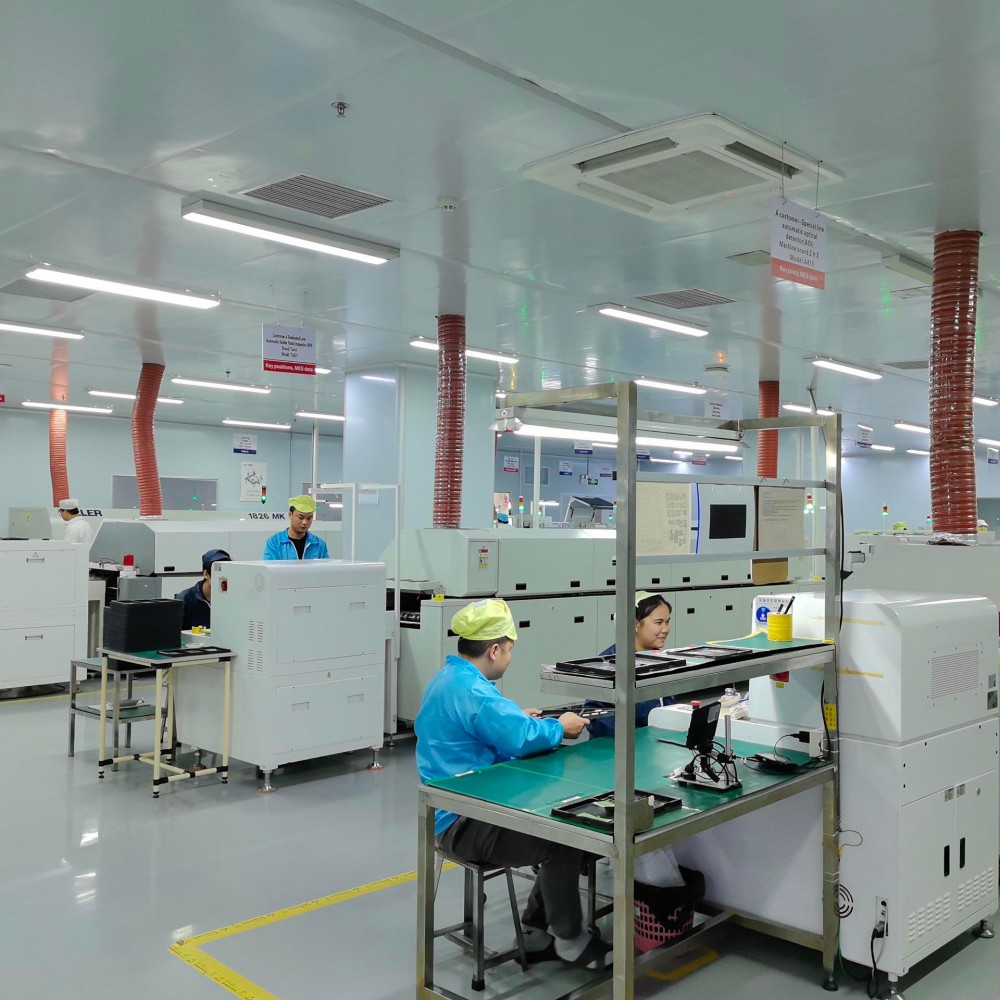

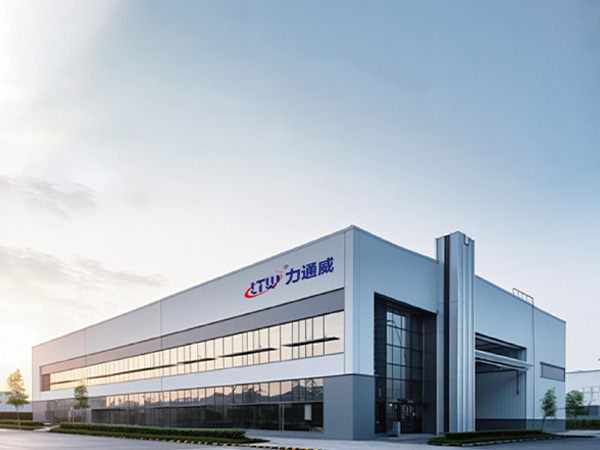
Enterprise-grade manufacturing scale, continuous R&D investment, and patent protection for global OEM/ODM clients.
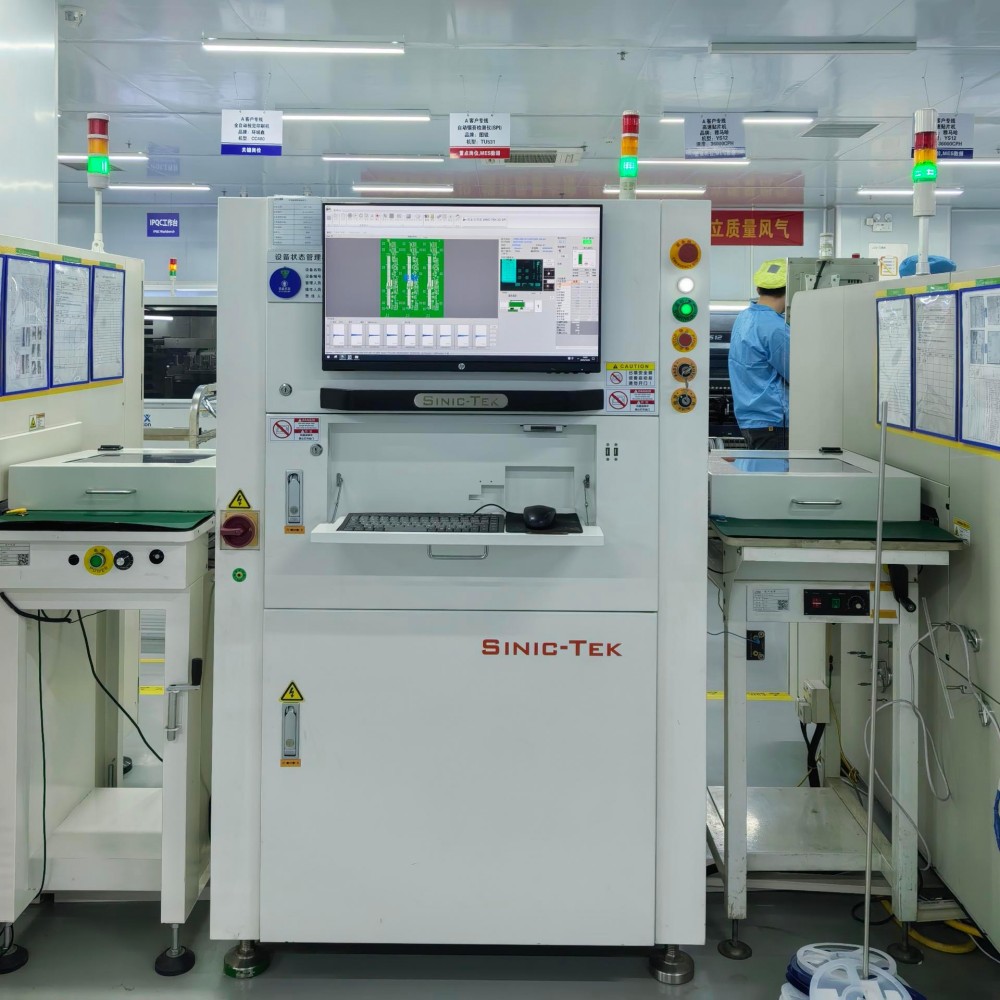
Our production facilities span over 13,000 square meters of independent factory space in Shenzhen, alongside 27,000 square meters in Dongguan Huangjiang. Equipped with 24 high-speed pick-and-place assembly machines and 12 advanced PCBA lines, we handle high-volume procurement smoothly.
Our R&D investment has consistently accounted for more than 10% of overall sales for five consecutive years. This funding powers our state-of-the-art test laboratories and engineering teams, keeping us at the forefront of active energy balancing algorithms.
We hold over 100 patents in the lithium-ion battery protection board industry, including utility models, circuit designs, and testing software. We collaborate directly with clients to mitigate IP infringement risks in import markets.
A history of technological progress, quality compliance, and digital manufacturing transformation.
In 2005, the company commenced R&D and manufacturing of digital Battery Management Systems (BMS). By 2006, operations expanded into power battery management system development. ISO9001 certification was obtained in 2007, followed by ISO14001 certification in 2009, establishing our initial quality framework.
In 2011, the company secured 8 utility model and design patents while expanding our mobile power manufacturing base. The Litongwei Technology Research Institute was established in 2012. We received the Del New Energy Quality Excellence Award in 2014 and earned the Gold Partner title from Gaogong Lithium Battery in 2015.
Upgraded to modern ISO9001 and ISO14001 standards in 2016. Achieved IATF16949 certification in 2018 and implemented our MES (Manufacturing Execution System) to ensure component-level traceability. Recognized with the Guangdong Battery Industry Association Innovation Award in 2019 and named a leading brand in light electric vehicle protection boards in 2020.
Litongwei continues to innovate, deepening technical expertise while embracing IoT, wireless BMS (wBMS), and Industry 4.0 paradigms. Through our Smart Manufacturing+ strategy, we drive supply chain integration and high-yield automated production lines.
Addressing compliance, supply chain transparency, and custom engineering parameters for global buyers.
For international buyers in energy and automotive sectors, documentation is critical. Litongwei's factory floors run a fully integrated MES system. This logs SMT component batches, reflow soldering temperatures, automated optical inspection (AOI) data, and final functional tests for every single board.
Importing energy equipment into Europe and the Americas requires adherence to UL, CE, FCC, RoHS, and REACH criteria. Litongwei designs and builds its BMS platforms to meet these regulatory frameworks.
How Litongwei is incorporating AI and Edge Computing into our next-generation battery management platforms.
Future iterations of our smart BMS will stream telemetry data to cloud platforms. By running real-time machine learning algorithms, the system can predict thermal runway events up to 48 hours before they occur, protecting high-value grid installations.
To reduce wiring harnesses in complex EV and large ESS arrays, we are developing wireless communication protocols. This eliminates connector wear points, saves pack weight, and simplifies installation and disassembly procedures.
Our hardware supports CANbus, RS485, Modbus, and Bluetooth communications. This enables integration with global inverter brands and simplifies setup for home battery systems, solar setups, and utility configurations.
Get answers to common technical, manufacturing, and shipping questions regarding our Active BMS products.
We work with leading global technology brands to develop stable, high-performance battery control systems.













Litongwei's partners include Huawei, Lenovo, Desay, Guoguang, Sunwoda, Eve Energy, Guoxuan High-tech, and other industry brand clients who have collaborated for many years.
Browse our selection of micro-inverters, portable power banks, protective hardware, and lifestyle energy equipment.
 Litongwei Electronic