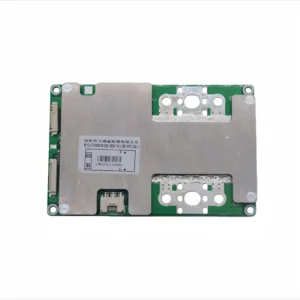
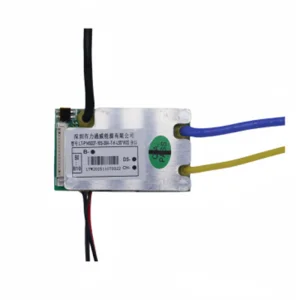
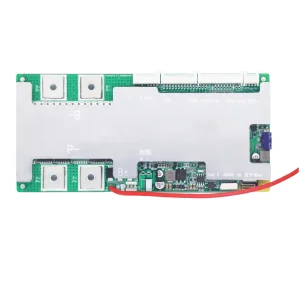
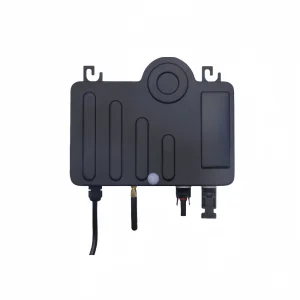
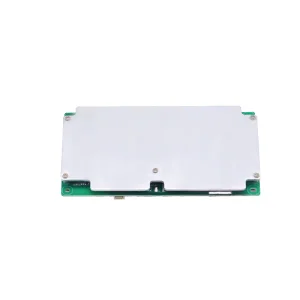
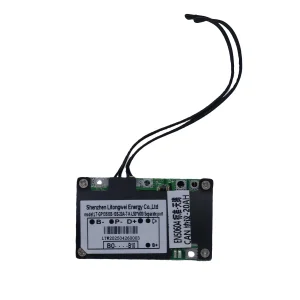
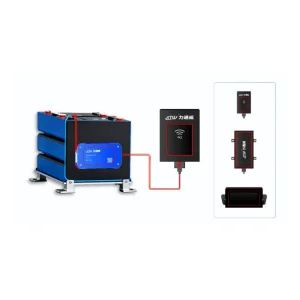
Explore our high-performance BMS protective modules, smart energy inverters, and battery accessories designed for maximum stability.
Unlocking Maximum Battery Lifespan, Capacity Utilization, and Safety Through Real-time Dynamic Energy Transfer
In the rapidly evolving battery technology landscape, the performance, lifespan, and safety of multi-cell lithium-ion battery packs are critical benchmarks. Modern applications range from high-voltage utility grid storage arrays to high-capacity industrial electric drive systems. In these configurations, individual lithium cells are arranged in series and parallel to meet precise voltage and current parameters. However, cell manufacturing variations, operating temperature differentials, and uneven self-discharge rates lead to battery capacity imbalances. Over time, this discrepancy degrades the entire system's efficiency, accelerates pack failure, and poses safety risks. Addressing this requires active cell balancing.
Conventional Battery Management Systems (BMS) rely on passive cell balancing. This approach dissipates excess energy from high-voltage cells as heat via shunt resistors. While cost-effective and simple, passive balancing degrades overall system efficiency. It is also limited to the end of the charging phase and generates localized heat that accelerates cell aging. In contrast, active cell balancing dynamically redistributes energy from higher-voltage cells to lower-voltage cells. It utilizes high-frequency capacitive, inductive, or transformer-based topologies to transfer charge during charging, discharging, and idle states. Active balancing acts as an internal energy recovery network, maximizing runtime and extending pack longevity by up to 30%.
Active balancing systems work continuously, shifting current (ranging from 1A to 5A or higher depending on the application) across the cell chain. This minimizes thermal stress on the battery management board, removes the need for large heatsinks, and enables maximum capacity utilization. This is especially critical for systems using chemistries like Lithium Iron Phosphate (LiFePO4) or Nickel Manganese Cobalt (NMC).
Analyzing key market demand and integration strategies across global supply chains.
The global demand for high-capacity energy storage systems is growing, driving adoption of active cell balance technologies. As automotive manufacturers transition to heavy-duty logistics electrification, regional markets in Europe and North America are mandating longer warranties and higher safety standards. This shifts the engineering focus toward active equalization. Industries like grid-scale energy storage, mining operations, remote telecommunications, and automated guided vehicle (AGV) logistics fleets require high system uptime and minimal cell degradation. In these sectors, active balancing systems are now a standard engineering requirement.
For example, in grid-scale battery storage facilities, a single unbalanced cell can limit the charge or discharge cycle of a multi-megawatt container. This results in significant operational losses. Active cell balancing ensures consistent state-of-charge (SoC) levels across thousands of interconnected cells, improving investment returns and reducing maintenance cycles.
A trusted global leader in smart lithium battery protection systems and battery management innovations.
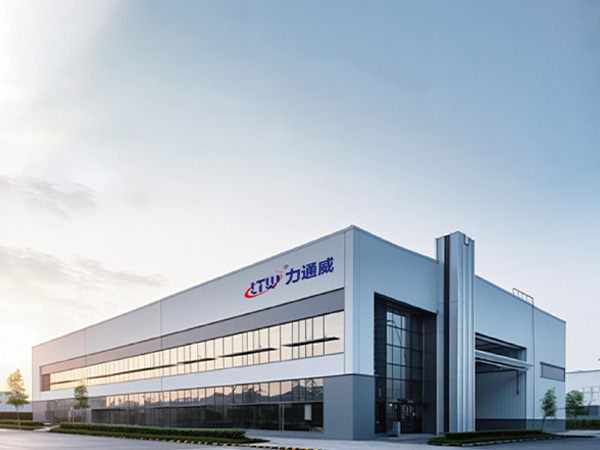
Established in 2005, Shenzhen Litongwei Electronic Technology Co., Ltd. is a national high-tech enterprise specializing in the R&D and manufacturing of lithium-ion safety control systems. Over nearly two decades of technological development, our product portfolio has grown to cover a wide range of applications, including 3C digital devices, electric scooters, bicycles, motorcycles, tricycles, golf carts, AGVs, drones, and heavy-duty power tools.
We provide comprehensive solutions: intellectual property protection through patent collaboration to prevent infringement, industry-standard shared boards for cost reduction and efficiency improvement, full-process MES traceability for strict quality control, and remote cloud platform support. Partnering with Litongwei gives you access to top-tier products, advanced manufacturing, and engineering support.

A history of continuous innovation, scaling capabilities, and expanding production capacity.
Why sourcing from leading electronics manufacturing hubs offers cost, capacity, and customization benefits.
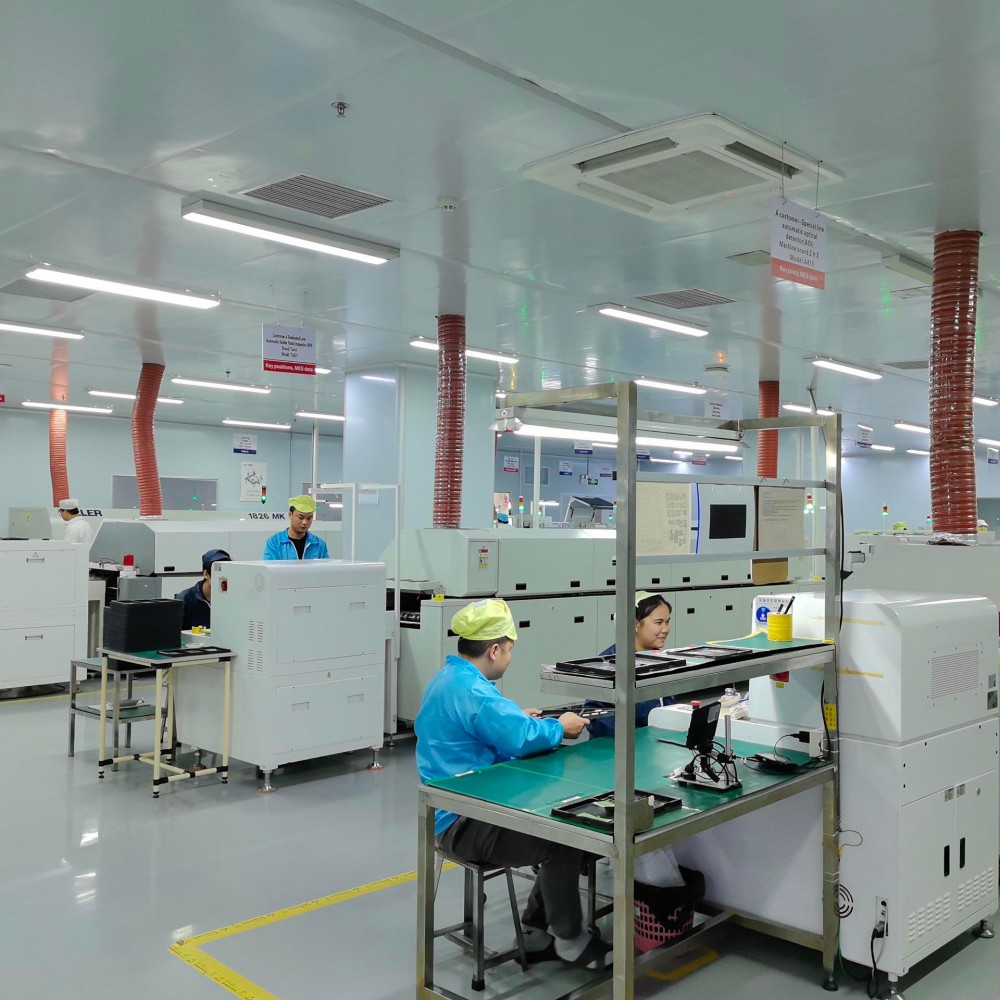
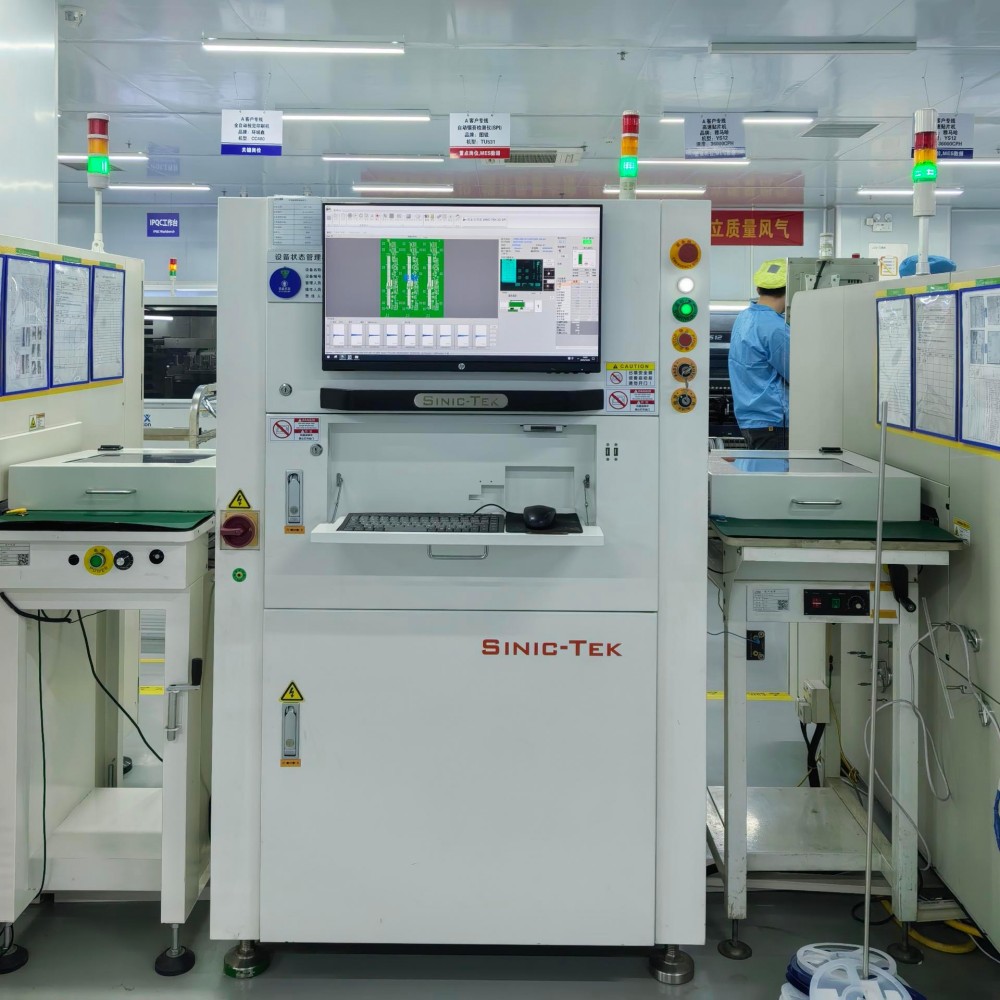
China's Pearl River Delta remains a leading global hub for energy electronics manufacturing. Shenzhen Litongwei Electronic Technology Co., Ltd. leverages this ecosystem to provide high-quality active cell balance systems at scale. Our factories are located in the advanced manufacturing zones of Shenzhen and Dongguan Huangjiang. Our Shenzhen facility spans over 13,000 square meters, complemented by a 27,000-square-meter facility in Dongguan. This infrastructure houses 24 high-speed SMT pick-and-place lines and 12 automated PCBA assembly lines. We deliver a monthly output of over 15 million units, allowing us to respond quickly to volume fluctuations in international supply chains.
Our proximity to raw material manufacturers and semiconductor distribution channels reduces component lead times. In addition, our automated testing equipment (ATE) and full-process MES product-tracking systems ensure that every active balance BMS undergoes rigorous quality control. This system tracks assembly steps from initial chip placement to final function verification, ensuring reliability for international procurement managers.
With a total of 40,000 square meters of production space across Shenzhen and Dongguan, 24 SMT lines, and 12 PCBA lines, we support scale production of up to 15 million units per month.
We consistently reinvest over 10% of our annual sales revenue back into advanced R&D. This enables ongoing innovation in high-current active cell balancing and multi-cell system architectures.
Our IP portfolio includes over 100 patents in circuit programs, automated testing, and active balancing algorithms. We collaborate with clients to reduce compliance and infringement risks.
Collaborating with top-tier global hardware, consumer electronics, and automotive brands.













How active cell balancing addresses critical challenges in key industrial sectors.
The applications for battery packs with active balancing are varied. Each sector has unique operational demands, environmental conditions, and cycling stresses. Litongwei designs, optimizes, and supplies specialized BMS systems to meet these localized requirements:
Leading the next generation of intelligent battery management systems.
The next generation of battery management systems is shifting toward predictive and cloud-based models. Key developments in active cell balancing include:
Answering key questions on active cell balancing design, testing, and system integration.
Explore our full range of lithium battery protection systems, inverters, and tracking devices.
 Litongwei Electronic